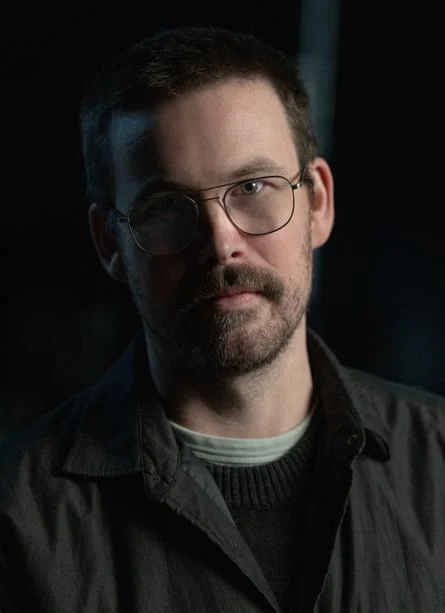
The landscape of modern cinematic horror has undergone a significant transformation over the past decade, largely driven by independent auteurs who subvert traditional narrative structures. Among this vanguard stands filmmaker Zach Cregger, whose meteoric rise in the genre has culminated in one of the most unexpected artistic gambles of recent Hollywood history: directing an installment of the storied Capcom franchise, Resident Evil. Cregger, whose previous features established a reputation for uncompromising originality, now finds himself at the center of a cultural conversation surrounding intellectual property, auteur theory, and the commercial realities of contemporary studio filmmaking.
Main Facts and the Rise of Zach Cregger
Cregger’s ascent to prominence began in 2022 with the release of Barbarian, his debut film as a solo writer and director. Produced on a modest budget, the film became a critical darling and a commercial success, grossing approximately $46 million worldwide while cultivating an intense word-of-mouth reputation among horror enthusiasts. The film was celebrated for its abrupt narrative shifts and its subtextual engagement with contemporary anxieties regarding urban decay and predatory behavior.

He followed this success with Weapons in 2025, a film that outperformed its predecessor both critically and commercially. The project’s development phase was famously fraught with industry intrigue, marked by intense bidding wars and viral rumors regarding high-profile producers vying for the rights. Weapons ultimately shattered box-office projections and earned critical acclaim, culminating in an Academy Award for Amy Madigan’s supporting performance as the formidable Aunt Gladys.
With just two original features, Cregger cemented a distinct cinematic identity defined by unpredictability, thematic weight, and intense visceral dread. It is precisely this established reputation for total creative independence that has made his pivot to established intellectual property—specifically, a major video game adaptation—such a startling development for film critics and audiences alike.
Chronology of the Resident Evil Franchise and Cregger’s Entry
The trajectory of the Resident Evil property spans three decades, originating as a pioneering Japanese survival-horror video game released by Capcom for the PlayStation in 1996. The title revolutionized electronic entertainment by popularizing the survival-horror genre, blending resource management, atmospheric tension, and cinematic storytelling.
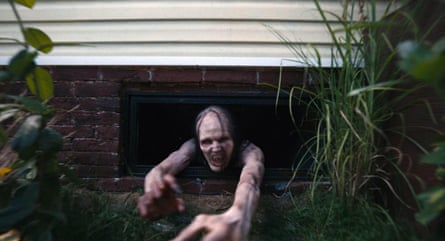
In 2002, the franchise made the leap to live-action cinema under the direction of Paul W.S. Anderson. Starring Milla Jovovich as Alice, the initial film launched a lucrative, long-running action-horror series focusing on a global contagion unleashed by the fictional pharmaceutical conglomerate, the Umbrella Corporation. By the time the film series concluded its primary iteration, the franchise had grossed approximately $1.2 billion globally, making it one of the most financially successful video-game adaptations in cinematic history, though it frequently faced resistance from traditional film critics.
Cregger’s upcoming contribution represents the eighth installment in the cinematic chronology of Resident Evil. Despite the franchise’s extensive cinematic history, Cregger has acknowledged that he approached the project from a perspective removed from its movie lineage, admitting that he has never viewed the previous live-action films, though he remains a dedicated player of the original source material.
Production Insights and Narrative Design
Adapting a globally recognized video game franchise while maintaining personal artistic integrity presents a distinct set of challenges for any filmmaker. Cregger sought to bridge the gap between dedicated gaming aficionados and general audiences by structuring the narrative around a singular, relatable protagonist rather than an ensemble of tactical military operatives typically seen in later franchise entries.
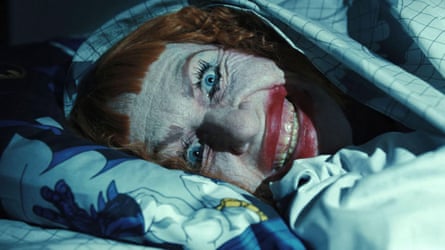
The film follows Bryan, portrayed by Austin Abrams, a medical courier tasked with transporting an organ transplant cooler from a lowland hospital to a remote facility near Raccoon City, Colorado. Unaware of the biological catastrophe unfolding around him, Bryan navigates a progression of hazardous environments—from snowy roadways to abandoned rural structures—mirroring the progression systems inherent to third-person survival horror games.
Production on the film took place in remote regions of the Czech Republic, an environment Cregger described as physically demanding, marked by harsh weather conditions and prolonged health challenges for the director. To heighten immersion, Cregger utilized over-the-shoulder camera compositions reminiscent of gameplay mechanics, designing Bryan’s internal monologue to reflect the frantic, profanity-laden reactions typical of a player experiencing the game in real time.
Industry Context and the Economics of Modern Horror
The broader economic framework of Hollywood’s current horror boom relies heavily on high-concept storytelling produced at moderate cost. Studios increasingly look to proven intellectual properties to mitigate financial risk, coupling them with directors capable of delivering strong returns on investment. However, Cregger maintains that his involvement with Resident Evil was driven by narrative potential rather than corporate mandate.
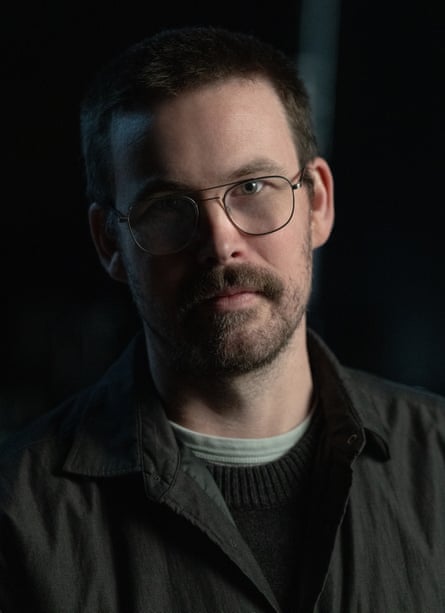
In interviews addressing fan skepticism, Cregger has defended the project against accusations of opportunism, asserting that the story was conceived fundamentally as a Resident Evil narrative rather than an unrelated script retrofitted to secure a studio budget. His approach highlights a growing trend wherein major studios entrust established franchise properties to distinct, voice-driven filmmakers known for independent sensibilities, hoping to capture both legacy fandoms and prestige-oriented audiences.
Broader Impact and Implications for Auteur Cinema
Cregger’s transition into franchise filmmaking underscores a broader shift in how contemporary studios leverage creative talent. As directors emerging from comedy backgrounds or digital spaces—such as Kane Parsons, Curry Barker, and Jane Schoenbrun—reshape the language of cinematic horror, the traditional boundary between independent art-house production and corporate intellectual property continues to blur.
For Cregger, whose creative process heavily incorporates intuitive, subconscious writing techniques derived from his early experiences in music and comedy, the Resident Evil project serves as an experiment in channeling personal anxieties through a heavily structured corporate framework. Whether the film successfully bridges the gap between high-art horror sensibilities and blockbuster video-game adaptation remains to be seen, but its mere existence signals a willingness within the industry to gamble on unconventional artistic perspectives for established properties. As the film enters theaters, its performance will likely influence how studios approach future collaborations with independent genre directors, potentially redefining the parameters of what a franchise film can achieve.