The television industry is mourning the loss of one of its most influential architects as Jennifer Aniston, the Emmy-winning actress known globally for her portrayal of Rachel Green, released a poignant tribute to the late director James Burrows. Burrows, a cornerstone of the American sitcom for over five decades, passed away on June 19 at the age of 85. His death marks the end of an era for a specific brand of multi-camera comedy that defined the "Must See TV" landscape of the 1980s and 1990s. Aniston, 57, took to her official social media platforms on Saturday, June 20, to share her grief, describing Burrows not merely as a professional mentor, but as a "father figure" who guided the core cast of Friends through their meteoric rise to fame.
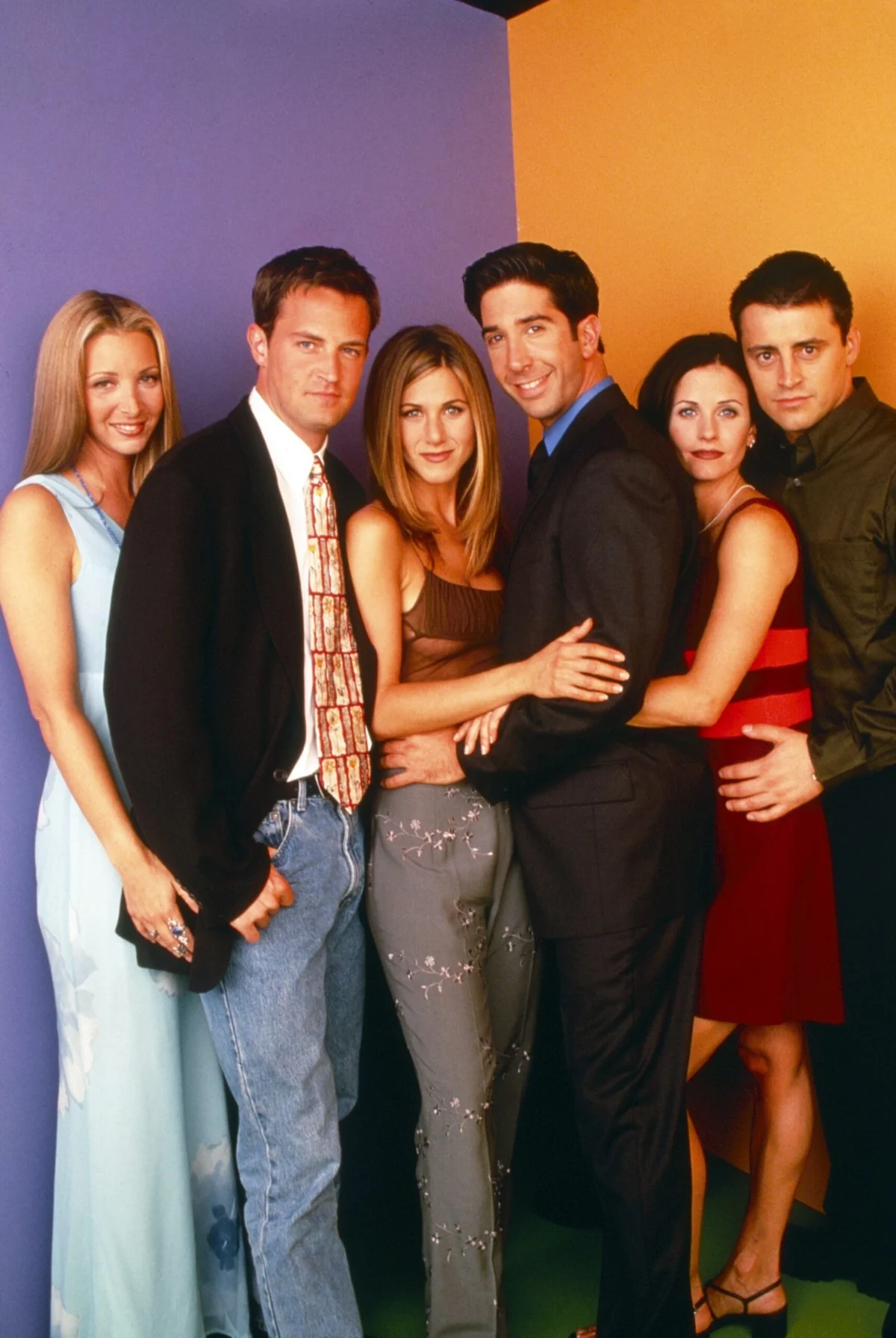
In her heartfelt post, which featured a carousel of candid photographs spanning several decades of their collaboration, Aniston expressed the difficulty of summarizing a man whose impact on her life and career was immeasurable. She noted that Burrows had a unique ability to make everyone around him feel loved, a quality she found nearly impossible to encapsulate in writing. Aniston specifically highlighted Burrows’ habit of referring to the lead cast members—Aniston, Courteney Cox, Lisa Kudrow, Matt LeBlanc, Matthew Perry, and David Schwimmer—as "the kids." This paternal moniker became a staple of the Friends set, serving as both a term of endearment and a reminder of the foundational bond Burrows helped forge between the six actors.
A Father Figure in the Director’s Chair
The relationship between Jennifer Aniston and James Burrows was forged during the high-stakes environment of the early 1990s when Friends was still a nascent project at NBC. Aniston’s tribute emphasized that Burrows’ involvement went far beyond technical direction. According to the actress, he was a constant source of emotional support, checking in on her during both personal triumphs and professional challenges. She credited him with teaching the cast the importance of mutual respect and collective solidarity, qualities that famously led the six actors to negotiate their contracts as a single unit in later seasons.
Burrows’ approach to directing was famously collaborative. Aniston recalled his frequent inquiries to the group, asking if "the kids" could make a specific joke work or if a scene felt organic to their characters. This level of trust empowered the young cast to take creative risks, a factor many critics cite as the reason for the show’s enduring chemistry. Aniston’s reflection that Burrows "held me through the hardest times and the best of times" suggests a deep personal connection that persisted long after the show concluded its ten-season run in 2004.
The Burrows Legacy: Architect of the Modern Sitcom
To understand the weight of Aniston’s tribute, one must look at the expansive career of James Burrows. Born in 1940 to legendary playwright and director Abe Burrows, James—often referred to by colleagues as "Jimmy"—was practically born into the theater and television industry. He graduated from the Yale School of Drama and began his career in stage management before transitioning to television in the early 1970s.
Burrows’ filmography reads like a history of American comedy. Before he helped launch Friends, he was already a titan in the industry, having co-created the legendary series Cheers and directed dozens of episodes for Taxi and The Mary Tyler Moore Show. His technical prowess was unmatched; he is often credited with refining the multi-camera setup, using four cameras instead of three to better capture the kinetic energy of a live studio audience. This innovation allowed for more complex blocking and faster-paced humor, which became a hallmark of the shows he touched.
Over the course of his career, Burrows directed more than 1,000 episodes of television, a milestone he reached in 2016. His trophy shelf included ten Emmy Awards and four Directors Guild of America Awards. Beyond Friends, he directed the pilots for Will & Grace, Frasier, NewsRadio, and The Big Bang Theory, effectively serving as the midwife for some of the most successful comedies in television history.
The Genesis of Friends and the Famous Vegas Trip
One of the most enduring stories involving Burrows and the Friends cast—a story Aniston has revisited in various interviews—occurred just before the show’s pilot episode aired in 1994. Recognizing that the six actors were on the verge of a life-changing level of fame, Burrows took them on a trip to Las Vegas. He treated them to dinner at Spago and told them to enjoy their final moments of anonymity.
"This is your last shot at it," Burrows reportedly told the group. "Once the show comes out, you’re never going to be able to go anywhere without being hounded." He even lent the cash-strapped actors money to gamble, a gesture that Aniston and her co-stars have frequently cited as the moment they realized they were part of something special. This anecdote underscores Aniston’s description of Burrows as a "unicorn presence" who was generous enough to share his wisdom and resources with a group of then-unknown performers.
Industry Impact and Technical Contributions
The "Burrows Touch" was not just about sentimentality; it was a rigorous approach to the mechanics of comedy. Industry analysts point to his ability to treat the live studio audience as the "tenth man" on the field. He believed that if the audience didn’t laugh, the joke was the problem, not the delivery. He was known for encouraging actors to move around the set, breaking the static "stand and deliver" style of earlier sitcoms.
Supporting data from Nielsen and television archives indicates that shows directed by Burrows had a significantly higher success rate for pilots transitioning into full series orders. His involvement was often seen by network executives as a "seal of approval." By the time Friends debuted, Burrows’ reputation was so formidable that his presence alone helped secure the confidence of NBC leadership during the show’s uncertain early days.
Collective Mourning and Industry Reactions
While Aniston’s tribute was the most personal, the broader entertainment community has also expressed its loss. Representatives for other members of the Friends cast have indicated that the group is privately mourning the man who served as their professional North Star. Industry peers, including creators of shows like Will & Grace and Cheers, have released statements acknowledging Burrows as a "master of the craft" and a "gentle giant" of the medium.
The Directors Guild of America (DGA) issued a statement praising Burrows for his mentorship of younger directors. "James Burrows didn’t just direct television; he defined it," the statement read. "His influence can be seen in every sitcom that has aired in the last forty years. He taught us that comedy is a serious business that requires heart, timing, and a deep love for the performers."
Implications for the Future of Multi-Camera Comedy
The passing of James Burrows raises questions about the future of the multi-camera sitcom, a format that has seen a decline in recent years in favor of single-camera, cinematic comedies and streaming-first content. Burrows was the most vocal defender of the live-audience format, arguing that the immediate feedback of a crowd was essential for comedic timing.
Aniston’s tribute, which ended with her wishing that someone, somewhere, is still asking, "Where are the kids?", highlights the vacuum left by his departure. As the industry shifts toward different production models, the loss of a mentor like Burrows suggests a potential widening gap in the traditional training of comedic actors. He represented a bridge between the classic theatrical traditions of his father’s generation and the high-speed digital age of modern television.
A Legacy of Respect and Support
For Jennifer Aniston, the loss is clearly more than professional. Her statement that Burrows taught the cast "how important it is to love and respect one another" points to a legacy that exists off-screen. The enduring friendship of the Friends cast, which has remained intact for thirty years, is perhaps Burrows’ most successful production.
As the television community reflects on the career of James Burrows, the focus remains on his dual role as a technical genius and a compassionate leader. Aniston’s words serve as a reminder that behind the iconic sets of Central Perk and the Cheers bar was a man who prioritized the human element of storytelling. The "kids" he helped raise have become some of the biggest stars in the world, but as Aniston’s tribute makes clear, they will always view themselves through the lens of the man who first taught them how to make the joke work.