Plot Premise and Narrative Context
The narrative centers on the character of Mandy Alejandra Pike, a vampire who has been held in captivity by her maker, a figure named Vicente, since 1939. According to official production synopses, Mandy has served as the sole employee of the Plaza Theatre for decades, effectively living behind the silver screen. Her isolation is punctuated by her exposure to the evolving history of cinema, which serves as her primary window into the human condition.
The story arc follows Mandy as she attempts to break free from the stagnation of her immortal existence. With the assistance of her sole confidante, a fellow vampire named Dawn, Mandy embarks on a journey to outmaneuver Vicente and reclaim her agency. The premise offers a unique intersection of genres: the gothic tropes of the vampire mythos are subverted by a grounded, character-driven narrative that prioritizes themes of identity, discovery, and the endurance of the human spirit—or, in this case, the vampiric one.
Production Leadership and Creative Vision
The film is spearheaded by director Kristina Arjona, who developed the screenplay alongside co-writer Leanna Adams. The project is being produced under the banner of Dawn of the Jerks Pictures. The production team reflects a collaborative effort to bring a distinct, modern voice to the vampire comedy genre.
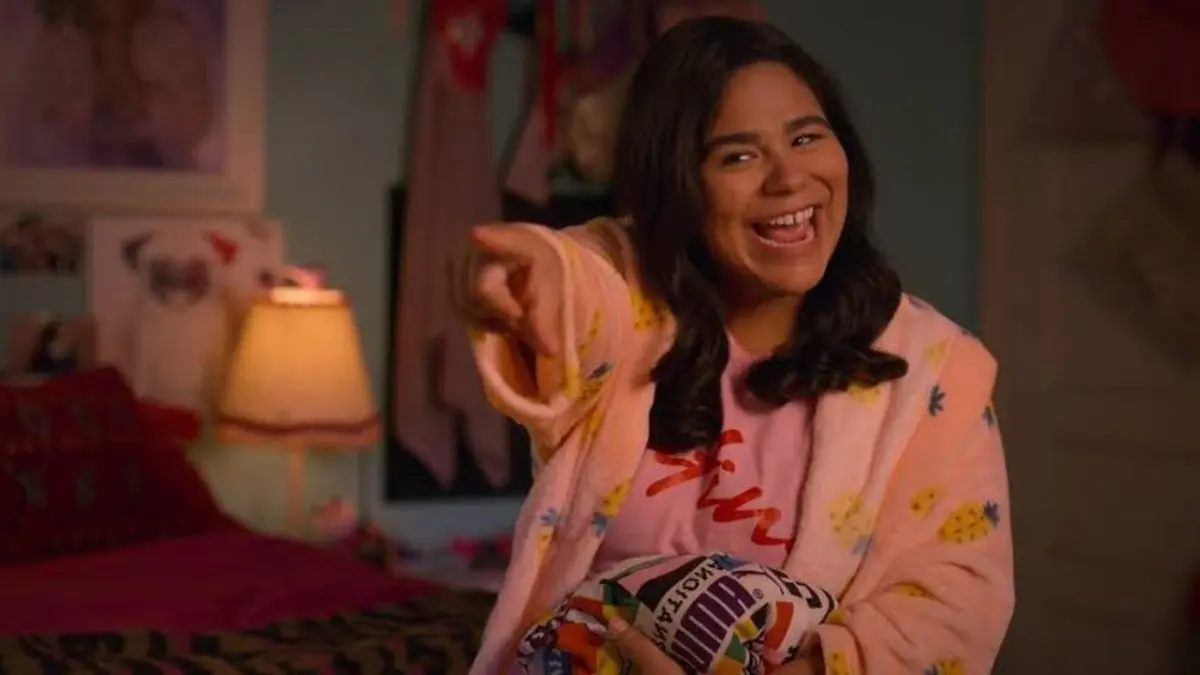
Director Kristina Arjona has been vocal about the casting process, noting that finding the right lead was paramount to the project’s success. In a statement regarding the casting of Garcia, Arjona emphasized the necessity for a performer capable of balancing high-stakes physical comedy with deep emotional vulnerability. "We searched for a Latina Lucille Ball, a physical comedy queen with the authenticity to break your heart on a dime," Arjona noted. "The first time I met Jess, I knew we’d finally found our Mandy. She’s hilarious, sensual, fearlessly vulnerable, and absolutely magnetic."
Beyond her acting contributions, Garcia’s role as a producer is framed as a strategic move to ensure the film maintains an equitable and innovative production environment. Her involvement suggests a hands-on approach to the film’s development, aligning with the creative team’s vision for an inclusive and forward-thinking cinematic experience.
The Plaza Theatre as a Narrative Character
A critical element of the film is its location. The Plaza Theatre in Atlanta is not merely a background setting; it is arguably the film’s secondary protagonist. As the oldest operating cinema in Atlanta, the Plaza Theatre provides an authentic, historical aesthetic that perfectly complements the film’s 1939 origin point for the character of Mandy.
Christopher Escobar, the current owner of the Plaza Theatre, is attached as an executive producer. His involvement ensures that the film respects the legacy of the venue while utilizing its unique architectural features. The history of the Plaza, which opened in 1939, aligns seamlessly with the film’s lore, grounding the supernatural narrative in a tangible, brick-and-mortar reality. By filming on-site, the production aims to leverage the theater’s genuine atmosphere, which has been preserved and celebrated by film enthusiasts for decades.
Production Timeline and Logistics
The production schedule is currently set to commence in 2027. This timeline allows for extensive pre-production, a necessity given the technical requirements of shooting a film that spans decades of cinematic history while maintaining a consistent visual language.
The production team includes a robust roster of industry professionals, including Kiah Clingman of KiahCan Productions, Marie Halliday of Curious Witch Films, and Patricia Taylor. Executive producers Richard Taylor and Patricia Taylor join Christopher Escobar in overseeing the project’s execution. This organizational structure indicates a well-funded, structured approach to independent filmmaking, designed to transition smoothly from pre-production through to principal photography and post-production.

Broader Implications for the Vampire Genre
The vampire genre has seen a resurgence in recent years, shifting from the traditional "dread-filled" narratives of the late 20th century to more nuanced, genre-bending explorations. Randy Mandy and the Curse of the Plaza Theatre positions itself within a contemporary movement that seeks to deconstruct the "monster" narrative.
By focusing on a protagonist who finds solace and identity through the medium of film, the story acts as a love letter to the cinema-going experience. This meta-narrative approach—where the character is a student of the movies she guards—provides a rich vein of humor and emotional resonance. The film’s focus on a British Latina perspective also serves to diversify the traditional portrayals of vampires in mainstream media, which have historically leaned toward Eurocentric archetypes.
Economic and Cultural Impact on Atlanta
The selection of the Plaza Theatre as the primary filming location highlights the growing significance of Atlanta as a global hub for film and television production. Over the past decade, Georgia has become one of the world’s most prolific filming destinations, owing largely to its competitive tax incentives and a burgeoning infrastructure of local crews and talent.
The production of Randy Mandy is expected to contribute to the local economy by providing jobs for crew members and supporting regional vendors. Furthermore, the film serves to elevate the status of the Plaza Theatre itself, potentially increasing tourism and interest in the landmark. For independent films, utilizing a historic location often creates a distinct "brand" identity that distinguishes the project in an oversaturated streaming market.
Analysis of Market Potential
The success of similar genre-defying comedies suggests that there is a significant appetite for stories that pair supernatural elements with relatable, human-centric stakes. The film’s reliance on physical comedy, combined with the "fish-out-of-water" element of a vampire interacting with modern society through the lens of 20th-century cinema, provides a strong hook for potential distributors.
From an analytical standpoint, the strength of the project lies in its specific creative vision. By pairing a high-concept premise with a clearly defined lead performer, the producers are minimizing market risk. Jessica Maria Garcia’s established fan base, combined with the rising interest in independent horror-comedies, positions the film as a viable candidate for both theatrical distribution and streaming acquisition.
The collaborative nature of the production, involving multiple independent production houses, points to a decentralized but highly coordinated strategy. This model is becoming increasingly common in the modern film industry, allowing for more creative freedom while pooling resources to meet the high production values required for a period-spanning narrative.
Conclusion and Future Outlook
As the production moves toward the 2027 start date, anticipation within the horror and independent film communities is expected to grow. The project serves as a testament to the enduring power of the Plaza Theatre and the creative ingenuity of its production team. By blending the history of film with the evolution of the vampire myth, Randy Mandy and the Curse of the Plaza Theatre aims to offer audiences a unique, heartfelt, and humorous experience.
With a clear narrative focus, an experienced production team, and a historic location serving as its foundation, the film is well-positioned to make a significant impact upon its release. As updates emerge regarding further casting and production milestones, the industry will be watching to see how this ambitious vision translates from the script to the screen. For now, the project stands as a promising example of how independent cinema continues to innovate, finding fresh ways to tell stories that are as timeless as the vampires they portray.