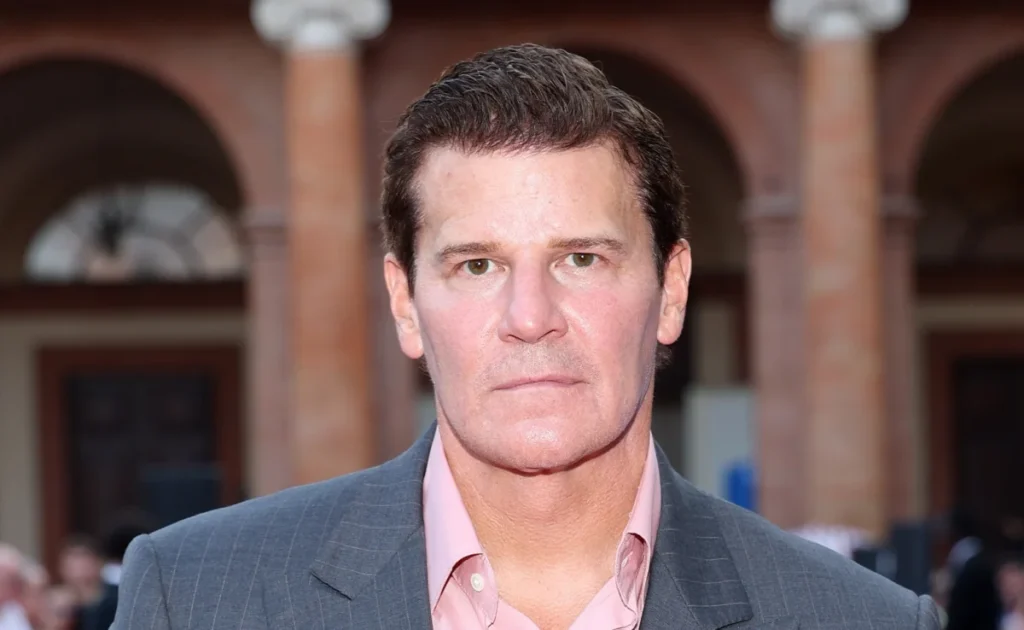
The NCIS universe is preparing for a significant narrative convergence as three iconic figures from the franchise’s history return to the fold. In a strategic expansion of the prequel series NCIS: Origins, the production has confirmed the appearances of Joe Spano, Muse Watson, and Roma Maffia. These veteran actors will reprise their respective roles as Tobias Fornell, Mike Franks, and Vera Strickland, anchoring the 2026 present-day timeline as Mark Harmon’s Leroy Jethro Gibbs continues to navigate a dangerous, unresolved investigation regarding his past.
The upcoming sequence of episodes, scheduled for November 17, December 1, and December 8, represents a calculated effort by the creative team to bridge the gap between the established legacy of the mothership series and the nascent history explored in the prequel. This narrative structure is designed to provide viewers with critical context regarding the disappearance of Lala Dominguez and the formative events that defined the team’s dynamics decades earlier.
A Chronology of Returns
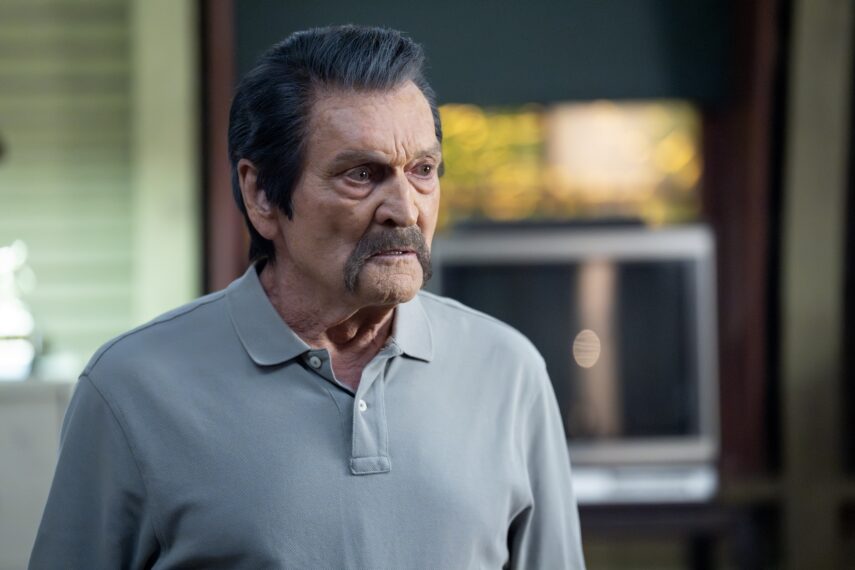
The rollout of these legacy characters follows a precise broadcast schedule that underscores the importance of their roles in the current mystery. Muse Watson, whose character Mike Franks was a cornerstone of the original series before his death in Season 8, will reappear in Episode 6, airing November 17. Following this, Roma Maffia will step back into the role of Vera Strickland for Episode 7 on December 1. Finally, Joe Spano is slated to return as the fan-favorite FBI agent Tobias Fornell in Episode 8, set for December 8.
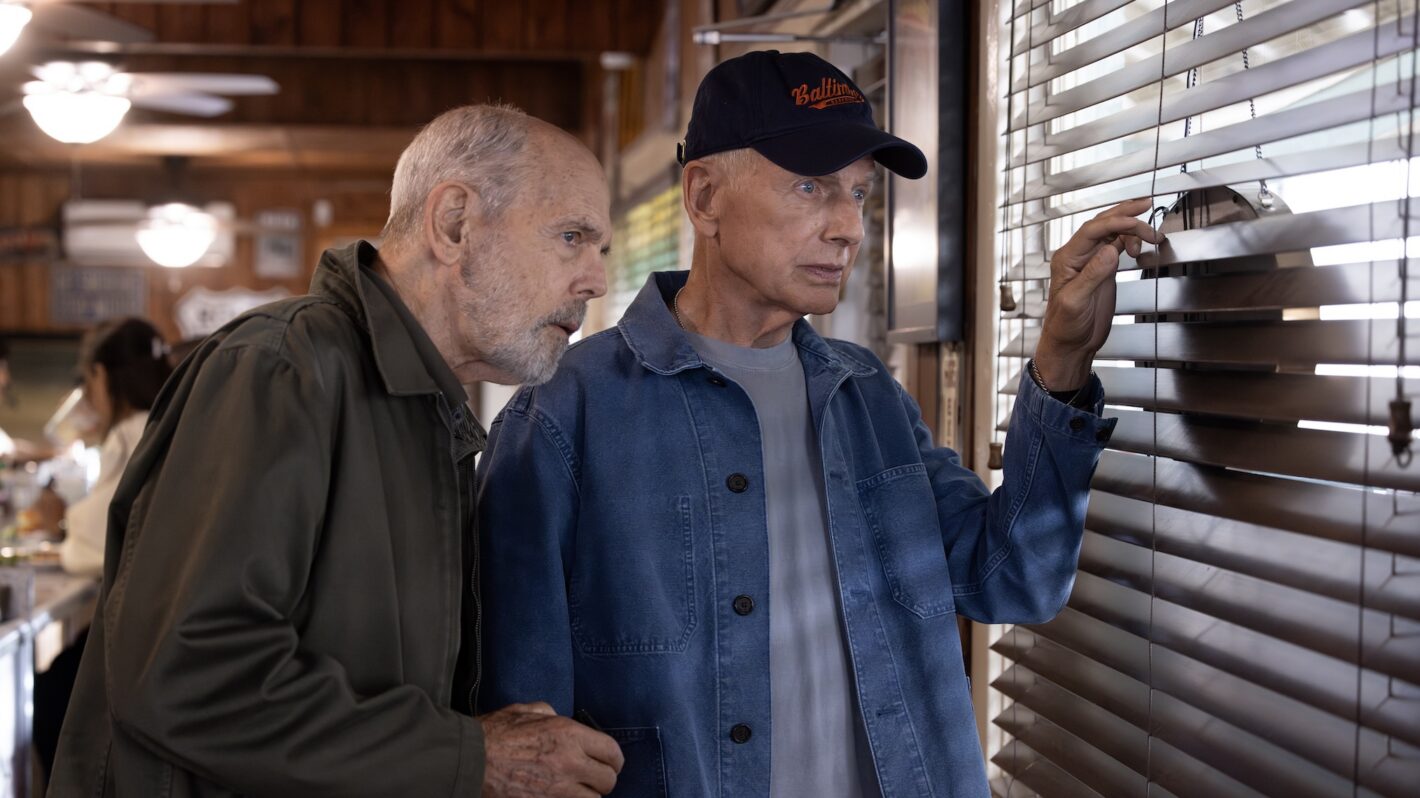
These appearances are not mere cameos; they are integrated into the 2026 mystery where an older Gibbs is actively hunting for the individual who attempted to assassinate him in Alaska. By utilizing characters who possess a deep, lived history with Gibbs, the writers are able to bypass lengthy expository scenes, allowing the dialogue to focus on the emotional and tactical weight of the ongoing investigation.
Bridging Two Decades of Television History
The decision to reintroduce these specific characters reflects a broader strategy within the NCIS franchise to leverage its deep bench of history. Since its inception in 2003, the series has cultivated an expansive mythology. NCIS: Origins, which documents Gibbs’ early years in the 1990s, has already utilized a unique dual-casting approach, featuring younger actors like Kyle Schmid as Mike Franks and Diany Rodriguez as Vera Strickland.
The presence of the original actors in the 2026 timeline serves as a thematic bridge. For instance, the transition from Schmid’s portrayal of a younger, volatile Franks to Muse Watson’s seasoned, ghostly presence serves as a visual and narrative representation of time’s passage. According to showrunner David J. North, these creative choices are driven by the internal logic of the mystery: the production team asks what information or perspective an aging Gibbs would realistically seek out, and which allies from his past would still be available to provide that counsel.
The Strategic Use of Legacy Characters
The integration of these characters highlights a transition in the NCIS production model. By weaving the present-day mystery—which involves the hunt for the person behind the Alaska incident—with the prequel’s investigation into the past, the show maintains a high level of stakes.
- Muse Watson (Mike Franks): His return is perhaps the most complex, given that the character has been deceased for 16 years. His appearances in previous seasons, often through hallucinations or flashbacks, established a precedent that allows the show to treat his wisdom as a lingering influence on Gibbs’ psyche.
- Roma Maffia (Vera Strickland): Her character’s involvement in the 2026 timeline offers a professional connection that bridges the gap between the NCIS agency and the private, often isolated life of a retired Gibbs. Her previous crossover appearance established that she remained in contact with the former team leader, providing a logistical foundation for her return.
- Joe Spano (Tobias Fornell): As one of the longest-running guest characters in the franchise, Spano’s return carries significant weight. His history with Gibbs—moving from bureaucratic rivals to deeply bonded brothers-in-arms—makes him the most logical partner for an investigation that requires both federal resources and personal trust.
Production Perspectives and Behind-the-Scenes Collaboration
The collaborative environment behind these reunions has been cited by cast members as a key factor in the show’s success. Kyle Schmid, who plays the younger Franks, has spoken at length about the mentorship he received from Muse Watson. This relationship, which developed from phone consultations into a genuine off-screen friendship, allowed for a more cohesive portrayal of the character across two different time periods.
From a production standpoint, the "story-first" approach championed by David J. North ensures that these appearances feel organic. The writers emphasize that they are not looking to force cameos for the sake of nostalgia, but rather to utilize the characters who are essential to the specific narrative beats being explored. Mark Harmon’s involvement as both an executive producer and the onscreen link to the past ensures that these interactions remain faithful to the established character development of Gibbs over the last two decades.
Implications for the NCIS Franchise
The return of these characters suggests a potential shift in how the franchise handles its narrative longevity. By acknowledging the history of the characters while simultaneously building a new, standalone story in the prequel, CBS is effectively catering to both long-term devotees and new viewers.
The "retcon" or refinement of history—such as the early friction between Gibbs and Fornell—is treated with a level of reverence that respects the original series while allowing the prequel to flourish. This nuanced handling of continuity is essential for a franchise that has aired for over 20 years. The success of these reunions will likely dictate the future strategy for NCIS: Origins, particularly as it looks to explore other facets of the agency’s early 1990s era.
Analysis: Why Now?
The timing of these appearances, occurring in the middle of the current season, suggests that the mystery surrounding the Alaska assassination attempt and the disappearance of Lala Dominguez is reaching a critical inflection point. As the show moves toward the end of the year, the reliance on legacy characters indicates that the answers Gibbs seeks are inextricably linked to the people he trusted during his active-duty years.
Statistically, the NCIS franchise remains one of the most successful intellectual properties in television history. By maintaining the core cast members—even in limited or legacy capacities—the production minimizes the risk of alienating the core audience while providing a roadmap for the younger characters to develop their own identities within the universe.
Ultimately, the inclusion of Spano, Watson, and Maffia is a testament to the enduring appeal of the Gibbs character and the deep, complex world that he helped build. As the show navigates the transition between the 1990s and 2026, the reliance on these familiar faces serves as both a reward for long-time viewers and a narrative necessity for a story that is as much about the past as it is about the future of the NCIS team.