Joel Kinnaman, the versatile actor known for his commanding presence in high-stakes action and suspense cinema, has officially signed on to headline the upcoming creature feature The Cell. The project, which is currently generating significant buzz at the American Film Market (AFM), marks a return to the science-fiction horror genre for the Swedish-American star. Kinnaman, who previously anchored films such as Silent Night and James Gunn’s The Suicide Squad, will portray Ryan Weaver, an investigative journalist whose pursuit of corporate accountability leads him into a harrowing, claustrophobic nightmare.
The production, which is being steered by director Adam Cooper, promises to blend elements of body horror, corporate espionage, and survivalist thriller dynamics. While the title shares its name with the 2000 Jennifer Lopez psychological thriller, the creative team behind this new iteration has clarified that the narrative path is entirely distinct, focusing on the dark intersection of pharmaceutical malfeasance and biological experimentation.
Narrative Premise and Character Development
The story centers on Ryan Weaver, a character defined by his professional dedication to uncovering truths buried by institutional power. The plot is set in motion when Weaver, while deep in the process of investigating a powerful pharmaceutical conglomerate, finds himself abducted. He awakens in an impenetrable, high-security medical facility, where he is informed by his captors that he is suffering from a terminal, highly infectious illness.
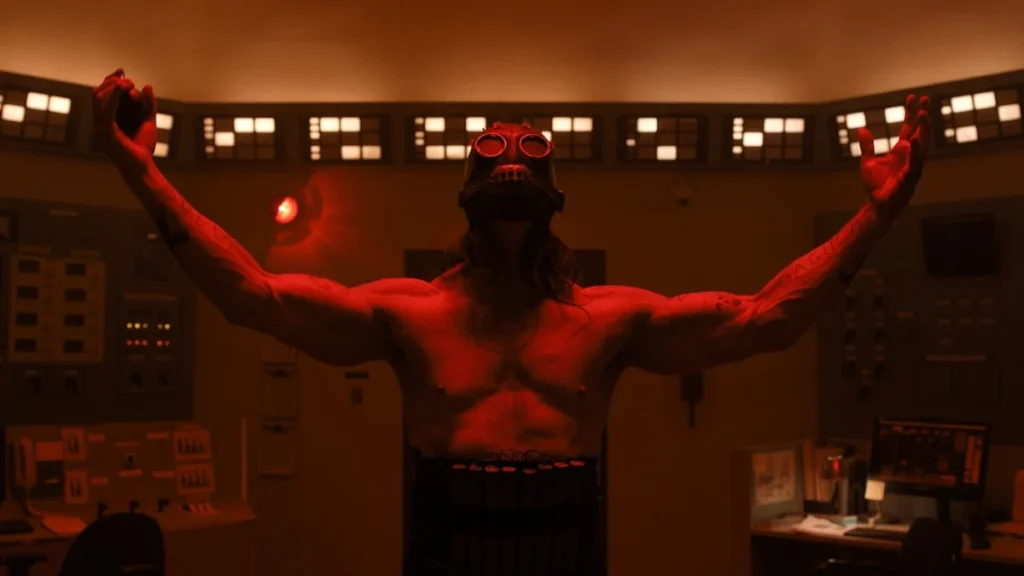
As the narrative progresses, it becomes evident that the facility serves as a clandestine laboratory for unethical human experimentation. Weaver is subjected to a series of forced medical interventions and isolation protocols. The core of the tension lies in the revelation that his captors are not interested in a cure, but rather in the systematic monitoring of his physical degradation. As his body begins to undergo a grotesque, forced mutation, the urgency of his situation shifts from simple survival to a desperate race against an impending, inhuman transformation. The deeper Weaver probes into the bowels of the facility, the more he uncovers evidence of a sinister agenda—one that suggests the pharmaceutical entity is developing something far more catastrophic than the disease they claim to be treating.
Production Team and Creative Direction
The film is directed by Adam Cooper, a filmmaker whose previous work includes the thriller Sleeping Dogs. Cooper’s vision for The Cell is bolstered by a screenplay penned by Evan Turner, known for the horror-thriller Dear David, and Ben Zazove, whose writing credits include Sherlock Gnomes. The collaboration between this creative team signals an intent to balance fast-paced, visceral horror with a grounded, character-driven story.

The production is being managed by a robust consortium of industry professionals. Producers include Jason Tamasco, Zak Kristofek, and Keith Danko, representing Traction, alongside Greg Silverman and Grant Torre for Caravan Media Services. The project is further supported by Leigh Collier and Matthew Bierman. The executive producer roster is equally extensive, featuring Alastair Burlingham, Gary Raskin, Bjorn Hovland, Michael Rifkin, and Elizabeth A. Bell for Caravan. Arianne Fraser and Delphine Perrier of the Highland Film Group are spearheading worldwide sales at the American Film Market, indicating a significant commercial expectation for the film’s international performance.
Contextualizing the Creature Feature Genre
The genre of "shady pharmaceutical experimentation" has a long and storied history in cinema, often reflecting contemporary anxieties regarding biotechnology, corporate immunity, and the loss of bodily autonomy. By positioning The Cell within this framework, the filmmakers are tapping into a well-established audience appetite for stories that feature "contained" horror—a sub-genre characterized by a protagonist trapped in a single, hostile location.
The comparison to the Resident Evil franchise is notable. Much like the Umbrella Corporation’s role in that series, the antagonist in The Cell represents a faceless, profit-driven entity that views human life as collateral in the pursuit of evolutionary or military advancement. This trope resonates with modern audiences, as it mirrors real-world concerns about the lack of oversight in private medical research and the ethics of human clinical trials.
The Career Trajectory of Joel Kinnaman
Joel Kinnaman’s casting provides a significant anchor for the film. Since his breakout role in the Swedish crime film Easy Money, Kinnaman has cultivated an image of intensity and vulnerability. His performance as Rick Flag in The Suicide Squad demonstrated his ability to play a morally compromised but ultimately heroic figure, while his lead role in the 2014 RoboCop reboot showcased his capacity to carry a high-concept, effects-heavy project.
Despite the critical mixed bag that was the RoboCop remake, Kinnaman has consistently received praise for his physical performances and his commitment to the roles he inhabits. His transition into The Cell suggests a pivot toward more visceral, horror-adjacent work, which may allow him to showcase a wider range of physical acting as his character undergoes the mutations described in the script. The film represents a strategic choice for an actor looking to challenge the physical boundaries of his performance while maintaining his foothold in the thriller and action markets.
Industry Implications and Market Strategy
The decision to launch worldwide sales at the American Film Market (AFM) is a strategic move. AFM is the primary hub for independent film financing and distribution, and by introducing the project there, the producers are positioning the film as a high-value commodity for global distributors. The combination of a recognizable lead actor and a high-concept premise—the "contained thriller" model—is historically one of the most bankable formulas in the independent sector.

Furthermore, the involvement of Highland Film Group suggests that the film is being produced with a global audience in mind. These types of projects often rely on high-octane trailers and concept art to generate pre-sales, which in turn finance the production. The logistical complexity of a creature feature, particularly one requiring extensive practical or digital effects to render the protagonist’s mutation, requires a significant budget. The pedigree of the producers and the reputation of the sales agents suggest that this film is being positioned for a wide theatrical or premium streaming release.
Anticipated Impact on Horror Cinema
As audiences continue to shift toward "elevated" or conceptually heavy horror, The Cell appears to be aiming for a middle ground: the visceral, creature-focused thrills of 1980s and 90s practical horror, combined with the slick, high-tension storytelling of modern thrillers. If the film succeeds, it will likely serve as a blueprint for similar projects that rely on a central, singular threat to drive the plot forward.
The film’s success will ultimately hinge on the execution of the mutation sequences and the depth of the chemistry between the antagonist institution and the protagonist. The "Resident Evil" comparisons are inevitable, but the creative team must ensure that the film establishes its own unique visual identity to avoid becoming lost in the crowded landscape of corporate-conspiracy horror. With the backing of a major sales team and a proven lead actor, The Cell is poised to be a significant entry in the 2026/2027 horror slate, provided the production maintains its focus on the atmospheric and psychological components of its premise.
As production begins to ramp up, the industry will be watching to see how the special effects team handles the physical transformation of the lead character. In an era dominated by CGI, the use of practical effects or a hybrid approach could set the film apart, potentially elevating it from a standard genre thriller to a standout entry in the annals of body horror. For now, the project remains one of the most anticipated titles for fans of science-fiction horror, offering a blend of suspense and biological terror that continues to define the genre’s enduring appeal.