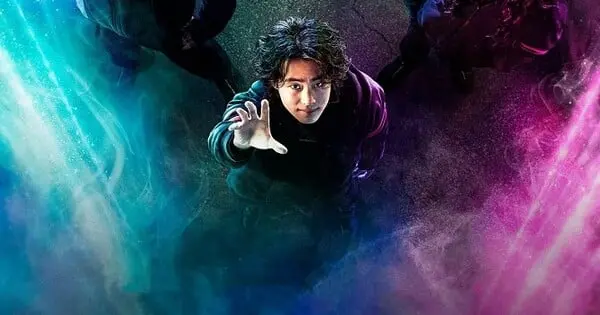
The South Korean fantasy thriller The Uncanny Counter returned for its second season, titled Counter Punch, continuing the narrative of a group of gifted individuals tasked with hunting down malevolent spirits that haunt the living. Based on the popular webtoon series by Jang Yi, the show has solidified its place as a cornerstone of the K-drama supernatural genre, blending high-stakes action with deep-seated emotional trauma. Produced by Studio Dragon and aired globally via Netflix, the second season expands the scope of the original premise, introducing more formidable adversaries and delving deeper into the psychological burdens carried by its protagonists.
Origin and Premise: The Anatomy of a Counter
The narrative centers on So Mun, portrayed by Jo Byeong-kyu, a young man whose life is irrevocably altered following a tragic automobile accident that claimed his parents’ lives and left him with a permanent physical disability. The premise hinges on his recruitment into a clandestine group known as "Counters." These individuals are not traditional superheroes; they are conduits for spirits from the afterlife (Yung) who grant them enhanced physical capabilities and the duty to capture evil spirits that have escaped into the human realm.
These spirits inhabit the bodies of humans who have committed heinous acts, feeding on the darkness and pain of their hosts. The Counters operate under the guise of employees at a local noodle shop, a setting that provides both a tactical base of operations and a grounding element for the ensemble cast. The team includes Chu Mae Ok (Yeom Hye Ran), a healer; Do Ha-na (Kim Se-jeong), a sensory specialist with the ability to read memories; and Ga Mo-tak (Yu Jun-sang), a former police detective. Together, they navigate the complexities of their dual existence, balancing the mundane responsibilities of their cover identities with the volatile, high-stakes nature of spiritual warfare.
Season Two: Escalating Stakes and New Adversaries
While the first season established the mechanics of the spirit-hunting world and the internal dynamics of the team, the second season shifts the tone toward a darker, more visceral conflict. The central narrative arc revolves around the emergence of Level 3 evil spirits—entities of unprecedented power that have systematically eliminated a team of Counters based in China.
This new threat is spearheaded by Pil-gwang, an antagonist whose goal is the total eradication of the Counters and the destabilization of the spiritual infrastructure of the afterlife. The introduction of these antagonists creates a significant shift in the power dynamic of the series. Unlike the antagonists of the first season, who were often defined by their proximity to political or social corruption, the villains in Counter Punch represent a more primal, nihilistic threat. Their methodology involves not just physical violence, but a strategic campaign to erode the psychological foundations of the Counters, weakening their connection to their partners in Yung.
Chronological Development and Character Arcs
The progression of the second season is marked by the individual struggles of the lead characters to reclaim their agency. As the connection to their spiritual partners weakens, each Counter is forced to confront unresolved trauma.
- Chu Mae Ok: The healer of the group is compelled to reconcile with the loss of a significant figure from her past, a narrative thread that serves to humanize the administrative and often rigid structure of the afterlife.
- Do Ha-na: Her arc involves a painful confrontation with a figure from her formative years, forcing her to process buried emotions that have dictated her stoic demeanor.
- Ga Mo-tak: As an ex-police officer, Mo-tak’s narrative is inextricably linked to the unresolved mystery surrounding his own death and the systemic corruption that led to the demise of So Mun’s parents. Solving this case serves as a thematic bridge between the series’ two seasons.
The resolution of these arcs is essential to the climax of the season. Only by confronting their personal histories are the Counters able to restore their spiritual efficacy and provide So Mun with the necessary support to face Pil-gwang. This culminates in a final confrontation that mirrors the source material, providing a sense of narrative closure that was previously absent from the show’s adaptation history.
Comparative Analysis: Tone and Violence
A significant point of divergence between the first and second seasons is the shift in atmospheric tone. Critics and viewers have noted that the second season adopts a more brutal approach to its conflict. The inclusion of extended sequences detailing the actions of Pil-gwang and his associates—Gelly and Wong Yeok—has been highlighted as a departure from the more grounded, character-focused storytelling of the debut season.
The reliance on scenes of prolonged torture and antagonist gloating has sparked discourse regarding the pacing and tone of the show. While the action choreography remains a highlight of the production, the shift toward graphic, repetitive depictions of cruelty has been analyzed as a deliberate move to heighten the sense of vulnerability for the heroes. This creates a narrative environment where the Counters are frequently under-supported by their spiritual superiors, who often prioritize the strict adherence to bureaucratic "rules" over the physical well-being of the field agents.
Production and Performance
The success of the series continues to be anchored by the performances of its lead ensemble. The addition of Jin Sun-kyu, who portrays Ma Ju Seok, has been widely lauded. His transition from an empathetic, grieving civilian into a vessel for a psychopathic spirit represents one of the season’s most compelling character studies. His performance serves as a tragic foil to the Counters, highlighting the thin line between a victim of circumstance and a purveyor of evil.
The production value, specifically regarding the visual effects used to render the spiritual space, remains consistent with the high standards set by the inaugural season. The "territory"—a manifestation of spiritual energy that empowers the Counters—remains a core element of the show’s visual identity, providing a distinct aesthetic that sets it apart from other contemporary K-dramas.
Broader Implications and Legacy
The Uncanny Counter serves as an example of the evolving landscape of Korean media, where local webtoons are increasingly being leveraged as high-budget, internationally distributed television properties. The show’s ability to weave social commentary—ranging from school bullying and political corruption to the psychological impact of trauma—into a supernatural framework has ensured its relevance to a broad demographic.
The second season’s focus on the "team" aspect of the narrative underscores a fundamental truth in serialized storytelling: the strength of a series lies in the interpersonal relationships of its characters. By emphasizing the moments of pathos, forgiveness, and renewal, the writers have ensured that despite the darker turn in the plot, the series maintains its emotional core.
Conclusion
While Season Two of The Uncanny Counter may have diverged from the lighter, more rhythmic pacing of its predecessor, it has successfully expanded the lore of the universe while challenging its protagonists in new and significant ways. The series continues to balance the demands of the action genre with a character-driven narrative, ensuring that its blend of supernatural thrills and human-centric drama remains a staple of the current television landscape. As the show moves forward, it leaves behind a blueprint for how to adapt serialized comic media into long-form television, emphasizing that even in a world of spirits and monsters, the most powerful tool remains the connection between allies.