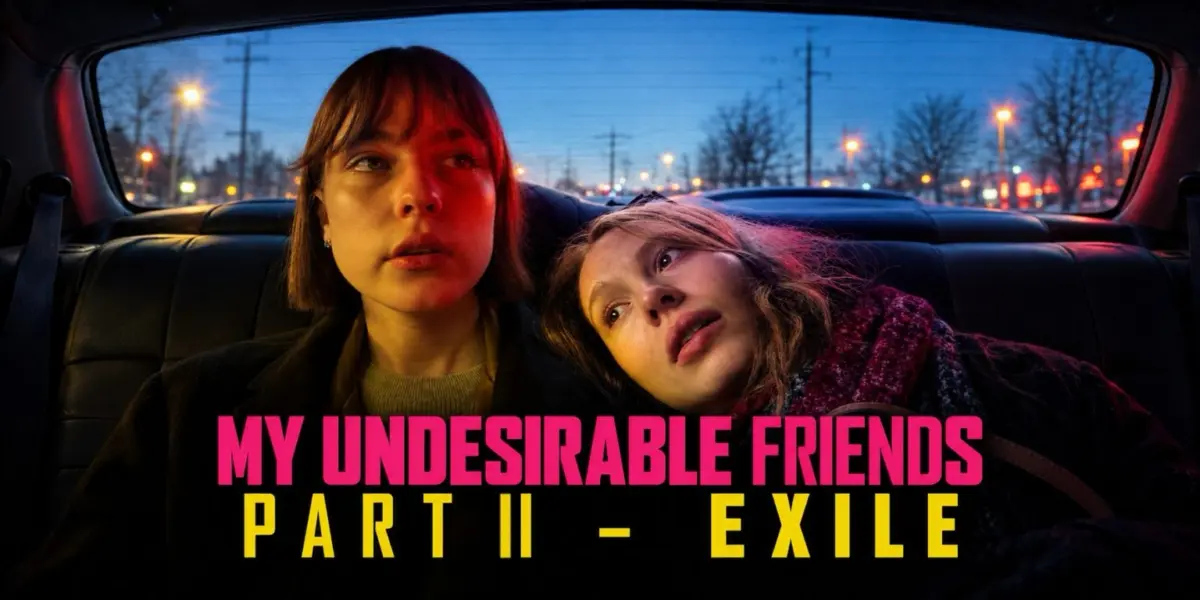
American documentary filmmaker Julia Loktev has returned to the global cinematic landscape with her ambitious, monumental 355-minute feature, My Undesirable Friends: Part II — Exile. Serving as the direct sequel to her acclaimed 2024 documentary, My Undesirable Friends: Part I — Last Air in Moscow, the new film chronicles the harrowing, deeply personal journeys of several independent Russian journalists forced to flee their homeland. Following an intensified government crackdown on free speech and independent media outlets under the administration of Vladimir Putin, these reporters found themselves displaced across various international borders.
The documentary celebrated its world premiere out of competition at the prestigious 83rd Venice International Film Festival, where it garnered positive reviews from international critics who praised its sweeping scope, journalistic rigor, and intimate human portraiture. Following its festival run, distribution powerhouse MUBI has slated the film for a high-profile theatrical release in New York City at the historic Film Forum, opening on October 9th. In anticipation of the theatrical rollout, Loktev sat down for an extensive interview with the Next Best Picture Podcast to discuss the grueling production process, the safety risks involved in documenting exiled dissidents, and the logistical challenges of shaping a massive, nearly six-hour epic.
Background and Context: The Collapse of Independent Journalism in Russia
The genesis of Loktev’s two-part documentary project lies in the steady, systematic erosion of press freedom in the Russian Federation over the past decade, which reached an unprecedented breaking point following the full-scale invasion of Ukraine in February 2022. For years, independent journalists, broadcasters, and investigative reporters operated under increasingly restrictive legislation, including the notorious "foreign agent" laws and sweeping censorship directives issued by Roskomnadzor, the federal media oversight agency.
However, the weeks immediately following the military escalation in Ukraine marked a definitive death knell for remaining independent media institutions. Historic organizations such as Ekho Moskvy (Echo of Moscow) and TV Rain (Dozhd), alongside independent investigative outlets like Novaya Gazeta, faced immediate shutdowns, website blocking, and aggressive state intimidation. Journalists who refused to parrot state-sanctioned narratives faced immediate threats of criminal prosecution, arbitrary detention, and long prison sentences under newly enacted wartime censorship laws that criminalized calling the conflict a "war."
Faced with the stark choice between imprisonment and exile, hundreds of Russian media workers packed what they could carry and fled across land borders into neighboring Georgia, Armenia, the Baltic states, and further into Western Europe. It is this diaspora of conscience that forms the narrative and emotional backbone of My Undesirable Friends: Part II — Exile. Loktev’s camera captures not only the physical displacement of these reporters but also the psychological toll of uprooting one’s life, leaving behind families, and attempting to continue reporting on a homeland that has labeled them enemies of the state.
Production Timeline and Evolution of a Masterpiece
The production of Loktev’s epic two-part project represents a multi-year journalistic and cinematic endeavor. Part I, Last Air in Moscow, focused on the tense final months of independent broadcasting inside the Russian capital, capturing the palpable dread, defiance, and eventual shutdown of newsrooms as the walls closed in. As the subjects of her documentary were forced to scatter across the globe, Loktev’s lens naturally transitioned from the domestic struggle for survival to the fragmented, transnational reality of exile.
Spanning an astonishing 355 minutes, Part II required an extraordinary editing process to synthesize hundreds of hours of footage collected across multiple continents. Loktev followed her subjects into their makeshift foreign offices, cramped apartments, and temporary shelters as they attempted to rebuild their journalistic platforms from abroad—often broadcasting via YouTube and encrypted messaging apps to audiences still trapped behind the digital iron curtain of Russia’s sovereign internet infrastructure.
The world premiere at the 83rd Venice International Film Festival placed the sprawling documentary on the radar of international cinephiles and human rights advocates alike. Despite its daunting runtime—comparable to the lengths of major narrative masterworks rather than standard documentary fare—critics noted that the film’s pacing maintains a gripping, novelistic intensity, allowing viewers to fully immerse themselves in the daily indignities, bureaucratic nightmares, and resilient camaraderie of the displaced press corps.

Theatrical Release and Distribution Strategy
The commercial and cultural distribution of a 355-minute documentary about political exile is a rare feat in the modern film industry. MUBI, known for its curated approach to global cinema and auteur-driven releases, recognized the profound historical and artistic value of Loktev’s work. By securing the distribution rights, MUBI is positioning the film not merely as a niche political documentary, but as an essential cinematic event of the 2026 film calendar.
The theatrical run is scheduled to commence in New York City at the Film Forum on October 9th. Given the specialized runtime, exhibition strategies are expected to accommodate the epic scope of the film, offering audiences an immersive theatrical experience. Industry analysts point out that the release comes at a critical geopolitical juncture, ensuring that Western audiences are forced to confront the human cost of authoritarianism and the vital importance of transnational journalism.
Insights from the Director: The Next Best Picture Podcast Interview
During her appearance on the Next Best Picture Podcast, Loktev offered profound behind-the-scenes insights into the making of Exile. Speaking with the podcast host, the director detailed the logistical nightmares of tracking a decentralized network of exiled journalists who were constantly moving to avoid surveillance, harassment, and shifting visa restrictions.
Loktev emphasized that the film is not just a chronicle of political repression, but a testament to friendship, professional solidarity, and the stubborn refusal to be silenced. She discussed the ethical responsibilities of a documentary filmmaker embedded within vulnerable communities, where the safety of her subjects always remained paramount. The conversation also touched upon the editing suite challenges—how to distill a massive, unfolding historical tragedy into a coherent narrative arc without losing the granular, day-to-day realities of exile life.
The full interview, available for streaming and download via the Next Best Picture Podcast feed, provides listeners with a masterclass in documentary filmmaking ethics, political tenacity, and artistic vision.
Broader Implications and Historical Significance
My Undesirable Friends: Part II — Exile arrives at a time when democratic norms and free press protections face severe headwinds globally. By documenting the dismantling of Russia’s independent media ecosystem and the subsequent diaspora of its journalists, Loktev has created an invaluable historical archive.
The film underscores a broader structural reality of the 21st century: the weaponization of borders, digital surveillance, and transnational repression by authoritarian states. Even in exile, Russian journalists face ongoing threats, ranging from cyberattacks and physical harassment to the constant anxiety of living in legal limbo with precarious residency statuses. Yet, as Loktev’s documentary powerfully illustrates, these exiled reporters continue to beam news, analysis, and truth back into Russia, proving that while printing presses can be smashed and offices shuttered, the impulse for independent inquiry cannot be easily legislated out of existence.
As audiences prepare for the film’s October 9th debut at Film Forum, My Undesirable Friends: Part II — Exile stands as both a monumental artistic achievement and a sobering reminder of the high price paid by those who refuse to compromise their integrity in the face of tyranny.