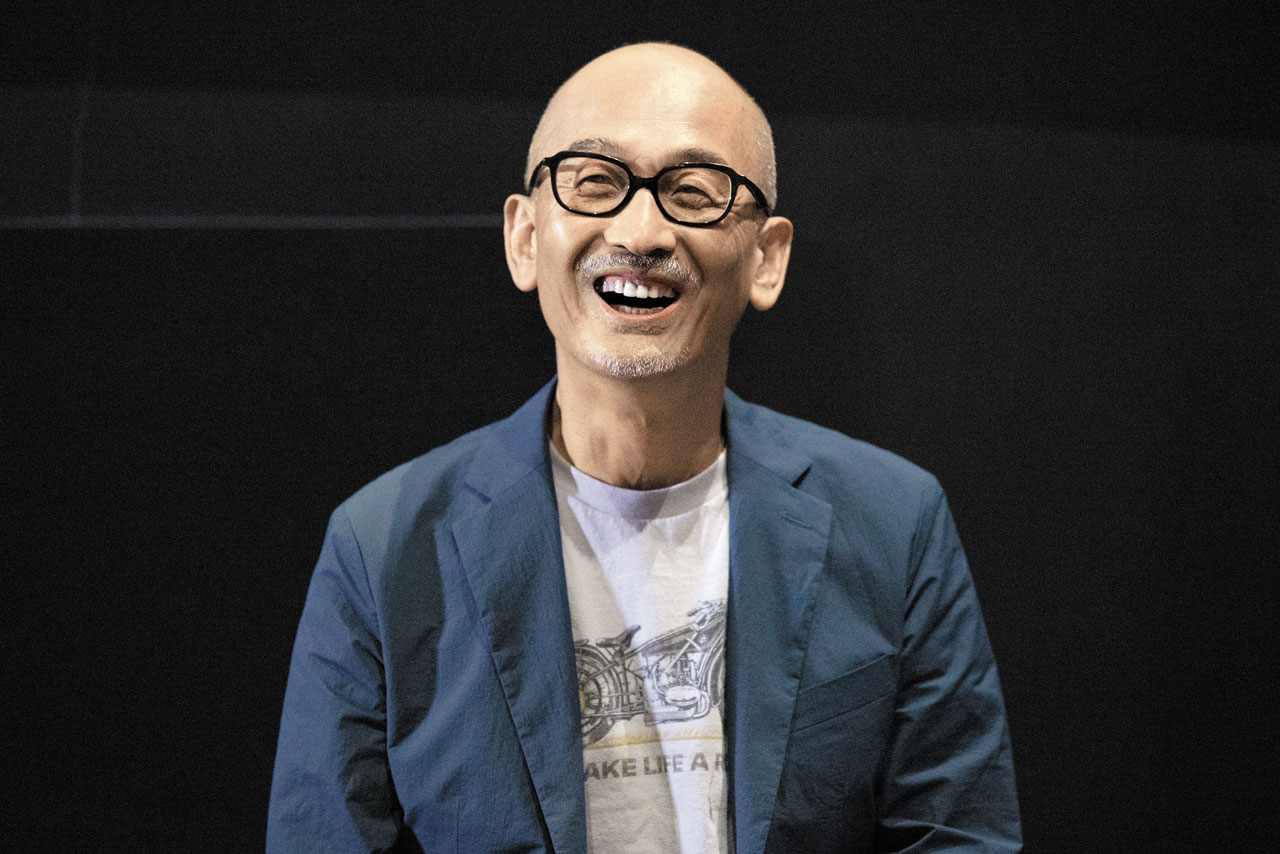
Lee Joon-ik has long been recognized as a formidable force in contemporary South Korean cinema, a director who masterfully balances commercial appeal with profound artistic integrity. His diverse filmography, which includes seminal works like The King and the Clown, Radio Star, Hope, The Throne, Dongju: The Portrait of a Poet, and The Book of Fish, consistently demonstrates an ability to resonate with wide audiences while challenging conventional storytelling. While his thematic explorations span comedy, music, queer cinema, and contemporary drama, Lee Joon-ik’s name has become particularly synonymous with the historical genre, a domain he has approached with a refreshingly unconventional perspective that sets him apart from many of his contemporaries.
A Human-Centric Approach to History
Lee Joon-ik’s engagement with historical narratives deviates significantly from the grand, often nationalistic, depictions prevalent in much of Korean cinema. Instead of glorifying national triumphs, heroic sacrifices, or intricate political power struggles, Lee consistently directs his lens towards the individual. His period films frequently center on protagonists who find themselves entangled within systems far larger and more imposing than themselves, whether these are absolute monarchies, oppressive colonial administrations, rigid class structures, entrenched family hierarchies, or societal expectations. Even when his subjects are well-known historical figures, Lee’s interest lies not in transforming them into idealized monuments, but in meticulously exploring their vulnerabilities, complex emotions, and intricate personal relationships. This humanistic focus provides a nuanced and often more relatable entry point into historical events, inviting audiences to ponder the personal cost and emotional landscape of the past.
A potent anti-war sentiment frequently underpins much of his historical work. In films such as Once Upon a Time in a Battlefield (2003) and its 2007 sequel, Battlefield Heroes, the suffering wrought by conflict is not attributed to the strategic failures or successes of kings, generals, or politicians. Instead, it is the ordinary soldiers and innocent civilians, caught in the brutal crossfire of competing powers, who bear the true burden. These comedies, while lighthearted in tone, deliver a sharp critique of the futility and human cost of war. Similarly, in Anarchist from Colony (2017), Lee largely eschews the nationalist fervor that often characterizes narratives about resistance against the Japanese occupation. The film instead delves into the profound personal convictions and extraordinary relationship between the Korean anarchist Park Yeol and his Japanese partner, Kaneko Fumiko, emphasizing their shared ideology and defiant spirit over any singular nationalistic agenda.
Lee also consistently challenges popular, often romanticized, interpretations of Korean history. Once Upon a Time in a Battlefield, for instance, directly confronts the legend of General Gyebaek’s decision to kill his own family before battle. Rather than presenting this as an act of noble sacrifice, Lee recontextualizes it as a product of the general’s arrogance and authoritarian tendencies. Concurrently, the collapse of the ancient Baekje kingdom is not attributed to folkloric tales of King Uija and thousands of palace women, but rather to a more grounded analysis of political missteps, pervasive corruption, and debilitating divisions within the ruling classes. In a similar vein, The Throne (2015) moves beyond simplistic portrayals of King Yeongjo and Crown Prince Sado. Instead, it presents both men as profoundly complex individuals, trapped and ultimately destroyed by the unforgiving institution of the Joseon monarchy and the suffocating expectations it imposed. This revisionist approach offers a refreshing departure from didactic historical dramas, encouraging critical engagement with established narratives.
From Humble Beginnings to Cinematic Stardom
Lee Joon-ik’s path to becoming a celebrated director was far from linear or immediate. Born in 1961, his initial academic pursuits led him to study Oriental painting at Sejong University. However, his professional journey quickly diverged, taking him into the fields of magazine design and advertising before he eventually found his calling in the burgeoning South Korean movie industry. For several years, he honed his business acumen by running a marketing company specializing in film poster design and other promotional endeavors, gaining invaluable insight into the commercial aspects of filmmaking.

His directorial debut arrived in 1993 with Kid Cop, a family-oriented action-comedy. Despite its genre appeal, the film failed to connect with audiences upon its theatrical release, attracting fewer than 50,000 viewers in Seoul. While Kid Cop later garnered a cult following through home video releases, its initial commercial failure prompted Lee to pivot towards producing, importing, and distributing films, a move that would inadvertently equip him with a broader understanding of the industry’s ecosystem.
During this period as a producer, Lee contributed to a variety of projects, including The Spy (1999), Anarchists (2000), and Ghost Taxi (2000). A significant turning point came with Hi! Dharma! (2001), a comedy about gangsters and monks that became a major commercial success, drawing approximately 3.7 million viewers nationwide. This success provided Lee with the financial stability and industry confidence to make a long-awaited return to the director’s chair. After a decade-long hiatus, he made his directorial comeback with Once Upon a Time in a Battlefield in 2003. This historical comedy, with its irreverent take on ancient Korean warfare, attracted around 2.78 million admissions, laying the groundwork for the cinematic phenomenon that would not only transform his career but also reshape the landscape of the South Korean box office.
The King and the Clown (2005): A Cultural Phenomenon
The King and the Clown stands as a monumental achievement in Lee Joon-ik’s career and a watershed moment for Korean cinema. Released in 2005, this historical drama became one of the highest-grossing domestic films in South Korea’s history, holding the record for the most commercially successful Korean production until it was surpassed by Bong Joon-ho’s The Host a few months later. This achievement was particularly remarkable given its relatively modest budget and the absence of established A-list stars, as well as its tackling of a then-controversial subject involving queer themes within a historical setting. Adapted from the stage play "Yi," the film captivated over 12 million viewers and garnered critical acclaim, including the coveted Grand Prize in the film category at the Baeksang Arts Awards.
Set in fifteenth-century Joseon, the narrative follows Jang-saeng and the effeminate Gong-gil, members of a troupe of street performers specializing in bawdy sketches and acrobatic routines. Gong-gil’s exploitation by the troupe leader fuels Jang-saeng’s protective fury, leading to an incident that forces the two to flee to the capital. There, they join another group and begin staging satirical performances mocking the tyrannical King Yeonsan and the intrigues of the Royal Palace. News of their audacious acts eventually reaches the cruel monarch, who summons the troupe and becomes disturbingly fascinated by Gong-gil.
Lee Joon-ik masterfully crafts a visually stunning world of vibrant beauty and complex affection. While themes of homosexuality subtly permeate the narrative, the film’s strength lies in its refusal to explicitly define the nature of Jang-saeng’s feelings for Gong-gil. This ambiguity allows the emotional core of the characters’ relationships to resonate without being confined by labels, contributing to the film’s timeless appeal. The performances are universally praised: Kam Woo-sung delivers an excellent portrayal of the steadfast Jang-saeng, Lee Joon-gi breathes captivating life into the ethereal Gong-gil, and Jung Jin-young commands the screen as the volatile King Yeonsan. Cinematographer Ji Kil-woong’s exquisite capture of the grand sets and colorful costumes, complemented by Lee Byung-woo’s evocative score, elevates the street performances and palace dramas to operatic heights, cementing its status as a classic.
Diversifying Narratives: From Music to Trauma
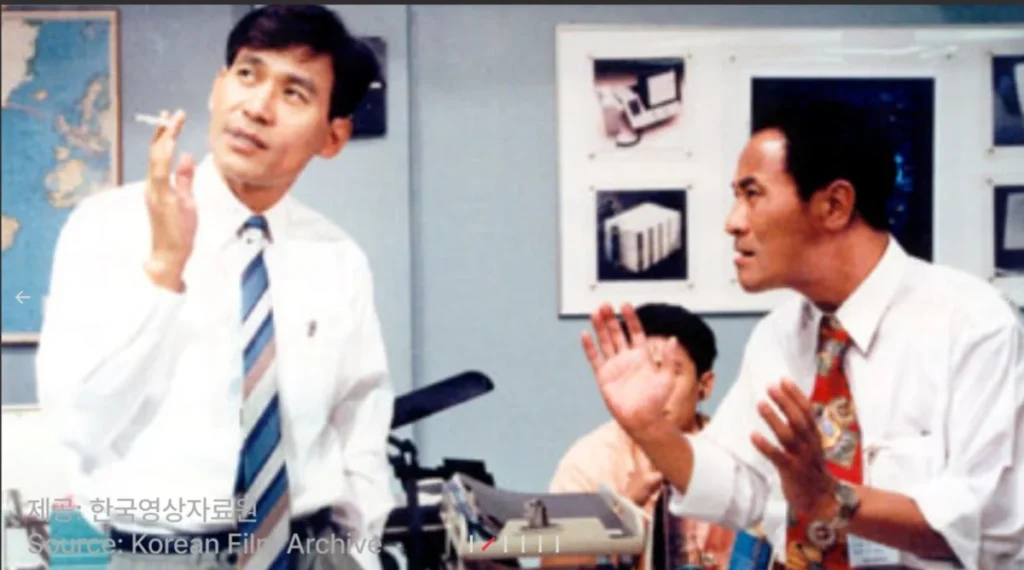
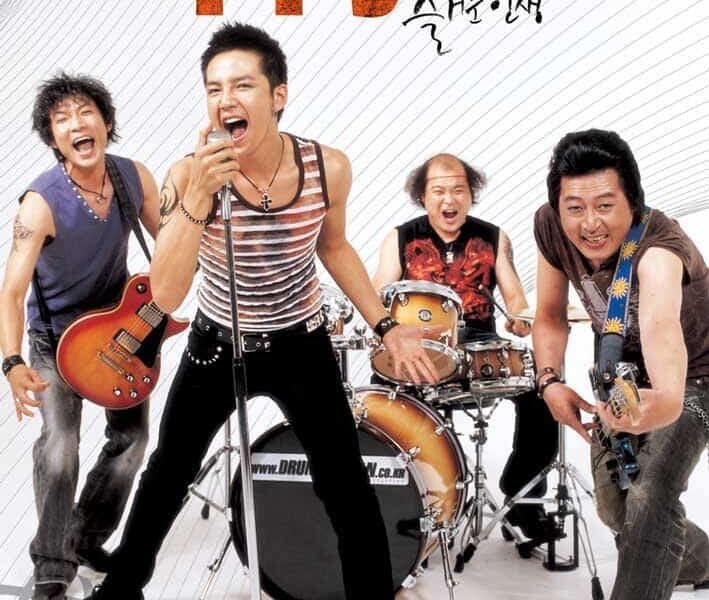
Following the immense success of The King and the Clown and the critically acclaimed Radio Star (2006), Lee Joon-ik continued his exploration of music as a vehicle for emotional expression with The Happy Life (2007). This film formed part of an informal trilogy where music serves as a crucial outlet for characters to articulate emotions they struggle to communicate otherwise. Featuring a powerhouse cast including Jung Jin-young, Kim Yoon-seok, and Kim Sang-ho, the film was destined to be an entertaining and poignant exploration of middle-aged life, a prediction it utterly fulfilled.

The story centers on Gi-yeong, an unemployed man burdened by unsuccessful investments and financial dependence on his wife. The death of Sang-woo, the leader of his university band, prompts a drunken reunion at the funeral, inspiring Gi-yeong to reform their old band, Active Volcano. Former bass player Seong-wook juggles two jobs to meet his family’s financial demands, while drummer Hyeok-su struggles to fund his wife and children’s life in the United States. Gi-yeong’s relentless persuasion eventually reunites them, and with the addition of Hyun-joon, the son of their deceased singer, they finally form a band worthy of their youthful dreams. Lee Joon-ik’s significant achievement here lies in seamlessly blending comedy, drama, and social commentary with themes of nostalgia and male bonding, all underscored by an almost omnipresent rock music soundtrack that sets the film’s vibrant tone. The Happy Life offers a convincingly grounded portrayal of middle-aged struggles, skillfully avoiding excessive melodrama and the clichés of the conventional underdog narrative.
After a brief hiatus following Battlefield Heroes (2011), Lee Joon-ik returned with Hope (2013), marking a significant shift in his thematic focus towards contemporary social issues. The screenplay, inspired by the real-life case of an eight-year-old girl brutally assaulted by an intoxicated adult, earned Best Film at the 34th Blue Dragon Film Awards. Instead of delving into the sensationalism of a revenge thriller or the procedural details of a courtroom drama, Lee chose to concentrate on the child’s arduous recovery and her family’s profound efforts to rebuild a life irrevocably altered by trauma.
The narrative begins with an ordinary family operating a grocery store in a small town, named after their cheerful and independent daughter, So-won (whose name means "hope"). Due to her parents’ (played by Sol Kyung-gu and Uhm Ji-won) demanding work schedules, So-won is often left to her own devices. One morning, on her way to school, she is attacked by a drunken man. Rushed to the hospital, her parents are left to grapple with her immense physical and emotional suffering, alongside the daunting legal battle for justice. Hope is undoubtedly a challenging watch due to its grim subject matter, but Lee approaches the material with remarkable sensitivity, avoiding gratuitous graphic imagery and maintaining utmost respect for So-won during her most vulnerable moments. Despite the overwhelming sadness, Lee masterfully interweaves moments of warmth and joy, providing the audience with necessary emotional respite. Lee Re delivers an unforgettable performance as So-won, while Sol Kyung-gu gives one of his career’s finest turns as a father struggling to reconnect with a child now terrified of men. The film’s gentle pacing, coupled with a powerful screenplay by Kim Ji-hye and Jo Joong-hoon, builds tension precisely when needed, crafting a profound story of emotional healing and the unbreakable bonds of family.
Revisiting History with Depth and Nuance
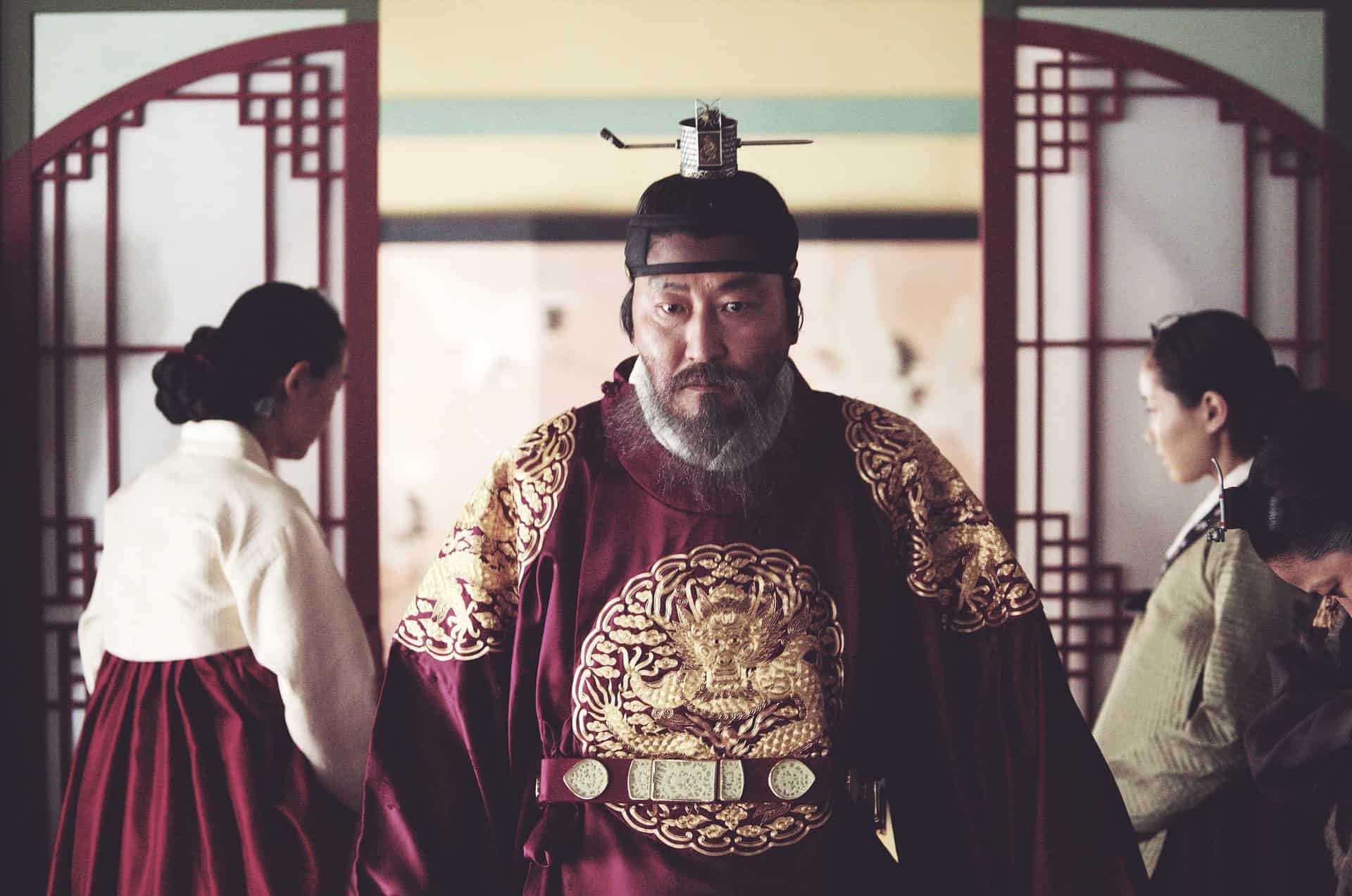
In 2015, Lee Joon-ik returned to the Joseon era with The Throne, a film selected as South Korea’s submission for Best Foreign Language Film at the 88th Academy Awards, though it did not receive a nomination. This grand production, featuring elaborate sets, meticulously detailed costumes, and a stellar cast led by Song Kang-ho and Yoo Ah-in, reaffirmed Lee’s profound connection to the historical genre. The film delves into one of the most tragic episodes in Korean royal history: the strained relationship between King Yeongjo and his son, Crown Prince Sado. Yeongjo, plagued by an inferiority complex due to his birth as the son of a royal concubine, relentlessly pursued perfection and demanded the same discipline from Sado. However, Sado displayed a greater passion for painting and archery than for the rigid duties of a future monarch. Their escalating conflict culminated in the king’s agonizing order for Sado to enter a wooden rice chest, where he perished after eight days.
Lee skillfully structures the narrative around three equally tragic pillars: Prince Sado’s tumultuous life, the agonizing father-son dynamic, and the incessant intrigues of the royal court. A pervasive tension permeates the entire film, while chronological shifts are rendered seamlessly comprehensible through the superb editing of Kim Jae-beom and Kim Sang-beom. Song Kang-ho embodies King Yeongjo with remarkable dignity, portraying a character perpetually consumed by anger and dissatisfaction, while Yoo Ah-in delivers a theatrical and emotionally charged performance as Sado. Their contrasting approaches create electrifying chemistry, particularly evident in the opening scene and the harrowing sequence where the king confronts his son inside the chest. The film’s lavish production values, from the costumes and makeup to the sets and scenery, underscore the crew’s exceptional skill, resulting in an audiovisual masterpiece elevated by its powerful acting and stunning production design.
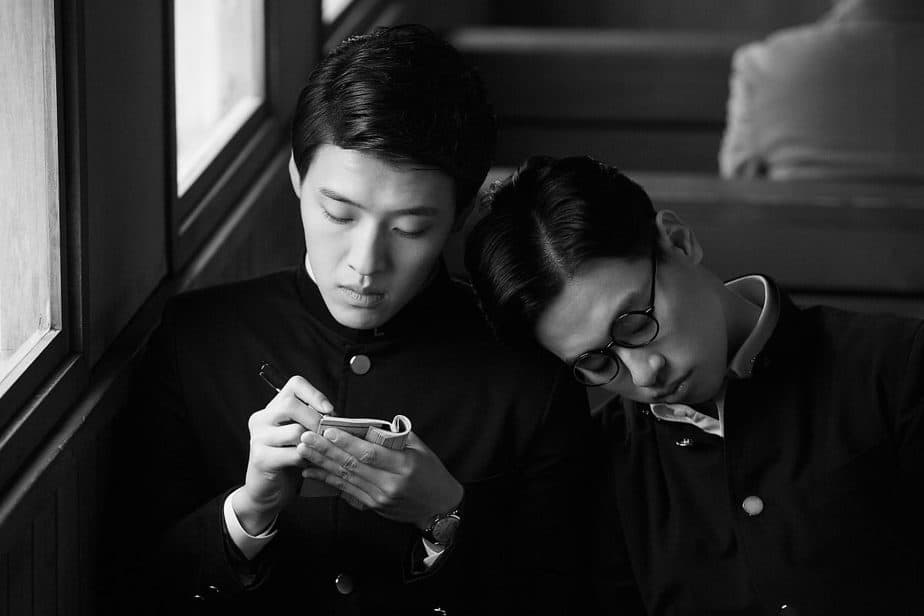
Following the large-scale grandeur of The Throne, Lee Joon-ik embarked on a much smaller, black-and-white project with Dongju: The Portrait of a Poet (2016). Despite its limited budget and lack of conventional spectacle, the film garnered both critical acclaim and commercial success, attracting approximately 1.17 million viewers. Its focus on poetry, profound friendship, and the oppressive reality of colonial rule demonstrated Lee’s remarkable ability to approach historical material with a sense of restraint and intimacy rather than relying on historical grandeur.
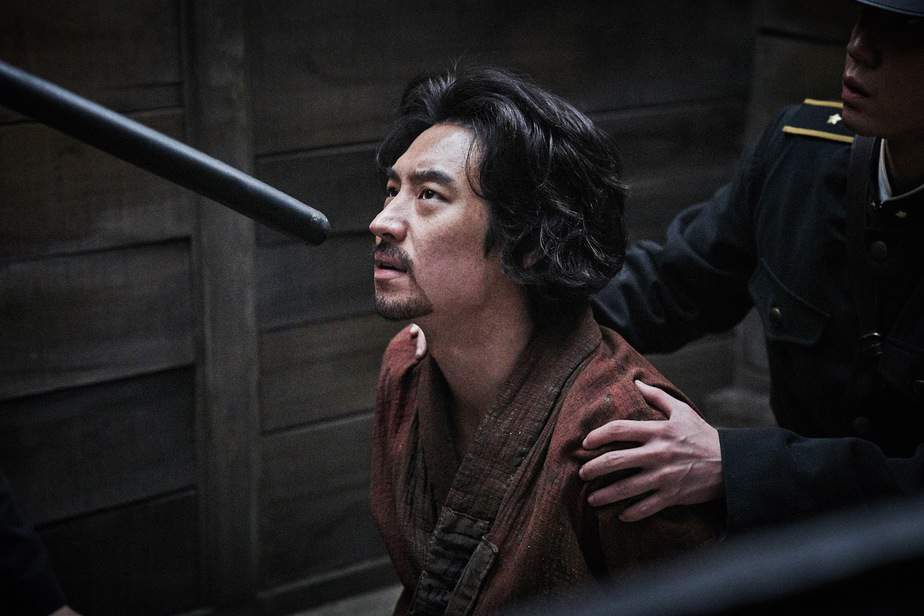
The film tells the poignant story of Yun Dong-ju, one of Korea’s most beloved poets, and his cousin and closest friend, Song Mong-gyu. During their university years, both aspire to be poets, but Song is recognized first and gradually becomes deeply involved in political activism against the Japanese occupation. The two later relocate to Japan, where Yun continues to write, and Song emerges as a leader in the resistance movement. The narrative skillfully frames their story, beginning and ending with both men imprisoned and subjected to brutal interrogation by the Japanese authorities. Lee directs a film that unfolds along two distinct axes: the harrowing interrogation of Yun Dong-ju, and flashbacks to the past events that led to their arrests. These two narrative strands mirror each other, with Yun’s powerful poems narrated alongside the corresponding historical moments, creating a profound synergy that is one of the film’s greatest achievements. Kang Ha-neul delivers a nuanced portrayal of Yun, a timid individual who relies heavily on his friend despite his own undeniable talent, while Park Jung-min embodies Song as a genuine force of nature. Their on-screen chemistry is exceptional, and Choi Yong-jin’s stark black-and-white cinematography lends a timeless beauty, perfectly complementing the film’s aesthetic. Dongju: The Portrait of a Poet is widely regarded as one of Lee Joon-ik’s finest achievements.
Lee Joon-ik continued his exploration of the Japanese occupation era with Anarchist from Colony (2017), based on the true story of Korean anarchist and independence activist Park Yeol. Starring Lee Je-hoon as Park and Choi Hee-seo as his Japanese partner Kaneko Fumiko, the film allowed Lee to address colonial oppression while deliberately sidestepping the overt nationalism often associated with stories of Korean independence fighters.
The story unfolds in Japan in 1923, where Park has established an anarchist group composed of both Koreans and Japanese. Kaneko is drawn to him through his radical writings and eventually joins the group, becoming his political comrade and lover. Their lives take a dramatic turn after the devastating Great Kanto Earthquake, when false rumors, actively encouraged by the Japanese government and press, lead to the massacre of thousands of Koreans. The Japanese authorities then attempt to use Park as a convenient scapegoat to deflect international criticism from the pogrom. Kaneko, demonstrating unwavering loyalty, insists on sharing his fate. However, neither is prepared to face interrogation and trial without a fierce fight for justice and ideological integrity. Lee employs a remarkably unusual and almost playful narrative style for such a grave subject, maintaining a "happy-go-lucky" tone through much of the film. This impressive approach persists even during the most dramatic moments, including the violence against Koreans, the interrogations, the trial, and the film’s resolution. The ironic theatricality in the performances of Lee Je-hoon and Choi Hee-seo perfectly complements this aesthetic. Park Sung-joo’s cinematography, Kim Jung-hoon’s editing, and a distinctive jazzy soundtrack further enhance the film’s unique blend of historical drama, noir, and comedy, resulting in a production that is both entertaining and politically incisive, without ever diminishing the gravity of the actual historical events.
Contemporary Reflections and Philosophical Depths
Lee Joon-ik returned to a contemporary setting with Sunset in My Hometown (2018), reuniting with Park Jung-min after their collaboration on Dongju: The Portrait of a Poet. This film continued the director’s enduring interest in music, with rap replacing the rock performances seen in Radio Star and The Happy Life. Here, the songs transcend mere entertainment, becoming potent expressions of the protagonist’s personal history, his deep-seated frustrations, and his unresolved relationship with his hometown.
Hak-soo, portrayed by Park Jung-min, has repeatedly failed to overcome the final hurdles in the television competition "Show Me the Money" for six consecutive years. After an emotional stumble while freestyling about his late mother, he receives a call informing him that his estranged father has suffered a stroke. He reluctantly returns to Buan, his hometown, only to discover that the call was made by his former classmate Seon-mi, played by Kim Go-eun. A wrongful arrest forces him to remain in town, where encounters with old friends, romantic interests, and lingering adversaries compel him to confront the past he desperately tried to leave behind. Sunset in My Hometown incorporates many familiar tropes associated with stories of urbanites returning to their rural origins. Lee and screenwriter Kim Se-gyeom seem to comment on the unchanging nature of small towns, where characters often remain ensnared in relationships formed during high school. Through these revisited connections, Hak-soo gradually relearns about his past and begins to find peace with his present self. The soundtrack, composed of his future rap lyrics, serves as a poignant narrative device, summarizing his journey and emotional state. While offering enjoyable music, effective comedy, and some engaging physical confrontations, the film’s reliance on familiar situations and occasional melodrama can make this particular "sunset" feel slightly clouded.
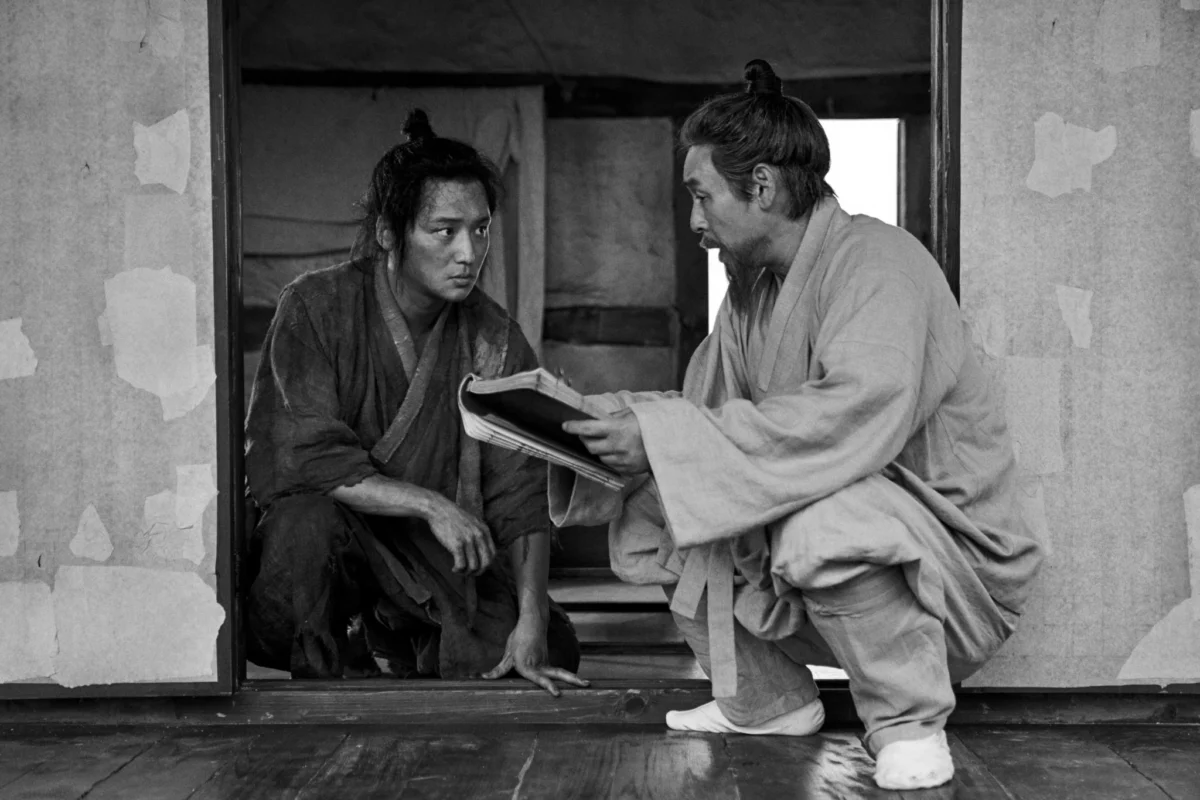
After the urban introspection of Sunset in My Hometown, Lee Joon-ik once again immersed himself in history with The Book of Fish (2021). This production shines a spotlight on Jeong Yak-jeon, the elder brother of the more renowned scholar Jeong Yak-yong. The film meticulously chronicles Yak-jeon’s process of compiling an encyclopedia of marine life while living in exile. Shot entirely in black and white, it masterfully blends biographical storytelling with profound inquiries into class dynamics, the pursuit of education, societal rank, religious belief, and the inherent limitations of Joseon’s Confucian society.
Following the death of King Jeongjo, the young King Sunjo ascends the throne, with the Queen Dowager assuming effective rule over Joseon. A brutal persecution of Catholics ensues, leading to the execution of Jeong Yak-jong and the exile of his brothers, including Yak-jeon, who is sent to the remote Black Mountain Island. There, he encounters Jang Chang-dae, an educated fisherman possessing extensive knowledge of marine flora and fauna, yet lacking the formal education and resources to advance his understanding. Although Chang-dae initially views the exiled scholar with suspicion, the two eventually realize they can mutually benefit, forging an unlikely teacher-student relationship. Lee Joon-ik’s choice of subject is particularly astute, as most storytellers would likely gravitate towards the more celebrated Jeong Yak-yong. Through Yak-jeon, Lee crafts a powerful narrative about class and social stratification, illuminating how profoundly these categories shaped careers and lives during the Joseon period. Sol Kyung-gu delivers a deeply immersive performance as Yak-jeon, while Byun Yo-han portrays Chang-dae as a determined man striving for self-improvement despite being repeatedly denied opportunities. However, The Book of Fish will undoubtedly be remembered for Lee Eui-tae’s breathtaking cinematography. The monochrome images of fog-covered mountains, waves crashing against the shore, and figures fishing evoke the serene beauty of traditional Chinese ink paintings. Visually unforgettable and impeccably acted, The Book of Fish stands as one of Lee Joon-ik’s strongest works, even if its final act occasionally struggles to maintain the consistent brilliance of its preceding segments.
People Before Institutions: Lee Joon-ik’s Enduring Legacy

Throughout a distinguished career spanning historical epics, vibrant musical comedies, poignant family dramas, and intimate biographies, Lee Joon-ik has consistently returned to a central theme: individuals whose identities clash with the societal roles imposed upon them. His memorable characters include clowns navigating the perilous royal court, middle-aged fathers striving to reclaim lost dreams, a traumatized child rebuilding trust, a prince destroyed by the weight of succession, poets bravely resisting cultural erasure under colonial rule, and scholars confronting the intellectual confines of their philosophical world.
Performance and artistic expression are frequently integral to this struggle for identity and autonomy. The clowns of The King and the Clown ingeniously use theatre to subvert political authority. The musicians of The Happy Life find catharsis and reclaim parts of themselves through the raw energy of rock music. Yun Dong-ju preserves his very essence through the power of poetry, Hak-soo confronts his past through the rhythmic narratives of rap, and Jeong Yak-jeon diligently records knowledge excluded from official historical accounts. For Lee Joon-ik, artistic creation is never merely a profession or a pastime; it is a vital means of resisting the identities and narratives imposed by an often-unforgiving society.
His historical productions are further distinguished by a profound skepticism towards nationalism, political authority, and heroic mythology. Kings, activists, poets, and scholars in his films remain complex, multi-faceted individuals whose contradictions are as crucial to their portrayal as their accomplishments. At the same time, Lee has demonstrated an extraordinary ability to weave these profound concerns into popular entertainment, seamlessly transitioning from broad comedy to intimate tragedy without ever abandoning his unwavering focus on the human beings inhabiting those diverse forms.
For Lee Joon-ik, history is far more than a mere chronology of battles, rulers, and pivotal events. It is a rich tapestry woven from the accumulation of relationships, difficult compromises, quiet humiliations, soaring aspirations, and individual acts of expression that official accounts frequently overlook. His cinema consistently looks beyond the grand monuments and national myths to uncover the authentic human beings concealed beneath, offering a deeply empathetic and critically insightful perspective on Korea’s past and present. His enduring legacy lies in his singular ability to humanize history, making it resonate with contemporary audiences and reminding us that at the heart of every grand narrative lies a profoundly human story.