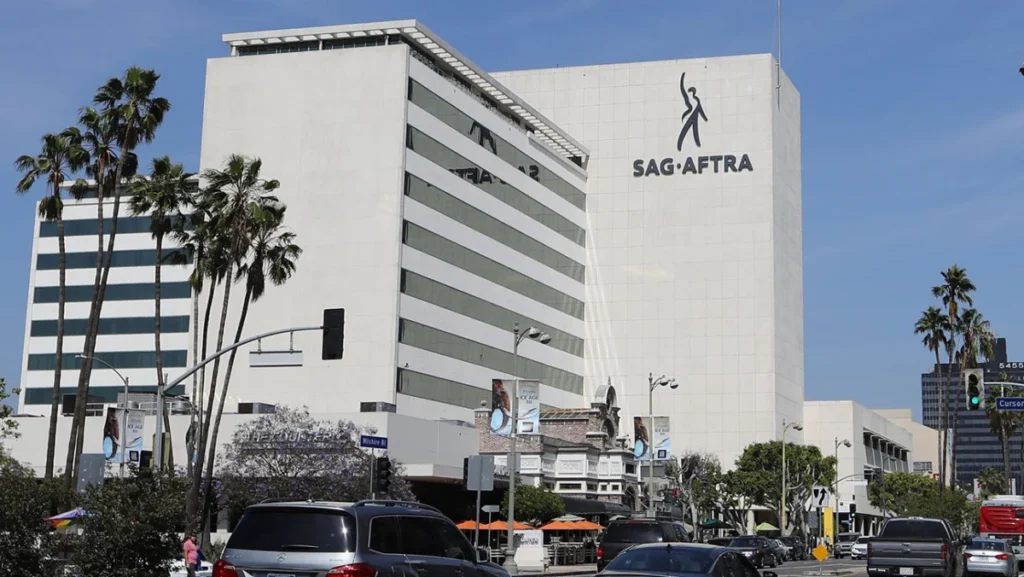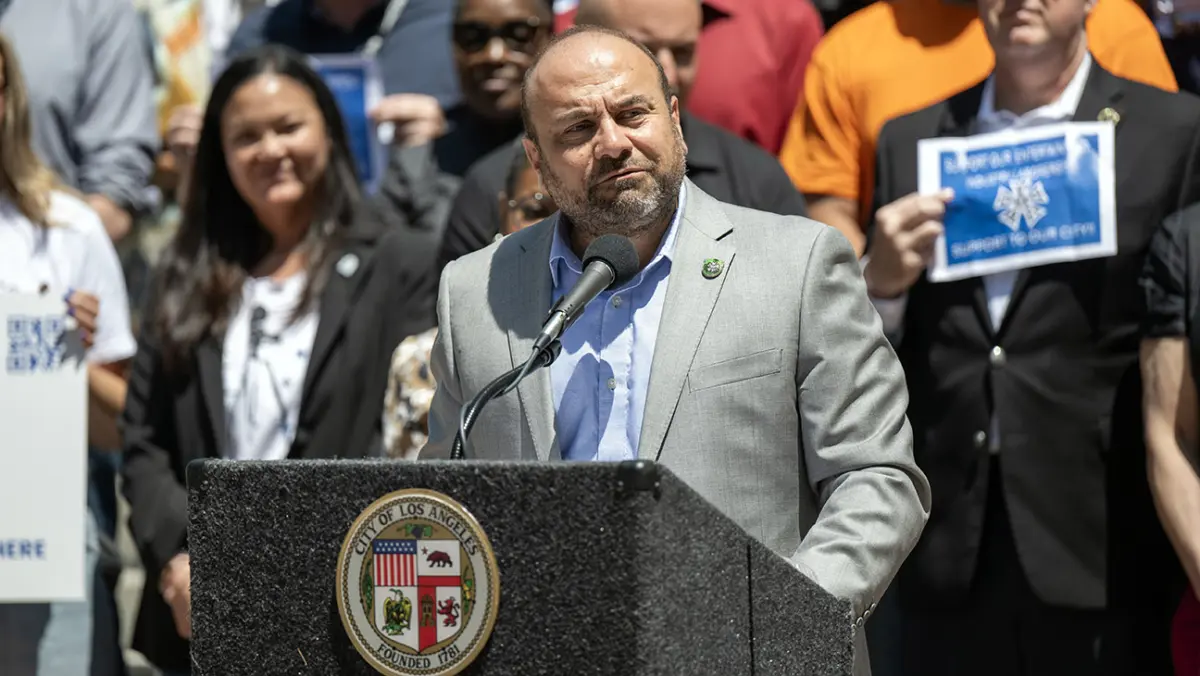
As the long-standing status of Los Angeles as the global epicenter of film and television production faces unprecedented headwinds, the Los Angeles City Council has taken decisive legislative action to reverse a troubling downward trend in local filming activity. During a pivotal session on Wednesday, council members approved two significant motions introduced by Councilmember Adrin Nazarian, designed to alleviate the financial and bureaucratic burdens currently weighing on the industry. These initiatives, which represent the final components of the city’s Phase 1 "Keep Hollywood Home" campaign, seek to lower the barrier to entry for small-scale productions and provide cost-effective solutions for larger projects utilizing city infrastructure.
The Legislative Response to Industry Contraction
The first measure approved by the Council establishes a free microshoot permit specifically tailored for ultra-small productions. Under this new framework, projects employing 10 or fewer personnel will be exempt from traditional permitting fees. This change is explicitly targeted at student filmmakers, independent documentary crews, and ultra-low-budget creative teams—groups that have historically struggled to navigate the complex and costly permitting landscape of a major metropolis. By eliminating these fees, the city aims to foster a more accessible creative environment, ensuring that the next generation of storytellers can continue to develop their craft within the city limits.
The second measure addresses the logistical demands of larger productions by opening up city-owned assets, including parking lots, maintenance yards, civic properties, and designated staging areas, for a nominal fee of $1 per day. This initiative is designed to provide production companies with affordable, accessible locations for essential support functions, such as base camps, equipment storage, and crew parking. By repurposing underutilized public space, the city hopes to reduce the overhead costs that have historically driven production companies to seek more economical alternatives in other states or countries.
Chronology of Declining Production Levels
The urgency behind these measures is underscored by recent data provided by FilmLA, the nonprofit organization tasked with coordinating film permits for the City and County of Los Angeles. According to the most recent quarterly report, production activity in the region has remained in a state of consistent decline. Between June and September, the number of shoot days—a key metric for measuring industry health—continued to fall.
The data reveals a stark reality: shoot days dropped by nearly 5% compared to the same period in 2025 and suffered an 11% decline from the previous quarter. This downward trajectory persists despite a series of aggressive policy interventions implemented at both the state and municipal levels over the past eighteen months.
The current crisis follows a period of significant volatility for the industry. The 2023 labor strikes, which halted production for several months, created a ripple effect that the industry is still struggling to overcome. As the industry attempted to recover in 2024 and 2025, it faced a rapidly changing global market, increased competition from tax-incentive-heavy jurisdictions like Georgia and New Mexico, and a contraction in spending by major streaming platforms.
Strategic Policy Interventions: A Timeline
The city’s efforts to stop "runaway production" have been multi-faceted. The following timeline highlights the strategic policy shifts enacted by leadership in response to the industry’s stagnation:
- 2023: The film industry experiences a historic work stoppage, resulting in a dramatic, multi-month reduction in regional production activity and revenue.
- Early 2025: California lawmakers, acknowledging the competitive disadvantage, move to expand the state’s film and television tax credit program, more than doubling its annual funding from $330 million to $750 million.
- Mid-2025: Mayor Karen Bass issues a formal executive order mandating the streamlining of city permitting processes to remove unnecessary "red tape" and speed up the approval cycle for production crews.
- Late 2025: The City Council passes the first seven motions authored by Councilmember Adrin Nazarian, marking the beginning of a sustained legislative push to reform filming practices.
- Late 2026: The approval of the microshoot permit and the $1-a-day staging area policy completes the "Phase 1" legislative agenda of the Keep Hollywood Home campaign.
Official Reactions and Political Context
The passage of these measures was hailed as a critical victory by proponents of the local industry. Following the vote, Councilmember Nazarian emphasized the collaborative nature of the initiative. "Today marks a major milestone for the Keep Hollywood Home campaign," Nazarian said in a statement. "With these latest actions, all Phase 1 motions have now been approved by the City. This progress demonstrates the impact of the Ad Hoc Committee and our commitment to keep up the pressure for real reforms."
While industry groups have generally lauded the council’s responsiveness, there remains an underlying concern regarding whether these measures, while helpful, are sufficient to counter the broader structural issues facing Hollywood. Economists observing the sector point out that while permit fees and parking costs are significant line items for small productions, the primary drivers of production flight remain the high cost of labor, the scarcity of specialized soundstage space, and the sheer scale of tax incentives offered by competing jurisdictions.
Economic Implications and Future Outlook
The implications of this legislative shift are twofold. First, the reduction of friction for smaller projects serves as an "industry incubator." By keeping independent and student filmmakers in Los Angeles, the city ensures that its ecosystem remains vibrant and that it continues to produce the creative talent that sustains the major studios. Second, the repurposing of municipal real estate provides a tangible reduction in daily operating costs, which can improve the margin of profitability for television shows and independent features filming on-location.
However, analysts suggest that the city must look beyond permitting reform if it intends to truly stabilize its market share. The competitive environment for film production has evolved into a global race for capital. While Los Angeles remains the undisputed creative capital of the world, its physical infrastructure—particularly the age of many of its legacy soundstages—and its regulatory environment are under constant pressure.
The "Keep Hollywood Home" campaign is expected to pivot toward "Phase 2" in the coming year, which may involve deeper discussions regarding zoning laws, long-term studio development, and potential new partnerships between the city and private developers to modernize filming facilities.
Furthermore, the effectiveness of the current policies will be measured against the upcoming quarterly data from FilmLA. If the decline in shoot days persists into 2027, the City Council will likely face calls for more aggressive fiscal incentives or further reductions in tax burdens, potentially putting them in direct conflict with budgetary constraints.
Challenges to Market Recovery
Despite the optimism surrounding the new permits, the industry faces a complex landscape. Global competition has moved beyond just tax credits; it now includes the construction of purpose-built, high-tech studio campuses in secondary markets that offer a lower cost of living for crew members and a more predictable regulatory environment. For Los Angeles to maintain its position, the city must balance the needs of the industry with the needs of its residents, particularly regarding traffic management, neighborhood noise complaints, and the use of public resources.
The $1-a-day staging area policy, in particular, will require careful oversight to ensure that the use of public lands does not adversely impact the daily lives of local residents. The challenge for the City Council will be to maintain this delicate equilibrium: providing the industry with the tools it needs to remain competitive without eroding the quality of life that defines the city’s various neighborhoods.
As the city enters the next fiscal cycle, the focus will likely shift toward quantifying the success of these measures. Industry observers will be watching closely to see if the reduction in costs correlates with a rise in on-location filming, or if the downward momentum is too strong to be reversed by localized municipal reforms. For now, the passage of these two motions serves as a clear signal that the city is committed to doing everything within its power to protect its signature industry. The success of these policies will serve as a bellwether for the future of Los Angeles as a production hub in an increasingly globalized, competitive, and cost-conscious entertainment market.