Ludo Studio, the Brisbane-based production powerhouse globally renowned for creating the Emmy-winning and BAFTA-honored animated phenomenon Bluey, is officially expanding its creative footprint into live-action feature filmmaking. The studio’s debut cinematic project, a high-concept sci-fi comedy titled Allen, has been confirmed for a global streaming premiere on Netflix on Thursday, November 12, 2026. The release follows initial announcements made earlier this year during Netflix’s comprehensive "What Next?" slate showcase, culminating in the recent rollout of the official trailer, first-look production imagery, and a definitive autumn release window.
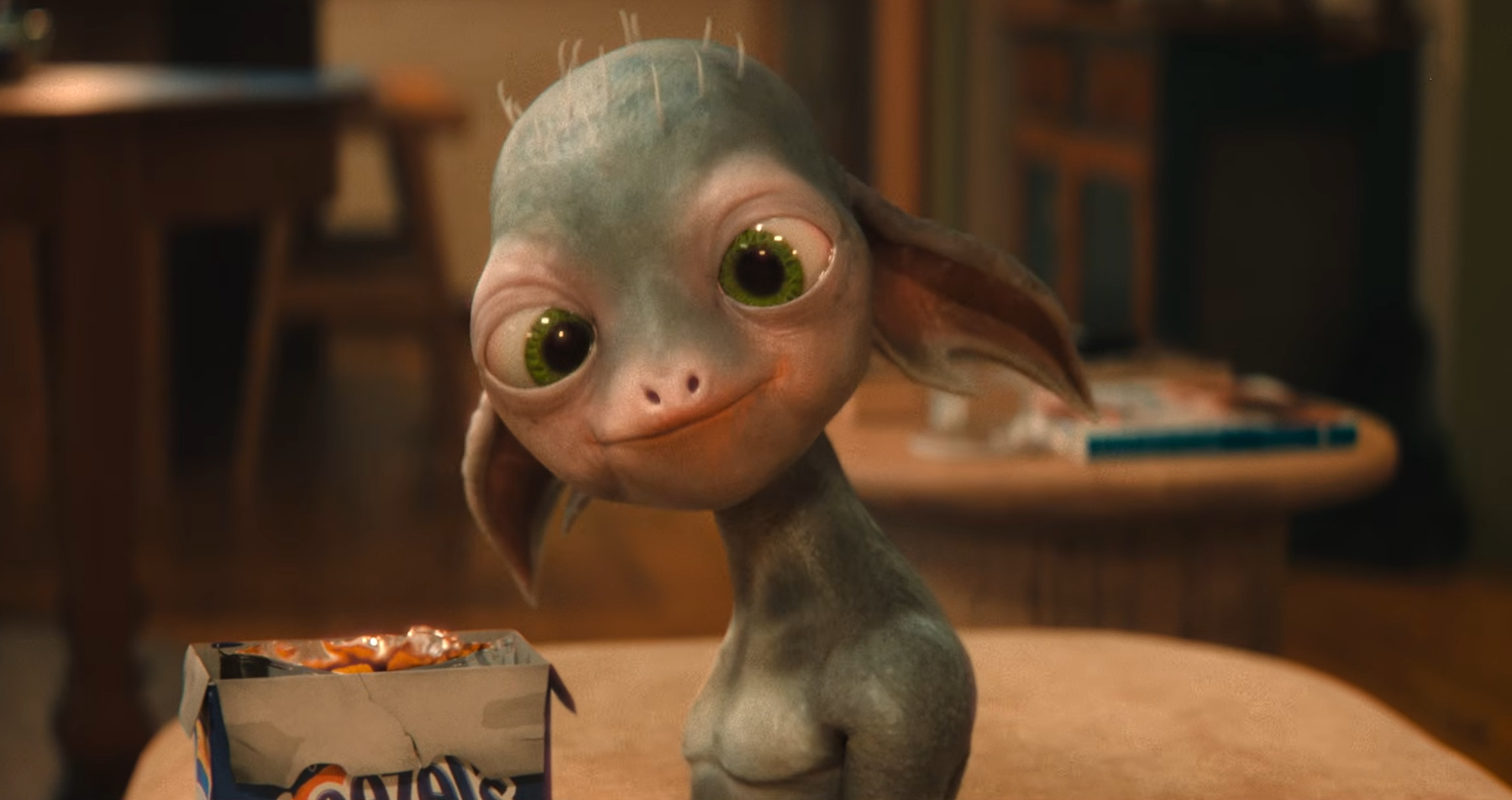
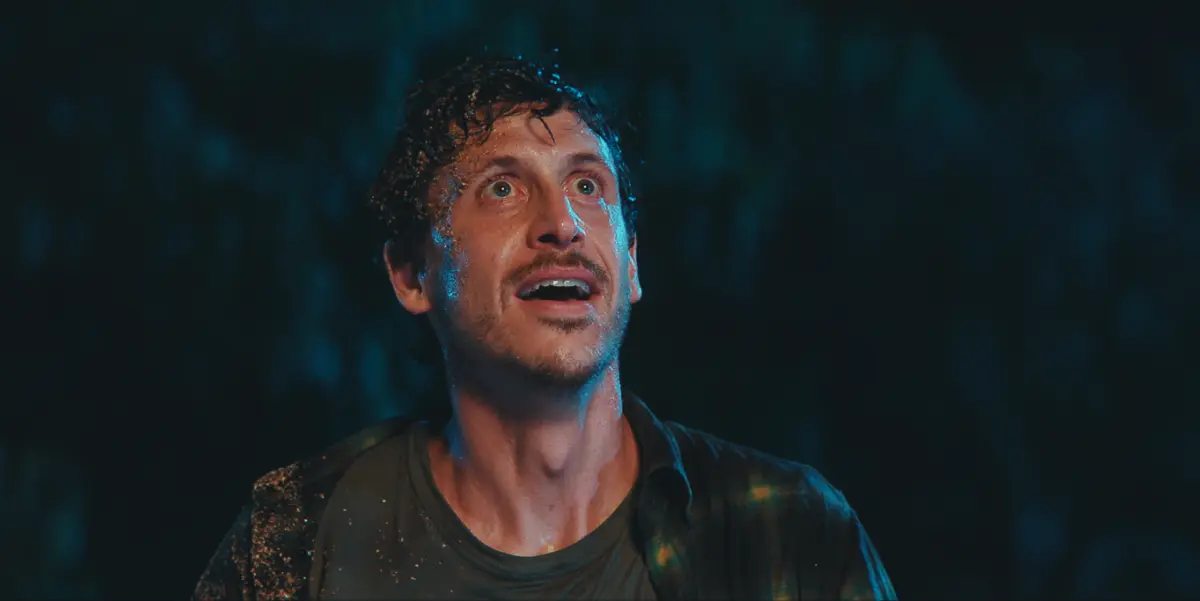
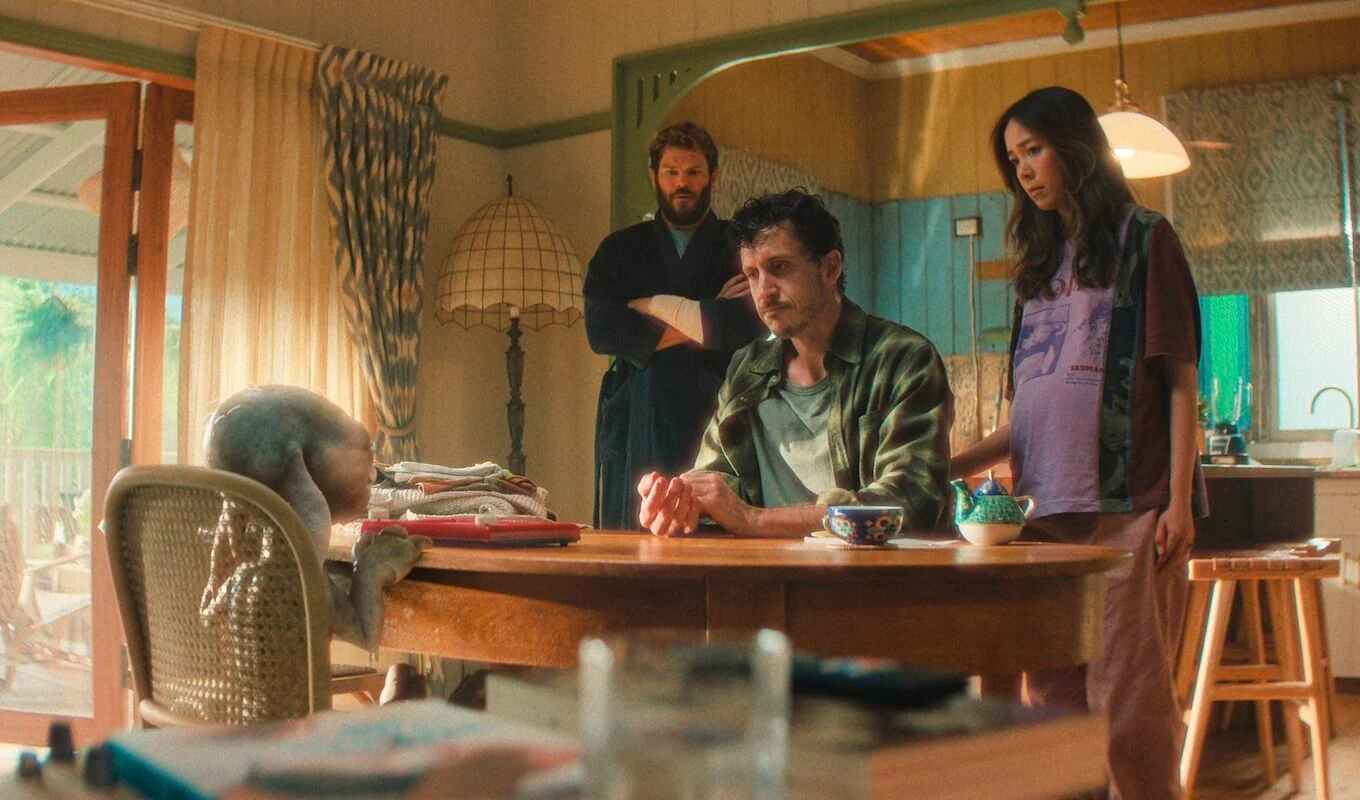
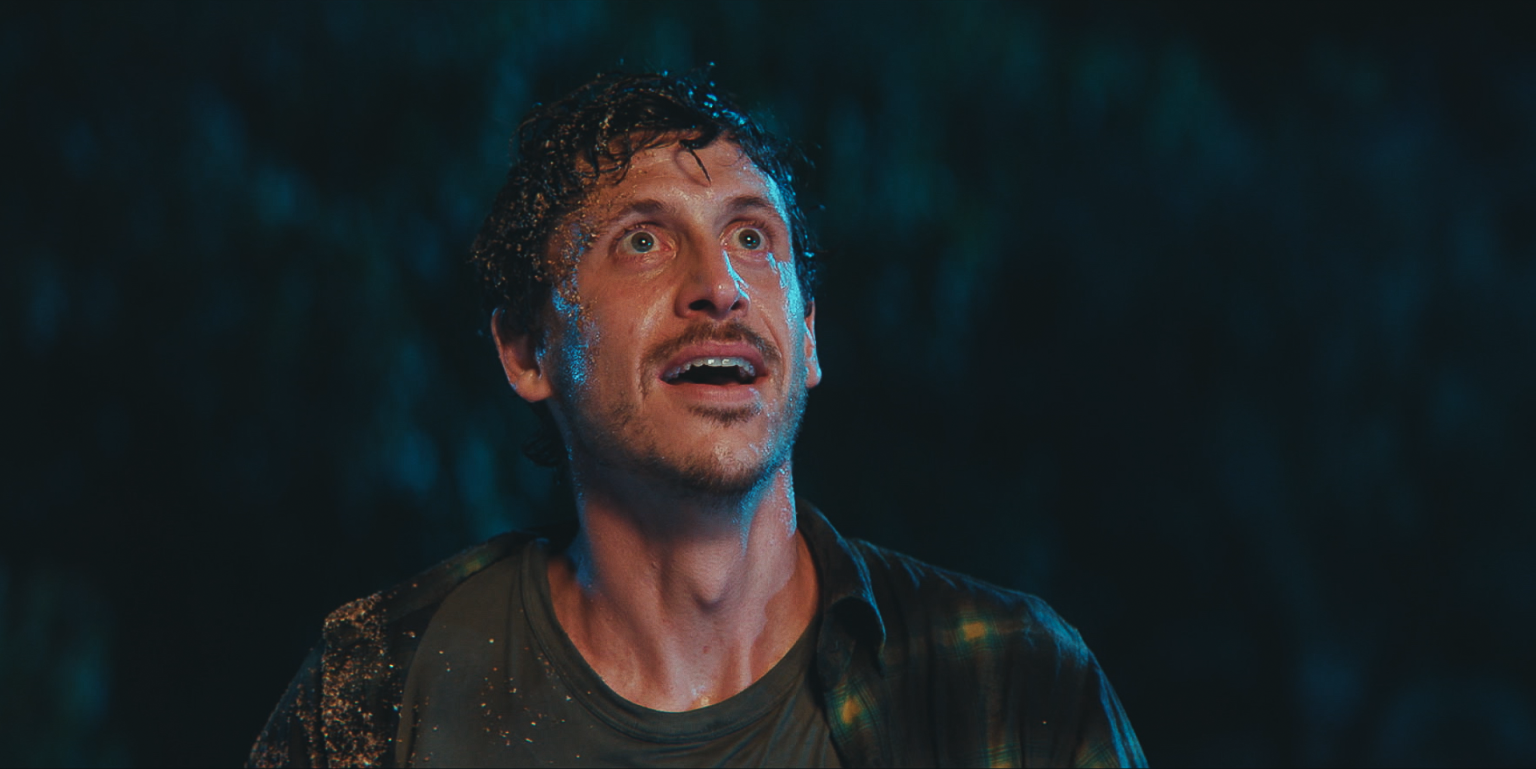
Set against the sun-drenched, iconic landscapes of a Queensland coastal town, Allen bridges the gap between nostalgic coming-of-age storytelling and cosmic chaos. The narrative centers on Petey, portrayed by T.J. Power, an adult whose life has stalled in the periphery of his childhood memories. Twenty years after his extraordinary friendship with a snack-loving, big-eyed extraterrestrial named Allen was abruptly terminated by separation, Petey is stuck working a monotonous retail job and spending his nights broadcasting synthesizer melodies into deep space. The status quo is violently upended when a disco-ball-esque propulsion orb crash-lands on a local beach, reuniting the estranged friends and instantly triggering a chain of chaotic events that threaten to expose the extraterrestrial visitor to a sleepy coastal community.
Chronology of Production and Development
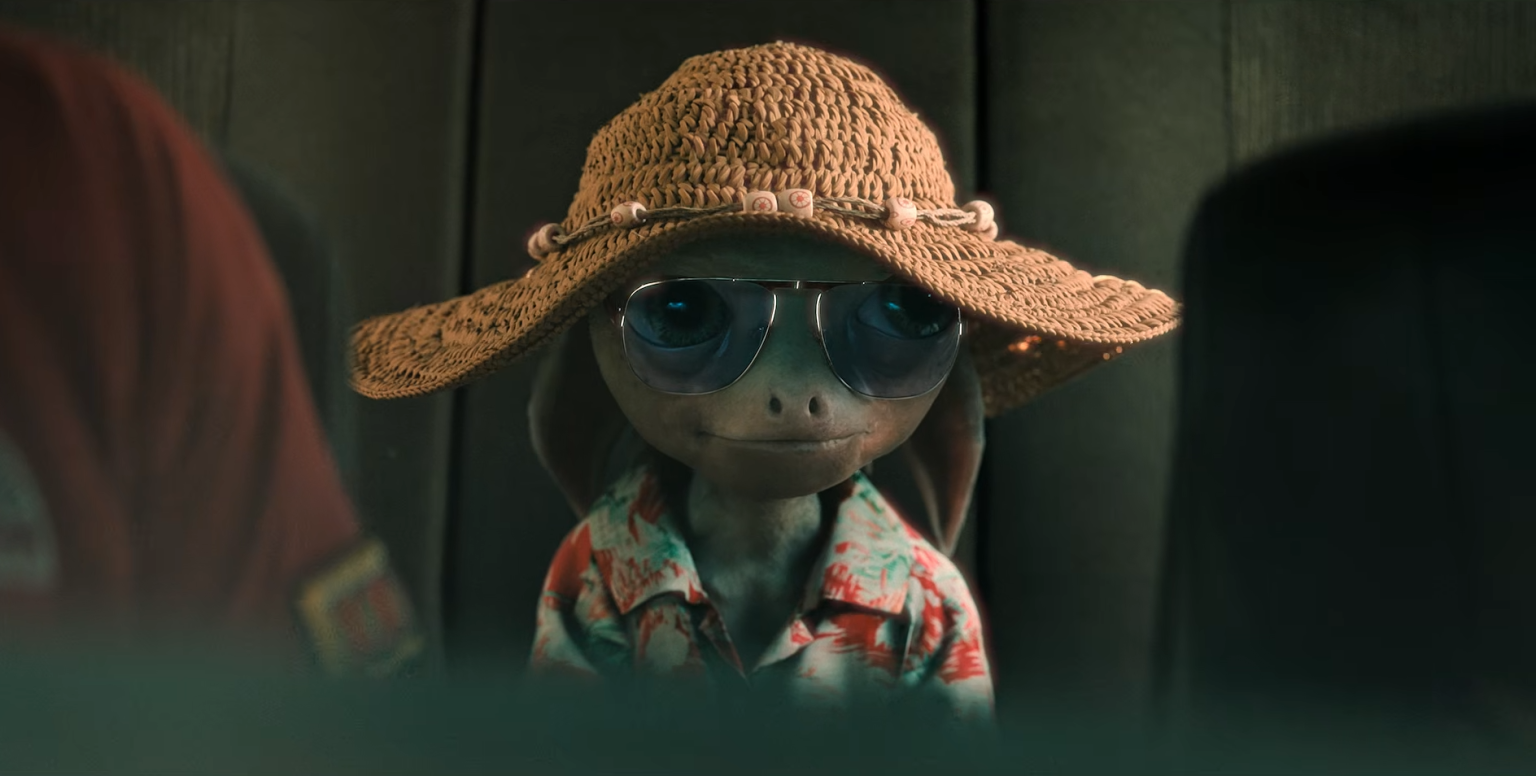
The trajectory of Allen spans several years of strategic planning, public funding acquisitions, and physical production milestones. Principal photography commenced in July 2025, utilizing the state-of-the-art facilities at Screen Queensland Studios in Brisbane as a foundational hub. Production crews subsequently fanned out across the picturesque Gold Coast and Sunshine Coast regions to capture the authentic coastal vernacular required by the script.
The project was brought to fruition with robust backing from the Queensland Government, channeled through Screen Queensland’s established Production Attraction Strategy. This funding model highlights a concerted effort by regional authorities to anchor high-profile international productions within Australian borders, fostering localized infrastructure for visual effects, live-action shooting, and crew training.
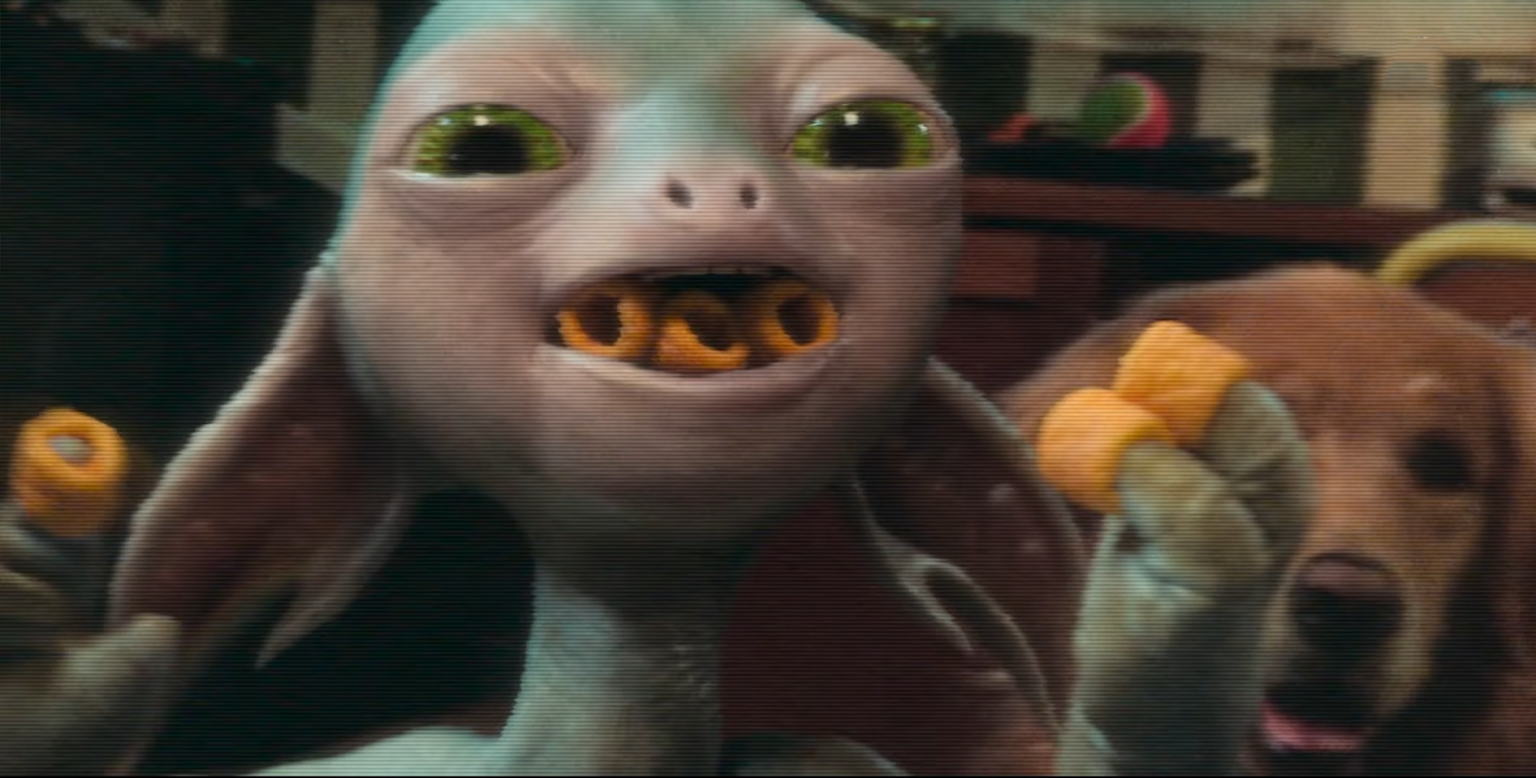
The production marks a calculated evolution for Ludo Studio, which has spent the better part of the last decade dominating the global preschool and family animation markets. By pivoting to a live-action narrative featuring sophisticated computer-generated imagery (CGI) for the titular character, the studio is signaling its ambition to capture broader demographic segments, ranging from nostalgic adults to families seeking crossover entertainment.
Official Statements and Creative Vision
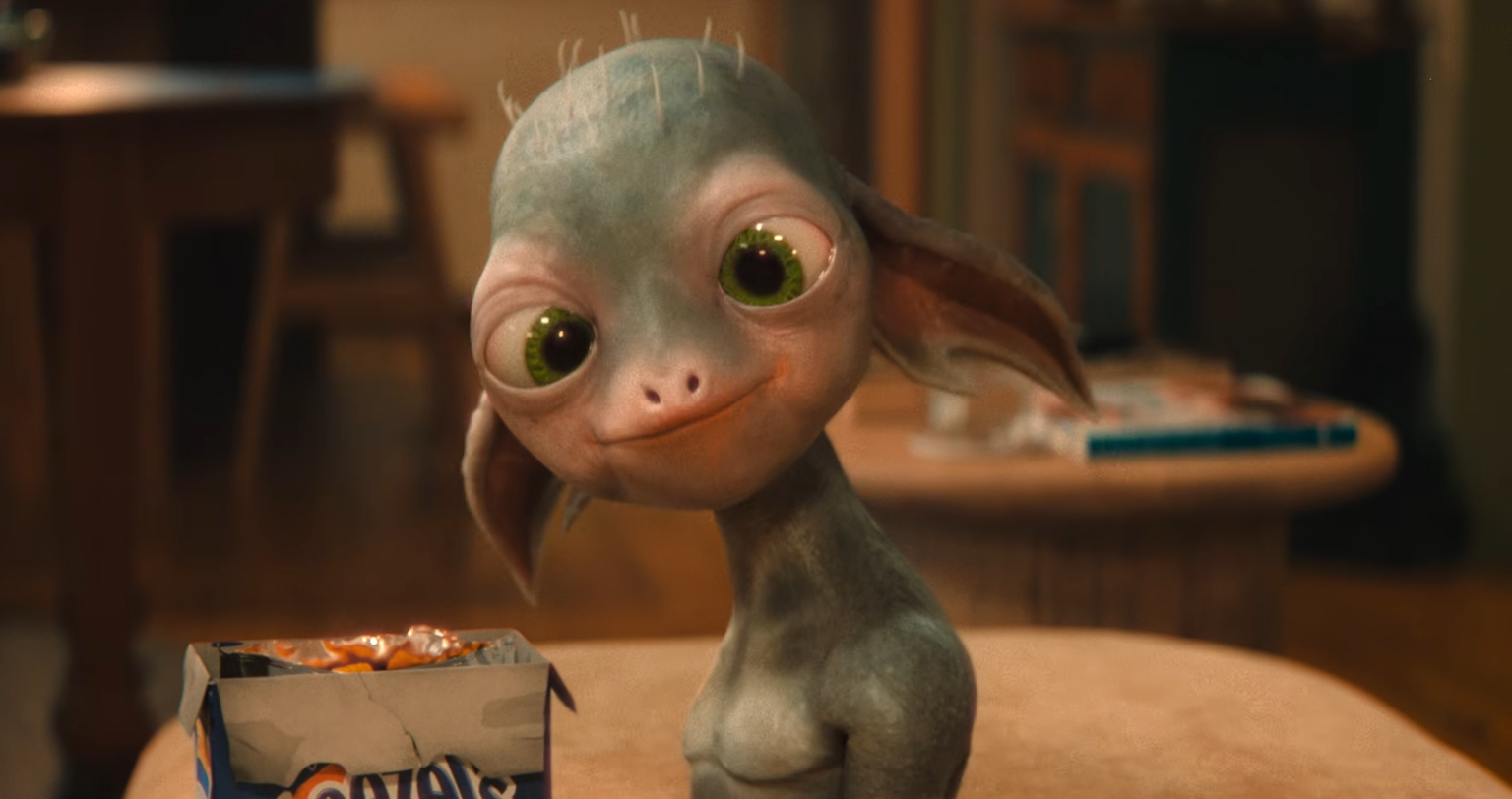
The creative impetus behind Allen is deeply rooted in the personal history of its creators. Daley Pearson, co-creator of Ludo Studio and writer-producer of the film, drew heavily from his own upbringing in Queensland when conceptualizing the project’s emotional core.
"Allen is really a story about love, family, and all those big and small moments from childhood that end up shaping who we are when we grow up," Pearson noted during the commencement of principal photography. "Getting the opportunity to make this story in this part of the world—in the town where I grew up in, inspired by the friends and family I grew up with—is a dream. We’re creating Allen for families to watch together."
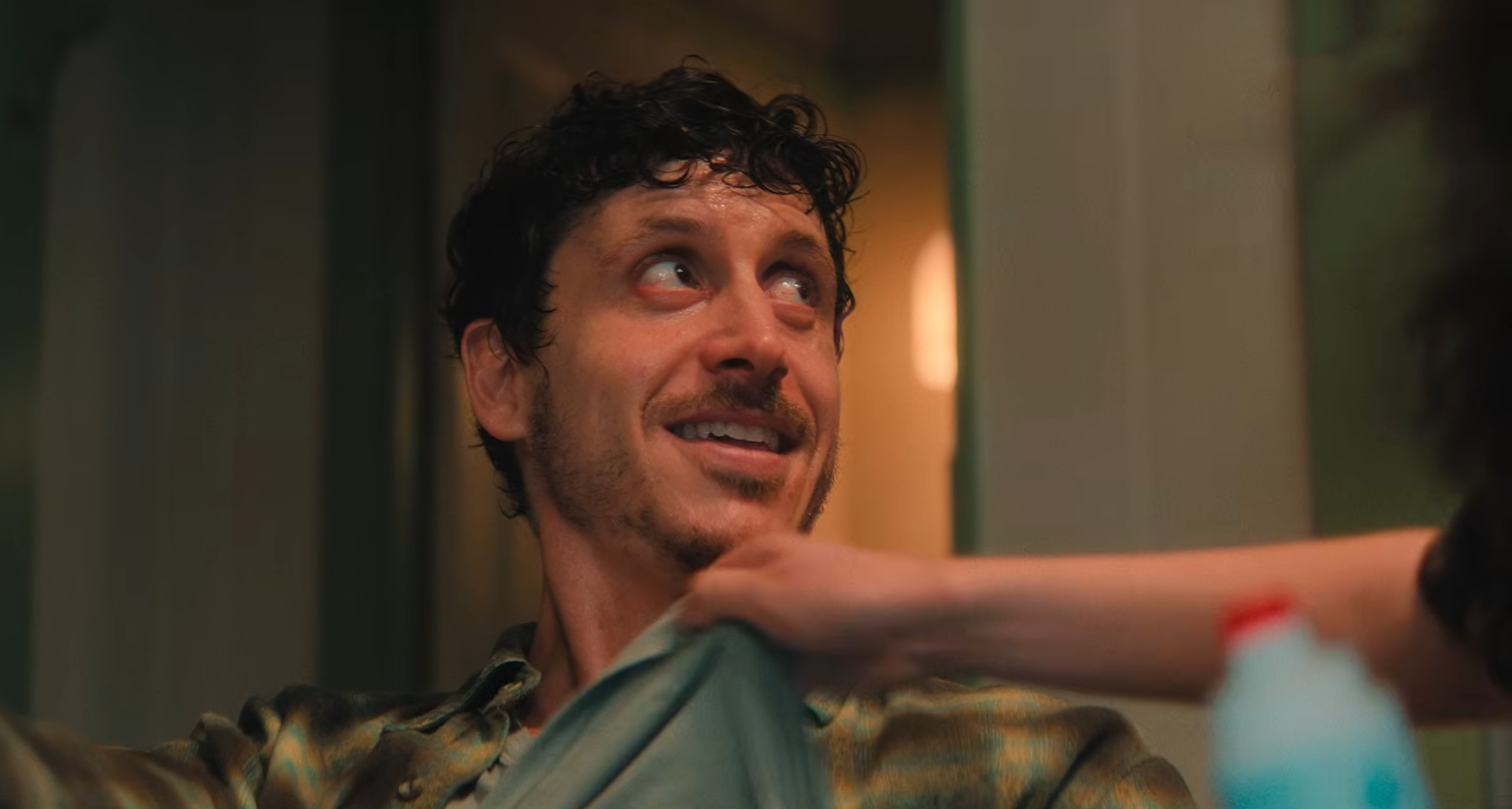
The thematic framework of the film has been characterized by Netflix executives as an unconventional package that examines the delicate, often jarring transition from childhood innocence to pragmatic adulthood. By utilizing the sci-fi trope of the stranded extraterrestrial—a cinematic lineage tracing back through films like E.T. the Extra-Terrestrial and modern comedic interpretations like Paul—the creative team attempts to anchor otherworldly spectacles within grounded, relatable emotional conflicts.
Cast and Production Crew Dynamics
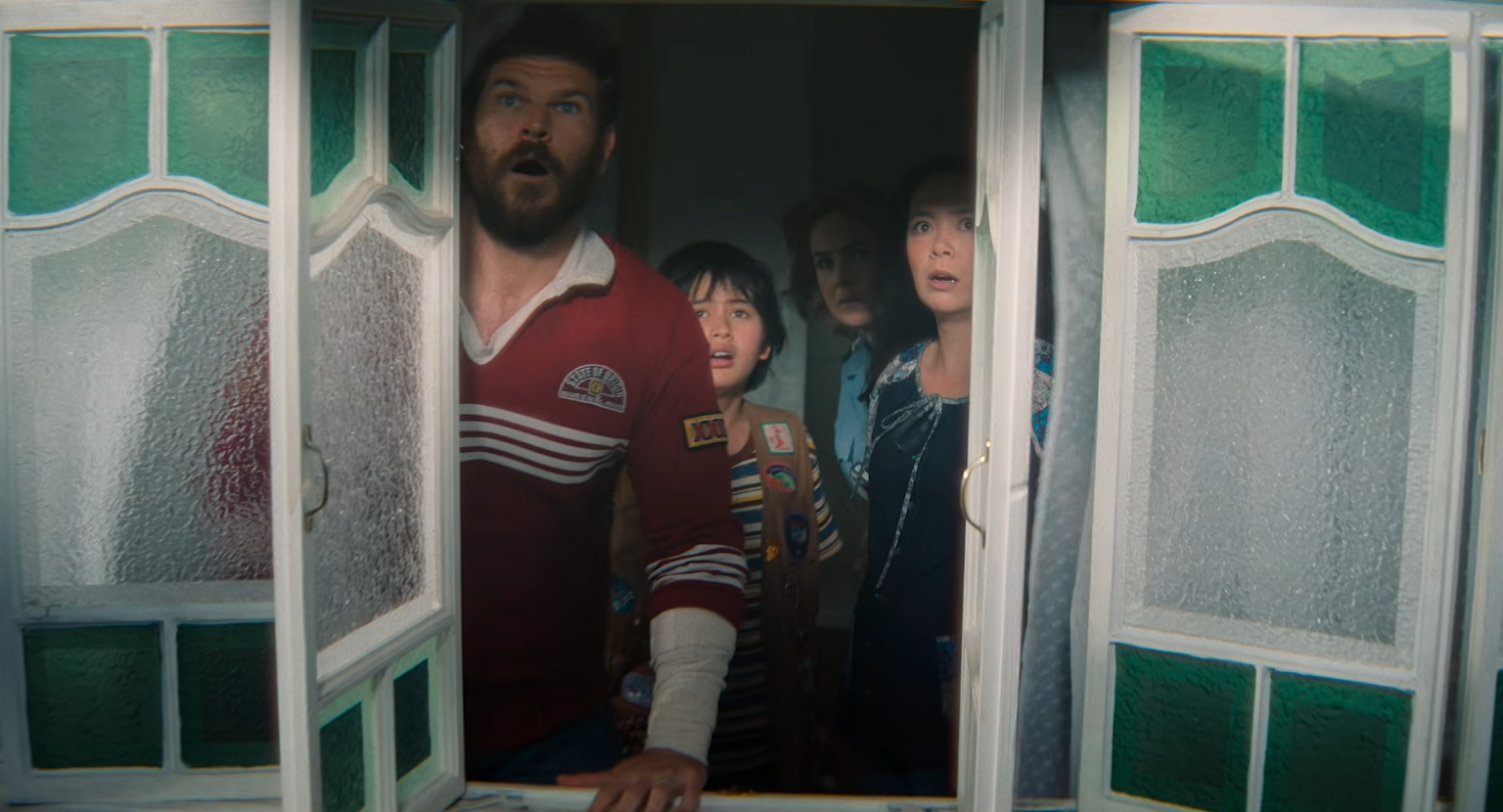
The production features a carefully curated cast and crew drawn primarily from established Australian talent pools. T.J. Power anchors the live-action elements in the lead role of Petey, bringing a blend of comedic timing and dramatic vulnerability to a character wrestling with arrested development. The supporting cast features a roster of local actors whose interactions establish the claustrophobic yet warm atmosphere of a tight-knit coastal community.
Behind the camera, the film reunites key personnel from Ludo Studio’s creative infrastructure. Jeffrey Walker serves as co-director alongside Pearson, bringing extensive television and feature film experience to the ambitious production. The integration of live-action cinematography with a fully realized CGI protagonist required close collaboration between Ludo’s in-house artists and specialized external visual effects vendors to ensure seamless interactions between the human actors and the digital character of Allen.
Market Implications and Streaming Strategy
Allen arrives at a crucial juncture for Netflix’s regional content strategy in the Asia-Pacific market. The platform has increasingly invested in Australian-produced scripted content, attempting to replicate the global resonance of domestic hits such as Boy Swallows Universe, Territory, Apple Cider Vinegar, Son of a Donkey, and the concluding seasons of Heartbreak High.
By securing a globally synchronized release date of November 12, 2026, Netflix is positioning Allen as a major tentpole title for the tail end of the calendar year. This release slot bypasses traditional theatrical distribution windows in favor of a direct-to-consumer streaming model, allowing the film to leverage Ludo Studio’s existing brand equity among families and international viewers who recognize the studio’s pedigree through Bluey.
Furthermore, the financial and logistical success of Allen carries broader implications for the Australian screen sector. As state and federal funding bodies continue to incentivize large-scale international and domestic productions, the ability of independent studios like Ludo to scale from television animation to mid-budget live-action features demonstrates the increasing maturity and technical capacity of the Australian production ecosystem.

As the release date approaches, industry observers will be monitoring how the marketplace responds to Ludo Studio’s departure from its animated roots. Whether Allen can achieve the ubiquitous cultural footprint of its animated predecessor remains to be seen, but the convergence of high-end visual effects, regional Australian storytelling, and a globally recognized streaming platform ensures that the project will enter the market with substantial visibility.