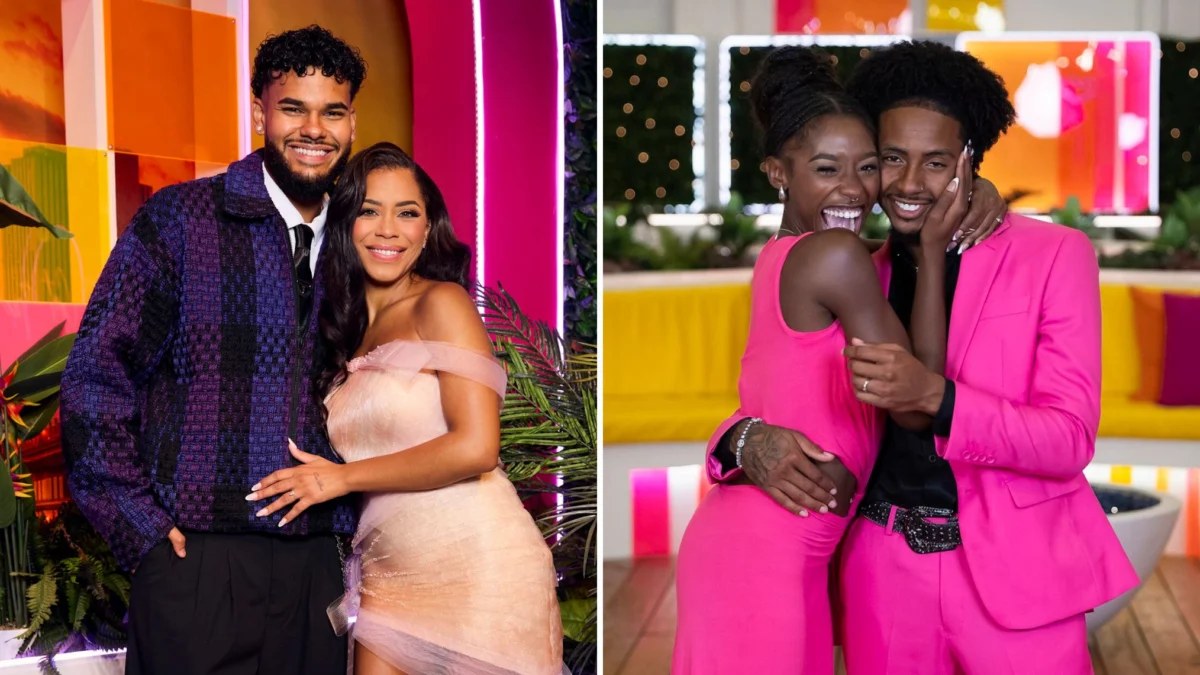
The trajectory of reality television romance often follows a predictable pattern of high-intensity attraction followed by the sobering realities of the outside world, yet the winners of Love Island USA have navigated these waters with varying degrees of success. Since its inception as a spin-off of the juggernaut British series, the American iteration has transitioned from a broadcast experiment on CBS to a streaming powerhouse on Peacock, evolving its format to include more complex social dynamics and higher stakes. As viewers witness the latest cohort of Islanders—including recent standouts like Serena Page, Kordell Beckham, Amaya Espinal, and Bryan Arenales—engage in the ritualistic challenges of Casa Amor and the high drama of Movie Night, the historical performance of previous winners serves as a benchmark for the franchise’s ultimate goal: finding a "connection" that survives the flight home from the villa.
The Evolution of the Love Island USA Franchise
Love Island USA premiered in 2019, attempting to replicate the lightning-in-a-bottle success of the UK version. Initially hosted by Arielle Vandenberg, the show underwent a significant transformation during its move to Peacock for Season 4, which saw Sarah Hyland take over hosting duties before passing the torch to Ariana Madix for Season 6. This transition marked a shift toward a more "uncensored" and fast-paced production style, aligning more closely with the expectations of a dedicated streaming audience.
The core mechanics of the show remain constant: a group of "Islanders" live in isolation in a luxury villa, constantly monitored by cameras. To remain in the competition, they must couple up, while the public votes on who stays and who goes. The finale culminates in the public choosing a winning couple, who then face the "Split or Steal" decision regarding the $100,000 grand prize. While no winner in the U.S. history has ever opted to "steal" the money, the true test of the show’s efficacy lies in what happens after the cameras stop rolling.
Analyzing the Winners: A Chronological Assessment of Success
The success of a Love Island couple is traditionally measured by two metrics: the duration of their romantic relationship post-finale and their collective brand impact within the digital creator economy.
Season 1: Zac Mirabelli and Elizabeth Weber
As the inaugural winners, Zac and Elizabeth set the standard for the "Day 1" couple strategy. Their relationship was characterized by a lack of conflict, which appealed to a broad audience during the show’s CBS era. However, the transition from the Fiji villa to a long-distance relationship proved difficult. The couple announced their split several months after the finale, citing the challenges of maintaining a connection while living on opposite coasts. Their legacy remains one of a "sweetheart" narrative that lacked the necessary friction to sustain long-term interest in the burgeoning influencer market of 2019.
Season 2: Justine Ndiba and Caleb Corprew
Season 2, filmed in a "bubble" at a Las Vegas hotel due to the COVID-19 pandemic, produced one of the most popular winning couples in franchise history. Justine and Caleb’s victory was seen as a landmark moment for the show, representing the first time a Black couple had won the U.S. version. Their chemistry was undeniable, and their win was met with overwhelming public support. However, the relationship ended amid significant controversy and allegations of infidelity on Caleb’s part. Despite the romantic failure, Justine Ndiba has arguably become the most successful individual Islander in the franchise, leveraging her platform to appear on The Challenge and Love Island Games, effectively turning a reality TV stint into a sustainable media career.
Season 3: Olivia Kaiser and Korey Gandy
The Season 3 winners represented a "slow burn" narrative. Unlike previous winners who coupled up early, Olivia and Korey did not find each other until late in the season. Their win was polarizing, as some fans felt their connection was more a result of convenience than genuine passion. This skepticism was seemingly validated when the couple split shortly after the reunion. Olivia Kaiser has since maintained a presence in the reality TV circuit, but the couple’s ranking in terms of romantic longevity remains near the bottom of the list.
Season 4: Zeta Morrison and Timmy Pandolfi
The move to Peacock brought a more mature tone to the series, exemplified by the Season 4 winners. Zeta and Timmy were fan favorites from the start, praised for their communication skills and apparent maturity. Their post-villa life, however, was marred by public disagreements and a highly publicized breakup. Zeta Morrison’s candid discussion of their relationship’s demise on various podcasts provided a rare, unvarnished look at the pressures of maintaining a "winning couple" image for social media.
Season 5: Hannah Wright and Marco Donatelli
Season 5 saw a return to the "Day 1" dominance with Hannah and Marco. Their relationship was defined by a shared sense of humor and a protective attitude toward one another. Unlike many of their predecessors, Hannah and Marco have demonstrated significant longevity, frequently appearing on each other’s social media feeds and participating in joint brand ventures. Their success is often attributed to their willingness to integrate their lives quickly after leaving the villa, moving beyond the "vacation phase" of the relationship.
Season 6 and Beyond: The New Era of Islanders
The most recent seasons have introduced couples like Serena Page and Kordell Beckham, whose journey was marked by significant hurdles, including a tumultuous Casa Amor period. Their eventual win signaled a shift in viewer preference toward couples who navigate and overcome genuine conflict rather than those who avoid it. Similarly, the introduction of "bombshells" like Amaya Espinal and Bryan Arenales in subsequent cycles has continued to refine the formula of what makes a winning couple: a mix of relatability, resilience, and "marketability."
Data and Statistics: The "Love Island" Success Rate
When compared to other reality dating franchises like The Bachelor or Love Is Blind, Love Island USA has a statistically lower rate of long-term marriages but a higher rate of individual career longevity. According to industry data, approximately 15% of Love Island couples (across all international versions) remain together after the one-year mark. In the U.S. specifically, the "success" rate for winning couples staying together for more than two years is currently under 10%.
However, the "success" of the show is increasingly measured by social media engagement. Winners typically see an average increase in Instagram followers of 400% to 600% within the month following the finale. This digital footprint translates into lucrative brand partnerships, with top-tier Islanders earning between $5,000 and $20,000 per sponsored post.
Official Responses and Participant Perspectives
Former contestants have often spoken out about the "post-villa blues" and the artificial nature of the environment. In a 2023 interview, a former winner noted, "In the villa, your only job is to like the person you’re with. In the real world, you have bills, travel, and the opinions of millions of people who think they know your relationship better than you do."
Production representatives for Peacock have emphasized that while they provide mental health support and "exit counseling," the ultimate responsibility for the relationship lies with the individuals. "We provide the spark," one producer stated during a press tour, "but the Islanders have to keep the fire going once they leave the island."
Broader Impact and Implications for Reality TV
The continued popularity of Love Island USA suggests that audiences are less concerned with the "success" of the marriage and more interested in the "process" of the relationship. The show functions as a microcosm of modern dating—fast-paced, visually driven, and subject to constant public scrutiny.
The rise of spin-offs like Love Island Games further complicates the definition of a "winning couple." By bringing back "all-stars" and winners from previous seasons, the franchise has created a self-sustaining ecosystem where the relationship itself is often secondary to the participant’s overall "arc" within the series. This meta-narrative ensures that even if a winning couple fails romantically, they remain valuable assets to the network and the brand.
As the franchise moves forward, the ranking of winning couples will likely continue to favor those who can balance the demands of a public-facing relationship with the authenticity required to maintain a loyal fanbase. Whether it is the enduring partnership of a couple like Hannah and Marco or the solo stardom of a Justine Ndiba, the legacy of a Love Island USA winner is defined by their ability to navigate the transition from the filtered paradise of the villa to the unfiltered reality of the modern media landscape.