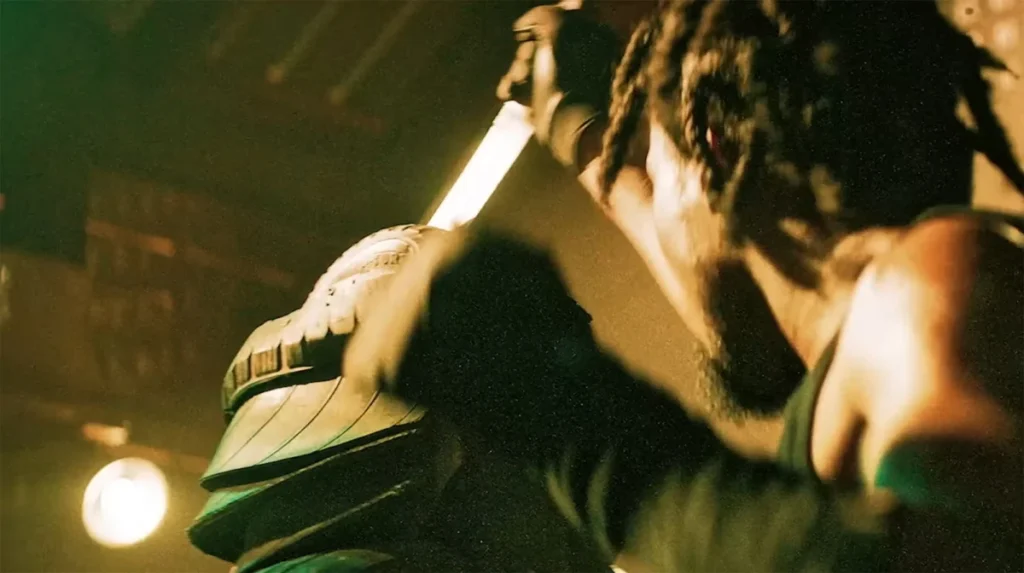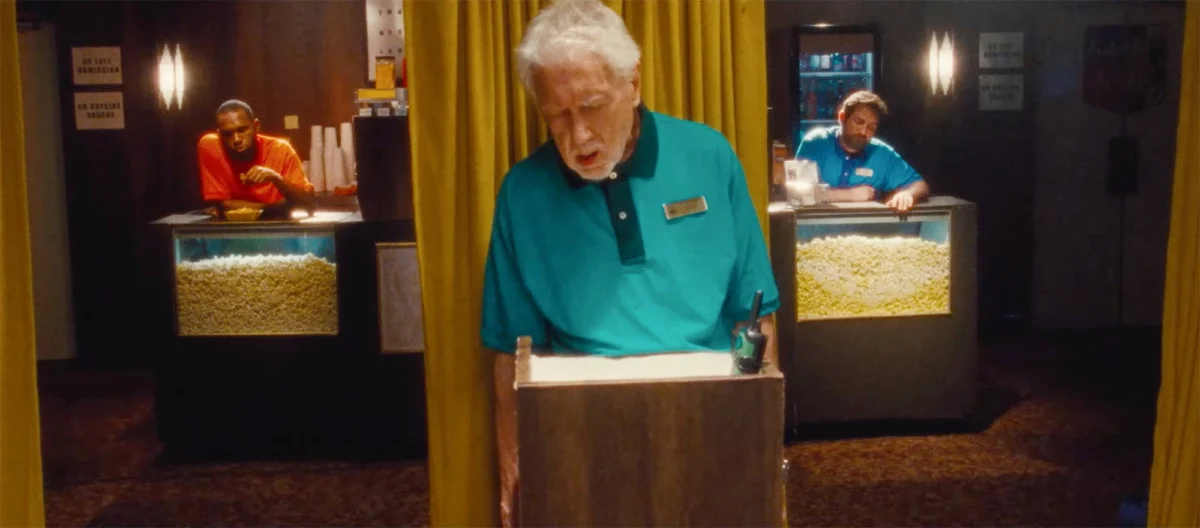
The landscape of independent cinema continues to reflect a collective nostalgia for the traditional movie-going experience, with Magenta Edge Films officially unveiling the trailer for the upcoming comedy feature Concessions. Written and directed by Brooklyn-based filmmaker Mas Bouzidi, the film serves as a heartfelt yet eccentric love letter to the dying art of the neighborhood brick-and-mortar movie house. Expanded from Bouzidi’s 2021 short film of the same name, the feature-length directorial debut captures a single, chaotic evening at a doomed picture palace, blending workplace comedy with existential reflections on the cultural shift away from communal theatrical viewing.
Following a successful international festival circuit run that began in 2025, Concessions is slated for a domestic rollout in the United States. Magenta Edge Films has scheduled a limited theatrical release beginning September 22, 2026, followed by a wider Video-on-Demand (VOD) release later in October. The project arrives during a notable cinematic trend of features honoring historic movie theaters, joining international counterparts such as Ireland’s Once Upon a Time in a Cinema and London-centric independent projects like The Regulars.
Chronology of Production and Festival Circuit

The developmental trajectory of Concessions spans several years, transitioning from a short-form concept to a fully realized independent feature film. In 2021, Mas Bouzidi directed the original short film version of Concessions, which successfully established the comedic tone, atmospheric setting, and thematic preoccupation with the eccentricities of theater employment. Encouraged by the reception of the short, Bouzidi collaborated with producers Ram Segura Khagram and Malcolm Brainerd to expand the premise into a feature-length script.
Principal photography for the feature took place on location at the historic Lafayette Theater in Suffern, New York. In a deliberate nod to cinematic tradition and aesthetic texture, the production was shot on 16mm film, reinforcing the thematic embrace of analogue culture over modern digital ubiquity.
The completed film made its world premiere at the prestigious Edinburgh Film Festival in Scotland, screening to audiences on a physical 35mm print. Following its international festival exposure, the project secured distribution through Magenta Edge Films, positioning it for an autumn 2026 release in the North American market.
Premise, Setting, and Narrative Arc

Set entirely over the course of a single evening, Concessions takes place within the fictional Royal Alamo Cinema as the establishment prepares to permanently extinguish its marquee lights. The narrative centers on the final operational shift of a decrepit, independent movie theater facing insurmountable economic pressures and impending demolition.
The plot weaves together the interactions among a jaded, cynical concession and projection staff, a parade of eccentric, die-hard local patrons who refuse to let the institution die quietly, and an unhinged theater manager desperately trying to maintain order. As the final reels spin, the characters are forced to grapple with a convergence of busted personal dreams, stale popcorn, and the harsh reality of cultural displacement. The overarching tone balances sharp workplace comedy with a melancholic awareness of the passing of an era.
Star-Studded Independent Ensemble Cast
Concessions features a diverse and seasoned ensemble cast, bringing together recognized character actors and indie film staples. Notably, the film includes a posthumous performance by the legendary screen actor Michael Madsen, whose participation adds profound emotional resonance to a project already dealing with themes of legacy and finality. Madsen’s involvement is complemented by acclaimed actor Steven Ogg, known for his distinct screen presence in television and independent cinema.

The ensemble is rounded out by Josh Hamilton, Lana Rockwell, Ivory Aquino, Ari Barkan, and Rob Riordan. Each performer contributes to the claustrophobic, high-energy dynamic of a workplace pushed to its absolute breaking point. The chemistry among the ensemble anchors the film’s comedic beats while grounding the emotional stakes of a community losing its primary cultural anchor.
Broader Cultural Context and Industry Implications
The release of Concessions taps into a flourishing subgenre of contemporary cinema that explicitly meditates on the physical infrastructure of movie-going. In recent years, filmmakers globally have turned their lenses toward the plight of independent theaters, community-run cinemas, and repertory houses struggling against the twin pressures of corporate multiplex dominance and post-pandemic streaming habits.
By positioning Concessions alongside contemporaries like The Regulars—which focused on London’s Prince Charles Cinema—and Ireland’s Once Upon a Time in a Cinema, industry analysts note a broader cultural movement. These films function as cinematic preservation projects, utilizing fiction to document the architecture, social dynamics, and ritualistic behaviors associated with physical film exhibition before those spaces disappear entirely.

Furthermore, Bouzidi’s choice to utilize 16mm film stock for production underscores a broader aesthetic rebellion among emerging independent filmmakers. Rejecting the frictionless perfection of digital cinematography, productions like Concessions deliberately embrace grain, texture, and physical medium as a tangible extension of their subject matter.
Market Outlook and Distribution Strategy
Magenta Edge Films’ decision to deploy a hybrid release strategy—beginning with a targeted, limited theatrical run on September 22, 2026, followed by a digital VOD rollout—reflects the standard economic model for contemporary independent comedies. By securing theatrical playdates in select independent cinemas, the distributor aims to engage the exact demographic of cinephiles and theater loyalists depicted within the film itself.
As audiences prepare for the film’s arrival in theaters and digital platforms this fall, Concessions stands as a timely cultural artifact. It captures the bittersweet reality of an industry in transition, offering both laughter and reflection on what is lost when the local picture house finally goes dark.