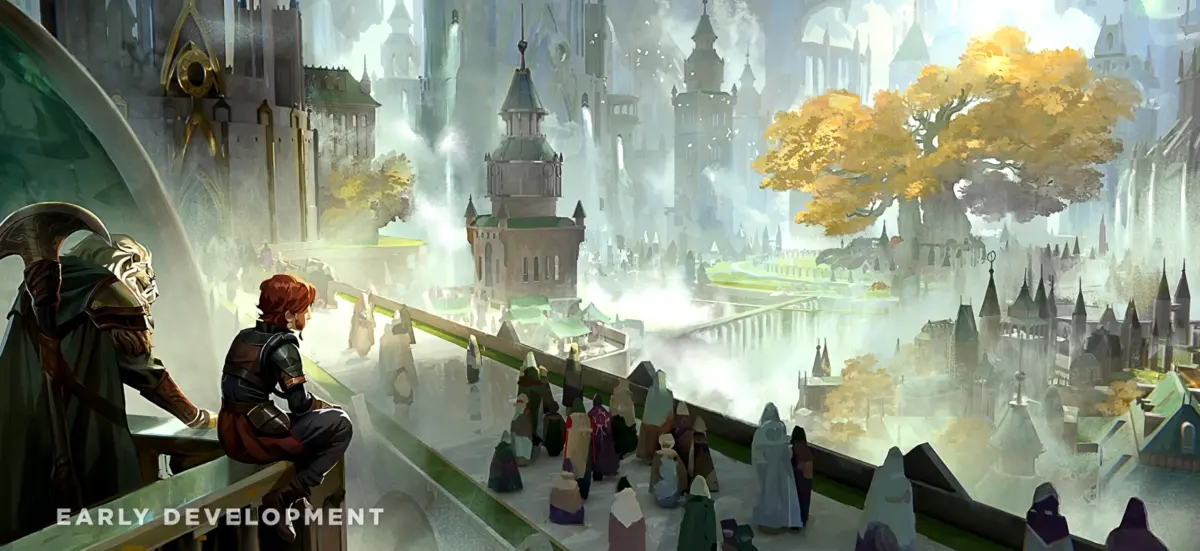
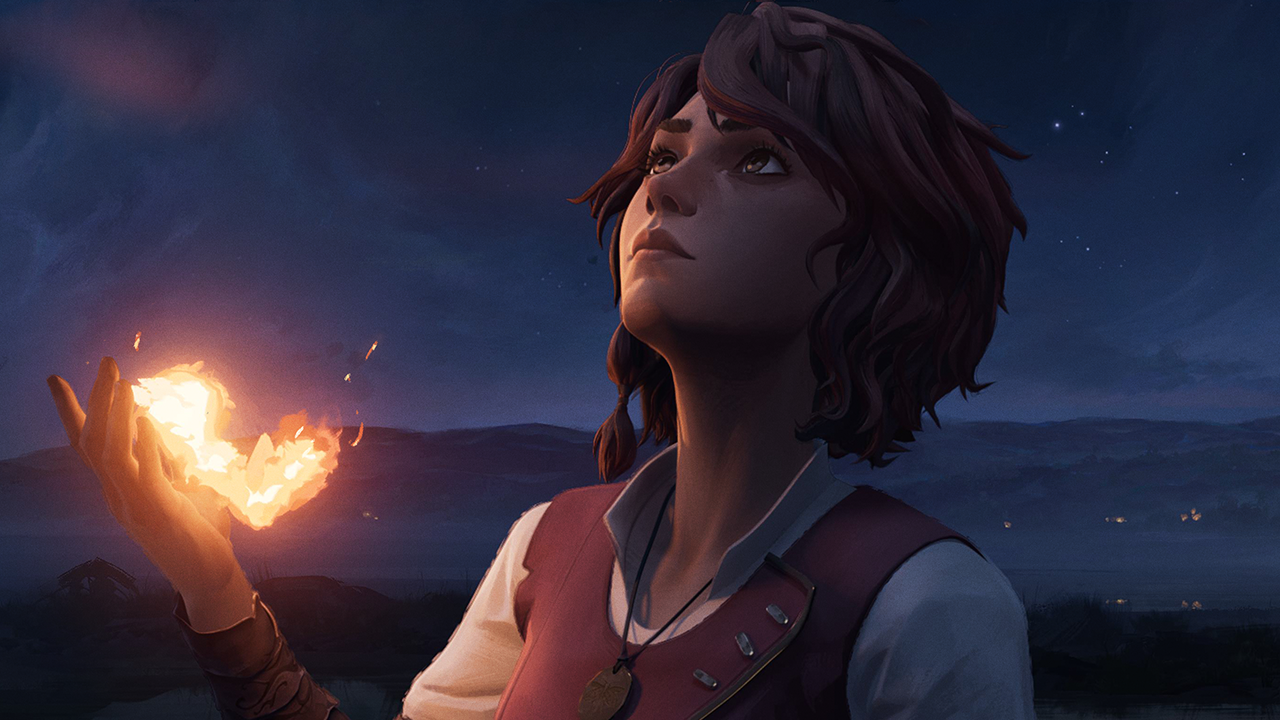
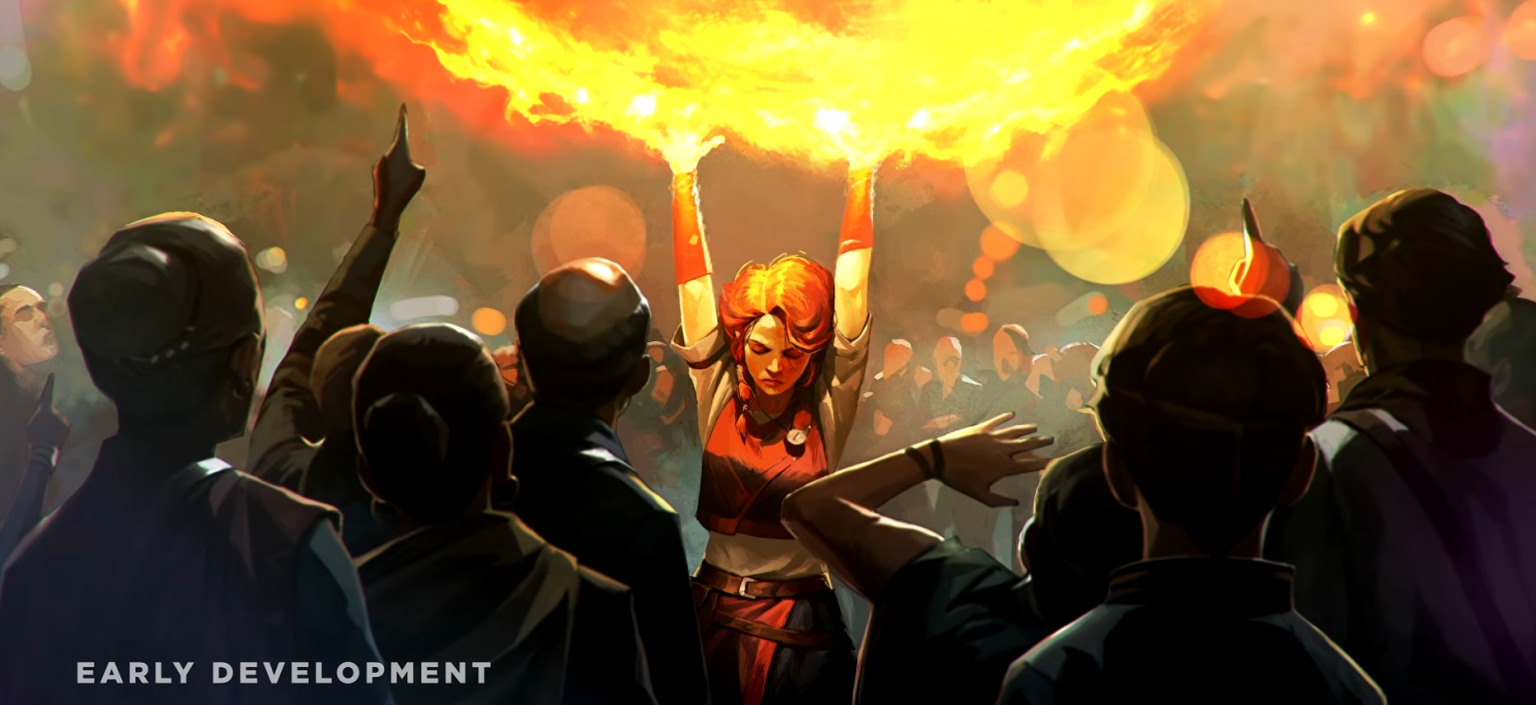
Netflix has officially announced a 2027 release window for its long-awaited animated adaptation of the globally popular trading card game Magic: The Gathering. Unveiled at MagicCon: Atlanta, the project—now titled Magic: The Gathering: Planeswalker, or simply Planeswalker—is being produced in collaboration with Hasbro Entertainment, Wizards of the Coast, and Budapest-based CG animation studio DIGIC Pictures. Alongside the title reveal, the streaming platform released a comprehensive two-minute development diary featuring conceptual art, early 3D models, and the first official look at the series’ central pyromancer, Chandra.
The announcement marks a significant turning point for a production that has experienced nearly eight years of creative realignment, executive departures, and public skepticism. By pairing veteran showrunner Terry Matalas with the cutting-edge visual style of DIGIC Pictures, Netflix aims to cement Planeswalker as a premier entry in its adult animation portfolio, targeting a 2027 premiere date that concludes one of the most protracted development cycles in contemporary streaming television.
A Troubled Development History and Chronology of Delays
The journey toward a televised adaptation of Magic: The Gathering has been defined by multiple false starts and structural pivots. The timeline of the project reflects the immense challenges of translating a sprawling, decades-old fantasy intellectual property into a cohesive episodic narrative format.
The initiative formally began in June 2019, when Netflix announced a partnership with Wizards of the Coast to develop an anime-style adaptation of the franchise. At the time, filmmakers Joe and Anthony Russo—fresh off their historic work in the Marvel Cinematic Universe—were attached as executive producers to oversee the creative direction. Early momentum suggested a swift path to production, with reports indicating that preliminary voice work had even been recorded, including actor Brandon Routh cast in the role of the stalwart Paladin, Gideon Jura.
However, creative differences and strategic realignments behind the scenes stalled the project indefinitely. For several years, little official information was shared, leading to widespread fan doubt regarding the viability of the adaptation. By September 2024, industry reports confirmed that the original iteration helmed by the Russo brothers had been quietly scrapped from the ground up, rendering previous voice recordings and character designs obsolete.
The turning point arrived in September 2024 when Netflix Geeked announced that Terry Matalas, celebrated for his work on critically acclaimed science fiction series such as Star Trek: Picard and 12 Monkeys, had been brought on as the new showrunner. Matalas was tasked with rebooting the narrative framework entirely. In June 2025, during the Annecy International Animation Film Festival, Netflix formally named DIGIC Pictures as the primary animation studio, categorizing the project under the streamer’s prestige "Adult Spectacle" banner, alongside mature animated dramas like Blue Eye Samurai.
The culmination of these efforts manifested at MagicCon: Atlanta in November 2026, where executives and creatives openly addressed the project’s rocky past to reassure a skeptical fanbase that the production was definitively moving forward.
Creative Leadership and Production Team
The success of an intellectual property as vast as Magic: The Gathering relies heavily on the collaboration between entertainment veterans and the stewards of the source material at Wizards of the Coast. The official creative and production credits for Planeswalker reflect a dedicated team of fantasy television creators and gaming industry veterans.
Terry Matalas leads the production as showrunner and executive producer, bringing his expertise in intricate serialized storytelling and high-stakes science fiction and fantasy narratives. Animation duties are handled exclusively by DIGIC Pictures, a studio internationally recognized for its hyper-realistic cinematic trailers for major video game franchises, including Assassin’s Creed, League of Legends, and Final Fantasy.
From the corporate and creative side of Wizards of the Coast, key figures are actively involved in maintaining narrative continuity with the broader Magic multiverse. Roy Graham, Head of Story, and Jackie Jones, Vice President of Creative, have served as primary liaisons between the studio and the source material. Additionally, Principal Art Director Zack Stella and Senior Vice President of Game Design Aaron Forsythe have contributed to the visual and conceptual alignment of the series, ensuring that the lore respects the card game’s extensive history spanning over three decades.
Official Synopsis and Narrative Scope
Netflix has released the official plot synopsis for Planeswalker, detailing a high-stakes narrative focused on the game’s most powerful magic users:
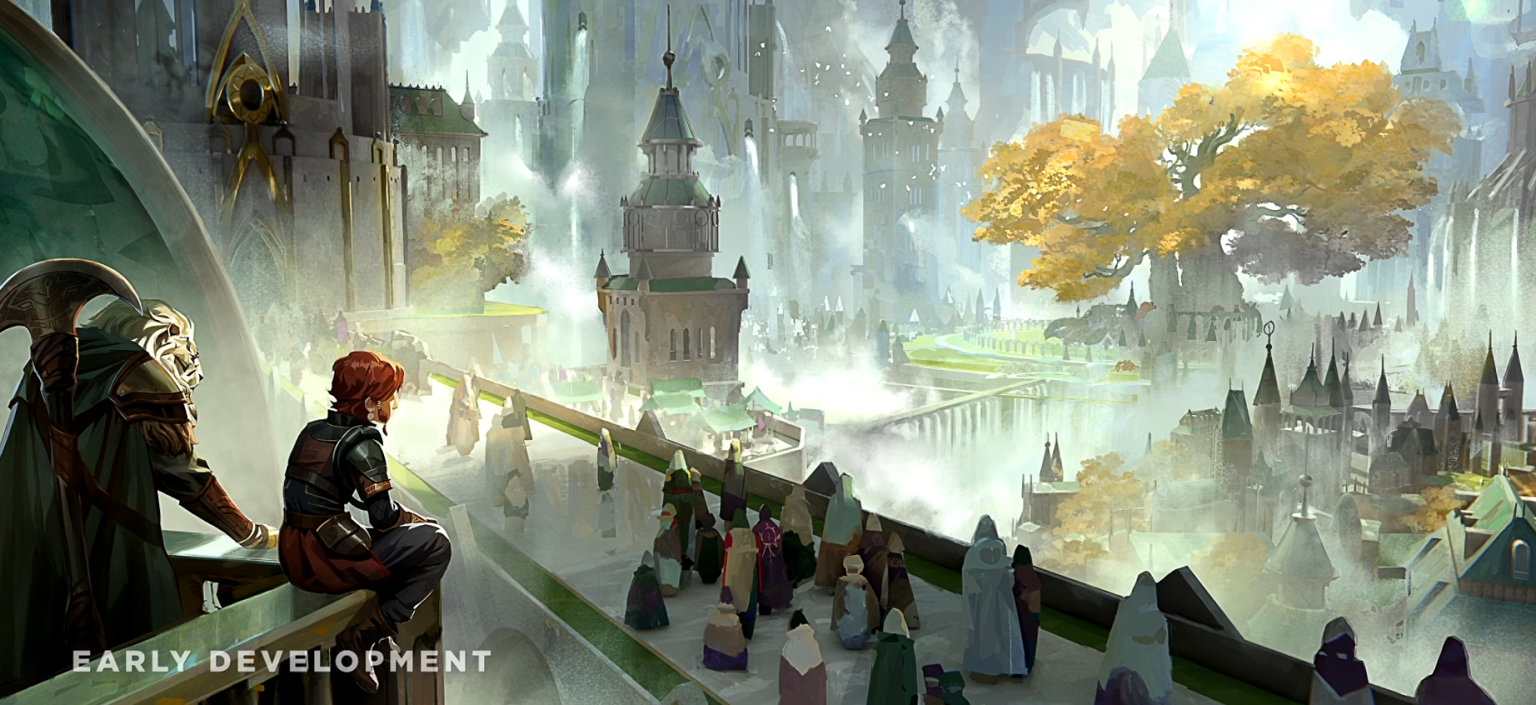
PLANESWALKER, an epic fantasy saga from the world of Magic: The Gathering, chronicles the fierce clash between formidable mages known as Planeswalkers. At the center of this struggle for power and survival burns Chandra, a volatile pyromancer hunted for her gifts, and haunted by her past. Confronted by an insidious force, Chandra and some of the most legendary Planeswalkers must harness their extraordinary abilities, navigate treacherous alliances, and battle their own inner demons to prevent a cataclysmic war that threatens to consume their very existence. As the line between victory and annihilation grows thinner, a single spark determines the fate of thousands of worlds.
The narrative focuses primarily on Chandra Nalaar, a human pyromancer whose emotional volatility and immense magical capacity make her both a formidable weapon and a primary target. By centering the story around the concept of Planeswalkers—individuals capable of traversing the infinite realms of the Multiverse—the series opens up endless world-building possibilities beyond a single setting.
Insights from the Development Diary
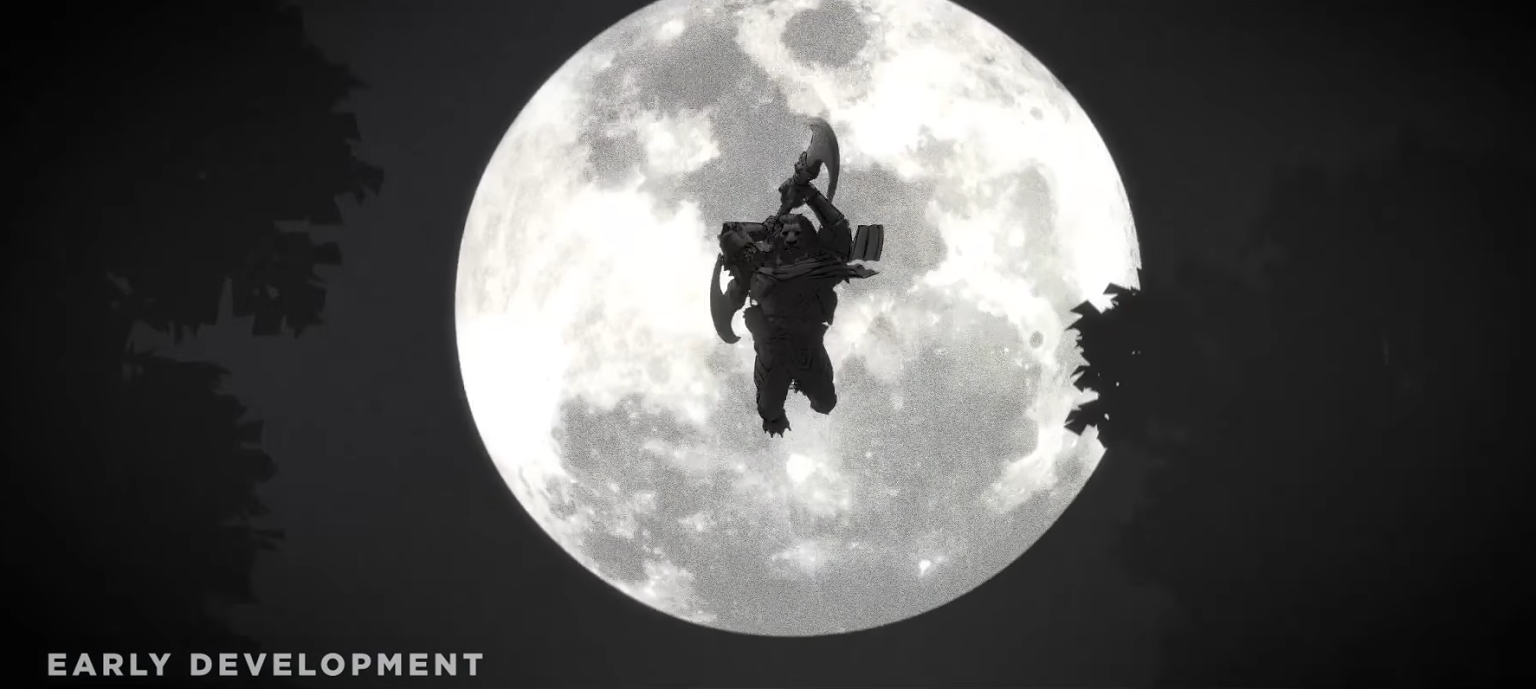
The two-minute featurette released during MagicCon: Atlanta provided an unprecedented look into the production pipeline at DIGIC Pictures. Unlike traditional 2D anime styles, the series utilizes sophisticated 3D computer-generated imagery that leans into a cinematic, photorealistic aesthetic.
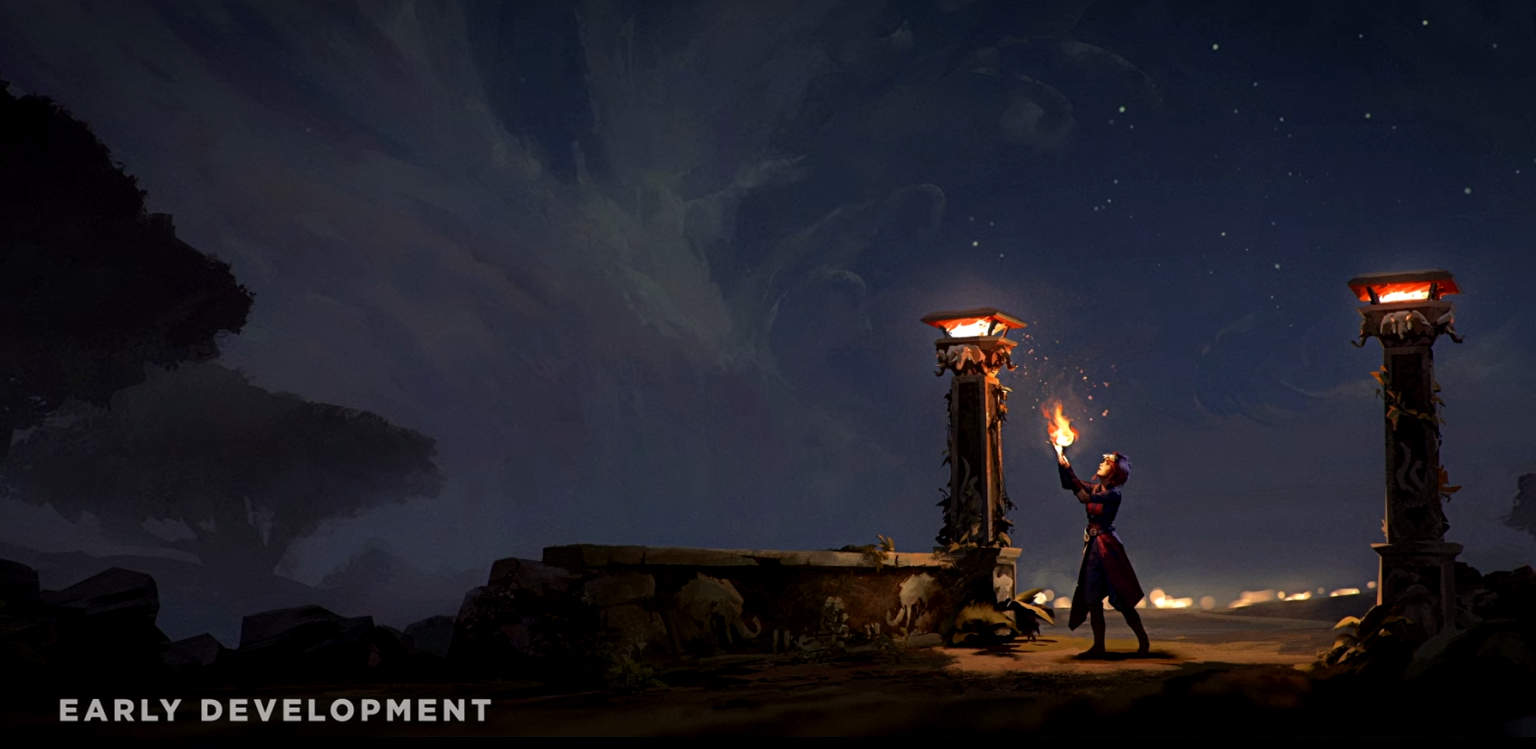
The footage showcased early animatics, detailed 3D texture mapping of character models, and completed lighting tests. A central highlight of the sneak peek was the visual realization of Chandra’s fire magic, demonstrating complex particle effects and dynamic illumination against darkened fantasy landscapes.
Wizards of the Coast representatives used the featurette to directly acknowledge the prolonged silence that previously frustrated fans. Roy Graham addressed the community’s lingering doubts directly in the video, stating, "It’s really happening. I promise. For real. It’s happening," while Jackie Jones reinforced the sentiment with assurances of the project’s current operational status. Aaron Forsythe noted during the presentation that the convergence of mature animation technology and serialized streaming formats finally affords the card game the cinematic showcase it has required for years.
Industry Implications and Streaming Strategy
The rollout of Planeswalker highlights a broader strategic shift within Netflix’s adult animation division. Rather than relying solely on traditional comedic or fast-paced action cartoons, the platform has increasingly invested in high-budget, prestige fantasy and historical dramas tailored for older demographics.
By grouping Planeswalker under the "Adult Spectacle" banner alongside titles like Blue Eye Samurai, Netflix is signaling that the series will not shy away from mature themes, complex political machinations, and high-intensity fantasy combat. This approach aligns with the current landscape of intellectual property adaptations, where streaming services increasingly look to established gaming franchises to secure built-in audiences.
For Hasbro and Wizards of the Coast, a successful television adaptation represents a critical avenue for mainstream expansion. While Magic: The Gathering remains a dominant force in the tabletop and digital card gaming markets—generating billions of dollars in revenue since its 1993 inception by Richard Garfield—multimedia expansion has historically been limited to print novels and digital promotional shorts. A prestige television series airing on a global platform offers an unprecedented opportunity to introduce the lore of the Multiverse to millions of non-players.
As production continues toward the projected 2027 premiere, attention will undoubtedly shift toward additional casting announcements, character reveals beyond Chandra and Ajani, and the specific planes that will serve as backdrops for the multiversal conflict. With a stable creative team and high-end animation studio now firmly in place, the long-gestating project appears poised to finally deliver on its initial promises.