The arrival of summer vacation for Japanese students is traditionally heralded by the Marine Day holiday, observed on July 20th. While not the official start of the lengthy school break, this three-day weekend provides a perfect opportunity for families and friends to flock to beaches across the nation. This year, the vibrant worlds of anime and manga have joined in the festive spirit, with various franchises and studios sharing special greetings and content to mark the occasion. These digital salutations offer a unique glimpse into how beloved characters and their creators are embracing the summer season and the cultural significance of Marine Day.
The Significance of Marine Day in Japan
Marine Day, known in Japanese as "Umi no Hi," is a national holiday dedicated to appreciating the ocean and its bounty. Established in 1995 and officially observed from 1996, its purpose is to express gratitude for the ocean’s blessings and to foster Japan’s prosperity as a maritime nation. Since 2003, the holiday has been celebrated on the third Monday of July, providing a consistent long weekend for leisure activities. This holiday underscores Japan’s deep historical and cultural connection to the sea, influencing its economy, cuisine, and overall way of life. The tradition of celebrating Marine Day with beach outings, swimming, surfing, and other water-related activities has become a cornerstone of Japanese summer culture, particularly for students transitioning into their extended vacation period.
A Wave of Greetings from Popular Franchises
This year’s Marine Day saw a diverse array of anime and manga properties engage with the holiday through social media and official channels. These greetings often feature characters enjoying seaside activities, expressing well wishes, or even highlighting thematic connections to the ocean.
From the serene waters of A Lull in the Sea (Nagino Asukara), a message poetically conveyed the sentiment of the day: "The feelings that couldn’t be spoken, the emotions that have changed, they all quietly well up like the tide. May the blue of the sea reach your heart." This quote perfectly encapsulates the show’s themes of interconnectedness and emotional depth, often symbolized by the ocean itself.
The world of Azur Lane also embraced the theme with its characters, the Royal Fortune and Golden Hind, enjoying the summer sea. The franchise reminded fans to stay hydrated, a practical and timely piece of advice given the typically hot July weather in Japan.
Classroom of the Elite took a dual approach, celebrating both Marine Day and the birthday of one of its prominent characters, Honami Ichinose. This intersection of holiday and character celebration highlights the interwoven nature of fan engagement with both seasonal events and the narratives of their favorite series.
The iconic Doraemon franchise offered a unique contribution by featuring a special one-chapter read titled "Oyogenakatta Umi" (The Sea That Couldn’t Swim) on its official manga reading platform. This initiative not only ties into the Marine Day theme but also provides fans with exclusive content, demonstrating a creative way to engage audiences with the franchise’s vast library.
Gnosia, a science fiction game known for its compelling narrative, shared a message reminding players to be mindful of heatstroke, emphasizing safety alongside the festive occasion. This thoughtful reminder reflects a broader concern for fan well-being during the summer months.
The children’s anime Gunma-chan shared a charming visual to mark Marine Day, showcasing the titular character in a summery setting. This simple yet effective greeting targets a younger demographic while still participating in the nationwide observance.
Kaiju No. 8, a popular action series, creatively leveraged a character’s name for a pun. Gen Narumi’s surname contains the kanji for "sea" (umi), prompting a playful "Narumi Day" alongside Marine Day. The franchise also announced upcoming content, namely the "Narumi’s Weekday" short anime series, building anticipation among fans.
Kyōkai no Melody celebrated the birthday of its character Kai Amano on Marine Day, with voice actor Daisuke Sakuma also being acknowledged. This dual celebration demonstrates how holidays can provide opportunities to highlight specific characters and their associated talents.
Let This Grieving Soul Retire! offered a simple yet evocative visual greeting for Marine Day, a common approach for franchises that may not have explicit ocean-themed elements but wish to participate in the cultural moment.
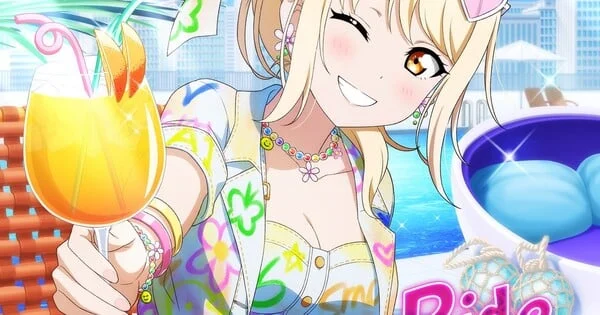
Love Live! Nijigasaki High School Idol Club encouraged fans to engage with the holiday by listening to their song "Ride the Wave!" This interactive approach invites fans to connect with the franchise’s music and themes, reinforcing the summer atmosphere.
The classic video game series Metal Slug featured the character Eri enjoying the ocean, a visual that harkens back to the series’ action-packed nature while fitting the holiday’s theme.
The atmospheric anime Mononoke shared a striking visual representation of Marine Day, aligning with its unique artistic style and thematic exploration.
Voice actress Rumi Ōkubo, known for her role as Umi Ryūzaki in Magic Knight Rayearth, shared a personal anecdote about visiting Odaiba Marine Park, a significant location from the Rayearth OVA. Her reflection on the site as a potential "pilgrimage site" for her character highlights the deep emotional connection fans can form with anime locations and characters.
PlayStation Japan embraced Marine Day with a vibrant visual of swimsuit-clad fighters from Street Fighter 6, encouraging fan interaction by asking about their favorite character designs. This marketing approach leverages the holiday to promote game content and engage its player base.
Kouji Seo, the creator of The Café Terrace and Its Goddesses, shared a simple yet effective Marine Day greeting, a common practice for manga artists to connect with their readership.
The culinary-themed manga She Loves to Cook, and She Loves to Eat presented a "Marine Day date" visual, blending the holiday with its core themes of food and companionship.
Televi-Kun, a long-running Japanese magazine focused on children’s media, provided historical context for Marine Day, detailing its establishment and evolution. This educational approach adds depth to the coverage and informs readers about the holiday’s significance.
That Time I Got Reincarnated as a Slime promoted the streaming of its movie, Tears of the Azure Sea, highlighting its ocean-centric theme. This strategic release leverages the holiday to drive viewership for a thematically relevant installment.
The IDOLM@STER Million Live! invited fans to share their favorite "summer-themed idols," fostering a sense of community and shared appreciation for the franchise’s characters.
Broader Implications and Fan Engagement
The collective participation of these diverse anime and manga properties in celebrating Marine Day underscores the holiday’s cultural relevance and its integration into popular Japanese entertainment. These greetings serve multiple purposes:
- Strengthening Fan Connection: By acknowledging and participating in a national holiday, franchises demonstrate an understanding of and respect for Japanese culture, fostering a deeper connection with their audience.
- Promoting Content: Holidays often provide opportune moments for promotional activities. Whether it’s highlighting new releases, special content, or even character birthdays, these greetings can serve as effective marketing tools.
- Reinforcing Thematic Relevance: For franchises with inherent ties to the ocean or summer, Marine Day offers a natural platform to reinforce these themes and engage fans on a deeper emotional level.
- Cultural Exchange: For international fans, these observances offer insights into Japanese cultural practices and how they are interwoven with popular media.
The trend of anime and manga engaging with national holidays reflects a growing sophistication in fan engagement strategies. These digital celebrations, often shared through platforms like X (formerly Twitter), reach a global audience, extending the cultural impact of both the holiday and the respective franchises. As the anime and manga industries continue to expand their international reach, such culturally nuanced celebrations become increasingly important in building authentic connections with diverse fan bases. The shared sentiment of enjoying the ocean, celebrating characters, and embracing the spirit of summer underscores the unifying power of popular culture and national holidays.