The film, directed by Yuval Abraham and Rachel Szor—both prominent voices in the Israeli documentary scene and key figures behind the 2024 Oscar-winning project No Other Land—represents a significant escalation in the cinematic examination of the ongoing conflict. Following its highly acclaimed debut in Venice, where it received a lengthy standing ovation, the documentary is set to navigate a polarized landscape as it enters the American theatrical market. The film will launch exclusively at the IFC Center in New York City before expanding to Los Angeles and other key metropolitan areas on October 9, followed by a broader national rollout.
Production and Distribution Strategy
The release of NAZA is being handled through an unconventional and accelerated distribution model. Recognizing the urgent nature of the subject matter, the production team has partnered with The Guardian and the French film company mk2. This coalition has assembled a cross-continental team of U.S. and international consultants tasked with ensuring that the documentary reaches audiences with immediate impact.
Executive produced by Jonathan Glazer, whose own film The Zone of Interest explored the banality of evil through the lens of the Holocaust, NAZA serves as a stark, modern-day companion piece to that discourse. The film’s title, NAZA, is derived from an acronym utilized within the Israeli military to denote shorthand for civilian casualties. Its North American premiere is scheduled for September 26 at the New York Film Festival, an event expected to draw significant international media attention.
Investigative Foundations and Content
The documentary is rooted in years of rigorous investigative journalism. Much of the primary material featured in the film was documented by Abraham and Szor in the months immediately following the October 7, 2023, Hamas-led attacks on Israel. These findings were initially serialized by The Guardian, in collaboration with +972 Magazine and the Israeli news outlet Local Call.
At its core, the film features testimony from 24 individuals identified as Israeli military officers. These soldiers outline internal protocols and systems that they allege govern the targeting of civilian infrastructure in Gaza. The directors argue that while their investigative journalism provided the raw data, the film medium allows for a deeper, more visceral exploration of the silence and dehumanization inherent in such systems. "We made this film out of a sense of obligation to use our position as Israeli filmmakers and journalists to examine the systems behind the mass killing of Palestinian civilians for which our country is responsible," the directors stated.
A Chronology of the Conflict and Media Exposure
The release of NAZA arrives against the backdrop of one of the most intense periods of modern warfare. The conflict began on October 7, 2023, when Hamas militants launched a surprise assault into southern Israel, resulting in approximately 1,200 deaths and the taking of over 240 hostages. Israel’s subsequent military campaign in Gaza has been described by the Gaza Health Ministry as resulting in tens of thousands of Palestinian casualties and the displacement of the vast majority of the enclave’s population.
Throughout the past year, international human rights organizations, including Amnesty International and Human Rights Watch, have issued numerous reports alleging that the scale of civilian harm in Gaza is the result of indiscriminate military tactics. NAZA seeks to bridge the gap between these high-level human rights reports and the lived experiences of the soldiers tasked with executing these missions. By focusing on the "inner workings" of the military apparatus, the filmmakers attempt to answer a recurring historical question: how does a state and its military personnel justify the systematic dehumanization of an opposing population?
Official Reactions and IDF Response
The reception of NAZA within Israel has been deeply divisive. The Israel Defense Forces (IDF) have issued a strong, categorical rejection of the film’s allegations. In a formal statement, the IDF criticized the reliance on anonymous testimonies, arguing that such accounts "cannot be verified" and lack the context of the operational reality faced by military units on the ground.
The military maintains that its operations are conducted in strict accordance with international law. "The IDF strikes military targets and makes unprecedented efforts to minimize harm to civilians," the statement read. Furthermore, IDF Chief of Staff Eyal Zamir has characterized the film not merely as a documentary, but as an active "attack on the State of Israel." This rhetoric underscores the high-stakes political environment in which the film is being released, as the Israeli government faces increasing pressure from both domestic critics and international observers regarding its conduct in Gaza.
Contextual Analysis: The Role of Media in Conflict
The production of NAZA represents a growing trend of investigative filmmaking that challenges state narratives in real-time. By utilizing the institutional backing of The Guardian, the filmmakers have provided a veneer of journalistic legitimacy that often accompanies high-profile documentaries. However, the use of anonymous sources remains a point of contention. In military journalism, anonymity is often a prerequisite for obtaining information that could lead to court-martial or public ostracization; conversely, critics argue that such anonymity shields individuals from being held accountable for their specific claims.
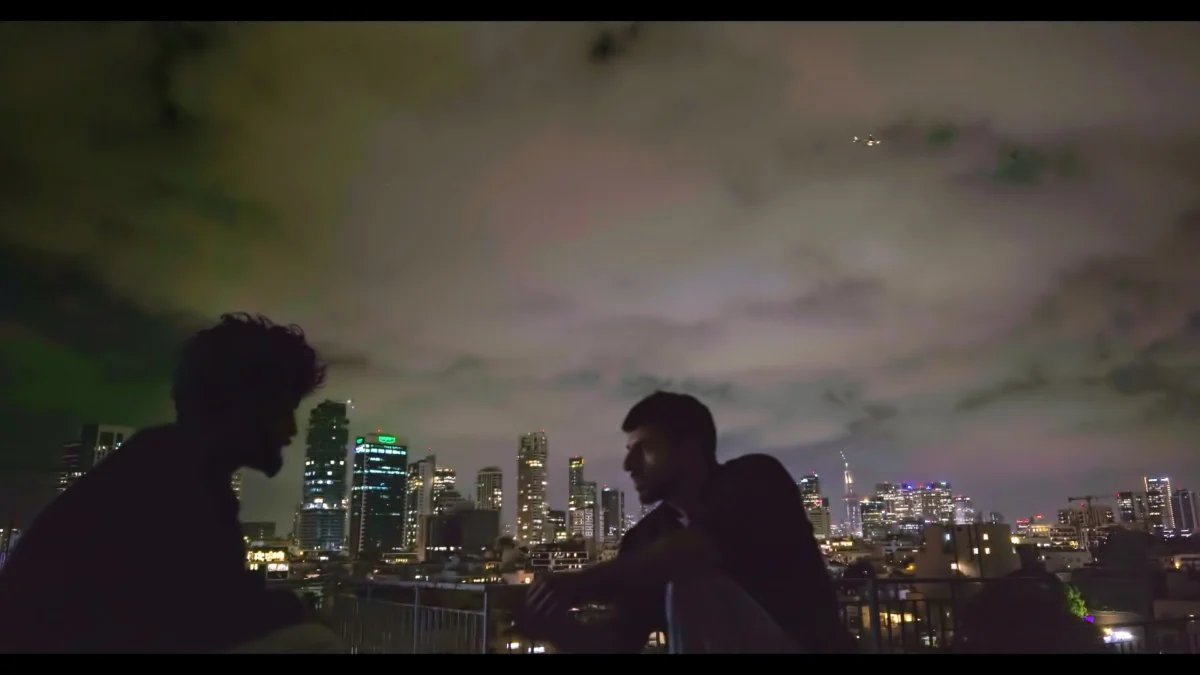
The film’s impact is expected to extend beyond the box office. As it screens in New York and Los Angeles, it will likely reignite debates regarding the ethical responsibilities of journalists and filmmakers who are citizens of a nation currently at war. The directors themselves have acknowledged this tension, noting that they spent three years filming on rooftops in Tel Aviv, observing the military from within, while simultaneously grappling with the moral weight of the actions being carried out in their name.
Broader Implications and Future Projections
The theatrical release of NAZA arrives at a critical juncture in the U.S.-Israel relationship. With the U.S. election cycle in full swing and domestic protests regarding the Gaza war frequently dominating public discourse, the film is positioned to become a flashpoint for political debate.
The strategy to roll out the film in major U.S. markets suggests a targeted effort to engage the intellectual and political elite, potentially influencing the broader narrative surrounding military assistance and diplomatic support. As the documentary moves toward a global release, the producers, including The Guardian, are expected to announce further international distribution partners. The primary challenge for the film will be maintaining its momentum in a crowded media landscape while navigating the inevitable legal and political pushback from those who view its content as damaging to national security.
Ultimately, NAZA stands as a testament to the power of the documentary form to force difficult conversations into the public square. Whether the film succeeds in its stated goal of "breaking the silence" or serves to further entrench existing divisions, its existence marks a significant moment in the documentation of the 2023-2024 Israel-Gaza conflict. By centering the perspectives of those who were inside the military apparatus, Abraham and Szor have created a document that will likely be studied and debated long after the current conflict reaches its conclusion.
As of late September 2024, the film’s producers remain committed to an aggressive release schedule. The upcoming premiere at the New York Film Festival will serve as a bellwether for the film’s reception. The presence of Jonathan Glazer as executive producer, combined with the proven track record of the directing duo, ensures that NAZA will be among the most scrutinized documentary releases of the year, potentially setting a new standard for how cinematic investigations of ongoing conflicts are produced, distributed, and debated in the modern era.