The cinematic landscape of the Sundance Film Festival often leans toward conventional crowd-pleasers, but the 2026 iteration of the prestigious gathering found a subversive outlier in Georgia Bernstein’s feature directorial debut, Night Nurse. Premiering within the festival’s adventurous NEXT competition, the film immediately challenged audiences through its unique visual grammar and unsettling thematic core. Rather than following a standard narrative arc, Bernstein crafts a disorienting, psychosexual thriller set within the languid confines of a memory-care unit. Ahead of its scheduled wide theatrical release on July 10 through distributor IFC, the film has sparked critical discussions regarding its complex web of power dynamics, moral ambiguity, and stylistic lineage.
Main Facts and Narrative Premise
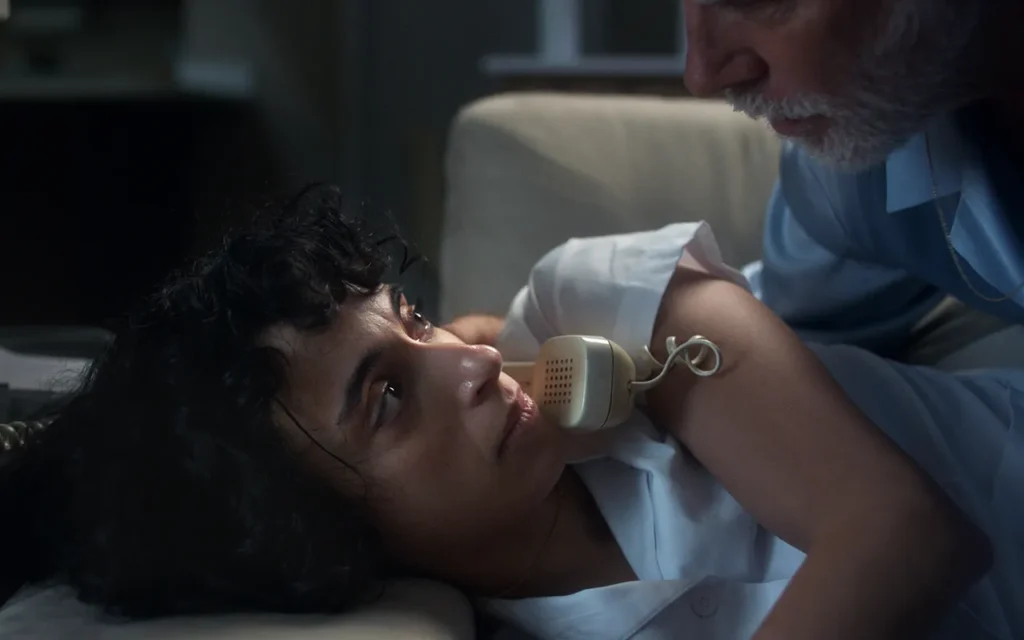
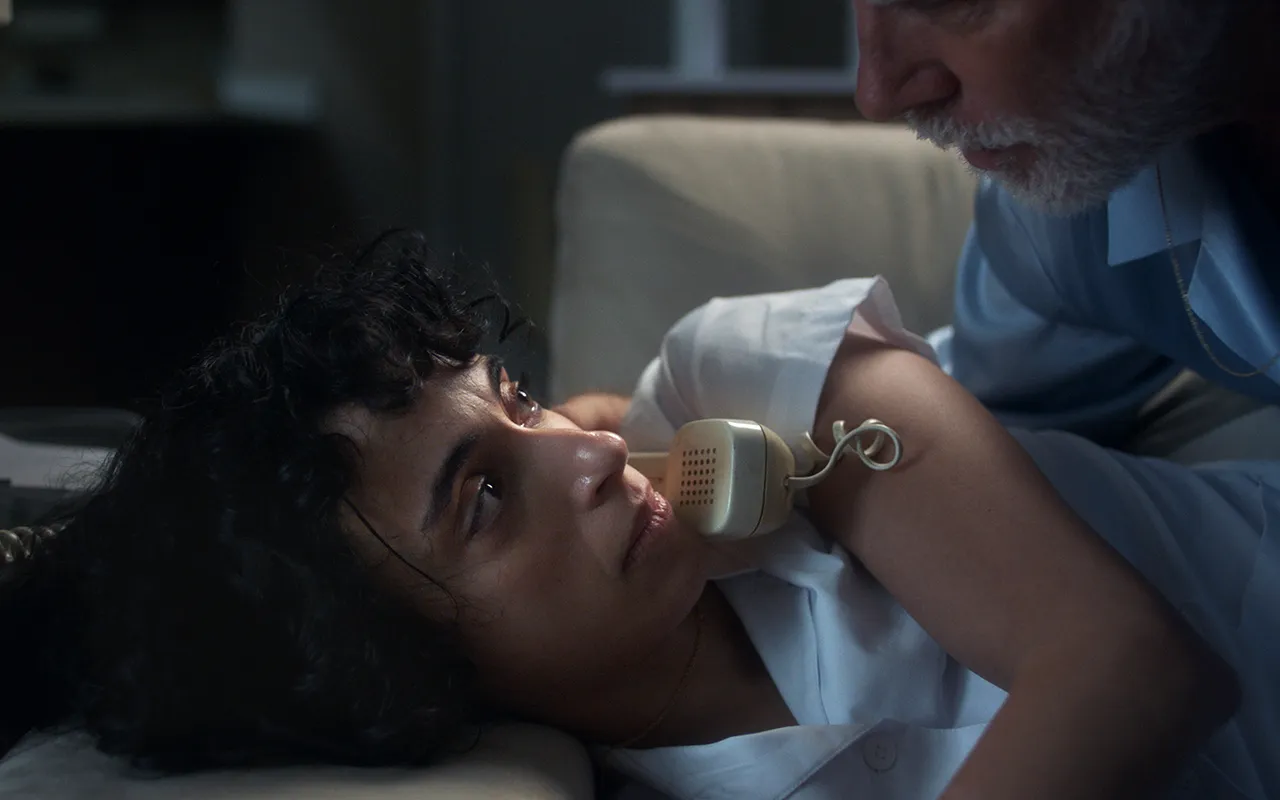
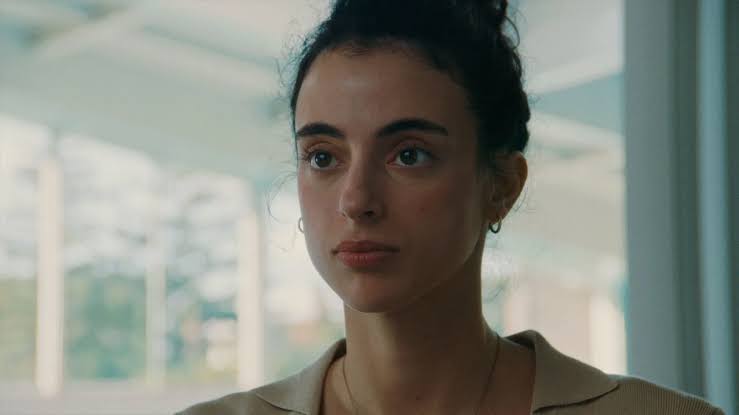
At the center of Night Nurse is Eleni, portrayed by Cemre Paksoy, a newly hired night-shift nurse working in a retirement community. During her overnight hours, she is tasked with overseeing Douglas, played by Bruce McKenzie, a patient currently undergoing evaluation for early-onset Alzheimer’s disease. Instead of maintaining professional boundaries, Eleni becomes profoundly drawn to Douglas. The relationship quickly devolves into an illicit partnership when the pair embark on a predatory enterprise: executing phone scams targeting other elderly individuals by impersonating distressed granddaughters in urgent need of financial assistance.
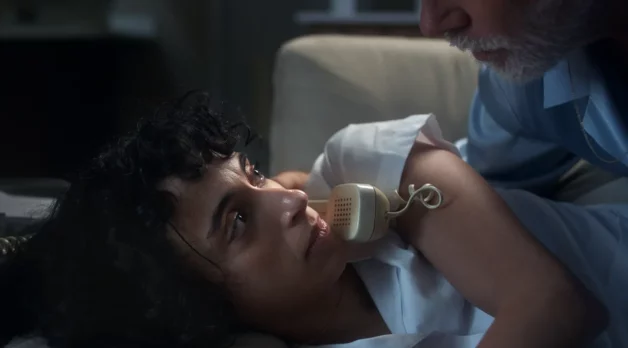
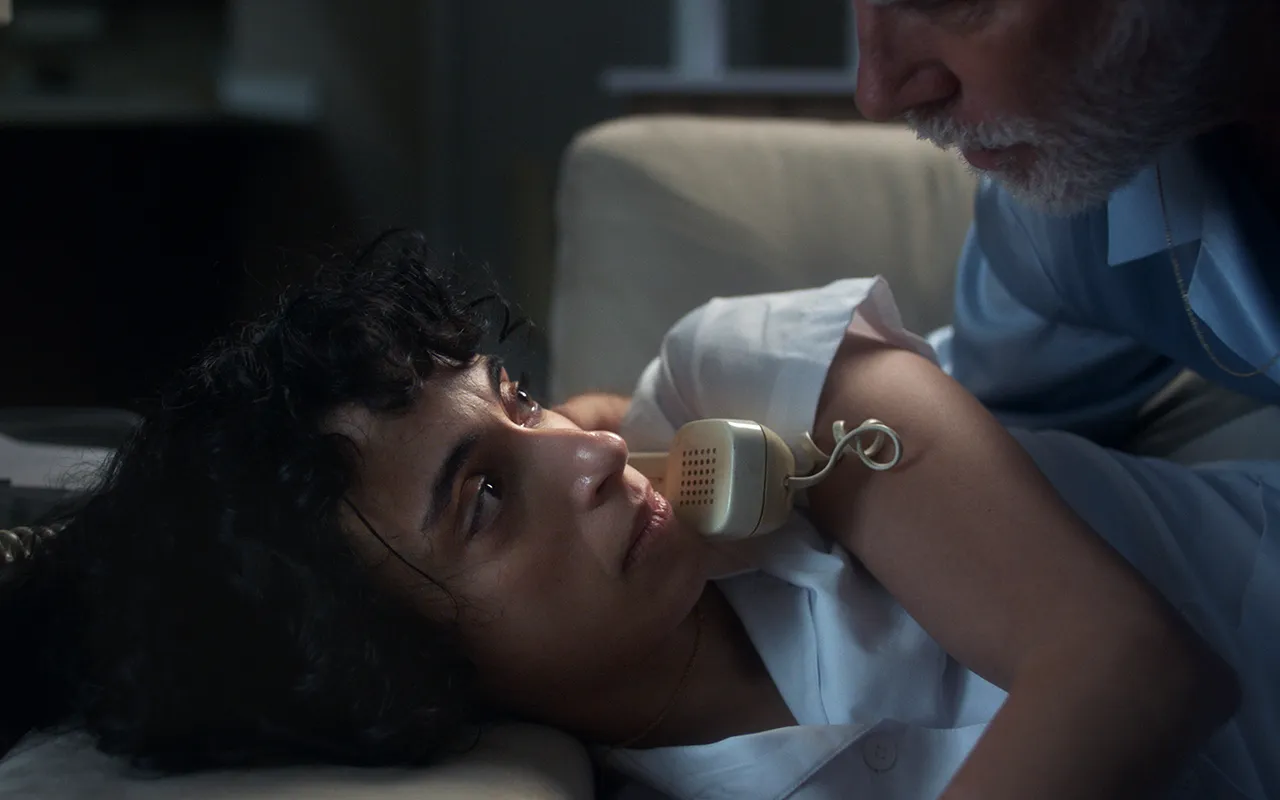
The operation delivers both monetary gain and a potent psychological thrill for the conspirators. Bernstein frames their initial phone scam in an unbroken, aching long take. During this sequence, Eleni’s immediate facial reactions are frequently obscured from the viewer, heightening the tension. Douglas physically envelops Eleni and the telephone cord, sealing the confidence game before rejecting a sudden romantic advance from Eleni with deadpan bluntness.
The psychological architecture of the film is driven by a fundamental human desire articulated by a fellow character, Mona (Éléonore Hendricks): the craving to be needed and to mean something to somebody. By taking this instinct to its most morally problematic extremes, Bernstein examines how purpose can be manufactured even through exploitation. When Eleni experiences moments of hesitation regarding their victims, Mona rationalizes the scheme, suggesting that the targeted elder was previously numb to life and that their deception has ultimately provided him with vitality and purpose.
Chronology and Production History
The genesis of Night Nurse traces back to a unique academic and professional collaboration in Chicago. Bernstein, who previously served as a producer on Alex Phillips’s features All Jacked Up and Full of Worms (2022) and Anything That Moves (2025), utilized her existing creative network to bring her script to the screen.
Following the production of Anything That Moves, Chicago-based producer Eddie Linker prepared to teach a preproduction course at Northwestern University. Seeking a practical subject for his students, Linker selected Bernstein’s script. Alongside producer Veronica Barbosa, the filmmakers integrated the script into the curriculum, instructing students on the logistical fundamentals of independent filmmaking, including establishing an LLC, drafting budgets, and navigating state tax credits. By the conclusion of the academic quarter, the foundational preproduction for Night Nurse had been successfully completed.
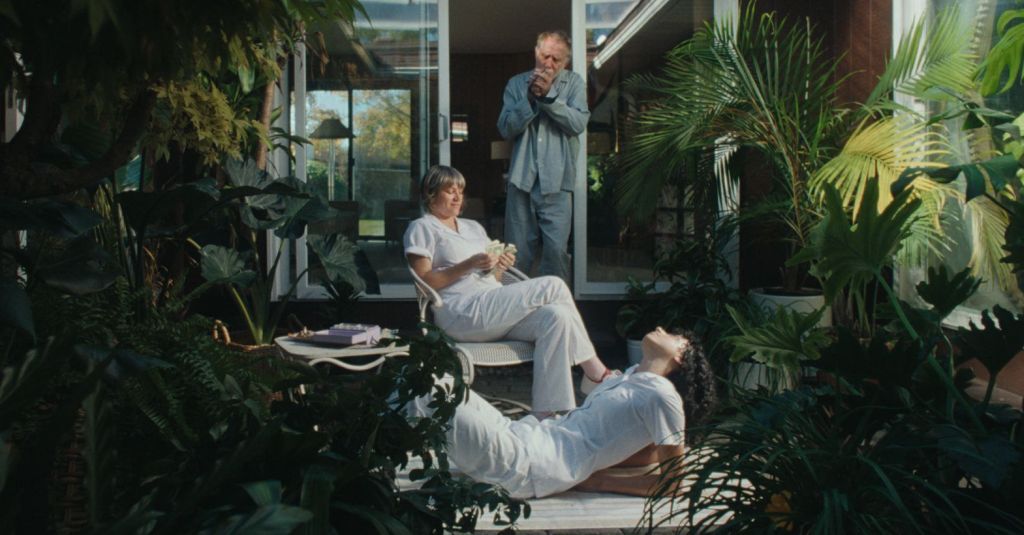
Principal photography relied heavily on practical constraints that ultimately defined the film’s aesthetic. Bernstein chose to shoot almost the entire feature inside her grandmother’s house, scripting scenes around the specific architecture, from room to room and out into the atrium. This practical decision organically influenced the atmosphere of the film, creating a timeless, disorienting setting devoid of smartphones, characterized instead by 1970s wallpaper, vintage landlines, and aged currency.
To capture the desired visual tone, Bernstein recruited cinematographer Lidia Nikonova, whose previous work on Lucy Kerr’s Family Portrait (2024) aligned with Bernstein’s artistic vision. The production team rehearsed extensively in the shooting location, blocking scenes with actors Cemre Paksoy and Bruce McKenzie. Due to scheduling considerations, the production team prioritized intimate and emotionally intense sequences during the first week of filming, establishing the psychological tone early in the schedule.
Stylistic Influences and Cinematography
Aesthetically, Night Nurse draws comparisons to the cerebral psychosexuality of Atom Egoyan and the troubling, power-obsessed cinema of Catherine Breillat. Critics have also noted distinct parallels to the clinical alienation found in the works of David Cronenberg, particularly Crash (1996), and the detached, atmospheric malaise of Lucrecia Martel.
Bernstein and Nikonova made a deliberate technical choice to reject modern stabilization methods in favor of traditional heavy equipment. Rejecting the prevalent use of Steadicams, the production utilized a slow-moving dolly for nearly every sequence. The tactile weight and mechanical sound of the dolly moving through confined domestic spaces reinforced a deliberate, languid pacing. This visual rhythm influenced the physical performances, with characters navigating carpeted hallways through slow, deliberate movements.
The auditory landscape of the film further reinforces its psychological entrapment. Composers Steven B. Jackson and Samm Clapp, who previously collaborated with Bernstein on her producing projects, constructed a score centered primarily on the piano and flute. Referencing Francis Ford Coppola’s The Conversation (1974), the composers established a recurring central theme designed to evoke the sensation of spinning in endless circles. Musicians performed portions of the score live to picture, blending pre-composed melodies with improvised cues.
Casting and Character Development
The casting process for Night Nurse combined established professional actors with figures from Chicago’s local artistic community. Bruce McKenzie was brought onto the project following recommendations from mutual acquaintances, stepping into a role initially envisioned by the director as an archetypal older male figure reminiscent of classic American cinema. Conversely, roles such as Mona were written with specific performers in mind, including Éléonore Hendricks, whose presence introduced a whimsical, enigmatic quality to the ensemble.
Broader Impact and Industry Implications
As Night Nurse approaches its July 10 wide release via IFC Films, industry analysts are monitoring its trajectory as a benchmark for contemporary regional American independent cinema. Emerging from the vibrant Chicago filmmaking ecosystem, the project demonstrates the viability of educational institutions functioning as incubators for independent feature production.
The film’s critical reception at the Sundance Film Festival underscores a growing appetite for uncompromising, morally ambiguous storytelling that defies traditional genre categorizations. By merging the structural rigor of European art-house cinema with transgressive domestic drama, Bernstein has delivered a debut that challenges conventional distribution expectations. As audiences encounter the film during its theatrical rollout, Night Nurse stands as a calculated exercise in tension, establishing its director as a formidable new voice in psychological cinema.