As May draws to a close, the television industry finds itself in its most frantic period of the year, a phenomenon awards strategists often liken to "Oscar-season December." This critical juncture marks the final rush for television series to premiere or conclude their seasons, ensuring eligibility for the upcoming Primetime Emmy Awards. With the May 31 deadline looming, streaming services, in particular, are unleashing a torrent of new and returning content, vying for the attention of an increasingly overwhelmed voter base. This strategic deluge underscores the intense competition and meticulous planning that define the modern Emmy campaign, a year-round venture for many within Hollywood’s sprawling entertainment ecosystem.
The sheer volume of television content available today is unprecedented. Following a period dubbed "Peak TV," where the number of scripted series soared to over 500 annually by 2019, the landscape has seen some recalibration post-streaming wars and industry consolidation. However, the Emmy race remains incredibly crowded, a stark contrast to its cinematic counterpart, the Academy Awards. The Television Academy, founded in 1946, has adapted its rules and categories over decades to accommodate this explosive growth, but the fundamental challenge for contenders—and voters—persists: how to stand out in a sea of excellence.
A Strategic Calendar: The Road to the Emmys
The Emmy calendar is a meticulously planned cycle designed to capture and reward the best in television. Unlike the Oscars, which predominantly focus on films released within a single calendar year, the Primetime Emmys operate on an eligibility window spanning from June 1 of the previous year to May 31 of the current year. This specific timeframe dictates the strategic release patterns witnessed annually. For shows broadcast weekly on traditional cable and broadcast networks, their fall-to-spring season naturally aligns with this window. However, for streaming platforms, which often drop entire seasons at once, May becomes a crucial month for last-minute premieres, aiming to capitalize on "recency bias" among voters.
The process begins much earlier, with studios and networks submitting their programs, performances, and technical achievements for consideration in hundreds of categories. This submission phase typically opens in early spring. Following this, the first round of voting commences, leading to the highly anticipated nomination announcements, usually in July. A second, final round of voting then determines the eventual winners, who are celebrated at the Primetime Emmy Awards ceremony, traditionally held in September. The months leading up to the May 31 deadline are thus characterized by aggressive marketing and public relations campaigns: elaborate billboards across Los Angeles, exclusive screenings, star-studded Q&A sessions with cast and creators, and extensive advertising in trade publications. These efforts represent significant financial investments, often estimated to run into the millions of dollars for a single major contender, all aimed at cutting through the noise and ensuring a project remains top-of-mind for voters.
The Evolving Landscape: Consolidation and Competition
The current Emmy battlefield reflects the ongoing evolution of the television industry, marked by significant corporate consolidation. The "Streaming Wars," while not concluding with a single victor, reshaped Hollywood’s power dynamics. Today, the primary contenders for Emmy glory largely comprise a handful of media conglomerates: Disney (encompassing ABC, Fox, FX, and Hulu), Paramount (with CBS, Paramount+, and Showtime), Warner Bros. Discovery (home to HBO and HBO Max), and Universal (including Bravo, NBC, and Peacock). These legacy players are joined by tech giants that have become formidable content creators: Apple TV+, Netflix, and Prime Video. This concentrated field means that while the number of shows is vast, the entities behind them are often familiar, mirroring the dynamics of Oscar season where a few dominant studios vie for top honors.
The economics of this competition are substantial. Industry reports suggest that leading streaming services and studios allocate considerable budgets not just to content creation but also to awards campaigning. A successful Emmy campaign can translate into renewed subscriber interest, increased brand prestige, and enhanced leverage for talent in future negotiations. Conversely, a show failing to garner nominations, despite critical acclaim or popular appeal, can be a missed opportunity in a market where awards recognition often serves as a key differentiator. This high-stakes environment underscores why the May deadline is met with such urgency, as studios strategically deploy their most promising contenders.
Decoding Emmy Nominations: A Different Calculus
A fundamental distinction between the Emmys and the Oscars lies in their nomination structures. While the Academy Awards typically nominate five films in most categories (with Best Picture being an exception, allowing up to ten), the Emmys’ category sizes are more fluid, directly influenced by the number of submissions received. This often results in a significantly larger pool of nominees. For instance, the Outstanding Drama Series and Outstanding Comedy Series categories frequently feature eight nominated shows, while Limited/Anthology Series might have five. Acting categories also fluctuate, often seeing six or more nominees, particularly in supporting roles. This expansive approach reflects the vast output of television and ensures broader recognition, though it also contributes to the perceived "crowdedness."
This mathematical reality leads to impressive, sometimes staggering, nomination tallies. Records like The Bear and The Studio tying for the most comedy series nominations in a single year (with 23 nods each) or Game of Thrones holding the drama series record (an astonishing 32 nominations in one year) illustrate the scale of Emmy recognition. Such numbers are virtually unheard of in the film awards circuit.

Furthermore, unlike the Oscars, which largely deal with a fresh slate of films each year, the Emmys often see debut seasons competing directly with long-running, established series. This creates a unique dynamic where brand-new shows, no matter how groundbreaking, must contend with the accumulated goodwill and familiarity built over multiple seasons by their veteran counterparts. Adding to the predictive complexity is the relative absence of strong "precursor" awards in the television space. While film has a robust season of critics’ awards, guild awards (DGA, PGA, WGA, SAG), and international festivals that often signal Oscar frontrunners, many of the equivalent television guild awards are presented months after the Emmys, often alongside their film counterparts. This means that many shows premiering within the eligibility window, particularly those aiming to be "top-of-mind," enter the Emmy race without the benefit of prior industry accolades, making prognostication a far more challenging and speculative endeavor than in the film world.
Navigating the Frontrunners and Dark Horses: Category Insights
Despite the inherent unpredictability, certain contenders consistently emerge as strong prospects, often due to a combination of critical acclaim, popular resonance, and strategic campaigning.
Outstanding Drama Series:
This year, HBO Max’s The Pitt stands as a formidable frontrunner. Having just concluded its wildly popular second season, the medical drama has not only garnered widespread critical praise but also ignited fervent social media discourse among its "rabid fans," making it one of the closest things to a modern "water cooler" show. Its strong cultural footprint and potential for a second consecutive Emmy for Best Drama Series position it as a juggernaut. However, the category is far from a one-horse race. Notable competitors include Prime Video’s sci-fi epic Fallout, Apple TV+’s topical The Morning Show, Hulu’s intricate Paradise, and Netflix’s beloved supernatural saga Stranger Things. New entrants like Apple’s Pluribus and HBO’s Task also aim to secure a coveted spot. In such a competitive field, securing one of the eight nomination slots is often considered a significant victory in itself, embodying the sentiment frequently expressed by industry publicists: "The nomination is the win."
Outstanding Comedy Series:
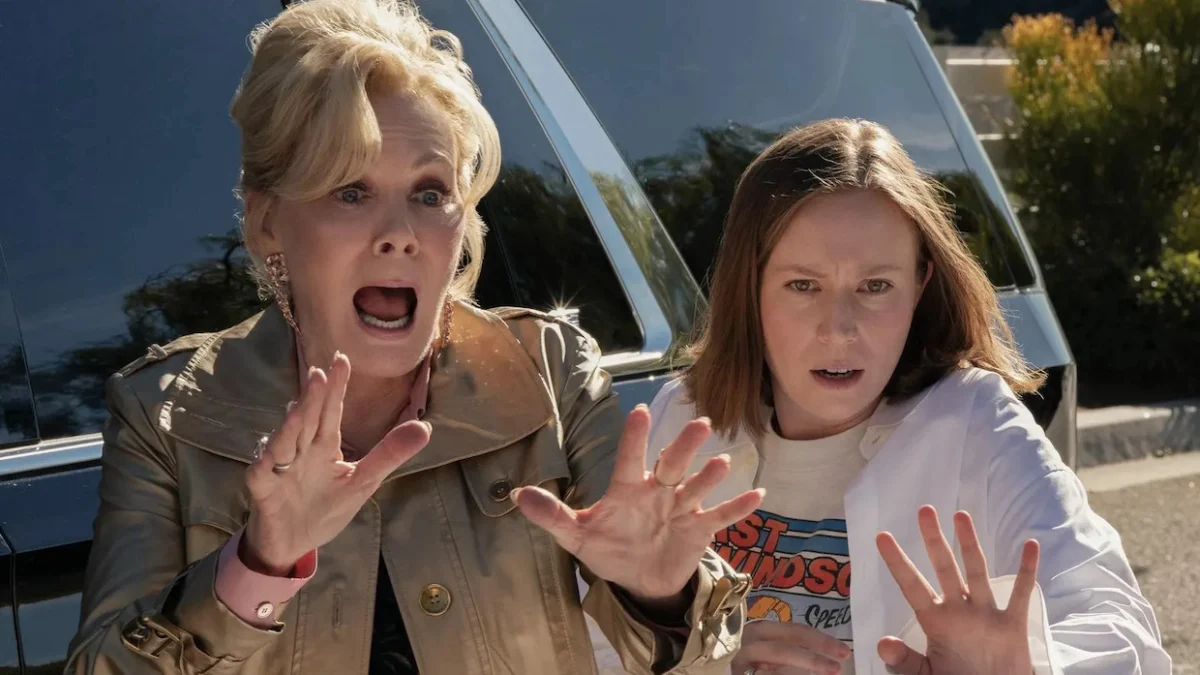
The comedy race also features a strong returning champion in HBO Max’s Hacks. With its acclaimed final season, the backstage comedy, which resonates deeply with industry voters for its realistic portrayal of show business, is a strong candidate to reclaim the series win. Furthermore, star Jean Smart is a leading contender for her fifth consecutive Emmy, a testament to her enduring appeal and the show’s consistent quality. Its path is somewhat cleared by the fact that last year’s winner, The Studio, is currently between seasons. FX’s The Bear, a previous winner, is expected to be among the nominees, though some speculate it might face the challenge of having "worn out its welcome" after Hacks notably broke its Emmy-winning streak in 2024. ABC’s Abbott Elementary continues to enjoy significant industry love, its success as a network sitcom in an era of dwindling broadcast comedies being a remarkable feat. Netflix’s Nobody Wants This and Apple’s Shrinking, both previous nominees, also remain strong contenders. Among the debut series, Apple’s Margot’s Got Money Troubles is considered particularly strong. Intriguingly, HBO’s cult classic The Comeback, despite previous acting nominations for Lisa Kudrow in 2006 and 2015, has never secured a series nomination, leading some to hope this could be its year for a long-overdue recognition of its prescient Hollywood satire.
Outstanding Limited or Anthology Series:
Often described as the "strange" and most captivating category, the Limited/Anthology Series field mirrors the Oscars in its propensity for mostly new productions each year, with the exception of subsequent seasons of anthology series. This year showcases a rich array of buzzy shows exploring contemporary relationship woes, including Netflix’s critically acclaimed Beef, HBO’s provocative DTF St. Louis, and FX’s historical drama Love Story: John F. Kennedy Jr. & Carolyn Bessette. The category also features the return of Richard Gad with HBO’s Half Man, a series rumored to be even more harrowing than his Emmy-winning 2024 sensation Baby Reindeer. Netflix, having found significant success last year with Adolescence and its compelling narrative of "fucked-up British boys," offers a fresh adaptation of Lord of the Flies. Adding a unique flavor is Prime Video’s Bait, a half-hour dark comedy starring Riz Ahmed as a very Riz Ahmed-esque actor in London vying for the role of the next James Bond, blending meta-commentary with sharp humor. This category often reflects the most innovative and culturally resonant storytelling, providing a snapshot of the year’s most impactful standalone narratives.
Beyond the Awards: Emerging Narrative and Production Trends
The sheer volume of content vying for Emmy recognition not only highlights individual shows but also reveals broader industry trends. One significant trend is the continued blurring of genre lines. The traditional distinctions between comedy and drama are increasingly fluid, giving rise to sophisticated "dramedies" and genre-bending narratives that challenge conventional categorization. This reflects a desire from creators to explore complex themes with nuanced tones, and from audiences for stories that defy easy classification.
Another emergent theme is the pervasive influence of artificial intelligence. As AI rapidly integrates into various aspects of society, television narratives are increasingly tackling its nuances, ethical dilemmas, and existential threats. From speculative sci-fi to grounded contemporary dramas, shows are grappling with the implications of AI on humanity, work, and relationships, reflecting widespread societal anxieties and fascinations.
Finally, the political chaos and social turbulence of our current era are undeniably impacting the stories being told on television. Whether through direct political commentary, allegorical narratives, or character-driven explorations of societal pressures, creators are leveraging the medium to reflect, interrogate, and sometimes escape the complexities of the modern world. This responsiveness to the zeitgeist ensures that television remains a vital cultural barometer.
As the May 31 eligibility deadline passes, the focus will shift from content creation and release to strategic campaigning and, eventually, the intricate process of voting. The Emmy season is a microcosm of the dynamic, ever-evolving television industry—a chaotic yet thrilling landscape where innovation, cultural resonance, and strategic prowess converge. Over the coming months, industry observers and dedicated prognosticators will continue to dissect this crowded field, aiming to uncover the shows, performances, and behind-the-scenes talents that Emmy voters will ultimately deem the year’s best, attempting to organize the chaos into a coherent narrative of excellence.