The global streaming landscape reached a significant milestone on Friday as Netflix officially integrated the programming of TF1, France’s leading commercial broadcaster, into its platform for French subscribers. Operating under the banner "More to Watch, All in One Place," this partnership represents a fundamental shift in how global streaming services and national broadcasters coexist, moving away from direct competition toward a model of symbiotic aggregation. The launch follows a high-profile announcement made a year ago at the Cannes Lions International Festival of Creativity, where both entities outlined a vision to merge the reach of a global digital giant with the local cultural resonance of a legacy media powerhouse.
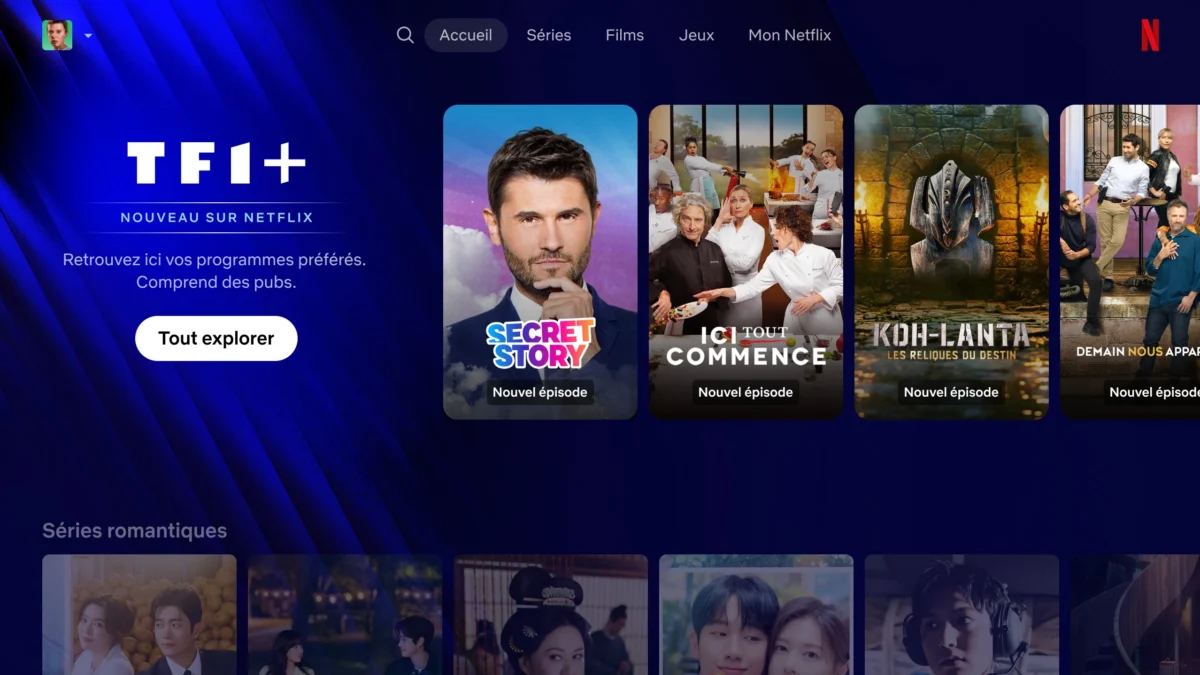
Starting today, Netflix members in France gain direct access to TF1+ programs and a suite of live linear channels without leaving the Netflix interface. This integration is designed to be seamless, mirroring the native Netflix user experience while significantly expanding the variety of content available to its approximately 10 million French subscribers. The move is widely viewed by industry analysts as a strategic pivot for Netflix, which is increasingly adopting tactics traditionally associated with pay-TV providers to bolster user retention and engagement in an increasingly saturated market.
The Evolution of the Netflix and TF1 Partnership
The collaboration between Netflix and TF1 Group did not emerge in a vacuum. It is the culmination of years of shifting dynamics within the French media ecosystem. Historically, French broadcasters viewed global streamers with skepticism, fearing that the "GAFA" (Google, Apple, Facebook, Amazon) and Netflix would erode the country’s unique cultural "exception" and drain advertising revenue. However, the failure of Salto—a domestic streaming joint venture between TF1, M6, and France Télévisions that shuttered in early 2023—underscored the difficulty of competing against the technological and financial scale of American platforms.
Following the dissolution of Salto, TF1 Group, under the leadership of CEO Rodolphe Belmer, pivoted toward a strategy of wide distribution and digital transformation. The deal announced at Cannes Lions in 2023 was the first major signal of this new direction. By leveraging Netflix’s sophisticated delivery infrastructure and recommendation algorithms, TF1 aims to capture younger, "cord-never" audiences who spend the majority of their viewing time within streaming apps. For Netflix, the deal provides a massive injection of local "appointment television," including news and live sports, which have traditionally been the missing pieces in its content puzzle.
Technical Integration and User Experience
A core component of this partnership is the technical sophistication of the integration. Unlike traditional "app-in-app" experiences where a user is redirected to a third-party interface, Netflix is providing TF1+ content via the French broadcaster’s Application Programming Interface (API). This allows TF1’s live and on-demand library to be woven directly into the Netflix UI.
Subscribers will find TF1 content appearing in familiar Netflix features, such as the "Continue Watching" row, "My List," and the algorithmically generated "Top 10" rankings. This deep integration ensures that a user can switch from a Netflix original series like Lupin to a TF1 live news broadcast or a daily soap opera with minimal friction. Despite this deep technical link, TF1 retains full control over its programming and advertising inventory within the integrated sections. This allows the broadcaster to maintain its primary revenue stream—ad sales—while benefiting from the increased "eyeballs" provided by the Netflix user base.
A Comprehensive Content Portfolio
The content being introduced to Netflix through this deal is extensive and spans multiple genres, catering to the diverse tastes of the French public. The integration includes live broadcasts from five distinct networks:
- TF1: The flagship channel known for major events and primetime entertainment.
- TMC: A channel focused on lifestyle, talk shows, and cinema.
- TFX: Aimed at a younger demographic with reality TV and series.
- TF1 Séries Films: Dedicated to scripted drama and cinematic releases.
- LCI: A 24-hour news channel providing real-time coverage of domestic and international events.
Beyond linear channels, the partnership emphasizes high-value "sticky" content. This includes major live sporting events, such as the Rugby Nations Championship and matches featuring the French national soccer team, which remain among the highest-rated broadcasts in the country. Daily dramas and soaps, a staple of French television culture, are also a major draw. Series such as Demain nous appartient and Ici tout commence will now be available for on-demand streaming on Netflix, alongside legacy hits like Zodiaque, Diplôme, and La Cible.

Furthermore, the deal brings France’s most popular reality and competition franchises to the streamer. Titles like Koh-Lanta (the French version of Survivor), Secret Story, Star Academy, and Dancing with the Stars (Danse avec les stars) are expected to drive significant engagement, particularly among demographics that value social media-driven "watercooler" television.
Strategic Objectives: Stickiness and Discovery
For Netflix, the primary goal of this integration is "stickiness"—a metric used to measure how indispensable a service is to a user’s daily routine. By incorporating local news, live sports, and daily soaps, Netflix transforms from a destination for occasional binge-watching into a primary hub for all television consumption. This is particularly important in France, where competition from local players like Canal+ and other global services like Disney+ and Amazon Prime Video is intense.
Greg Peters, Netflix co-CEO, emphasized the importance of variety and personalization in the modern era. "People have more entertainment choices than ever, so we have to consistently give them the best variety of TV and films in a seamless and personalized way," Peters stated. He highlighted that the partnership brings together two "complementary content offerings" to deliver enhanced value to members.
From the perspective of TF1, the partnership is an opportunity for audience expansion and data-driven discovery. Rodolphe Belmer, CEO of the TF1 Group, noted that the collaboration allows the broadcaster’s content to reach new audiences. "By combining our programming with the power of Netflix’s recommendations, we will reach new audiences together and open up new opportunities for our advertisers," Belmer said. The Netflix algorithm, which is world-renowned for its ability to surface "hidden gems," will now be applied to TF1’s library, potentially giving a second life to older series and boosting the viewership of current programs.
Market Context and Economic Implications
The French media market is one of the most regulated and complex in the world. The "media chronology" laws, which dictate the windows between a film’s theatrical release and its availability on streaming services, have often put Netflix at odds with local regulators. However, this carriage deal suggests a maturing relationship between the streamer and the French establishment.
Data suggests that streaming penetration in France continues to grow, with over 70% of households subscribing to at least one Video on Demand (VOD) service. TF1, meanwhile, maintains a dominant position in linear broadcasting, often capturing over 20% of the total audience share during primetime. By merging these two spheres, the partners are creating a powerhouse that covers both the digital-first and traditional-viewing segments of the population.
Analysts suggest that this deal could serve as a blueprint for Netflix in other territories. In markets like the United Kingdom, where public service broadcasters like the BBC and ITV have strong digital presences (iPlayer and ITVX), or in the United States, where "skinny bundles" are becoming popular, similar aggregation deals could follow. The success of this launch will likely be measured by "churn" reduction—the rate at which subscribers cancel their service—and the increase in average daily hours spent on the platform.
Future Outlook for Streaming Aggregation
The launch of TF1 on Netflix marks the beginning of what many industry experts call the "Re-bundling Era." After a decade of fragmentation where consumers were forced to subscribe to multiple disparate services, the industry is moving back toward a centralized model reminiscent of the cable TV era, albeit with the benefits of on-demand technology and personalized algorithms.
If the TF1 integration proves successful in France, it is expected that Netflix will explore similar carriage and aggregation deals with other national broadcasters globally. The ability to analyze viewing data from this partnership will provide Netflix with invaluable insights into how live news and local sports impact the retention of streaming-first subscribers. For now, French viewers are the first to experience this "all-in-one" model, setting a precedent that could redefine the global entertainment economy for years to come.