While a full-length theatrical sequel to the global animated phenomenon remains years away from hitting screens, Netflix is bridging the gap for fans by heavily investing in the franchise’s ancillary content. The streaming platform has significantly bolstered its catalog with the addition of four new seasons of supplemental programming spread across two distinct companion titles: the newly launched KPop Demon Hunters PLAYlist and the expanded second season of KPop Demon Hunters Bonus Content. Combined, these releases introduce 22 fresh episodes totaling approximately 78 minutes of new material.
This strategic rollout arrives as the original film continues to exhibit unprecedented staying power on the platform. Having spent an extraordinary 67 weeks inside Netflix’s global top ten lists, the movie has accumulated a staggering 1.145 billion viewing hours and approximately 687.1 million completed views. By deploying fresh content ahead of the critical holiday shopping season, Netflix aims to maintain audience engagement for a property that has rapidly evolved from a standalone animated feature into a multi-platform entertainment juggernaut.
Comprehensive Breakdown of the New Companion Content
The newly introduced content is strategically divided to cater to varying segments of the franchise’s demographic, ranging from interactive children’s programming to dedicated instructional dance media for older fans.
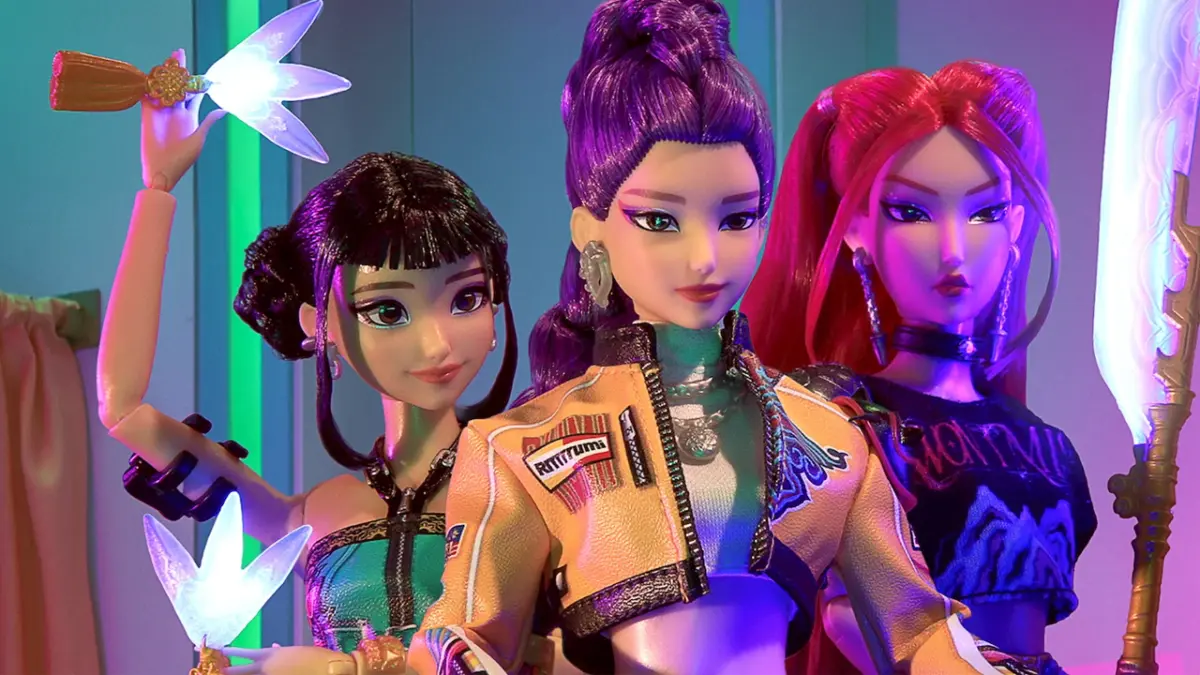
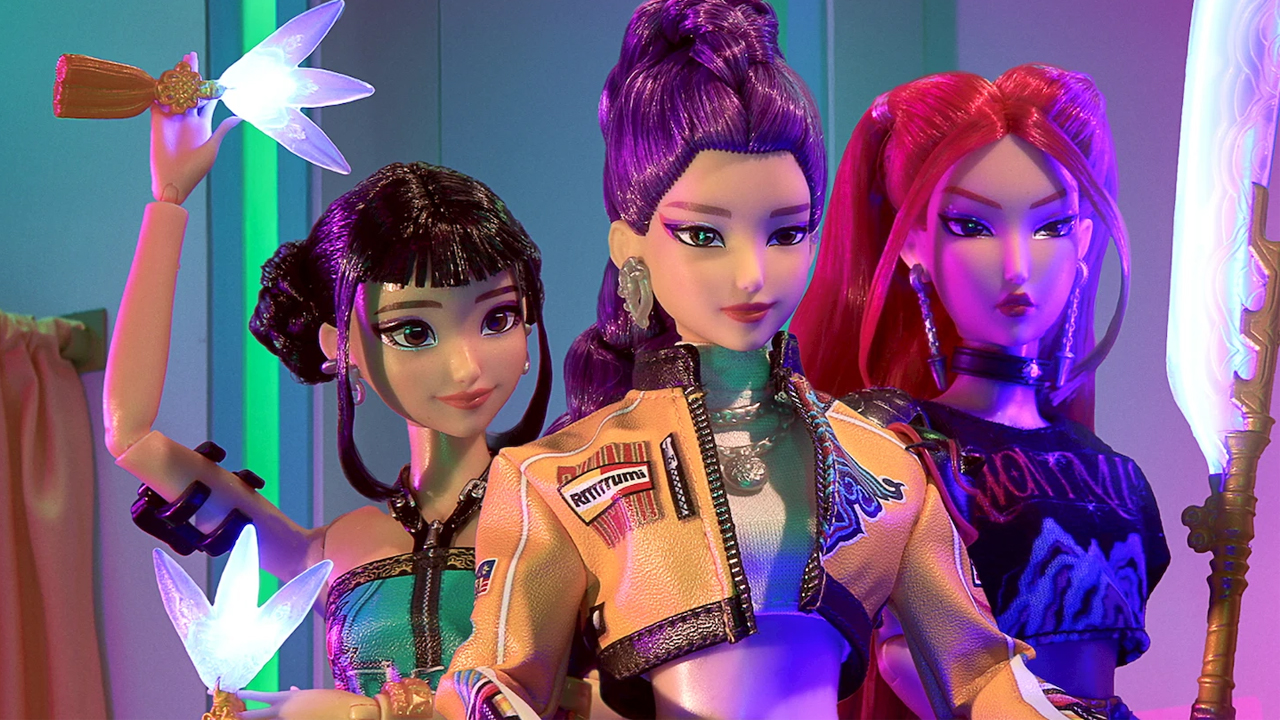
The primary addition, KPop Demon Hunters PLAYlist, is positioned as an interactive, short-form kids’ title comprising 13 episodes running for roughly 49 minutes across three distinct seasons. Season one, titled HUNTR/X Backstage Pass, transports viewers behind the scenes with fictional pop group members Rumi, Mira, and Zoey as they navigate the pressures of rival idol groups, chronic writer’s block, and supernatural incursions. Season two, KPop Toy Creations, pivots into stop-motion animation, utilizing physical toy incarnations of the main characters to reenact and satirize pivotal narrative beats from the original feature film. Season three, Play Games With Us, blends doll-based play with fan-focused challenges, heavily incorporating motifs and visual nods to popular culture, including recurring culinary nods to instant ramyeon.
Concurrently, the second season of KPop Demon Hunters Bonus Content focuses on practical application, running for nearly 29 minutes. Designed explicitly for fans looking to replicate the choreography from the film, this season features instructional dance videos led directly by the movie’s original choreographers. This release rectifies criticisms from the entertainment community regarding the initial March release of the bonus collection, which clocked in at a scant ten minutes of total runtime.
Commercial Expansion and Global Merchandise Integration
The timing of these digital content drops aligns closely with aggressive commercial maneuvers by Netflix and its corporate partners. During the initial theatrical and streaming launch of the movie, global demand severely outpaced physical product availability, resulting in noticeable retail shortages. To rectify this supply-chain bottleneck ahead of the peak holiday retail period, Netflix has formalized global co-master toy licensing agreements with major manufacturing giants Mattel and Hasbro. The introduction of stop-motion toy narratives within the PLAYlist episodes functions dually as narrative entertainment and direct-to-consumer product placement.
Furthermore, the physical merchandise ecosystem is expanding well beyond traditional toys and apparel. The franchise is extending its physical footprint through the upcoming launch of Netflix House, a permanent location-based entertainment venue concept. KPop Demon Hunters: The Immersive Experience is scheduled to open at Netflix House Dallas on November 12, followed by a secondary launch at Netflix House Philadelphia on November 20.
Priced at a general admission starting rate of $39—with children’s tickets starting at $34—the immersive attraction places participants directly inside the franchise’s narrative framework. The experience initiates in a simulated backstage holding area with the group HUNTR/X before the storyline is disrupted by the antagonist Gwi-Ma. Attendees are subsequently funneled through neon-illuminated recreations of Seoul to help restore the mystical Honmoon barrier utilizing interactive sets, 3D projection technology, live-action actors, and custom animation. The installation also incorporates physical puppetry developed in collaboration with Jim Henson’s Creature Shop, featuring characters such as Sussie Bird and a Derpy Tiger.
Broader Franchise Milestones and Critical Recognition
The autumn of 2026 marks a high-water mark for the intellectual property across diverse media sectors. On November 3, the film crossed over into the prestige cinema market with an official release via the Criterion Collection, signaling rare critical and institutional validation for a mainstream streaming animation project. This physical media milestone is being supported by specialized weekend retrospective events attended by industry insiders and critics.
Concurrently, preparations continue for the previously announced global arena concert tour produced in partnership with AEG Presents. Although initial announcements in May outlined the scope of the live musical undertaking, specific routing, municipal stops, and ticketing timelines remain in development as promoters coordinate schedules with the voice talent and musical producers.

The Long Horizon of Development for the Sequel
The aggressive schedule of companion content, physical experiences, and merchandise rollouts is largely necessitated by the protracted production timeline required for the official feature-length sequel. Netflix confirmed the greenlight for a follow-up film in March, securing directors Maggie Kang and Chris Appelhans to spearhead the project under the umbrella of their multi-year creative partnership with the streamer.
However, industry analysts and studio executives have tempered expectations regarding an immediate release window. Initial financial projections published by Bloomberg pointed toward a potential 2026 target, a timeline quickly dismissed as unrealistic by industry observers. Confirming these logistical realities, Sony Pictures Animation President Kristine Belson indicated that production schedules point toward a release window closer to the end of the decade, aligning with estimates of 2030 or 2031.
Director Maggie Kang has addressed the prolonged development cycle during press engagements in Seoul, assuring stakeholders that the sequel is being constructed on a grander scale, promising broader narrative scope, escalated stakes, and more intricate musical sequences than its predecessor.
Implications for Streaming Strategy
The strategy of deploying granular, short-form companion content while holding back major cinematic sequels reflects a broader operational shift within major subscription video-on-demand services. By maintaining continuous touchpoints with consumers through interactive playlists, dance tutorials, physical retail partnerships, and location-based entertainment, Netflix effectively mitigates subscriber churn for completed intellectual properties. As KPop Demon Hunters continues to register engagement metrics well beyond standard streaming lifecycles, these incremental content additions ensure the brand remains culturally and commercially dominant while the lengthy animation pipeline for the definitive sequel quietly advances behind the scenes.