The streaming giant Netflix has confirmed it will broadcast NASA’s upcoming SpaceX Crew-13 mission live to its global subscriber base, continuing a strategic partnership that began in mid-2025. Following the strong viewership of the Artemis II lunar flyby and splashdown events earlier this year, the platform is expanding its live-event portfolio to include routine commercial crew rotations to the International Space Station (ISS). The live broadcast for the Crew-13 liftoff is scheduled to begin coverage on Thursday, October 1, 2026, at 13:30 UTC. This ongoing collaboration marks a significant evolution in how public space agencies distribute milestone missions, leveraging commercial streaming infrastructures to reach broader, mainstream audiences outside traditional broadcast networks and digital platforms like YouTube.
Main Facts of the SpaceX Crew-13 Mission
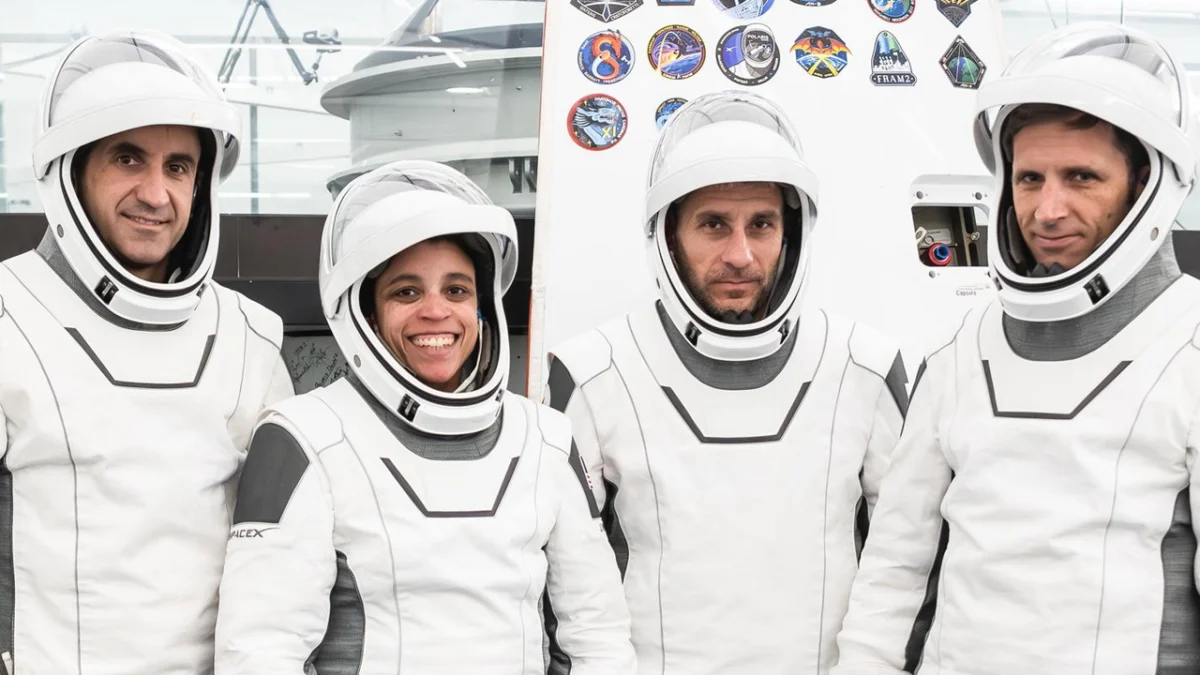
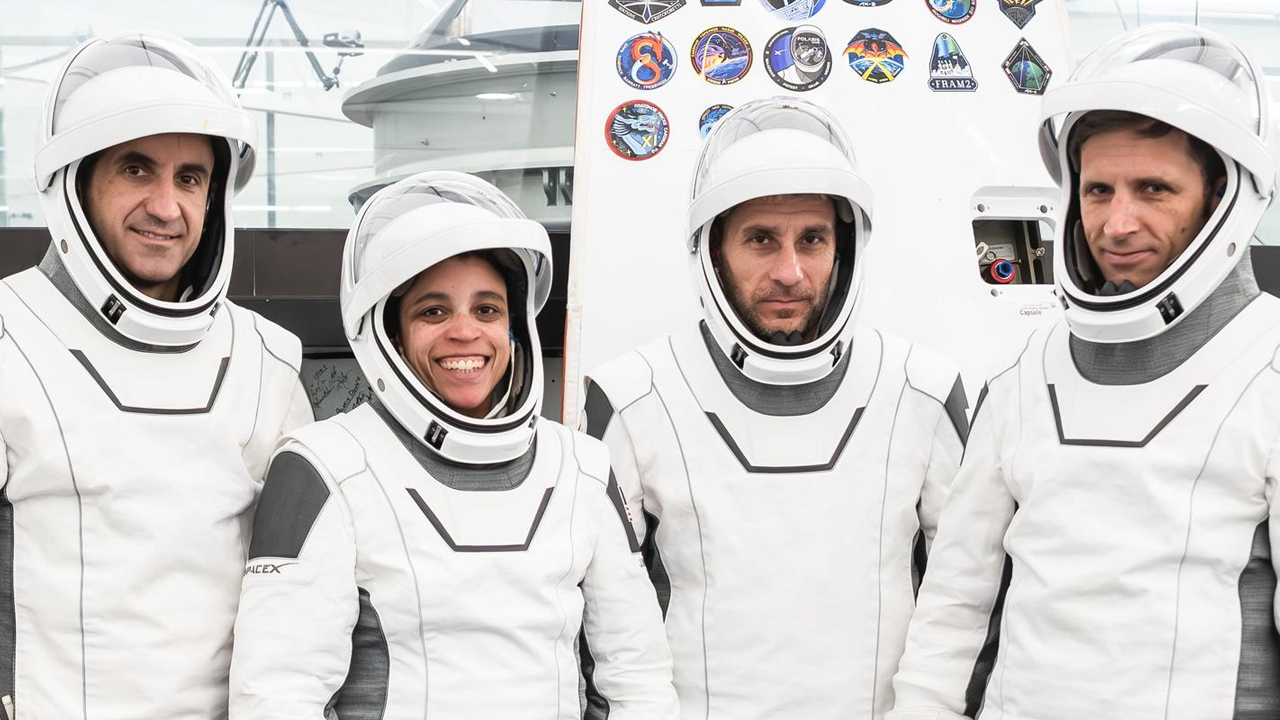
The SpaceX Crew-13 mission represents NASA’s thirteenth operational commercial crew rotation flight to the International Space Station under the Commercial Crew Program. A four-person international crew, consisting of seasoned astronauts and mission specialists from NASA, the Canadian Space Agency (CSA), and Roscosmos, will board a SpaceX Falcon 9 rocket topped with a Crew Dragon capsule.
Once launched from Kennedy Space Center in Florida, the spacecraft will rendezvous and dock with the orbiting laboratory. The crew is slated to remain aboard the ISS for a multi-month expedition, during which they will perform critical station maintenance, oversee technology demonstrations, and conduct hundreds of advanced scientific investigations. These experiments range from microgravity materials science and human physiological adaptations to Earth observation and biotechnology, aiming to yield insights that benefit life on Earth while laying the groundwork for future crewed missions to the Moon and Mars. The mission concludes with an unberthing and splashdown off the coast of Florida scheduled for 2027.
Chronology and Strategic Evolution of NASA-Netflix Partnership
The inclusion of the Crew-13 launch on Netflix is the latest milestone in a partnership established in mid-2025. Initially, the collaboration introduced select NASA live broadcasts directly into the platform’s user interface as part of Netflix’s broader initiative to integrate live programming, which has previously featured comedy specials, reality television reunions, and live sports entertainment.
While the rollout of live space programming experienced a cautious beginning with intermittent broadcasts, momentum accelerated notably in the spring of 2026. In April 2026, Netflix broadcast the historic Artemis II lunar flyby, followed days later by the mission’s high-profile splashdown. The success of those broadcasts convinced executives at both NASA and Netflix that consumer demand for high-definition space exploration content exists within a mainstream subscription video-on-demand environment. By securing the rights to carry the Crew-13 launch, Netflix signals that live scientific exploration is moving from a peripheral experiment to a recurring component of its content strategy.
Supporting Data and Viewership Metrics
The rationale behind Netflix’s continued investment in space launches is supported by recently published data from the Netflix Engagement Report covering the first half (H1) of 2026. The metrics revealed that the platform’s broadcasts of the Artemis II lunar flyby and splashdown accumulated a combined 3.8 million viewing hours globally.
While these numbers do not rival the peak viewership figures generated by massive live entertainment spectacles or major sporting events on the platform—such as high-profile boxing matches or reality television finales—they represent a solid performance for non-fiction, educational live programming. Generating millions of hours of engagement for a live scientific broadcast demonstrates a resilient baseline audience interested in aerospace milestones. Furthermore, because Netflix integrates the live stream into its standard user interface without requiring an additional fee or pay-per-view purchase, the space broadcasts serve as a high-value value-add for subscribers while simultaneously expanding NASA’s public outreach footprint.
Official Responses and Distribution Details
Representatives from both NASA and Netflix have emphasized the mutual benefits of the broadcasting arrangement. NASA continues to prioritize widespread accessibility, ensuring that the partnership with Netflix does not restrict access. The Crew-13 broadcast will remain simultaneously available through NASA’s traditional public channels, including NASA+ and its official YouTube channel. Netflix acts strictly as an additional, high-visibility distribution partner, bringing the launch feed directly to households that might not actively seek out dedicated government science channels.
For subscribers wishing to view the event, the Netflix livestream will commence coverage at 13:30 UTC on October 1, 2026, ahead of the targeted liftoff window. The platform will utilize the official NASA broadcast feed, providing viewers with mission control commentary, pre-launch countdown analysis, and technical updates. Additionally, Netflix has configured its platform architecture to allow users to add the event to their personal watchlists and access replays following the conclusion of the live broadcast window.
Broader Impact and Implications for Public-Private Space Media
The evolution of space mission broadcasting reflects a broader shift in how major scientific and technological achievements are communicated to the global public. For decades, live rocket launches were the exclusive domain of specialized public television networks, government agency webcasts, and dedicated space enthusiasts. By integrating these feeds into mass-market streaming services like Netflix, aerospace agencies can bypass traditional media friction and place complex scientific expeditions directly onto the home screens of hundreds of millions of users worldwide.
This accessibility has the potential to reshape public engagement with STEM fields and commercial spaceflight. As commercial crew rotations become routine—transitioning from experimental flights to standard operational transit to low Earth orbit—maintaining public interest and awareness is vital for sustained funding and political support. Collaborations between public agencies like NASA and private streaming distributors suggest a sustainable model for the future, where high-stakes scientific exploration intersects directly with mainstream digital entertainment ecosystems.