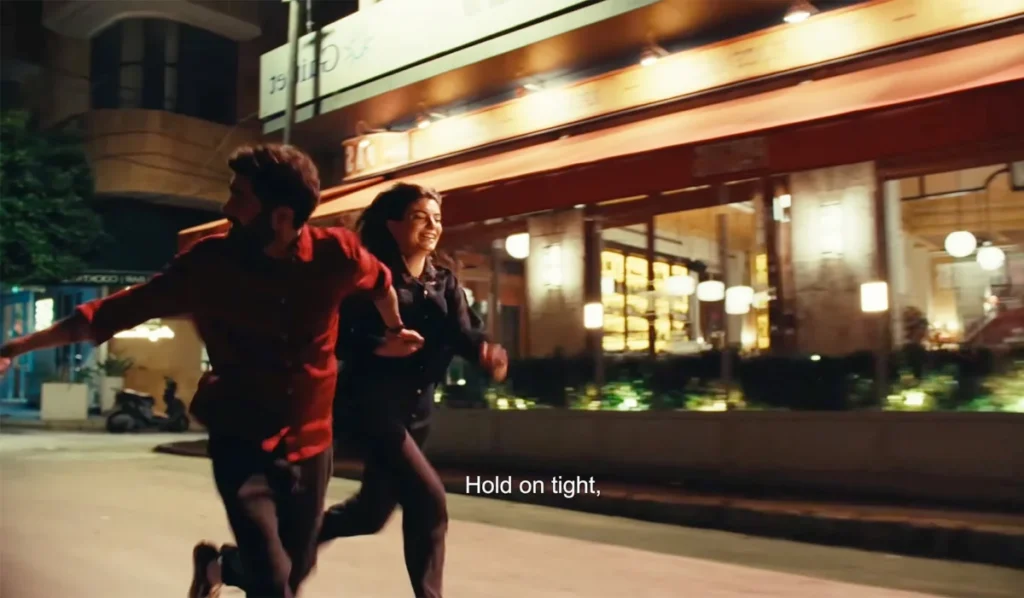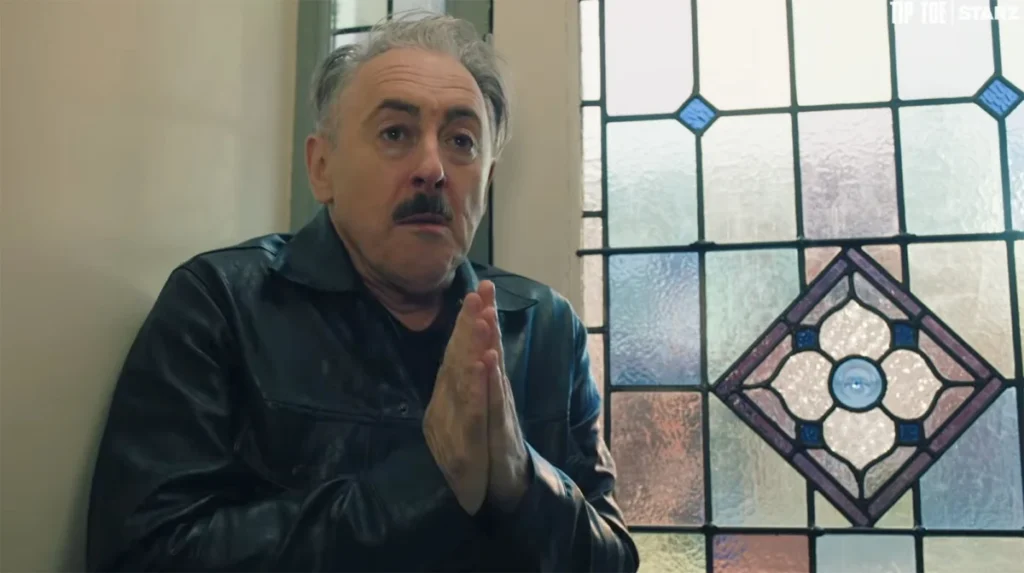
Strand Releasing has officially unveiled the trailer for Jimmy, an impressionistic feature-length debut from photographer and filmmaker Yashaddai Owens that explores the formative years of literary icon James Baldwin. Scheduled for a select theatrical release on July 31, 2026, the film marks a significant addition to the cinematic landscape documenting the lives of American intellectual giants. Unlike traditional biopics that attempt to span decades of a subject’s life, Owens’ work focuses on a pivotal moment in history: November 1948, the month James Baldwin departed New York City for Paris, a move that would fundamentally alter the trajectory of his life and the American literary canon.
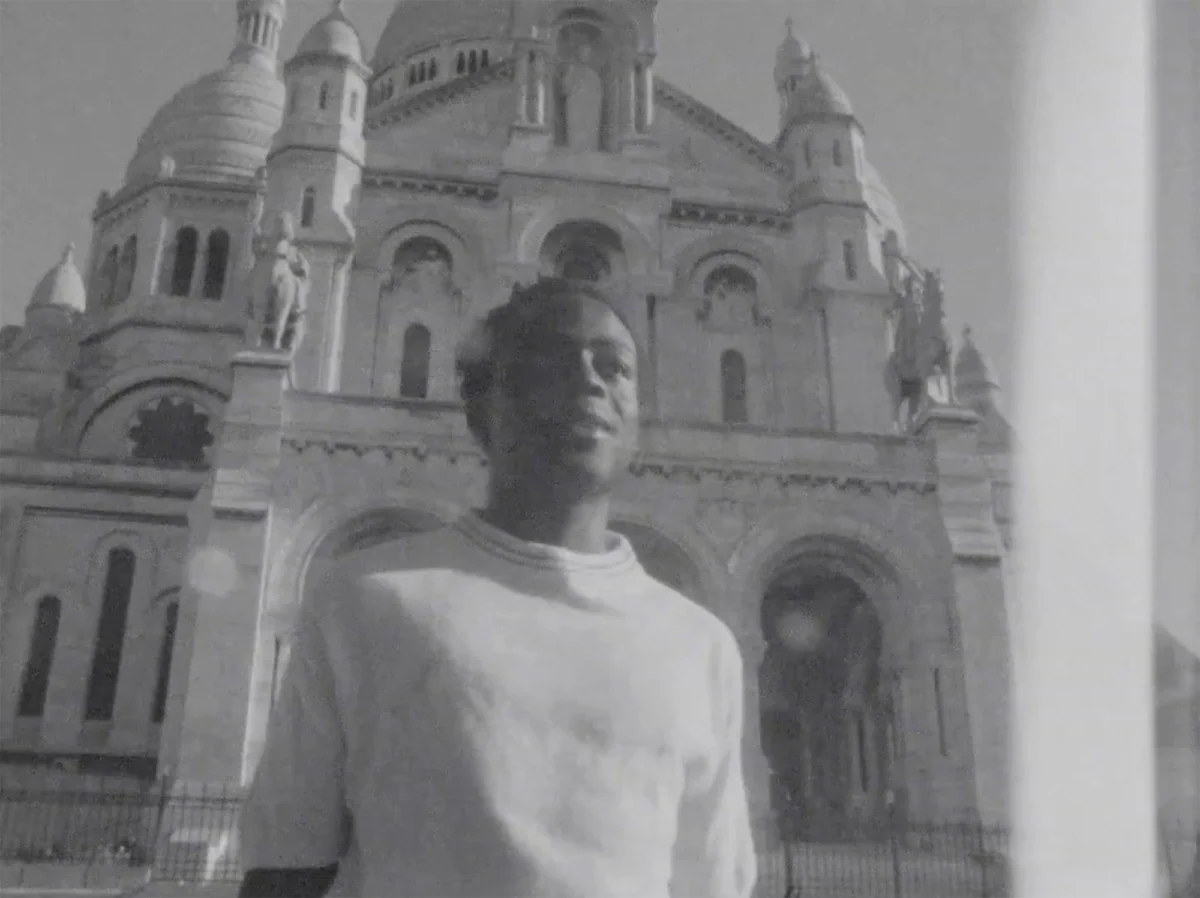
The film stars Benny O. Arthur as the young Baldwin, capturing the author at a time of profound transition and vulnerability. Shot entirely on 16mm black-and-white film, the production utilizes an aesthetic reminiscent of the French New Wave, mirroring the very artistic movement that was beginning to stir in the cafes and streets of Paris during Baldwin’s residency. With a runtime of 67 minutes, the film is a concise, jazzy portrait that prioritizes atmosphere, emotion, and the internal state of its protagonist over conventional narrative exposition.
Historical Context: The 1948 Departure of James Baldwin
To understand the significance of Jimmy, one must look at the historical reality of James Baldwin’s departure from the United States. In 1948, Baldwin was 24 years old and living in Harlem. Despite his burgeoning talent, he felt stifled by the pervasive racism and social limitations of Jim Crow-era America. Baldwin famously remarked that he left America because he doubted his ability to survive the domestic climate of racial terror, fearing that he would either succumb to violence or be consumed by bitterness.
Armed with a fellowship grant and reportedly only $40 in his pocket, Baldwin arrived in Paris on November 11, 1948. This relocation was not merely a change of scenery but a radical act of self-preservation and artistic liberation. In Paris, Baldwin found a degree of social distance that allowed him to reflect on his American identity with greater clarity. It was during his time abroad—spanning Paris, the Swiss Alps, and Istanbul—that he completed some of his most influential works, including Go Tell It on the Mountain (1953) and Giovanni’s Room (1956).
Yashaddai Owens’ film focuses specifically on this "arrival" phase. By framing the narrative around the transition from Harlem to the French capital, the film captures the "expatriate spirit" that defined a generation of Black American artists and intellectuals, including Richard Wright and Chester Himes, who sought refuge in Europe.

Production Aesthetics and Creative Vision
The decision to shoot Jimmy on 16mm film is a deliberate choice by Owens to evoke a specific era of cinema. The grain and texture of 16mm provide a tactile, historical feel that digital formats often struggle to replicate. This medium aligns with the film’s "impressionistic" label, focusing on the play of light and shadow on the streets of Paris and the intimate expressions of Benny O. Arthur.
The film’s structure is described as "French New Wave-esque," referencing the Nouvelle Vague movement that emerged in the late 1950s. Characteristics of this style—such as handheld camera work, jump cuts, and a focus on existential themes—are utilized in Jimmy to simulate the disjointed yet vibrant experience of a young man navigating a foreign city. The handheld cinematography, as seen in the trailer, creates a sense of immediacy and restlessness, reflecting Baldwin’s own search for a place where he could simply "be."
Complementing the visual language is a score by Paco Andreo. Jazz was an integral part of Baldwin’s life and writing; he often compared the structure of his prose to the improvisational nature of jazz music. The inclusion of a "jazzy" score suggests that the film will use sound as a narrative device to bridge the gap between Baldwin’s American roots and his European experiences.
The Journey from Festival Circuit to Theatrical Release
The path to the July 2026 release of Jimmy has been a multi-year journey through the prestigious "Big Three" of the North American fall festival circuit. The film originally made its world premiere in 2024 at the Telluride Film Festival in Colorado, a venue known for its highly curated selection and for launching independent films into the critical spotlight. Following its success at Telluride, Jimmy screened at the New York Film Festival (NYFF) later that same year.
The NYFF introduction highlighted the film’s unique narrative approach, noting that Owens "imagines Baldwin’s first experiences in Paris in impressionistic fashion." This festival pedigree established the film as a must-see for cinephiles and scholars of African American literature. The two-year gap between its festival debut in 2024 and its theatrical release in 2026 is not uncommon for experimental indie films, which often require careful distribution strategies to reach their target audience.
Strand Releasing, a distributor known for its commitment to art-house, international, and LGBTQ+ cinema, secured the rights to the film. Their involvement ensures that Jimmy will be positioned as a significant cultural event rather than a standard commercial release.

Distinguishing Between Concurrent "Jimmy" Projects
The film industry has seen a curious coincidence in naming conventions recently, which the producers of Owens’ film have had to navigate. Another film also titled Jimmy—starring KJ Apa as the legendary actor James Stewart during his service in World War II—is slated for release in the same general timeframe.
While both films share a title and a mid-20th-century setting, they represent vastly different cinematic traditions. The James Stewart biopic is expected to follow a more traditional Hollywood narrative structure, focusing on the intersection of celebrity and military service. In contrast, Yashaddai Owens’ Jimmy is an experimental, avant-garde exploration of a writer’s psyche. The distinction is vital for audiences; Owens’ film is a 67-minute meditation on Baldwin, intended for viewers who appreciate non-linear storytelling and stylistic abstraction.
Analysis of Implications and Baldwin’s Cinematic Legacy
The release of Jimmy arrives at a time of renewed interest in James Baldwin’s work and philosophy. The 2016 documentary I Am Not Your Negro, directed by Raoul Peck, and the 2018 adaptation of If Beale Street Could Talk, directed by Barry Jenkins, brought Baldwin back into the mainstream cultural conversation. However, most contemporary Baldwin projects focus on his later years as a civil rights firebrand or adapt his completed novels.
Owens’ film fills a critical void by looking at the "becoming" of James Baldwin. By focusing on the 1948 transition, the film explores the roots of his expatriate identity. This is particularly relevant in contemporary discussions regarding the "Black Expat" movement, as a new generation of Black Americans looks toward international relocation as a response to domestic social pressures—a modern echo of Baldwin’s own flight.
Furthermore, the film’s inclusion of Istanbul in its narrative arc—as mentioned in the official synopsis—hints at a broader exploration of Baldwin’s global footprint. Baldwin spent significant time in Turkey during the 1960s, finding it a place where he could escape the binary racial categories of the West. If the film "blurs our consciousness of time and place," as the synopsis suggests, it may be attempting to link his 1948 Paris arrival with his broader lifelong search for a "stateless" identity.
Official Reactions and Industry Reception
While formal reviews from the 2026 theatrical release are still forthcoming, early reactions from the 2024 festival circuit praised Benny O. Arthur’s performance for its restraint and intellectual weight. Critics at the New York Film Festival noted that Arthur manages to convey Baldwin’s distinctive cadence and intense gaze without falling into mere caricature.

Filmmaker Yashaddai Owens, coming from a photography background, has been lauded for his "eye for the frame." Industry analysts suggest that Jimmy represents a trend in independent cinema toward "micro-features"—films that run just over an hour but deliver a concentrated artistic experience. At 67 minutes, the film avoids the "bloat" of many modern biopics, opting instead for a "staccato" delivery that mirrors the rhythm of a Baldwin essay.
Conclusion and Release Information
Jimmy stands as a bold experiment in biographical filmmaking, eschewing the tropes of the genre in favor of a sensory, atmospheric dive into the mind of a young James Baldwin. By capturing the precise moment an artist decides to leave their homeland to find their voice, Yashaddai Owens offers a poignant reflection on the cost and necessity of creative freedom.
The film is set to open in select theaters across the United States on July 31, 2026. Given its experimental nature and short runtime, it is expected to have a strong presence in museum screenings, independent cinemas, and university film programs. For cinephiles and admirers of Baldwin’s prose, the film promises a rare opportunity to see the world through the eyes of "Jimmy" before he became the global icon known to history.