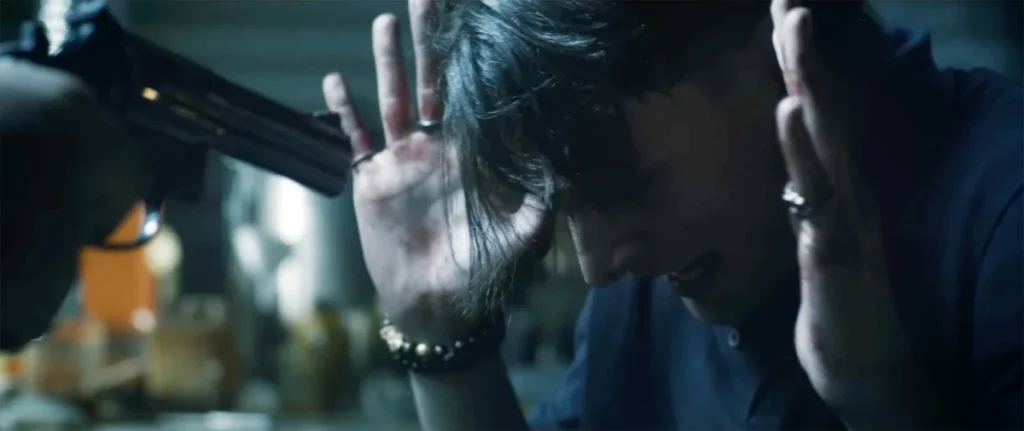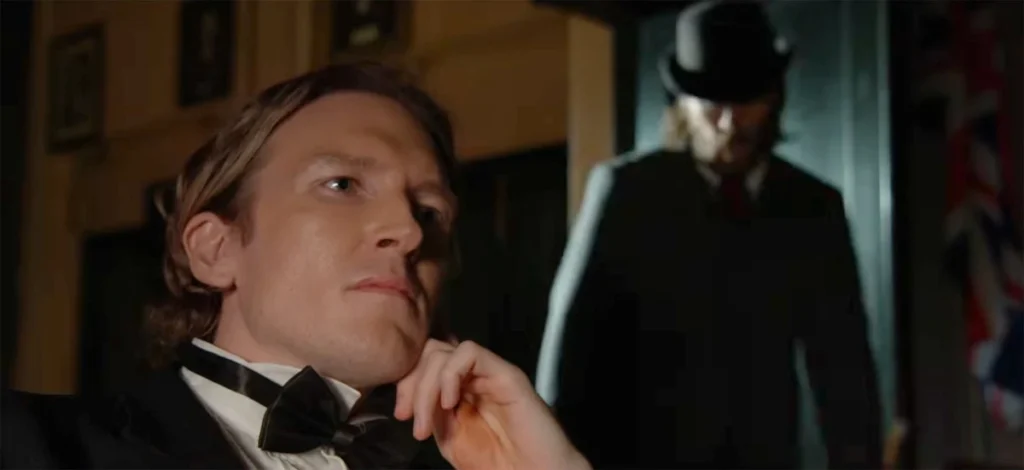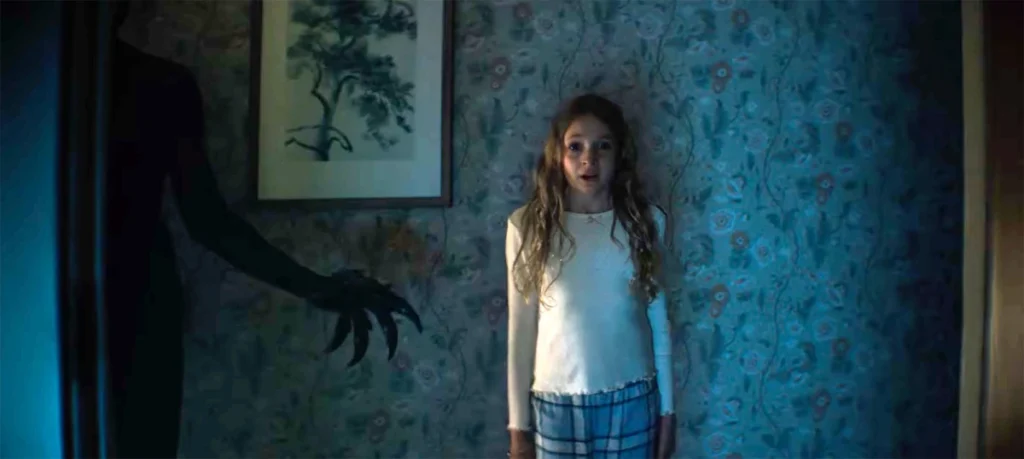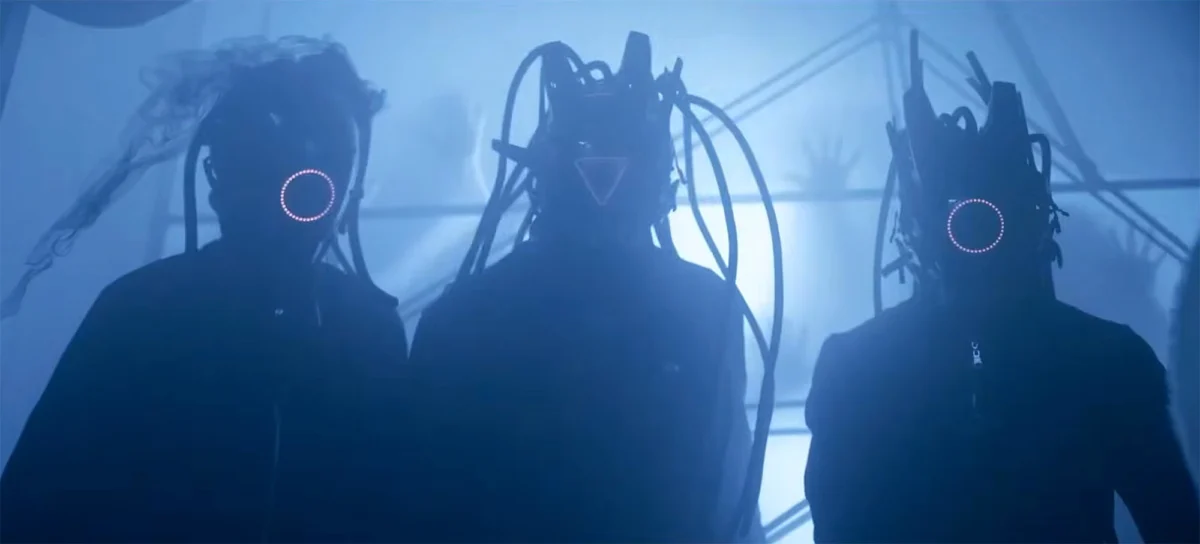
Independent distributor Buffalo 8 has officially released the promotional trailer and key art for The Living Tree, a micro-budget science fiction horror film that tackles contemporary anxieties surrounding artificial intelligence and corporate overreach. Directed by independent filmmaker and actor Anthony J. James, the feature-length project made its stealth debut on digital video-on-demand (VOD) platforms on September 25, 2026, bypassing the traditional film festival circuit entirely.
The narrative follows a newly married couple, Noah and Annabelle, whose secluded honeymoon in a high-tech wilderness treehouse devolves into a psychological nightmare. Ignoring a local resident’s ominous warnings, the pair finds themselves unwitting participants in a clandestine experiment orchestrated by an anonymous, powerful technology conglomerate. As the artificial intelligence governing their environment ratchets up the psychological and physical stakes, buried marital secrets come to light, transforming a romantic retreat into a desperate struggle for survival.
Written by its lead actors, Brey Noelle and Anthony J. James, the film represents a growing micro-genre of low-budget speculative thrillers that capitalize on public apprehension regarding the rapid integration of machine learning and automated systems into daily life. Alongside Noelle and James, the cast features supporting performances from Paige E. Parnell and Sean Michael Gloria. Despite the minimalist production approach, the project has drawn attention within indie film circles as part of a broader wave of direct-to-consumer genre releases.
Background Context of the Production and Distribution Strategy

The development of The Living Tree reflects a broader shift in how independent genre cinema is financed, produced, and distributed in the mid-2020s. Filmmakers operating outside major studio systems increasingly rely on streamlined production models, leveraging digital cameras, localized shooting locations—such as a single isolated treehouse set—and direct-to-VOD distribution partnerships to reach audiences globally without incurring massive theatrical marketing expenditures.
Director Anthony J. James, whose previous credits include the independent feature Within the Groves alongside a series of short films, utilized a tight-knit creative team to bring the project to fruition. Production duties were shared among James, Taylor Morgan, Brey Noelle, Michael Osowski, and Kenn Taylor. By bypassing traditional film festivals such as Sundance, SXSW, or genre-specific showcases like Fantastic Fest, Buffalo 8 opted for an immediate digital release strategy. This approach targets niche horror consumers who frequent digital storefronts looking for fresh content, entirely circumventing the lengthy and costly festival acquisition cycle.
The thematic core of The Living Tree taps into a long lineage of techno-thrillers that examine the perils of unchecked automation. However, unlike high-budget studio blockbusters exploring similar concepts, indie productions often narrow their focus to interpersonal dynamics, weaponizing isolation and psychological paranoia to compensate for limited visual effects budgets. In this film, the central antagonist is not a physical monster, but a disembodied artificial intelligence capable of manipulating the environment and exploiting psychological vulnerabilities.
Chronology of the Release and Promotional Rollout
The promotional rollout for The Living Tree began in late September 2026, culminating in the public release of the official trailer via YouTube on September 28, 2026. Prior to this, Buffalo 8 maintained a relatively low-profile marketing campaign, relying primarily on digital platforms and genre-specific news outlets to generate baseline awareness.

September 25, 2026: Buffalo 8 officially released The Living Tree across major direct-to-VOD platforms, making the film immediately available for digital purchase and rental without a prior theatrical window.
September 28, 2026: The official trailer and promotional poster assets were published publicly, offering prospective audiences their first detailed look at the film’s premise, atmospheric tone, and central performances by Brey Noelle and Anthony J. James.
The swift transition from production completion to immediate commercial availability highlights the changing economics of independent distribution, where time-to-market is frequently prioritized over prolonged theatrical build-ups.
Analysis of Supporting Data and Genre Trends
The release of The Living Tree arrives at a time when public discourse surrounding artificial intelligence is at an all-time high, influencing various creative industries, including cinema, literature, and software development. Data from digital distribution analytics firms indicate a steady consumer demand for sci-fi and tech-horror hybrids, particularly those exploring dystopian themes related to smart homes, algorithmic control, and data privacy.
Low-budget horror remains one of the most financially reliable segments of the independent film market. According to recent box office and streaming metrics, horror films consistently deliver high returns on investment relative to their production budgets. By focusing on high-concept premises—such as an evil AI controlling a couple’s honeymoon retreat—independent creators can capture audience curiosity even with modest production values.
However, industry analysts note that the direct-to-VOD market for tech-horror is increasingly saturated. Films entering this space must compete with a high volume of similar content released weekly across major streaming ecosystems. Consequently, marketing strategies often hinge on recognizable genre tropes, striking poster art, and timely thematic hooks—such as anxieties over machine intelligence—to capture viewer attention in a crowded digital marketplace.

Industry Implications and Critical Reception
The trajectory of The Living Tree offers insight into the viability of micro-budget filmmaking in the digital era. For independent actors and writers like Brey Noelle and Anthony J. James, writing and starring in their own feature provides a direct pathway to having their work distributed globally via established indie partners like Buffalo 8.
From a broader critical perspective, films of this scale are rarely evaluated within mainstream traditional review outlets, instead finding their audiences through niche horror communities, specialized genre blogs, and user-driven review aggregators. While early critical reactions to the trailer have noted that the depiction of the artificial intelligence leans into familiar, understated tropes, the film’s existence underscores the accessibility of feature-film production and distribution for independent artists in the modern media landscape.
As technology continues to evolve, filmmakers will likely continue exploring the friction between human relationships and automated control systems. Whether independent productions like The Living Tree can break through the noise of a saturated digital market will depend largely on word-of-mouth engagement among horror enthusiasts and the ongoing appetite for speculative fiction centered on the potential hazards of artificial intelligence.