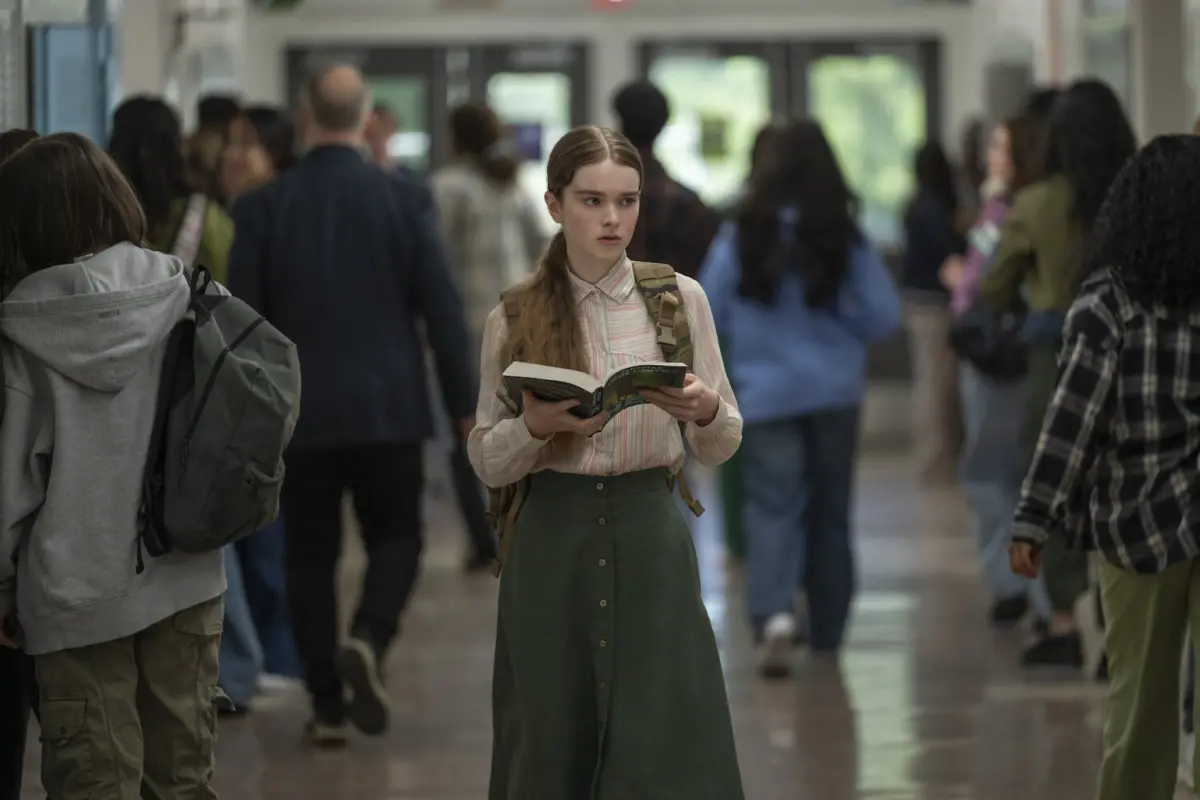
In a development that has captured the attention of both television critics and horror enthusiasts alike, Prime Video has officially greenlit a second season of Mike Flanagan’s acclaimed television adaptation of Stephen King’s seminal 1980 psychological horror novel, Carrie. The renewal comes as a notable surprise to casual viewers, given that the inaugural season took substantial narrative liberties with King’s classic text—most prominently allowing the telekinetic protagonist, Carrie White, to survive the catastrophic prom massacre that traditionally concludes her tragic story.
Since the series premiered, showrunner and creator Mike Flanagan has been remarkably transparent regarding his long-term creative vision. Rather than treating the property as a standard limited series or a strict beat-for-beat remake, Flanagan has constructed a multi-season framework designed to project Carrie White far beyond the boundaries of Castle Rock and into an expansive, interconnected multiverse of psychic phenomena. With a second season now officially confirmed, the groundwork laid by the first season’s ambiguous finale will blossom into a much larger narrative tapestry, heavily influenced by Stephen King’s broader literary mythos.
Main Facts and Narrative Departure from the Source Material
The core announcement establishes that Prime Video has committed to a sophomore outing for the series, securing a continuation of Carrie White’s journey. This decision validates months of speculation surrounding the show’s unconventional ending. In the original 1974 novel by Stephen King and its subsequent feature film adaptations—most notably Brian De Palma’s iconic 1976 cinematic version—the narrative reaches a definitive and fatal conclusion: Carrie uses her devastating telekinetic powers to destroy her high school prom before returning home, where she is ultimately killed by her abusive, religiously fanatical mother, Margaret White, just before the house collapses upon them both.
Flanagan’s adaptation, however, fundamentally re-contextualizes this tragedy. By ensuring Carrie’s survival and redefining her culpability in the prom night devastation—distributing the blame so that she remains a deeply sympathetic, morally gray protagonist rather than an unmitigated monster—the series opens an entirely unprecedented chapter for the character. This creative pivot removes the safety net of a predetermined plot, placing Carrie on the run in a world that is actively hostile toward individuals possessing extraordinary abilities.
Chronology and Development Timeline
The genesis of Flanagan’s Carrie series can be traced back through his ongoing professional relationship with Amazon MGM Studios and his well-documented affinity for the works of Stephen King, having previously adapted Gerald’s Game and Doctor Sleep.
- Early Development and Announcement: Flanagan’s involvement with the project was announced as part of his broader creative push to helm high-end horror television for streaming platforms.
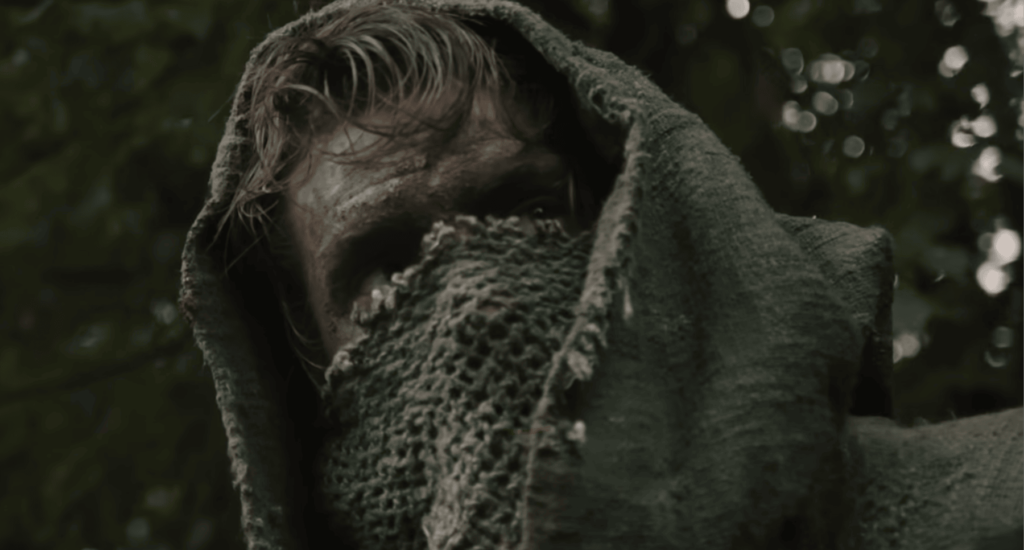
- First Season Broadcast: Upon its release on Prime Video, the series immediately polarized purists while fascinating general audiences with its tonal shifts and world-building additions, particularly the introduction of mysterious supporting characters like Emaline and the shadowy presence of Adelaide, portrayed by Kate Siegel.
- Festival Circuit Teases (September): During interviews at the Toronto International Film Festival, Flanagan openly discussed his "dream scenario" of a three-season arc, framing the adaptation as a definitive trilogy.
- Season 1 Finale and Cliffhanger: The season concluded with a carefully constructed finale that functioned as a satisfying temporary stopping point while deliberately planting seeds for future expansion.
- Official Renewal Confirmation: Prime Video confirmed the Season 2 greenlight, validating Flanagan’s multi-year planning and prompting discussions about how the narrative will integrate broader elements of the Stephen King canon.
The Stephen King Connection: Expanding the Multiverse
A cornerstone of Flanagan’s approach to Carrie is the intentional integration of King’s interconnected universe. Speaking with industry publications, Flanagan revealed that discussions surrounding his adaptation frequently referenced King’s 2019 novel, The Institute, which explores a clandestine organization capturing children with telepathic and telekinetic gifts for governmental and militaristic exploitation.
While Flanagan has clarified that he is not directly adapting The Institute, the thematic DNA of secretive factions tracking gifted individuals forms the backbone of the series’ overarching antagonist structure. Furthermore, the introduction of Adelaide and her cohort of psychic fugitives signals that Carrie will not be isolated in her struggle. Instead, she will discover a global network of women who have historically possessed gifts similar to her own, transforming her personal narrative into a broader historical reckoning.
Crucially, Stephen King himself has been actively involved in shaping the narrative architecture of the series. Flanagan noted that King provided direct input and suggestions, particularly regarding the expansion of the world beyond the original novel and the development of key characters like Emaline. This collaboration ensures that while the series departs structurally from the 1974 text, it maintains the thematic integrity and psychological depth characteristic of King’s bibliography.
Character Trajectories: Heroes, Villains, and Moral Ambiguity
As the series moves into its second season, the fundamental question facing the production team is the ultimate trajectory of its protagonist and supporting cast. Flanagan has expressed immense enthusiasm for working in uncharted narrative territory, noting that neither he nor the audience can definitively label Carrie’s evolution as that of a hero or a villain.
"It takes us completely out of anything predetermined. Let’s see where this character goes. Are we seeing the origin of a hero or a villain? I don’t know," Flanagan remarked during press rounds. "Does she know? I have an idea. We’ll find out. But let’s let the character decide. I don’t get many chances like that in my career."
This uncertainty extends to Emaline, whose introduction in the first season framed her as both an empowering companion and a potentially dangerous influence. Future episodes are expected to interrogate Emaline’s true motivations, questioning whether she views Carrie as a genuine friend or merely as an instrumental tool to achieve her own hidden objectives.
Broader Implications and Potential Ties to The Dark Tower
Perhaps the most tantalizing implication of the Carrie renewal is its potential function as a narrative conduit to Stephen King’s magnum opus, The Dark Tower. Flanagan has long made public his ambition to adapt The Dark Tower into a definitive television and film property. Because King’s multiverse connects disparate stories across "levels of the Tower," introducing concepts such as the "shine" and organized clandestine operations tracking psychic anomalies in a grounded series like Carrie allows Flanagan to organically consolidate multiple intellectual properties.
Industry analysts note that executing a sprawling multiverse adaptation presents logistical challenges, particularly regarding studio rights and continuity management. By embedding subtle canonical markers—such as the deliberate use of terminology associated with the broader King literary universe—Flanagan’s Carrie may effectively act as a backdoor pilot or structural anchor for future adaptations within the same shared continuity.
Industry Reception and Analytical Outlook
The renewal of Carrie for a second season underscores Prime Video’s confidence in Flanagan’s brand of prestige horror. While risk-averse television strategies typically rely on faithful, closed-ended adaptations of established intellectual property, Amazon’s willingness to back an expansive, multi-season reimagining highlights a shifting industry appetite for creator-driven genre television.
From a critical standpoint, the success of Season 2 will hinge on the narrative balance between intimate character studies and grand-scale mythos expansion. By resisting the temptation to rush Carrie into a traditional superhero or supervillain archetype, the creative team has preserved the psychological vulnerability that made the original character an enduring cultural icon. As production ramps up for the upcoming episodes, audiences and critics alike will be watching closely to see how effectively Flanagan navigates the treacherous waters of Stephen King’s boundless literary cosmos.