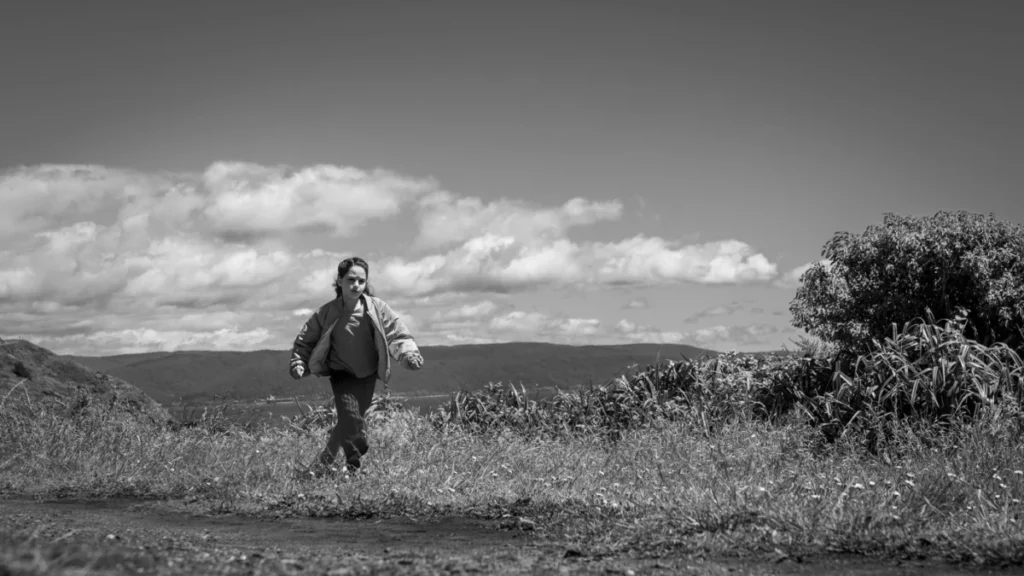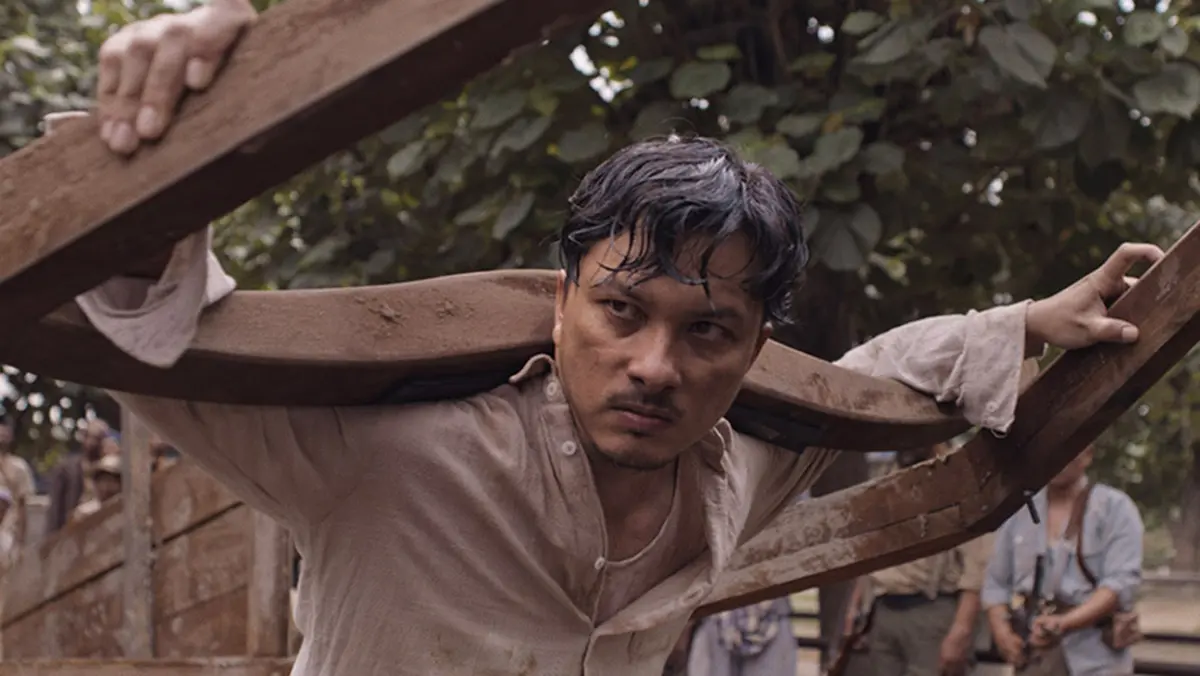
The Indonesian National Revolution, a conflict that remains largely under-examined in Western academic discourse, serves as the crucible for Garin Nugroho’s latest cinematic endeavor, Red Before Dawn (Merah Sebelum Fajar). Premiering at the Tokyo International Film Festival, the film attempts to synthesize the complex, multi-layered struggle for sovereignty that defined the Indonesian archipelago between 1945 and 1949. While the director seeks to humanize the statistical devastation of the era, the film highlights the persistent tension between historical pedagogy and dramatic narrative structure.
The Historical Context: A Fragile Independence
The conflict emerged in the immediate aftermath of the Japanese surrender in August 1945. With the collapse of the Japanese occupation forces, nationalist leaders Sukarno and Mohammad Hatta proclaimed Indonesia’s independence on August 17, 1945. However, the Netherlands—the former colonial power—sought to reclaim its dominion, leading to a four-year period of military engagements, diplomatic stalemates, and social upheaval.
This "War of Independence" was not merely a binary struggle between Dutch colonial forces and Indonesian nationalists. It was a chaotic theater of war involving various sectarian factions, local militias, and disillusioned combatants. The human cost was staggering. Historical estimates suggest that between 100,000 and 250,000 Indonesians lost their lives, with millions more displaced. Conversely, approximately 15,000 Dutch personnel perished, a figure that underscored the intensity of the resistance faced by the returning colonial administration.
Chronology of the Revolution
The timeline of the Indonesian Revolution is characterized by a series of failed negotiations followed by intense military "police actions."
- August 17, 1945: Declaration of Independence.
- September 1945: British forces arrive to disarm the Japanese, inadvertently facilitating the return of the Dutch administration.
- 1946: The year in which Red Before Dawn is set. This period saw the consolidation of nationalist strongholds, particularly in Yogyakarta, which became the revolutionary capital.
- July 1947: Operation Product (the First Dutch Police Action) commences, aiming to seize economic assets in Java and Sumatra.
- December 1948: Operation Kraai (the Second Dutch Police Action) captures the leadership of the Republic in Yogyakarta.
- December 27, 1949: The Netherlands officially transfers sovereignty to the United States of Indonesia following international pressure and the Renville Agreement.
Cinematic Approach and Narrative Design
Garin Nugroho, a veteran filmmaker with nearly four decades of experience, employs a road-movie framework to encapsulate these historical fractures. The narrative follows Frans, portrayed by Nicholas Saputra, a mixed-heritage engineer representing the internal identity crisis of a colonized nation. Frans, accompanied by a diverse group—including the Indian driver Qasim (Bront Palarae), the blind radio operator Arya (Nagra Pakusadewo), the Chinese nurse Fifi (Laura Basuki), and the singer Bandriah (Tissa Biani)—traverses 600 miles of perilous territory.
The mission is clear: to transport geological surveys to the republican government in Yogyakarta. However, the film serves less as a conventional thriller and more as a didactic exercise. Nugroho utilizes theatrical staging and animated sequences to break the fourth wall, explicitly framing the Dutch military as an occupying force that categorized freedom fighters as insurgents—a perspective that mirrors the contemporary nationalist narrative in Indonesia.
The Problem of Didacticism
Critically, the film struggles to balance its educational objectives with the demands of cinema. By prioritizing expository dialogue and historical illustration, the film often sacrifices the organic development of character stakes. The "theatre-within-a-film" opening sequence, while historically aligned with the brutal realities of the time, functions as an overt lecture rather than an immersive narrative entry point.
The ensemble cast—intended to represent the mosaic of Indonesian society—frequently finds their development stifled by the requirement to articulate the ideological stakes of the revolution. While the visual craft is undeniable, capturing the juxtaposition of lush, untamed landscapes against the scars of war, the dramatic tension often dissipates under the weight of historical explanation. The subplot involving the romantic entanglement between Frans and Fifi, in particular, has been noted by critics as a diversion that fails to resonate with the urgency of the surrounding revolutionary conflict.
Socio-Political Implications
The significance of Red Before Dawn lies in its attempt to address the "wounds" left by the conflict. The Indonesian government and local historians have long emphasized the need to acknowledge the multicultural foundations of the nation. By casting characters of various ethnic backgrounds—Indian, Chinese, and mixed-heritage—Nugroho is making a deliberate statement about the collective effort required to form a unified Indonesian identity.
However, the film’s depiction of internal sectarian violence and the persecution of ethnic minorities remains a sensitive subject. In the mid-1940s, Chinese Indonesians often found themselves caught in a crossfire between colonial remnants, revolutionary fervor, and anti-colonial suspicion. By including these tensions, the film acknowledges that the struggle was not just against the Dutch, but a painful process of reconciling internal differences to form a coherent state.
Analysis of Impact
While Red Before Dawn may lack the narrative momentum required to satisfy international audiences seeking a traditional war drama, its value as a cultural artifact is substantial. In the context of modern Indonesian cinema, there is a recurring trend to revisit the 1945–1949 period as a means of reinforcing national identity.
The film acts as a mirror to the contemporary desire for historical recognition. The "Red" in the title signifies both the blood spilled and the political fervor of the revolution, while the "Dawn" represents the optimism of a nascent democracy. For scholars and historians, the film provides a visual catalog of the social complexities of the time, even if it fails to provide a cohesive, high-stakes cinematic experience.
Conclusion: A Legacy of Struggle
Ultimately, the film succeeds in demonstrating that the Indonesian revolution was a foundational trauma that continues to inform the country’s modern political discourse. By focusing on the physical journey, Nugroho underscores the geographic and social fragmentation that the republic had to overcome.
Though the execution may be didactic, the underlying message—that a nation is forged not just in the halls of power, but in the trenches and on the roads by diverse, often conflicting, individuals—remains a powerful thematic anchor. As Indonesia continues to navigate its post-colonial identity, films like Red Before Dawn serve as necessary, if imperfect, reminders of the high cost of sovereignty and the enduring search for a unified national voice. The "red" years were undoubtedly filled with sacrifice, and Nugroho’s work ensures that this tumultuous period is not lost to the silence of history, even if the cinematic lens remains focused more on the lesson than the story.