Independent cinema outfit Reel Splatter Productions has officially released the first teaser trailer and promotional poster for its upcoming feature-length horror film, Dead Format. Directed by veteran indie filmmaker and practical effects artist Mike Lombardo, the film is currently in the final stages of post-production. Set against the rapidly vanishing backdrop of the physical video rental era, the project aims to tap into deep-seated cultural nostalgia while subverting the comforting tropes of late-twentieth-century media consumption.
The announcement, made on October 6, 2026, has already generated considerable buzz within independent genre film circles. While sharing a title with an unrelated upcoming video game centered around the VHS medium, Lombardo’s project is strictly a narrative feature film designed to explore psychological grief, obsessive collecting, and the darker side of longing for the past. With an expected release window sometime in 2027, Dead Format stands as one of the most anticipated micro-budget horror offerings currently moving through post-production.
Main Facts and Narrative Premise
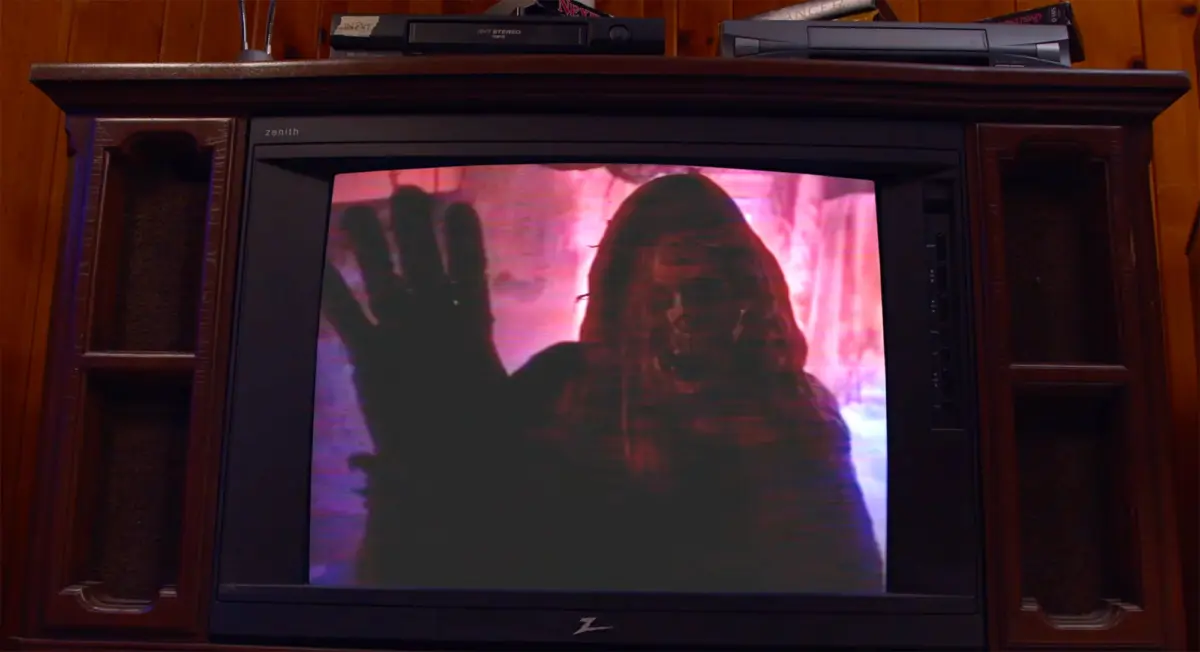
Dead Format takes place during the twilight years of the neighborhood video store—a cultural landscape defined by CRT television sets, heavy plastic clamshell cases, and the tactile experience of browsing physical media shelves. The story centers on Kevin, a dedicated media collector who is grappling with the recent death of his father. Desperately clinging to the past as a mechanism to cope with his grief, Kevin acquires a mysterious, unmarked videotape from his local establishment, the fictional Video Castle.
As Kevin watches the tape, he quickly discovers that indulging in nostalgia can carry a catastrophic and terrifying price. The narrative uses the cursed-media trope—a staple of modern internet folklore and classic horror cinema—to examine how people use objects and memories to shield themselves from unresolved trauma.

The film features an ensemble cast led by Mark Worth in the central role of Kevin. He is joined by Joey Cook, Austin Greene, Fia Thomson, Mia Grichendler, Henry Sirota, Chet Williamson, and Matt Lake. True to Reel Splatter Productions’ house style, the production relies heavily on tactile, old-school practical special effects rather than digital augmentation, reinforcing the authenticity of the 1980s and 1990s aesthetic that the filmmakers aim to evoke.
Chronology and Development History
The genesis of Dead Format stretches back several years, evolving through the collaborative efforts of its key creative leads. The screenplay was co-written by director Mike Lombardo and writer Nathan Ludwig, drawing from an original story conceived by Lombardo.
Production duties are shared by a seasoned team of indie horror creators and authors, including Pat W. Dougherty, Brian Keene, Samantha Kolesnik, Mike Lombardo, and Nathan Ludwig. Bringing together voices from both independent filmmaking and dark fiction publishing, the production benefits from a multidisciplinary approach to storytelling.
As of October 2026, the film has not yet made its formal premiere at any regional or international film festivals, remaining strictly in post-production finish work. However, the release of the teaser trailer and initial poster art marks a pivotal promotional milestone, signaling to distributors and fans alike that the film is nearing completion. Reel Splatter Productions has indicated that further announcements regarding a specific 2027 release date and potential festival screenings will be shared via their official channels, including their X (formerly Twitter) account @reelsplatter.
Director Background and Reel Splatter Productions

To understand the trajectory of Dead Format, industry analysts often look to the career of its director. Mike Lombardo is a well-established figure within the independent horror community, known primarily for his extensive work as a practical special effects artist and director of short-form genre cinema.
Dead Format marks Lombardo’s second narrative feature film as a director. His feature-length directorial debut, I’m Dreaming of a White Doomsday, was released in 2017 to positive notices within the underground horror circuit for its bleak, atmospheric tone and effective use of limited resources. Over the years, Lombardo has cultivated a reputation for championing traditional filmmaking techniques, eschewing CGI in favor of mechanical effects, creature suits, and practical gore that pay homage to the golden age of 1980s horror.
Beyond his individual directorial credits, Lombardo is the founder and driving force behind Reel Splatter Productions, a grassroots independent film collective dedicated to producing uncompromising genre work. The company operates out of the United States, functioning as a collaborative hub for artists, writers, and technicians who share a passion for physical-media horror and independent filmmaking traditions.
Supporting Data and the Resurgence of Physical Media Nostalgia
The thematic focus of Dead Format arrives at a cultural juncture defined by a widespread resurgence of interest in physical media. In an era dominated by instantaneous digital streaming algorithms, cloud libraries, and ephemeral content availability, audiences have increasingly sought out tactile artifacts of the past—ranging from vinyl records and audio cassettes to physical books and VHS tapes.
Video stores such as the fictional Video Castle in Dead Format represent a lost third place for generations of moviegoers. The ritual of physical browsing—reading box art, debating casting choices with store clerks, and making Friday night selections—has transformed into a potent form of cultural nostalgia. By setting their horror narrative against the final days of this era, the filmmakers capitalize on a powerful collective memory.

Furthermore, the "cursed tape" subgenre holds a storied legacy in horror cinema, tracing its roots from classic urban legends through to modern touchstones like Hideo Nakata’s Ringu (1998) and Gore Verbinski’s American remake The Ring (2002), as well as internet-native analog horror projects. Dead Format updates this lineage by grounding the supernatural threat within a deeply personal narrative about bereavement and the human impulse to live in the past.
Broader Impact and Implications for Independent Horror
The trajectory of Dead Format offers insight into the current economic and creative health of micro-budget independent horror. In recent years, lower-tier genre films have benefited significantly from targeted internet marketing, direct-to-fan engagement, and specialized distribution channels that bypass traditional theatrical gatekeepers.
Projects produced by grassroots collectives like Reel Splatter Productions demonstrate that filmmakers can cultivate sustainable audiences by leaning into specific aesthetic subcultures—in this case, practical effects enthusiasts, physical media collectors, and 1990s nostalgia buffs. By maintaining creative control and collaborating with established names in dark fiction and indie cinema, such productions manage to carve out viable spaces in a crowded marketplace.
As Dead Format moves toward its projected 2027 release, industry observers will be watching to see how the film handles its thematic ambitions. Balancing psychological grief with visceral, practical-effects-driven horror requires a delicate tonal equilibrium. Should Lombardo and his team succeed, Dead Format could cement its place not only as a successful exercise in retro style, but as a poignant exploration of why people hold so dearly to the media of their youth—and the dangers of letting the past consume the present.