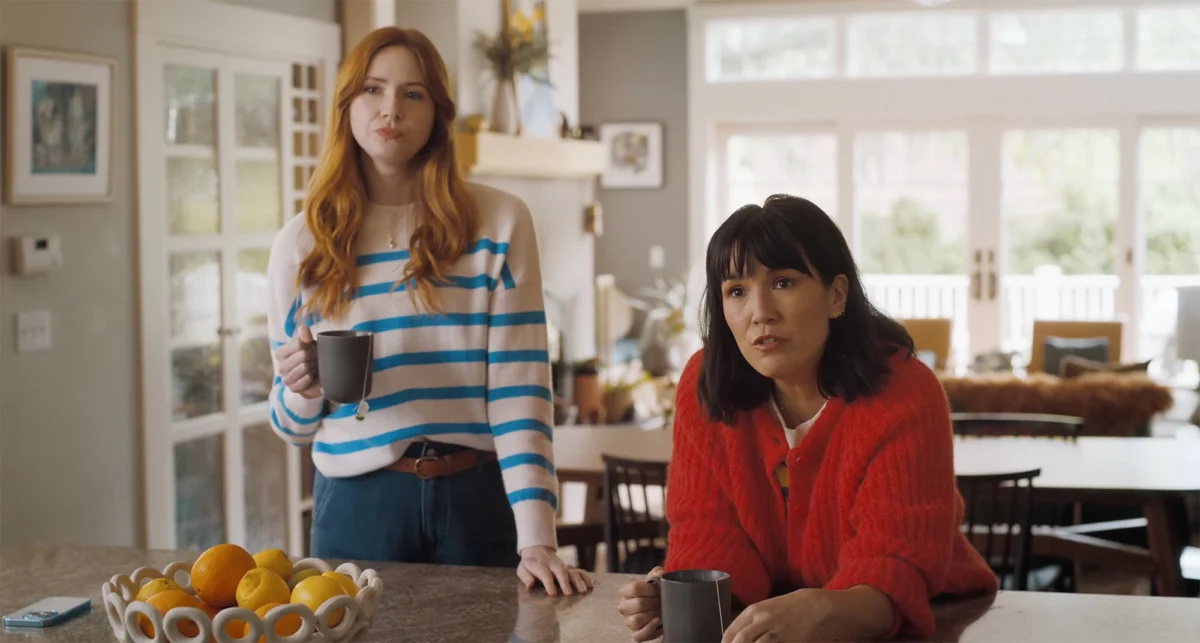
The cinematic landscape of contemporary parenthood comedies is set to expand with the upcoming release of Let’s Have Kids, a feature-length project directed by Adam Sztykiel in his feature directorial debut. Republic Pictures has officially released the promotional trailer and key art for the film, which explores the delicate, chaotic, and often testing dynamics of lifelong female friendship under the immense pressure of starting families. Anchored by a prominent lead cast featuring Karen Gillan and Zoë Chao alongside a deep supporting ensemble, the indie comedy is scheduled to debut directly on Video-on-Demand (VOD) platforms on October 13, 2026.
The narrative centers on Emma and Phoebe, inseparable best friends who make a mutual pact to embark on the journey of pregnancy simultaneously. The premise hinges on the comedic and emotional friction that arises when their synchronized plan fractures—specifically, when only one of them successfully conceives. What was initially envisioned as a shared milestone designed to anchor them through a massive life transition rapidly transforms into a wedge driving their lives in divergent directions. The resulting tension threatens not only their individual experiences of impending motherhood but also the foundational bond of a lifelong friendship.
Main Production Facts and Creative Leadership
At the helm of Let’s Have Kids is Adam Sztykiel, transitioning from a prolific career as a screenwriter into feature film direction. Sztykiel brings extensive industry experience to the project, having previously written for television series such as Undateable and Bad Monkey, as well as high-profile feature films including Scoob!, Black Adam, and Family Switch. The screenplay was co-written by Sztykiel and Ellie Knaus, who also serves as a producer alongside Becky Sloviter and Sztykiel himself.
The project operates under the banner of Republic Pictures, a historical brand revived by Paramount Global to acquire and distribute independent, mid-budget features across digital and VOD marketplaces. Unlike major tentpole studio releases that rely on extensive theatrical windows and global press tours, Let’s Have Kids follows a targeted distribution model designed to capture audiences through digital storefronts this fall. The film bypasses traditional major international film festival circuits, opting instead for a direct-to-consumer premiere strategy typical of contemporary comedy releases aiming for high home-viewing engagement.

An Ensemble Cast of Notable Comedic and Dramatic Talent
While Karen Gillan and Zoë Chao carry the central narrative as Emma and Phoebe, the production has assembled a notable supporting cast featuring recognizable names from both television and film comedy. The ensemble includes Sam Richardson, known for his work in Veep and The Afterparty; Max Greenfield, recognized from New Girl; KJ Apa of Riverdale fame; veteran actors Ed Begley Jr. and Mary Steenburgen; Luke Macfarlane; Lilly Singh; and Amanda Crew.
This caliber of supporting talent suggests a narrative rich in secondary subplots involving marriages, external social circles, and the broader institutional expectations placed upon modern parents. The inclusion of actors with deep backgrounds in both dry, satirical comedy and heartfelt dramatic television points to a tonal balance that attempts to ground the premise’s inherent absurdity in relatable human experiences.
Chronology of the Project and Distribution Strategy
The rollout of Let’s Have Kids aligns with industry timelines for mid-tier VOD releases in the autumn quarter.
- September 29, 2026: Republic Pictures officially releases the theatrical trailer and marketing poster via digital channels, granting audiences their first look at the narrative dynamic between Gillan and Chao.
- October 13, 2026: The film is scheduled for its official digital release, becoming widely available for rental or purchase across major VOD platforms.
This compact release window reflects a broader industry trend where independent comedies targeting demographic-specific audiences bypass costly theatrical distribution in favor of immediate home-viewing accessibility. By launching in mid-October, the film positions itself ahead of the heavy winter prestige drama season, capturing the attention of audiences seeking relatable, contemporary humor.

Contextual Background: The Evolution of Parenthood Comedies
Films exploring the complications of modern motherhood and fertility pacts occupy a specific subgenre within contemporary comedy. Over the past two decades, cinematic depictions of parenting have evolved away from idealized, sentimental portraits toward more cynical, realistic, and chaotic portrayals of the physical and psychological toll of raising children. Projects like Bridesmaids, Tully, and Always Be My Maybe have paved the way for stories that prioritize female friendship, professional anxiety, and the erosion of personal identity over traditional family values tropes.
Let’s Have Kids enters this lineage by focusing explicitly on the competitive and comparative nature of modern life milestones. In an era where social media and cultural norms heavily emphasize synchronized life paths—career achievements, marriage, homeownership, and child-rearing—the premise of a fertility pact captures a very real social phenomenon. When peer groups experience life events out of sync, the resulting emotional distance can cause acute distress, providing fertile ground for comedic exploration.
Analysis of Market Implications and Audience Reception
The decision by Republic Pictures to distribute Let’s Have Kids directly via VOD highlights the current economic realities facing independent comedies in the theatrical marketplace. Mid-budget comedies have faced significant headwinds at the box office over the last several years, as audiences increasingly reserve theatrical ticket purchases for large-scale cinematic spectacles, action franchises, and horror films. Consequently, studios have pivoted toward targeted digital releases where targeted marketing can efficiently reach specific demographic segments, such as millennials, new parents, and fans of the film’s ensemble cast.
From an analytical standpoint, the film’s success will likely be measured by digital engagement metrics, streaming longevity, and social media discourse among viewers identifying with the narrative themes. The pairing of Karen Gillan—widely recognized for her work in the Marvel Cinematic Universe and the Jumanji franchise—with Zoë Chao, celebrated for her performances in Party Down and The Afterparty, provides strong cross-over appeal capable of driving digital rentals.

Furthermore, the involvement of multi-hyphenate talent like Sam Richardson and Max Greenfield ensures that the film appeals to viewers interested in ensemble-driven comedy rather than relying solely on its central premise. While the direct-to-VOD strategy indicates that distributors anticipate a niche rather than a mass-market box office run, the film’s robust cast and relatable premise position it as a notable entry in the autumn 2026 comedy landscape.
Conclusion and Outlook for the October Release
As the release date of October 13, 2026, approaches, anticipation for Let’s Have Kids centers on how effectively writer-director Adam Sztykiel navigates the delicate balance between high-concept comedy and grounded emotional stakes. By utilizing a familiar comedic framework—the fracturing of a well-intentioned pact between best friends—the film taps into universal anxieties surrounding change, loyalty, and the inevitability of personal growth. With its prominent ensemble cast and timely exploration of contemporary social pressures, the film offers a distinct comedic perspective on the trials of modern friendship and family planning as it heads toward its digital debut this fall.