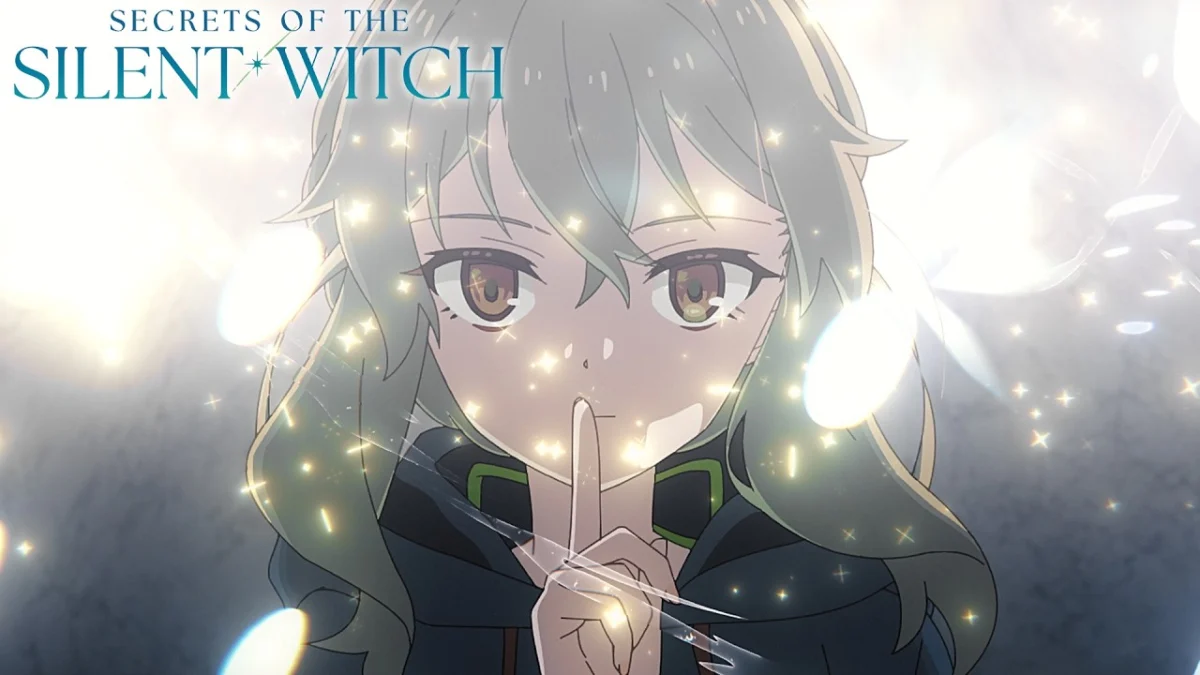
The anime adaptation of Secrets of the Silent Witch introduces audiences to a compelling fantasy narrative that deliberately subverts common genre tropes, focusing on a protagonist whose immense magical power is overshadowed by profound social anxiety. Based on the best-selling light novel series by Isora Matsuri, with illustrations by Nanna Fujimi, the series offers a nuanced exploration of identity, courage, and the quiet strength found in vulnerability. Directed by Yasuo Iwamoto in his series directorial debut, and animated by Studio Gokumi, the production has drawn attention for its intricate world-building, thoughtful character development, and a visually engaging portrayal of its unique magic system.
The Genesis of a Reluctant Hero: From Light Novel to Anime
The journey of Secrets of the Silent Witch from a written narrative to an animated series highlights a significant trend in contemporary Japanese media: the increasing reliance on light novels as prime source material for anime adaptations. Isora Matsuri’s original work, which began serialization and publication years prior to its anime debut, quickly garnered a dedicated readership, reportedly selling millions of copies and cultivating a strong fan base. This success is often attributed to its fresh take on the fantasy genre, particularly its empathetic portrayal of a powerful mage grappling with severe social anxiety—a departure from the typically confident, often overpowered, protagonists prevalent in many fantasy series.
The light novel’s popularity laid a robust foundation for an anime adaptation, creating significant anticipation among existing fans while also aiming to captivate new audiences. The decision to adapt the series was a strategic move, capitalizing on the light novel’s established narrative depth and character appeal. The transition from text to screen, however, presented inherent challenges, primarily in translating Monica Everett’s extensive internal monologues and the subtle nuances of her emotional struggles into a visually compelling and dynamically paced animated format. The production team was tasked with maintaining the original story’s integrity while making it accessible and engaging for a global anime audience.
A World Woven with Spoken Spells and Hidden Powers
The fantasy kingdom of Ridill serves as the vibrant backdrop for Secrets of the Silent Witch, a realm where magic is not merely an arcane art but an integral part of daily life and societal structure. In Ridill, the casting of spells is intrinsically linked to verbal incantations, a fundamental aspect of its magical system that establishes a clear framework for how magic operates. This premise immediately sets Monica Everett apart. As one of the "Seven Sages," the most powerful mages in the kingdom, Monica possesses a revolutionary and highly secretive ability: voiceless magic. This unique talent allows her to cast spells without uttering a single word, a feat that is not only unprecedented but also a closely guarded secret, known only to a select few high-ranking officials.
Monica’s legendary status as the "Silent Witch" is well-earned. Prior to the events of the series, she single-handedly slayed the formidable Black Dragon, an act that solidified her reputation as a mage of unparalleled power. Despite this monumental achievement, her crippling social anxiety ensures that her true identity remains largely unknown to the general populace. This paradox—a legendary hero who operates in the shadows, not by choice but by psychological constraint—forms the core of her character. Her anonymity, ironically, makes her the perfect candidate for a top-secret mission: to go undercover at Serendia Academy and protect the kingdom’s second prince, a task that demands both exceptional magical prowess and an unassuming presence.
Serendia Academy: A Microcosm of Noble Society
Serendia Academy, the prestigious institution where Monica must infiltrate, is more than just a school; it is a meticulously crafted microcosm of Ridill’s rigid social hierarchy. Unlike many anime portrayals of high schools as havens of youthful camaraderie, Serendia Academy reflects a society deeply stratified by class and noble lineage, even among its predominantly aristocratic student body. The institution’s halls are not merely places of learning but arenas where social status dictates interactions, fostering an environment where bullying and social ostracization are rampant.
The series employs a masterful "show, don’t tell" approach to reveal this intricate social structure. Viewers are not lectured on the specifics of the class system but rather observe its manifestations through everyday interactions. The reasons for mistreatment can be as seemingly trivial as a student’s family having only recently attained noble status, or an individual’s struggle with social grace. This narrative technique immerses the audience directly into Monica’s experiences, allowing them to witness the systemic injustices and emotional tolls exacted by such a hierarchical environment. It underscores the profound challenge Monica faces, not just in protecting the prince, but in navigating a social landscape that exacerbates her deepest insecurities.
The Silent Witch’s Emotional Journey: A Study in Character Growth
Monica Everett’s character arc is arguably the most compelling aspect of Secrets of the Silent Witch. Her journey is not one of acquiring power—she already possesses it in abundance—but of overcoming profound social anxiety and finding her voice, both literally and figuratively. In the initial episodes, Monica is depicted as almost paralyzed by her shyness, struggling to maintain eye contact or articulate simple sentences. Her interactions, particularly with figures like Louis Miller, a fellow Seven Sage who initially views her with a mix of awe and bewilderment, are marked by stuttering and an inability to express her thoughts.
However, as her undercover mission at Serendia Academy progresses, and she is forced into more frequent and varied social interactions, a subtle yet profound transformation begins. Her encounters with her peers, the prince she is tasked to protect, and even the antagonists, incrementally chip away at her emotional barriers. The narrative cleverly illustrates this growth through seemingly ordinary moments: a conversation where she manages to speak without a stutter, an instance where she articulates her true feelings instead of retreating into silence, or a situation where she advocates for herself or others. This gradual, realistic portrayal of character development resonates deeply, highlighting the fact that true strength often lies not just in magical prowess but in the courage to connect with others and overcome internal struggles. Her journey is a testament to the idea that even the most powerful individuals can be vulnerable, and that personal growth is often an arduous, continuous process.
Narrative Balance: High Stakes and Everyday Concerns
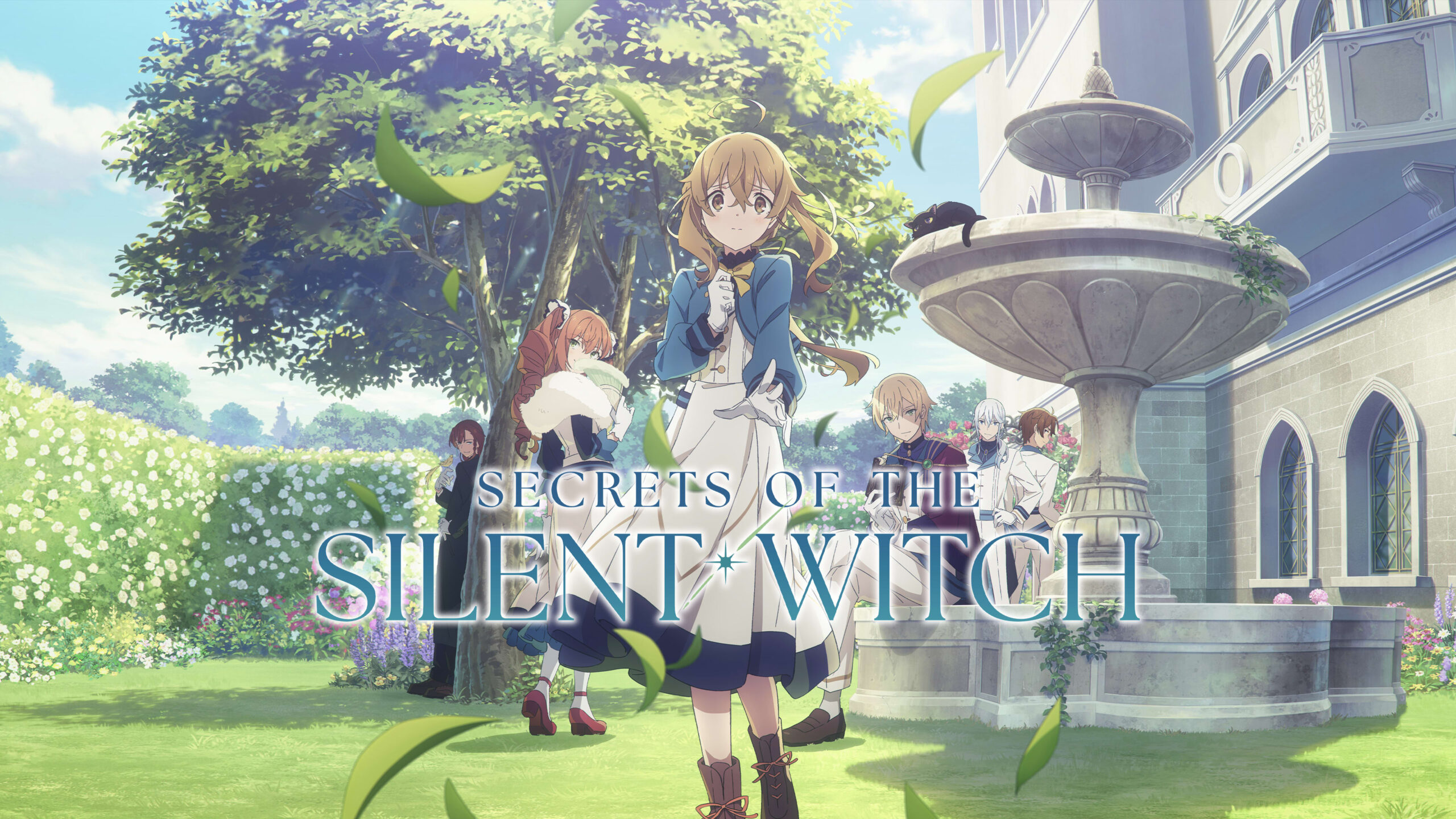
A hallmark of Secrets of the Silent Witch‘s storytelling is its adept balancing of high-stakes conflicts with more mundane, slice-of-life challenges. The series avoids the pitfall of constant, escalating threats, instead opting for a dynamic rhythm that allows for both thrilling action and reflective character moments. Monica’s mission to protect the prince inherently involves significant dangers, ranging from attempted assassinations orchestrated by shadowy figures to the constant risk of her true identity as the legendary Silent Witch being exposed. These intense conflicts provide the necessary dramatic tension and showcase her extraordinary magical abilities.
Yet, these climactic sequences are punctuated by periods of lower-stakes problems, such as Monica grappling with academic pressures, navigating school politics, or simply trying to earn a passing grade. These seemingly ordinary concerns are far from filler; instead, they serve a crucial narrative function. They create breathing room for character interactions, allowing Monica’s relationships with her peers and the prince to develop naturally and organically. These quieter moments build empathy and relatability, grounding the fantastical elements in human experience. This equilibrium ensures that the audience remains engaged, appreciating both the spectacle of magic battles and the heartwarming authenticity of Monica’s personal journey and her burgeoning friendships. It underscores the idea that growth often occurs not just in grand heroic acts, but in the everyday challenges and connections that shape an individual.
Artistry in Animation: Studio Gokumi and Yasuo Iwamoto’s Vision
The visual execution of Secrets of the Silent Witch is a significant contributor to its overall appeal, a testament to the combined efforts of director Yasuo Iwamoto and animation studio Gokumi. Despite this being Iwamoto’s series directorial debut, his extensive prior experience as an episode director and storyboard artist on numerous acclaimed fantasy titles—including notable contributions to series like Re:Zero – Starting Life in Another World and Log Horizon—made him a particularly fitting choice to helm this project. His understanding of fantasy aesthetics and narrative pacing is evident in the detailed rendering of the magical elements. Runes glow with intricate patterns, spell effects burst with vibrant energy, and summoning sequences unfold with a captivating sense of power and mystique, collectively imbuing each display of magecraft with a genuinely magical quality.
Studio Gokumi, known for its diverse portfolio encompassing action, romance, and slice-of-life anime such as Kin-iro Mosaic and Tsurezure Children, brings its production expertise to Secrets of the Silent Witch. While the series may feature relatively few full-blown battle scenes compared to some action-heavy fantasy titles, the studio’s background in animating dynamic sequences ensures that when magic is unleashed, it is portrayed with fluidity and impact. This technical proficiency helps bring the immense power of the Seven Sages, and particularly Monica’s unique voiceless magic, vividly to life.
However, the animation quality, like many productions, experienced a slight fluctuation midway through the series. Some viewers noted a temporary dip where character movements appeared noticeably stiffer or less fluid. This phenomenon is not uncommon in anime production, often attributed to demanding schedules, budget constraints, or the involvement of different animation teams. Crucially, Studio Gokumi swiftly rectified this, with the animation returning to the smoother, high-quality standard established in the earlier episodes, demonstrating a commitment to visual excellence throughout the series run.
Character Design and Visual Identity
Beyond the impressive animation, the character designs contribute significantly to the series’ visual identity. Nanna Fujimi’s original light novel illustrations are characterized by a subtle cuteness and expressive quality, which Cona Nitanda’s character designs for the anime successfully translate. Monica and most of her fellow students are depicted as teenagers, and their designs effectively convey both their age and their aristocratic social status, with elegant uniforms and distinct features that align with the fantasy setting.
Despite these strengths, a minor point of critique emerged regarding the distinctiveness of certain character faces. While Monica and core cast members are easily identifiable, some supporting characters, particularly among the adult figures, occasionally lack enough unique visual details to clearly distinguish them. This can lead to a slight sense of visual homogeneity in larger group scenes or when new characters are introduced. However, this minor issue does not significantly detract from the overall aesthetic quality, which remains largely faithful to the source material’s charm and the anime’s overarching artistic vision. The designs, on the whole, serve to enhance the narrative by visually reinforcing the characters’ personalities and roles within the world of Ridill.
Reception and Broader Implications
Since its premiere, Secrets of the Silent Witch has garnered a generally positive reception from both critics and a growing global audience, particularly those who stream it on platforms like Crunchyroll. Fans have lauded the series for its fresh approach to the fantasy genre, its empathetic portrayal of social anxiety, and its commitment to character-driven storytelling. The nuanced development of Monica Everett, moving beyond the typical overpowered hero trope, has resonated strongly, offering a more relatable and human protagonist.
Industry observers suggest that the anime’s success may contribute to a broader trend within fantasy anime, encouraging more diverse character archetypes and narratives that delve into psychological depth alongside magical exploits. Its balanced pacing, which interweaves dramatic confrontations with quiet moments of personal growth, is often highlighted as a strength, setting it apart from more action-centric fantasy titles. The visual quality, particularly the intricate spell effects and detailed world-building, has also received significant praise, reinforcing Studio Gokumi’s reputation for competent and engaging animation.
Commercially, the positive reception of Secrets of the Silent Witch is likely to bolster the sales of Isora Matsuri’s original light novels, attracting new readers who discovered the story through the anime. Furthermore, its success could pave the way for future seasons or adaptations of similar light novels that feature unconventional heroes and explore themes of inner struggle. The series stands as a testament to the power of a well-crafted narrative combined with thoughtful production, demonstrating that even a "silent" protagonist can make a significant impact in the bustling landscape of fantasy anime.
Conclusion: A Heartwarming Tale of Inner Strength
Overall, Secrets of the Silent Witch is a standout addition to the fantasy anime genre, distinguished by its unique premise and its deeply empathetic portrayal of a legendary yet profoundly shy witch. Monica Everett’s journey is a heartwarming and inspiring narrative about overcoming fears, confronting self-doubt, and ultimately finding confidence and belonging. Paired with astonishing animation that brings the magic of Ridill to vivid life and a narrative structure that expertly balances grand adventures with intimate character moments, the series offers a compelling viewing experience. It is a must-watch not only for dedicated fantasy enthusiasts but for anyone who appreciates a story of personal triumph and the quiet power of vulnerability, affirming that true strength often lies not in what one can do, but in who one becomes.