AMC Networks’ specialized horror streaming platform, Shudder, has officially unveiled the full-length trailer for Nightborn, the highly anticipated second feature from acclaimed Finnish filmmaker Hanna Bergholm. Following its successful world premiere at the 2026 Berlin International Film Festival, the film is scheduled to make its North American debut at the Fantasia International Film Festival later this month before arriving on the streaming service on July 31, 2026. Nightborn, titled Yön Lapsi in its native Finnish, marks a significant international collaboration, blending Nordic folk horror traditions with a cast of established European and British talent.
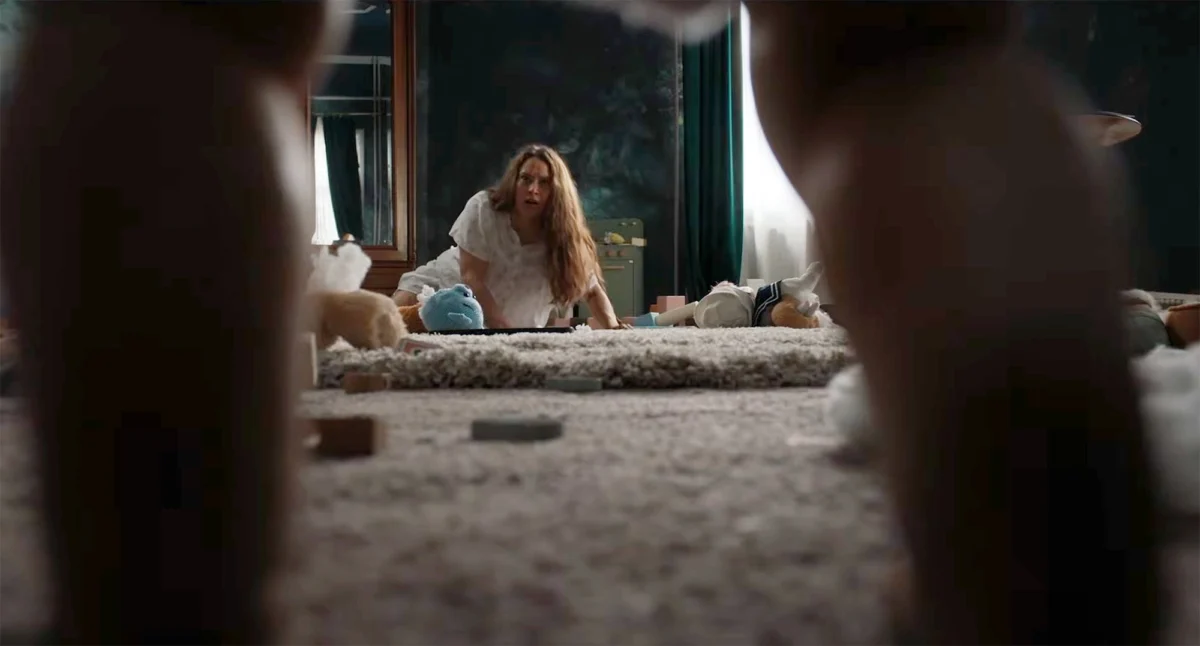
The film follows the story of Saga, portrayed by Seidi Haarla, and her husband Jon, played by Rupert Grint, as they relocate to an isolated residence deep within the Finnish wilderness. The setting, which served as the backdrop for Saga’s own childhood, is intended to be a sanctuary for the couple as they transition into parenthood. However, the narrative shifts toward psychological and supernatural tension following the birth of their child. While Jon attempts to maintain a sense of domestic normalcy, Saga becomes increasingly convinced that their newborn is not what it appears to be. This central conflict serves as the catalyst for a breakdown in their marital bond and a descent into a confrontation with ancient environmental forces.
Directorial Vision and the Evolution of Finnish Horror
Hanna Bergholm first garnered international attention in 2022 with her debut feature, Hatching (Pahanhautoja), a body-horror exploration of perfectionism and maternal anxiety. That film, which centered on a young gymnast who finds a mysterious egg, was praised for its use of practical effects and its unflinching look at the darker side of domestic life. With Nightborn, Bergholm continues her exploration of the maternal experience, though the scale of the production and the depth of the mythological integration have expanded.

In an official statement regarding the film’s thematic underpinnings, Bergholm highlighted the connection between the Finnish landscape and the psychological state of the protagonist. She noted that Nordic mythology regarding trolls—creatures believed to inhabit the deep woods and exert influence over the natural world—serves as the foundational element of the story. According to the director, the forest in Nightborn is not merely a setting but a reflection of the animalistic and primitive aspects of human nature, mirroring Saga’s internal emotional turmoil.
The screenplay was co-written by Bergholm and Ilja Rautsi, her collaborator on Hatching. The production is a joint effort involving Daniel Kuitunen and Noémie Devide, aiming to bridge the gap between regional Finnish storytelling and broader international genre appeal.
Casting and Character Dynamics
The casting of Nightborn represents a strategic blend of European arthouse prestige and mainstream genre recognition. Seidi Haarla, who gained international acclaim for her role in the Grand Prix-winning film Compartment No. 6, brings a grounded, dramatic sensibility to the role of Saga. Her performance is tasked with carrying the film’s ambiguity, as the audience is forced to discern whether her suspicions regarding the infant are rooted in postpartum psychological distress or a genuine supernatural threat.
Opposite Haarla, Rupert Grint continues his established trajectory into the horror and thriller genres. Following his decade-long tenure in the Harry Potter franchise, Grint has sought out increasingly mature and dark roles, most notably in M. Night Shyamalan’s Apple TV+ series Servant and Guillermo del Toro’s Cabinet of Curiosities. His role as Jon in Nightborn echoes some of the domestic anxieties explored in his previous work but places them within the specific context of Nordic folk horror.

The supporting cast includes veteran Finnish actors Pamela Tola and Pirkko Saisio, alongside British performers Rebecca Lacey and John Thomson. This ensemble reflects the film’s status as a cross-cultural production, utilizing the linguistic and cultural friction between the British husband and the Finnish wife to heighten the sense of isolation and misunderstanding.
Chronology of Production and Release
The development of Nightborn began shortly after the critical success of Hatching in 2022. Principal photography took place on location in the dense forests of Finland, utilizing the natural atmospheric lighting of the Nordic summer and autumn to create a visual style that transitions from idyllic to claustrophobic.
- February 2026: Nightborn premiered at the 76th Berlin International Film Festival in the Panorama or Generation section, where it received positive notices for its atmosphere and visual effects.
- July 2026: The film is slated for a high-profile screening at the Fantasia International Film Festival in Montreal, a premier destination for genre cinema.
- July 2, 2026: Shudder released the final official trailer, sparking significant engagement across social media and horror-centric news outlets.
- July 31, 2026: The film will officially launch on Shudder’s streaming platform in North America, the United Kingdom, Ireland, Australia, and New Zealand.
The marketing campaign for the film has focused heavily on the "evil baby" trope, a long-standing tradition in horror cinema that includes classics such as Rosemary’s Baby and The Omen. However, critics from early festival screenings have noted that Bergholm’s approach is more visceral and rooted in "creature feature" elements than its predecessors, utilizing high-end animatronics and practical effects to realize the newborn’s more disturbing attributes.
Analysis of Folk Horror and Thematic Implications
Nightborn arrives during a period of renewed interest in "Folk Horror," a subgenre that emphasizes the terrifying power of tradition, isolation, and the natural world. Recent successes like Ari Aster’s Midsommar and Robert Eggers’ The Witch have paved the way for international entries that utilize local legends to explore universal fears.

In Nightborn, the "troll" mythology functions as a metaphor for the "otherness" that parents sometimes feel toward their children. The concept of the "changeling"—a folkloric creature left in place of a human infant—is a recurring theme in European history, often used as a way for ancient societies to process developmental differences or the overwhelming pressures of new parenthood. By situating this myth in a modern context, Bergholm and Rautsi provide a commentary on the isolation of the modern nuclear family and the lack of support systems for new mothers.
The film’s reliance on the Finnish forest also taps into the concept of "nature’s indifference." Unlike the suburban horrors common in American cinema, Nordic horror often posits that the wilderness is an ancient, sentient force that does not adhere to human morality. The trailer emphasizes this through aggressive sound design, specifically the "vicious" screams of the infant, which suggest a creature that is mimicking human behavior rather than embodying it.
Distribution and Market Impact
The acquisition of Nightborn by Shudder is a strategic move for the streamer as it continues to position itself as the primary home for elevated international horror. Shudder has seen considerable success with previous Finnish acquisitions, and the inclusion of a recognizable star like Rupert Grint provides the film with a level of "crossover" potential that many foreign-language horror films lack.
The film’s release on July 31 places it at the height of the summer movie season, offering a counter-programming option to large-budget studio blockbusters. For the Finnish film industry, the success of Nightborn serves as a testament to the viability of high-concept genre films in the global marketplace. The Finnish Film Foundation has increasingly supported projects that combine local cultural identity with international commercial standards, and Bergholm has emerged as a leading figure in this movement.

As the streaming date approaches, industry analysts expect Nightborn to perform well among subscribers, potentially matching the viewership milestones set by Hatching. The combination of psychological depth, folk-inspired creature design, and a prestige cast suggests that Bergholm’s second feature will be a significant contribution to the 2026 horror landscape, further cementing the "Finnish New Wave" of horror as a force to be reckoned with in contemporary cinema.