The recent broadcast of episodes eight and nine of the anime series Snowball Earth has presented viewers with a complex blend of escalating conflict and persistent narrative challenges. While the episodes showcase significant advancements in the ongoing battle against encroaching kaiju threats and delve into the motivations of key antagonists, they also highlight ongoing concerns regarding animation consistency and the pacing of crucial plot developments. This review examines the key events, thematic elements, and structural considerations presented in these latest installments, offering a comprehensive analysis of their impact on the series’ trajectory.
Escalating Kaiju Threats and Defensive Strategies
Episode eight of Snowball Earth picks up immediately following a devastating confrontation, with the remnants of the kaiju threat now converging on the primary survivor stronghold. This sanctuary, identified as a school building that has been colloquially referred to as the "Mishima Mall," is protected by a formidable barrier. This defensive measure, a crucial element of the narrative, was reportedly constructed by Hagane’s mother prior to her demise, underscoring its significance and the emotional weight it carries within the series’ lore. The strategic placement and activation of this barrier serve as a focal point for the episode’s early action, illustrating the desperate measures taken by the survivors to safeguard their dwindling numbers.
The narrative then details the coordinated assault by Sagami and his forces, who are revealed to be utilizing a diverse array of kaiju, each possessing unique and often bizarre abilities. Among these, a bat-like kaiju is depicted attempting to breach the protective barrier. The animation quality during this sequence has drawn particular attention, with certain visual effects, particularly the depiction of the kaiju’s movements, being described as awkward and inconsistent with the otherwise dramatic tone of the scene. This critique points to a recurring issue within the series, where advancements in CG animation have not always translated into seamless or impactful visual storytelling.
Following the bat kaiju, another formidable adversary emerges, characterized by antlers capable of rapidly expanding and transforming into a swarm of smaller, projectile-like kaiju. These antler-derived creatures are unleashed upon the school, acting as a barrage of missiles aimed directly at the survivor encampment. The visual design of these "mini-kaiju" is noted for its peculiar and unsettling aesthetic, further contributing to the series’ often surreal depiction of its monstrous antagonists. The effectiveness and visual impact of these threats, despite the animation critiques, underscore the escalating danger faced by the protagonists.
Moments of Animation Brilliance Amidst CG Concerns
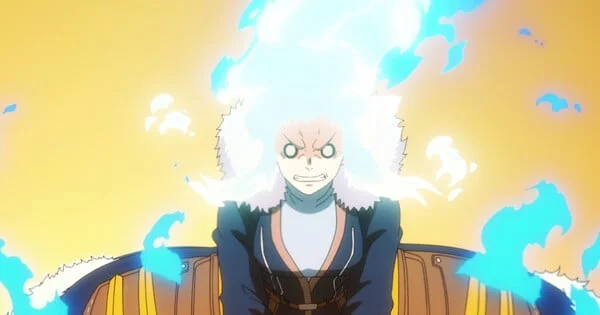
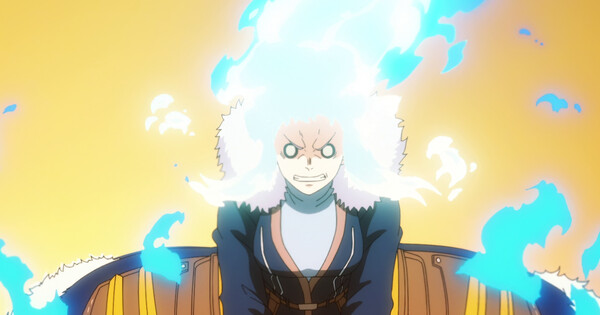
Despite the prevalent criticisms regarding the CG animation, episodes eight and nine also offer glimpses of exceptional visual artistry, particularly in sequences that return to traditional 2D animation. Episode eight culminates in a particularly striking moment featuring Ao and her unique kaiju, described as a "flaming chicken." As Ao prepares for battle, she is enveloped in vibrant, orange flames, a visual representation of her intensified resolve. This scene is lauded for its dynamic composition, the radiant quality of the colors, and the intensified outlines of both the characters and the fire, all contributing to a palpable sense of impending conflict. The fact that this impactful moment is rendered in 2D animation further amplifies the contrast with the less successful CG sequences.
This shift to 2D animation is not isolated to episode eight. Episode nine features a similar moment of visual splendor, depicting a firestorm that obliterates Ao’s opponent. This "sakuga" moment, a term used in anime to denote sequences of exceptionally fluid and impactful animation, is described as a well-deserved reprieve from the otherwise inconsistent visual presentation. The reviewer expresses a recurring sentiment that these sporadic bursts of high-quality 2D animation serve as tantalizing previews of what the entire series could achieve, leading to a sense of frustration over the perceived underutilization of this stylistic strength. The inconsistency in animation choices is highlighted as a significant detractor, making the less polished CG elements appear even more jarring by comparison.
Narrative Pacing and Antagonist Development Under Scrutiny
While the physical confrontations are a central element of these episodes, the narrative pacing and the development of the antagonist, Sagami, have also come under significant scrutiny. Episode nine begins with Ao and her chicken kaiju engaging the bat kaiju. However, this confrontation is relatively brief, lasting only about a minute before the episode shifts its focus to Sagami’s backstory. This abrupt redirection of attention, particularly when an exciting kaiju battle is underway, is perceived as a missed opportunity to fully explore the potential of an aerial combat scenario.
The broader issue with the fight sequences in episode nine, according to the analysis, is their perceived elongation and fragmentation. These battles are frequently interrupted by flashbacks and interludes featuring character dialogue. While acknowledging the occasional need for quiet moments to allow a fight to "breathe," the reviewer contends that the excessive chopping up of action with narrative digressions creates a sense of "narrative dissonance," disrupting the flow and impact of the combat.
The character of Sagami himself is a particular point of contention. His plan, as presented, involves the slaughter of innocent civilians who do not align with his ideology, with the paradoxical aim of becoming their savior. This approach is critically described as a nonsensical "burning the village to save it" scenario. The immediate failure of Sagami’s plan to eliminate Tetsuo, a character who had previously escaped his grasp, leads to a breakdown and vocalization of his confusion regarding his strategy’s shortcomings. The narrative attempts to provide sympathy for Sagami through a flashback sequence, but this is largely perceived as counterproductive.
Backstory and Motivations: A Question of Coherence
The flashback intended to shed light on Sagami’s past and motivations raises further questions about the internal logic of the Snowball Earth narrative. The reviewer outlines a series of attributes attributed to Sagami: a highly ambitious soldier, a psychotic complex, witnessing the deaths of close military peers for "no apparent reason," and an "up-and-coming plan" to circumvent Tetsuo, driven by insecurity and egomania. The central question posed is how such a character, with such overtly villainous tendencies, managed to have his plan approved by Earth’s army. The flashback’s portrayal of Sagami’s villainy is deemed so transparent that it could have been perceived by any observant party, leading to a critique that the narrative fails to convincingly establish the context for his rise and the acceptance of his extreme methods. The effectiveness of his "evil plans" is contrasted with the perceived heavy-handedness of the show’s CG animation, suggesting a parallel in their lack of subtlety.
Broader Implications and Series Trajectory
The recurring issues with animation consistency and narrative pacing in Snowball Earth episodes eight and nine raise broader questions about the series’ overall direction and its ability to deliver a consistently engaging experience. While the show demonstrates moments of significant visual flair and thematic depth, particularly in its exploration of character motivations and the escalating stakes of the kaiju conflict, these strengths are frequently undermined by technical and structural shortcomings.
The reliance on CG animation, while a common practice in modern anime production, appears to be a particular area of struggle for Snowball Earth, especially when contrasted with the impact of its 2D animated sequences. This inconsistency not only detracts from the visual spectacle but also exacerbates the perceived flaws in the CG itself.
Furthermore, the pacing of narrative developments, particularly the handling of combat sequences and the introduction of antagonist backstories, suggests a need for refinement. The fragmentation of action and the abrupt shifts in focus can disrupt viewer immersion and dilute the impact of key plot points. The perceived lack of logical coherence in Sagami’s character arc and the approval of his extreme plans also present a significant hurdle for viewer investment in the antagonist’s narrative.
Supporting Data and Context:
The narrative of Snowball Earth unfolds against a backdrop of a world grappling with the emergence of colossal creatures, known as kaiju, which pose an existential threat to humanity. While specific dates for these events are not explicitly provided within the reviewed episodes, the context suggests a contemporary or near-future setting where scientific and military responses are being mobilized. The existence of specialized units and advanced defensive technologies, such as the protective barrier, indicate a significant global effort to combat the kaiju incursions. The series also delves into the nature of these creatures, hinting at a possible origin or connection that remains a central mystery. The effectiveness of human countermeasures, as depicted through the survivors’ struggle, is a continuous point of narrative tension.
Chronology of Key Events in Episodes 8 & 9:
- Episode 8 Begins: Kaiju remnants, having previously engaged Yukio, advance towards the survivor stronghold, the "Mishima Mall" (school building).
- Barrier Defense: The survivors activate a protective barrier, built by Hagane’s mother, to defend their hideout.
- Sagami’s Assault: Sagami and his forces, utilizing a bat-like kaiju and antler-equipped kaiju that spawn mini-kaiju, launch a direct attack on the barrier.
- CG Animation Criticisms: Specific scenes involving the bat kaiju’s breach and the antler-derived mini-kaiju are noted for awkward CG animation.
- Episode 8 Climax: Ao and her flaming chicken kaiju are depicted in a visually striking 2D animated sequence, preparing for battle.
- Episode 9 Begins: Ao and her chicken kaiju engage the bat kaiju in a brief aerial combat sequence.
- Focus Shift: The episode transitions to Sagami’s backstory and motivations, overshadowing the ongoing kaiju fight.
- Fight Pacing Issues: Combat sequences are described as stretched out and interrupted by flashbacks and dialogue, leading to narrative dissonance.
- Sagami’s Plan Fails: Sagami’s attempt to eliminate Tetsuo is unsuccessful, leading to his emotional breakdown and questioning of his strategy.
- Flashback Analysis: Sagami’s backstory is presented, but its attempt to foster sympathy is critiqued for making the character and his context appear illogical and underdeveloped.
- Episode 9 Conclusion: The episode ends with the continuation of the fight between Ao and the bat kaiju, but the primary focus has shifted away from the battle’s full exploration.
Potential Implications and Future Outlook:
The narrative trajectory of Snowball Earth suggests a critical juncture. The effectiveness of the survivor’s defenses, the nature of Sagami’s ultimate goals, and the resolution of the kaiju threat all remain significant unanswered questions. The series’ ability to address the current narrative and animation concerns will be crucial for its long-term success. A more consistent approach to animation, particularly in leveraging the strengths of 2D animation, could significantly elevate the visual impact of future episodes. Similarly, a more focused and less fragmented approach to pacing, especially during action sequences, would enhance the narrative’s momentum and emotional resonance. The development of Sagami as a compelling antagonist, beyond the current portrayal of illogical villainy, is also essential for the overall strength of the series’ conflict. Viewers will undoubtedly be watching closely to see if Snowball Earth can coalesce its promising elements into a more cohesive and satisfying storytelling experience.
Snowball Earth is currently streaming on Crunchyroll.