Sony Interactive Entertainment (SIE) has reportedly signaled a significant shift in its strategy regarding the release of its critically acclaimed single-player games on PC, a move that could fundamentally alter the landscape of platform exclusivity in the gaming industry. While the company has not issued a direct official statement on the matter, subtle but crucial changes in its public filings and recent internal communications suggest a departure from its previous approach of bringing flagship single-player titles to the PC platform. This potential pivot has sent ripples through the gaming community, prompting extensive discussion about the future of PlayStation’s PC porting strategy and the implications for both players and developers.
The most compelling evidence of this strategic re-evaluation comes from Sony’s latest annual report submitted to the United States Securities and Exchange Commission (SEC). In previous filings, specifically the 2025 version of the document, a clear statement outlined Sony’s commitment to expanding its reach. It explicitly stated: "Sony plans to continue its efforts to deploy its first-party titles to multiple platforms such as PC." However, this year’s iteration of the annual report omits this crucial line. This omission, while seemingly minor, is being widely interpreted as a deliberate signal that the company is reassessing or has already decided to discontinue its practice of releasing its tentpole single-player experiences on PC.
Adding further weight to this interpretation are reports stemming from an internal Sony Interactive Entertainment (SIE) town hall meeting held on May 18th. According to prominent Bloomberg reporter Jason Schreier, who has a proven track record of accurate industry reporting, SIE Studio Business Group CEO Hermen Hulst reportedly addressed the company’s future PC release plans during this internal gathering. Schreier’s account suggests that Hulst conveyed a new directive: SIE would no longer be releasing its single-player games on PC. This alleged statement directly contradicts the previous public commitment and marks a potentially definitive end to a strategy that has seen substantial success in recent years.
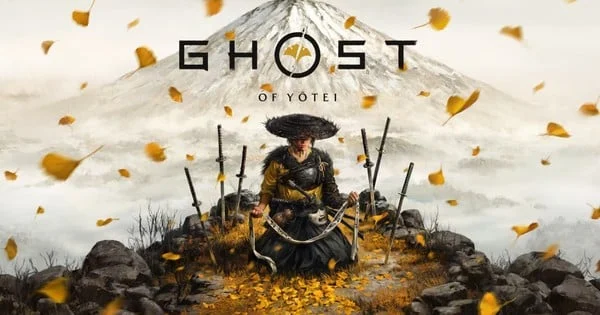
This internal announcement appears to be the culmination of a gradual reassessment of SIE’s PC strategy, which was first brought to light in an earlier Bloomberg report published in March. That initial report indicated that SIE had already begun to scale back its PC ambitions, with plans reportedly being scrapped for the PC release of the highly anticipated game Ghost of Yōtei, a sequel to the acclaimed Ghost of Tsushima. The March report also suggested that another internally developed title, Saros, would remain exclusive to the PlayStation 5 console.
However, the emerging strategy appears to differentiate between game types. According to the March report, live-service and online-focused games developed by SIE, such as Marathon and Marvel’s Tokon, are still slated for PC releases. This suggests that SIE’s strategic shift is specifically targeted at its narrative-driven, single-player experiences, which have historically been a cornerstone of the PlayStation brand and a significant draw for its console hardware.
Furthermore, games developed by external studios but published by Sony Interactive Entertainment, such as Death Stranding 2: On the Beach and Kena: Scars of Kosmora, are still reportedly planned for PC release this year. This distinction highlights that SIE’s internal development priorities and publishing strategies for third-party titles may remain separate from its core first-party exclusive pipeline. The PC version of Death Stranding 2: On the Beach, for example, has been confirmed for release on PC via Steam and Epic Games Store on March 19th, offering enhanced features like unlocked frame rates, ultra-widescreen support, DualSense controller integration, and advanced upscaling and frame generation technologies. This indicates that while the company might be curtailing its own single-player PC releases, it remains open to PC ports for other types of projects.
When approached for comment by Bloomberg, a spokesperson for Sony reportedly declined to provide any official statement regarding these developments. This silence from the company, coupled with the contradictory evidence from public filings and internal reports, has fueled speculation and anxiety within the gaming community. The outlet also noted that its sources cautioned about the inherent unpredictability of the video game industry, emphasizing that "Sony’s plans are constantly shifting." This caveat underscores the dynamic nature of the market and the possibility of future strategic adjustments.
A Timeline of SIE’s PC Porting Endeavors
Sony’s foray into releasing its first-party games on PC marked a significant departure from its long-standing console-centric philosophy. This strategy began to gain momentum in 2020 with the PC release of Horizon Zero Dawn, a move that was met with considerable enthusiasm by PC gamers who had long admired PlayStation’s exclusive titles from afar. This initial success paved the way for a series of high-profile PC ports that included beloved titles such as God of War Ragnarök, The Last of Us Part I (a remake of the original PS3 title), Ghost of Tsushima, and various installments in the Marvel’s Spider-Man series.
The release of Ghost of Tsushima on PC, for instance, was a critical and commercial success, further solidifying the viability of this strategy. The original Ghost of Tsushima launched for PS4 in 2020 and later received a PlayStation 5 enhanced version. The sequel, Ghost of Tsushima: Director’s Cut (which is what the current article refers to as Ghost of Yōtei), was released for PS5 in October 2025. The decision to potentially withhold its PC port, especially given the success of the original on PC, is therefore particularly noteworthy.

Similarly, Death Stranding 2: On the Beach, the highly anticipated follow-up to Hideo Kojima’s unique action game, launched for PS5 in June 2025. As mentioned, its PC port is confirmed for March 2026, demonstrating a continued, albeit selective, commitment to the PC platform.
Analyzing the Potential Implications
The reported shift away from PC releases for single-player games carries significant implications for various stakeholders. For PC gamers, this could mean a reduced opportunity to experience some of the most highly regarded narrative-driven titles in the industry without investing in PlayStation hardware. This could be perceived as a step backward for a platform that has embraced a more open ecosystem in recent years.
For Sony and PlayStation, this strategy could be an attempt to reinforce the value proposition of its consoles. By keeping its most prestigious single-player games exclusive to PlayStation, Sony might aim to drive hardware sales and foster a stronger sense of platform identity. This could be particularly important as the company navigates an increasingly competitive market, where the lines between console, PC, and cloud gaming are becoming increasingly blurred.
However, this move also risks alienating a substantial segment of the gaming audience that has come to appreciate the accessibility and flexibility of PC gaming. The PC market represents a vast and lucrative demographic, and foregoing potential revenue streams from PC sales could be a missed opportunity, especially for games that may have a longer tail of profitability on PC.
Furthermore, the success of PC ports has often provided a significant revenue boost for Sony, extending the lifespan of its titles and reaching new audiences. Games like God of War (2018) and Marvel’s Spider-Man have seen considerable success on PC years after their initial PlayStation releases. Retracting from this strategy could impact the overall financial performance of SIE’s first-party portfolio.
The distinction between single-player games and online/live-service titles is also telling. This suggests that Sony might be prioritizing its console as the primary platform for immersive, story-driven experiences, while viewing PC as a viable market for games that benefit from ongoing player engagement and a broader online community. This aligns with broader industry trends where live-service games are increasingly designed with cross-platform play and persistent online communities in mind.
The Evolving Landscape of Game Development and Distribution
The video game industry is in a constant state of flux, driven by technological advancements, shifting consumer preferences, and evolving business models. Sony’s potential recalibration of its PC strategy is a reflection of these dynamics. The rise of cloud gaming services, the increasing cost of game development, and the sustained popularity of console gaming all contribute to the complex decision-making processes undertaken by major industry players.
Historically, console manufacturers have maintained strict exclusivity policies to differentiate their platforms and incentivize hardware purchases. However, in recent years, this paradigm has begun to shift, with companies like Microsoft embracing a more cross-platform approach through its Xbox Game Pass service and PC releases. Sony’s previous embrace of PC ports was seen as a significant step in this direction, broadening its appeal and revenue streams.
The current reports suggest a potential return to a more traditional model of console exclusivity for SIE’s most cherished single-player franchises. The success of games like The Last of Us Part I on PC, for instance, has been undeniable, but if the strategic aim is to bolster PlayStation console sales, then maintaining exclusivity for future narrative masterpieces becomes a logical, albeit potentially controversial, business decision.
The fact that Sony has not officially commented on these reports, coupled with the subtle but significant changes in its SEC filings, leaves room for interpretation. However, the convergence of these indicators strongly suggests a deliberate strategic adjustment. The gaming world will be closely watching to see how this potential shift unfolds and what its long-term consequences will be for both PlayStation and the broader PC gaming ecosystem. The industry’s reliance on blockbuster single-player titles as system sellers remains a powerful force, and Sony’s decisions in this arena will undoubtedly be scrutinized for years to come.