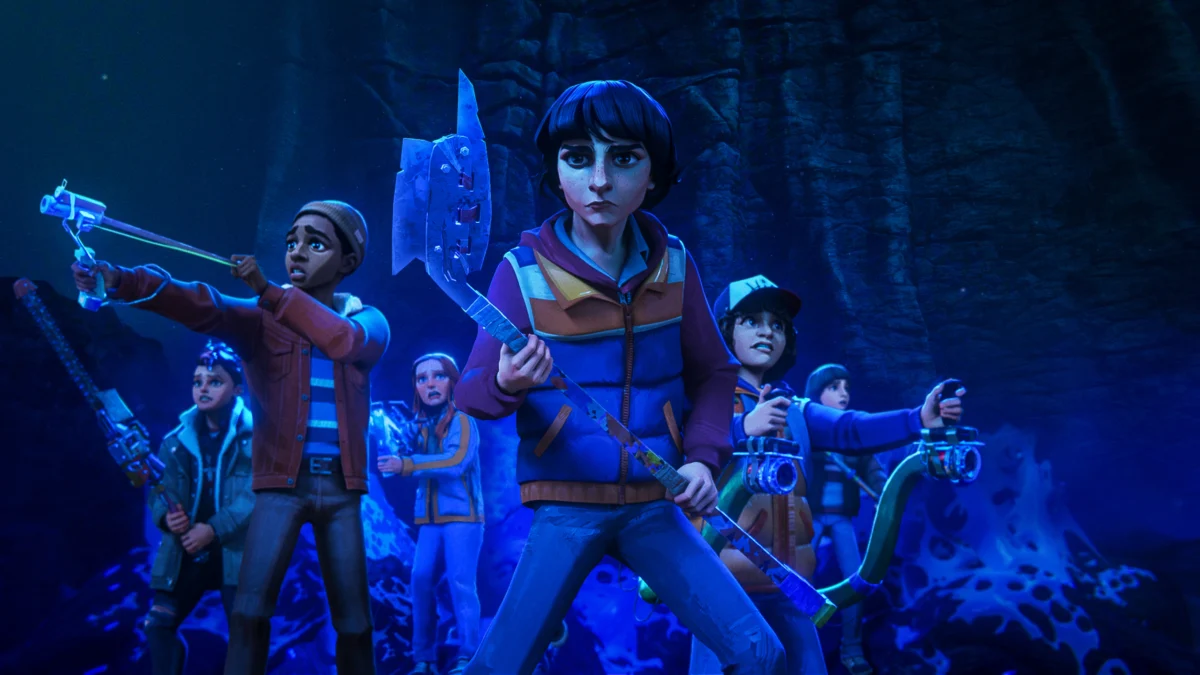
Following the rapid release of its first two installments, the animated television expansion Stranger Things: Tales from ’85 has left audiences wondering if the fictional town of Hawkins will open its doors for a third outing. While the narrative architecture of the series has deliberately left room for continued storytelling, any progression toward a third season depends entirely on a singular, decisive metric: viewership performance.
As Netflix assesses the ongoing viability of its broader intellectual properties, the animated spin-off occupies a unique and precarious position within the streaming giant’s catalog. Examining the background of the production, current audience data, creative challenges, and the broader implications for the franchise reveals what lies ahead for the series.
Origins and Production Structure of the Animated Expansion
To understand the current renewal landscape of Stranger Things: Tales from ’85, one must examine the atypical rollout strategy employed by Netflix. Unlike traditional television models where a single season is ordered, evaluated, and subsequently renewed, this animated spin-off was greenlit with a dual-season upfront order.
In the animation industry, lengthy production cycles necessitate long-term planning. Development on the project commenced as early as 2023, requiring years of meticulous storyboarding, voice casting, and visual design. Similar high-profile adult and young-adult animated endeavors on Netflix, such as Blue Eye Samurai, have historically required extended intervals between production phases.
The initial two-season commitment has now been fulfilled, transitioning the property from a guaranteed multi-season rollout to a standard evaluation phase. Showrunner Eric Robles addressed the reality of this transition in statements directed toward the fanbase, emphasizing that audience engagement remains the primary catalyst for securing a third-season pickup. Without an upfront multi-season guarantee remaining, the production team must rely on quantifiable demand to justify the significant financial and operational resources required for further animation work.
Viewership Performance and Global Chart Analysis
For a streaming service of Netflix’s scale, algorithmic success is tied directly to sustained global viewing figures and placement within regional top-ten lists. The data surrounding Stranger Things: Tales from ’85 paints a complex picture of audience retention and cultural penetration.
Following the debut of its inaugural season, the series secured a brief two-week residency in the global top-ten television rankings, accumulating 23.9 million viewing hours, which translated to approximately 4.9 million total views. Performance metrics for the first half of the year indicated a cumulative total of 40.4 million viewing hours, equating to roughly 8.3 million views. While these figures represent respectable engagement for a standard animated venture, they fall short of the cultural dominance typically associated with the live-action mothership series.
The release of the second season encountered similar hurdles regarding widespread mainstream penetration. Early daily tracking data from metric providers like FlixPatrol indicated that while the series secured positions in the overall top-ten television charts, its footprint was largely restricted to a select number of international markets. In major territories, the series struggled to break into the primary rankings, appearing primarily in lower-tier positions across Eastern European and South Asian regions.
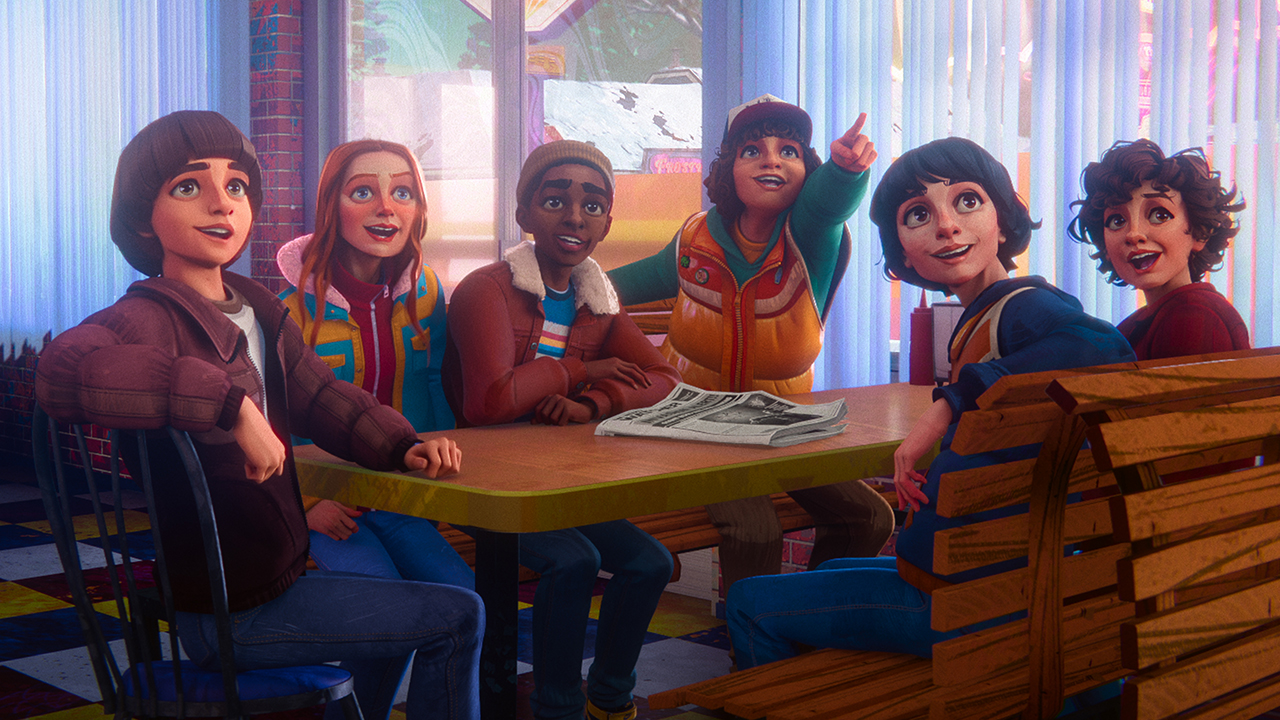
Although the show achieved more stable traction within regional Kids and Family television categories, the broader franchise pedigree creates elevated expectations. Netflix executives typically look for weeks of sustained, dominant placement before committing to high-end animated extensions. Unless organic word-of-mouth recommendations accelerate viewership figures, the series faces a challenging path toward formal re-authorization.
Canon Continuity and Narrative Boundaries
Beyond financial and metric considerations, a potential third season faces significant creative hurdles concerning the overarching lore established by creators Matt and Ross Duffer. The animated series occupies a specialized space within the franchise ecosystem, characterized by creators as "not pure canon," yet it remains bound by strict chronological and continuity parameters.
Showrunner Eric Robles has previously outlined the narrative objective of the spin-off: to bridge the chronological gap leading directly up to the events of the live-action third season. With the second season concluding around Valentine’s Day in 1985, any subsequent continuation would inevitably propel the timeline into the spring and early summer months of that year, culminating in the opening of the Starcourt Mall.
This temporal progression introduces a notable structural challenge. Prominent characters introduced specifically for the animated medium—such as Nikki, voiced by Odessa A’zion, and Charlie—do not appear in the subsequent live-action chronology of Hawkins. Consequently, a third season or a concluding narrative arc would bear the responsibility of resolving their character arcs and providing a logical explanation for their absence during the catastrophic events of the summer of 1985.
Should the series secure a renewal, writers would need to utilize these final narrative blocks as connective tissue, ensuring a seamless transition into the established events of the primary television series while preserving internal consistency.
Implications for the Broader Franchise Strategy
The current status of Stranger Things: Tales from ’85 reflects a broader strategic evolution within modern streaming television. As production costs rise and audience fragmentation increases, intellectual property expansion is subjected to rigorous cost-benefit analyses.
Historically, massive live-action franchises could rely on peripheral media to maintain consumer interest during lengthy hiatuses between primary seasons. However, platforms are increasingly demanding that spin-offs and companion series justify their own existence through independent profitability and audience acquisition rather than merely serving as brand maintenance tools.
If Netflix chooses not to move forward with a third season, the series will conclude having successfully fulfilled its original two-season mandate, providing closure to its specific narrative threads while maintaining the structural integrity of the main timeline. Conversely, a green light for Season 3 would signal continued corporate confidence in the longevity of the animated format as a viable vehicle for major live-action intellectual property.
As discussions continue behind closed doors at Netflix, the final decision rests heavily on completion rates, subscriber retention data, and the willingness of the global fanbase to mobilize around the series. Until official executive announcements are made, Stranger Things: Tales from ’85 remains a compelling case study in the intersection of franchise expansion, audience metrics, and the realities of modern streaming economics.