The cinematic adaptation of Kazuo Ishiguros acclaimed 2021 dystopian novel, Klara and the Sun, has arrived in theaters with high expectations, yet it has left critics and literary enthusiasts grappling with a complex array of tonal missteps. Directed by Taika Waititi—a filmmaker celebrated for his distinct balancing act of eccentric comedy and poignant emotional depth in works such as What We Do in the Shadows, Thor: Ragnarok, Jojo Rabbit, and Hunt for the Wilderpeople—the film was widely anticipated to be a thoughtful translation of Nobel laureate Ishiguros speculative narrative. However, despite a high-profile cast featuring Jenna Ortega, Amy Adams, and Mia Tharia, the finished product has sparked significant debate regarding its narrative direction, thematic simplification, and tonal inconsistencies.
Main Facts of the Production and Narrative Scope
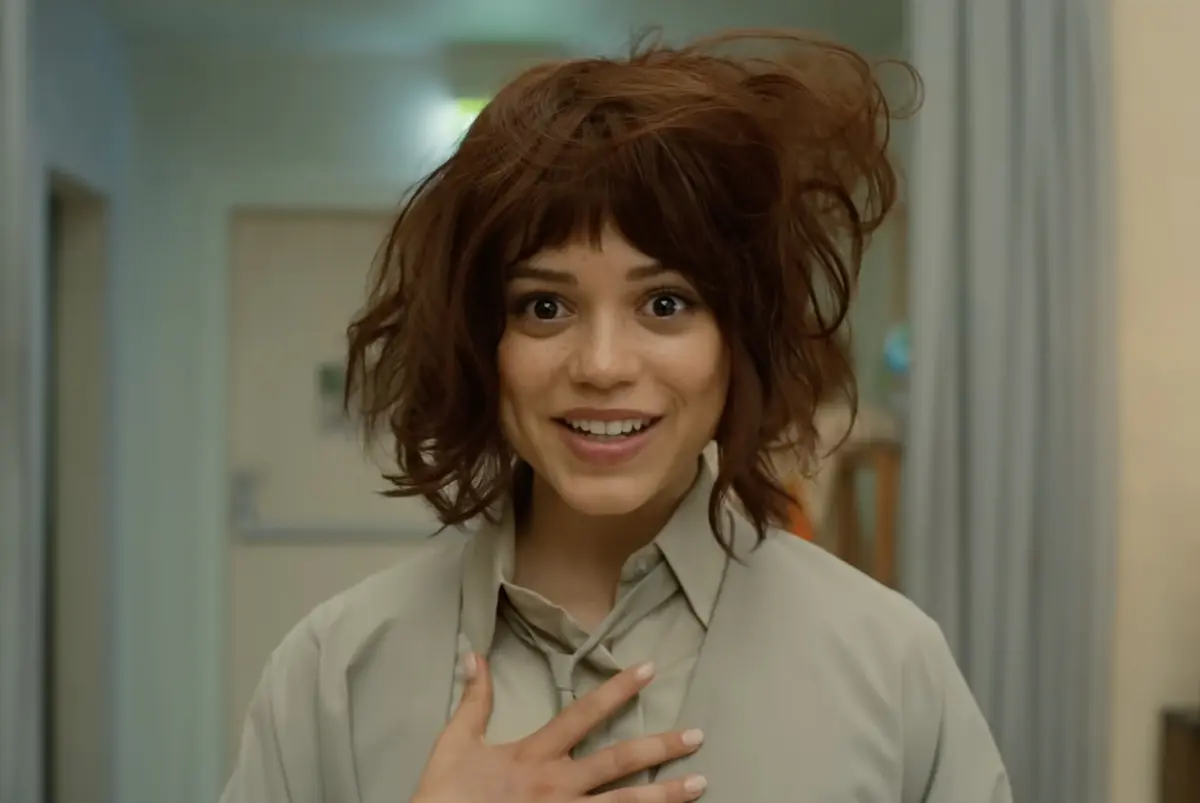
Klara and the Sun centers on the perspective of Klara, an Artificial Friend portrayed with striking physical precision by Jenna Ortega. Klara is an advanced solar-powered android purchased to serve as a companion for a sickly teenager named Josie, played by Mia Tharia. Josie lives with her mother, Chrissie, portrayed by Amy Adams. Within the films dystopian framework, Josie belongs to a controversial demographic known as the "lifted"—children whose genetic codes have been artificially altered to enhance intelligence and physiological resilience. This medical procedure is accessible exclusively to affluent families, creating a distinct societal divide between the enhanced and the unenhanced.
Chrissie’s desperation to secure Josie’s future stems from profound personal tragedy; she previously lost her older daughter, Sal, to natural causes—an event that also fractured her marriage. While Ishiguro’s original novel offers a slow-burn, melancholic exploration of mortality, artificial consciousness, and parental grief, Waititi’s cinematic adaptation introduces substantial alterations to the plot structure, dialogue, and character motivations. Rather than maintaining the quiet, observational dread of the source material, the film incorporates broad comedic beats, heightened visual maximalism, and simplified moral binaries that alter the core messaging of the narrative.
Chronology and Development of the Adaptation Process
The journey of Klara and the Sun from page to screen has been a prolonged endeavor within the industry. Kazuo Ishiguro published the novel in March 2021, shortly after receiving the Nobel Prize in Literature in 2017 and witnessing successful adaptations of his previous works, most notably Never Let Me Go (2010) and The Remains of the Day (1993). The literary community immediately embraced Klara and the Sun for its haunting examination of artificial empathy in a near-future society defined by genetic stratification.
Film industry interest materialized rapidly following the publication. By late 2021, production banners began assembling creative teams to bring the speculative world to life. Taika Waititi was officially attached to direct the project, bringing a reputation for handling unconventional source material, as demonstrated in Jojo Rabbit (2019), which adapted Christine Leunens’s novel Caging Skies into an Academy Award-winning tragicomedy. Principal photography commenced amid considerable media attention, highlighting the casting of rising star Jenna Ortega alongside veteran actors like Amy Adams. Post-production focused heavily on establishing the visual aesthetic of the near-future society, utilizing saturated color palettes, retro-futuristic costume design, and expansive architectural sets to construct the world inhabited by Klara and the Josie household.
Visual Design and World-Building Choices
From an aesthetic standpoint, the film exhibits distinct creative choices that have drawn mixed reactions from design critics and audiences alike. The cinematography employs a warm, highly saturated color palette that contrasts sharply with the traditional, sterile gray tones typically associated with dystopian cinema. The costumes worn by the characters represent an eclectic fusion of updated retro silhouettes and avant-garde couture, establishing a visually stimulating environment within Chrissie’s expansive prairie-style architectural dream home.
In the film’s opening sequence, prospective buyers inspect competing artificial companion models showcased like window displays from early-2000s retail culture—a sequence that leans heavily into Waititi’s signature satirical style. However, these stylistic flourishes occasionally clash with the narrative’s internal logic. For instance, the physical setting of the family’s estate—situated hours outside of Chicago—features sweeping, lush wheat farms. Agricultural and geographical accuracy critics have noted that the dominant agricultural yields of Illinois are predominantly corn and soybeans. While contextual justifications involving environmental degradation due to a hypothetical future world war are briefly implied, the visual choice prioritizes aesthetic rural romanticism over geographical realism.
Supporting Data and Character Dynamics
The narrative architecture of the film introduces several secondary characters whose narrative arcs undergo significant compression compared to the source text.
Housekeeper Melania, brought to life by veteran actress Rachel House, initiates an intriguing dynamic early in the film. Melania functions not merely as domestic staff but as an adopted pillar of the household. Upon Klara’s arrival, Melania immediately identifies the android as a "Mexican robot," confronting Chrissie with accusations of attempting to maintain an exclusively white domestic environment. This sharp dialogue touches upon intersectional domestic tensions, yet the subplot is swiftly sidelined by the primary interactions between Klara and Josie, leaving the underlying socioeconomic friction unresolved as Melania rapidly accepts the artificial companion.
Similarly, Josie’s childhood friend and romantic interest, Rick (Aran Murphy), represents one of the few unlifted youths in the community. Rick articulates the ethical dilemma of Klara’s subjugation, explicitly noting that the android functions essentially as an indentured servant. Furthermore, a nascent plot thread involving Josie’s jealousy regarding Rick and Klara’s developing bond is introduced but summarily abandoned. This narrative detour prevents the film from deepening the emotional resonance between human and machine, leaving Klara’s subsequent self-sacrificial drive to save Josie appearing more akin to programmed directives than genuine emotional attachment—an angle that, if fully interrogated, could have provided profound thematic weight.
The Impact of Satire on Dystopian Themes
The central thematic friction within Waititi’s adaptation lies in the collision between Ishiguro’s nuanced dystopian critique and Waititi’s inclination toward broad, accessible satire. Ishiguro’s novel treats the concept of "lifting" as an impending reality rooted in contemporary advancements in genetic engineering, in vitro fertilization, and prenatal screening. The author presents prejudice against the unenhanced as an insidious, systemic reality of modern social structures.
In contrast, the film frequently relies on stark moral dichotomies—dividing characters rigidly into categories of absolute good and absolute bad. This structural shift becomes most apparent when Josie attends a gathering hosted by affluent peers from her intended academy. Rather than the isolated, at-home tutoring environments depicted in the novel, the film presents an extravagant party populated by caricatured, vacant youths reminiscent of the Capitol citizens from The Hunger Games, each accompanied by subjugated artificial friends.
Within this sequence, a primary antagonist displays overtly exaggerated behavioral traits, including a distinct vocal tic and stereotypical queer-coding intended to signify moral corruption. Cultural analysts and film critics have noted the paradox of this characterization, particularly given Waititi’s previous work on projects like Our Flag Means Death, which actively subverted traditional toxic masculinity and stock character tropes. The recurrence of utilizing effeminate or marginalized behavioral markers as shorthand for villainy in mainstream comedic cinema continues to draw substantive criticism from media watchdogs.
Performances and Comedic Execution
Despite the narrative and thematic inconsistencies that plague the broader production, critical consensus largely converges on the strength of the principal performances, particularly the physical comedy displayed by the lead cast. Jenna Ortega demonstrates exceptional body awareness and motor control, effectively portraying the staccato, mechanical movements of an early-generation artificial intelligence while conveying subtle shifts in observational awareness.
Supported by the comedic timing of Amy Adams and Mia Tharia, the film features several standout sequences that showcase the performers’ technical prowess. For Ortega, the role serves as a deliberate departure from her darker television work, such as Wednesday, allowing her to showcase alternative performance spectrums. These physical comedy elements provide moments of genuine levity, though they occasionally underscore the tonal dissonance between the film’s comedic aspirations and its tragic narrative foundation.
Broader Industry Implications and Critical Reception
The reception of Klara and the Sun highlights an enduring challenge within contemporary Hollywood: translating nuanced, literary science fiction into commercially viable cinematic experiences. Adapting authors of Ishiguro’s stature requires a delicate balance between respecting the philosophical underpinnings of the text and utilizing the visual vocabulary of cinema.
Industry analysts observe that when auteur directors known for specific tonal sensibilities—such as Waititi’s vibrant absurdist comedy—are paired with deeply melancholic, philosophical source material, the resulting synthesis frequently risks alienating both purists of the original text and mainstream audiences seeking straightforward entertainment. The film’s hesitation to fully commit to either a profoundly dark psychological tragedy or an uninhibited, satirical romp results in a narrative middle ground that feels structurally unresolved.
As Klara and the Sun continues its theatrical run, its ultimate legacy within the science fiction filmography may rest less on its narrative coherence and more on the technical achievements of its lead performances and production design. While the film attempts to modernize a modern literary classic for a visually driven cinematic landscape, it ultimately serves as a case study in the complexities of adaptation, demonstrating that stylistic innovation alone cannot replace thematic depth.