The Evolution of the Happy Death Day Franchise
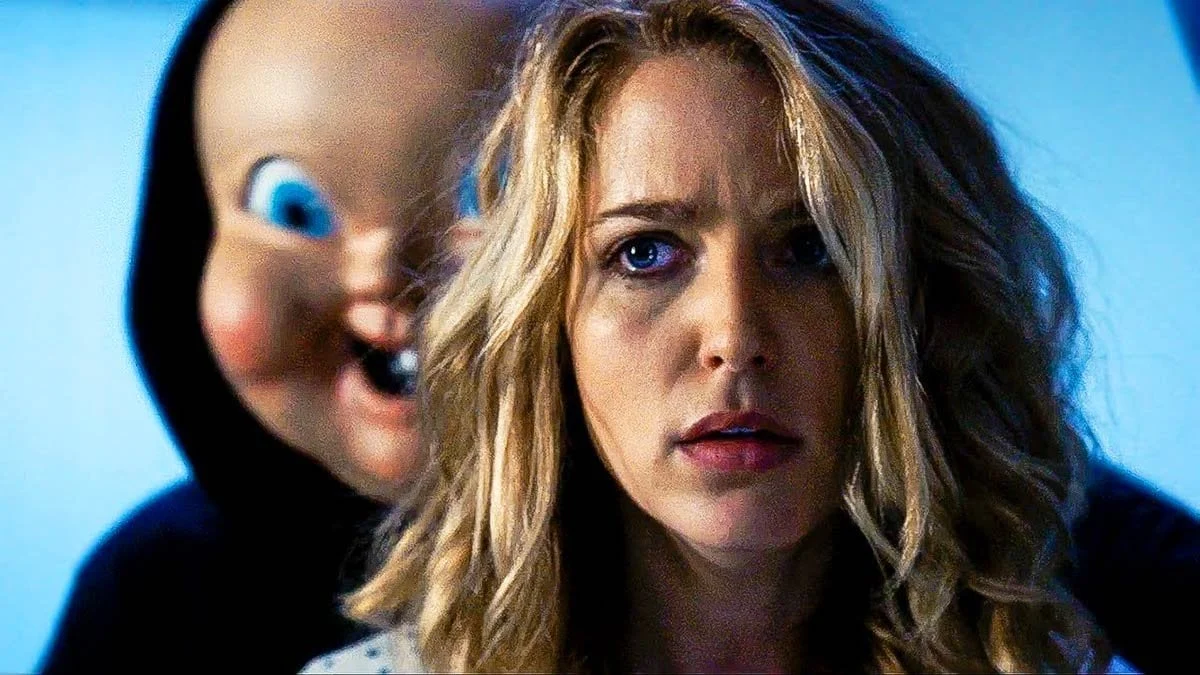
The Happy Death Day franchise first emerged in 2017 as a high-concept horror-comedy that subverted the traditional "final girl" trope by trapping its protagonist, Theresa "Tree" Gelbman, in a repetitive loop of her own murder. Directed by Christopher Landon, the original film was a commercial and critical triumph. Produced on a modest budget of approximately $4.8 million, the film grossed over $125 million worldwide, cementing its status as a profitable venture for Blumhouse and establishing a dedicated fanbase.
The 2019 sequel, Happy Death Day 2U, pivoted further into science fiction and multiverse theory. While it retained the core cast and the sharp, satirical wit of the original, it faced a more challenging theatrical landscape, earning roughly $64 million against a $9 million budget. Despite the lower returns compared to the first entry, the franchise maintained a strong cultural footprint, and the cliffhanger ending left significant narrative threads open, specifically concerning the origins of the time-loop technology and the ultimate fate of Tree Gelbman.
Chronology of the Development Struggle
The road to a third installment has been fraught with logistical challenges and shifting priorities within the industry. Shortly after the second film’s release, Christopher Landon expressed interest in a trilogy, but the lukewarm box office performance stalled immediate momentum.
Throughout 2023 and 2024, Jessica Rothe has been a vocal advocate for the project, consistently updating the press on her commitment to the role. In May 2024, during an interview with ComingSoon, Rothe revealed that she and Landon had been actively working on a story treatment designed specifically to entice studio heads. By September 2024, during the Toronto International Film Festival (TIFF), Rothe confirmed to Deadline that a complete narrative arc for the third film had been finalized. The current status, as of late 2026, is that the creative blueprint is ready for production, pending the green light from the financial stakeholders.

Creative Vision: The "Happy Death Day Tree" Pitch
The proposed title, Happy Death Day Tree, acts as a thematic successor to the clever wordplay seen in the second installment. In her recent Reddit engagement, Rothe emphasized that the proposed script honors the character’s emotional arc while leaning into the franchise’s hallmark blend of horror and humor.
"Chris and I are going to keep pushing to bring it to you," Rothe stated during the AMA. "He and I have come up with a story that is so filled with scares, heart, and laughs. We love how much all of you love her and want to do right by her."
This focus on character integrity is central to the pitch. Unlike many horror franchises that prioritize expanding the body count or the scale of the threat, Landon and Rothe’s approach appears to focus on the evolution of Tree Gelbman. By titling the project with the character’s name, the creative team signals that the final chapter will be a deeply personal examination of the protagonist who has lived through more deaths than arguably any other character in modern cinema.
Industry Implications and the Blumhouse Model
The delay in producing a third film highlights the complexities of the modern mid-budget horror landscape. Blumhouse Productions is renowned for its "low risk, high reward" model, which relies on cost-effective production cycles. However, as sequels become more expensive due to rising talent costs and increased production values, the threshold for profitability rises.
Industry analysts note that for a franchise like Happy Death Day, which possesses a strong secondary market following via streaming and VOD, the decision to produce a third film often comes down to balancing theatrical potential against the guaranteed engagement of a built-in fanbase. If Happy Death Day Tree is greenlit, it would represent a rare example of a mid-budget horror trilogy successfully concluding years after its second installment, bucking the current trend of franchise abandonment.

The Role of Genre Versatility
Jessica Rothe’s continued involvement in the horror genre—most recently evidenced by her performance in the 2026 feature Beware Boiúna—has kept her name relevant in the horror community, which in turn keeps the conversation around the third film active. Her ability to pivot between the lighthearted, meta-horror of the Happy Death Day series and more traditional creature features demonstrates the versatility required to carry a project that balances tonal extremes.
The upcoming release of Beware Boiúna on October 2 serves as a reminder of Rothe’s star power. By participating in press junkets and engaging with fans directly through platforms like Reddit, Rothe acts as the primary public ambassador for the franchise, ensuring that even seven years after the previous installment, the property remains top-of-mind for horror audiences.
Looking Ahead: The Possibility of Conclusion
While there is currently no official production schedule, the transparency offered by Rothe and Landon provides a glimmer of hope for fans. The "Happy Death Day Tree" pitch is not merely a conceptual desire; it is a fully realized narrative ready to be translated to the screen.
The implications of this third film are twofold: first, it would provide a definitive ending to a story that has spanned nearly a decade, a rarity in the slasher genre. Second, it would test the viability of "legacy" sequels in the horror space that are not based on iconic intellectual properties from the 1970s or 80s.
If the film moves into pre-production, it will likely require a streamlined budget to meet the financial expectations of the studio, potentially necessitating a return to the character-driven, contained-location style that made the original film a success. Whether the title ultimately remains "Happy Death Day Tree" or shifts to a more traditional sequel naming convention, the focus remains on the synthesis of the series’ core elements: a high-stakes time loop, the personal growth of its protagonist, and the signature dark humor that defined the first two films.

For now, the project sits in a state of development limbo, waiting for the necessary financial alignment to move from script to set. The dedication of the creative team, led by Landon and Rothe, remains the strongest indicator that the franchise has not yet reached its final day. As audiences continue to demand closure for the saga of Tree Gelbman, the pressure on Universal and Blumhouse to finalize a production deal continues to mount, making the potential for a third film a persistent subject of industry discourse.
Ultimately, the longevity of the Happy Death Day brand is a testament to the audience’s appetite for intelligent, character-focused horror. Should the project receive the necessary funding, it will likely be viewed as a case study in how fan engagement and sustained creative advocacy can keep a dormant franchise alive in an increasingly crowded media market. For the fans who have been following the loop since 2017, the prospect of one final, definitive day for Tree Gelbman is a narrative necessity, and according to the primary talent involved, the story is ready to be told.