On September 20, 2016, the television landscape shifted in a way few industry insiders anticipated. As NBC unveiled the pilot episode of Dan Fogelman’s This Is Us, it did more than introduce a new family drama; it challenged the prevailing narrative that the "Golden Age of Television" was exclusively the domain of niche cable networks and burgeoning streaming platforms. A decade later, the premiere remains a benchmark in structural storytelling and a masterclass in emotional pacing.
The Landscape of 2016 and the Network Drama Crisis
To understand the significance of This Is Us, one must examine the state of broadcast television in 2016. At that time, traditional networks were struggling to maintain relevance against the rising tide of on-demand content from services like Netflix and Amazon Prime. Critics frequently cited a "peak TV" environment where serialized dramas were viewed as too complex for the broad, episodic-reliant network model.
This Is Us arrived at a critical juncture. Fogelman, known for his work in film, pitched a premise that seemed deceptively simple: an exploration of the human condition through the lens of individuals sharing a birthday. The show’s pilot episode, however, utilized a non-linear narrative structure that was then considered risky for a prime-time broadcast audience. By the time the credits rolled, it had garnered approximately 10 million viewers in its initial broadcast, a figure that would balloon significantly through delayed viewing metrics, ultimately cementing its status as the most-watched new series of the 2016–2017 season.
Chronology of a Cultural Phenomenon
The pilot’s success was rooted in a deliberate, measured unveiling of its central conceit. The episode begins with a voiceover referencing a Wikipedia statistic: "The average human being shares his or her birthday with over 18 million other human beings." This sets the stage for the introduction of four seemingly disparate characters:
- Jack Pearson (Milo Ventimiglia): Introduced as a husband celebrating his 36th birthday with a modest gesture from his wife, Rebecca (Mandy Moore).
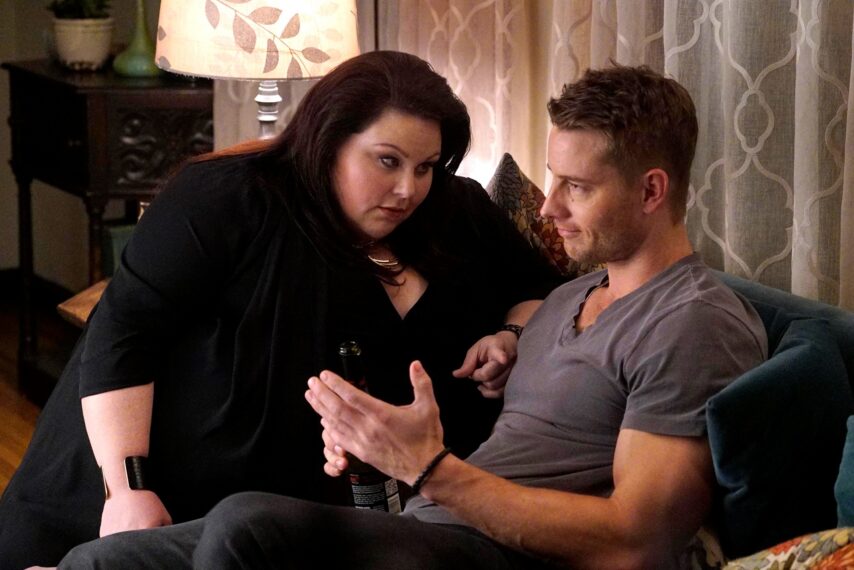
- Kate Pearson (Chrissy Metz): A woman struggling with weight and self-image, haunted by physical reminders of her dietary restrictions.
- Randall Pearson (Sterling K. Brown): A successful businessman dealing with the pressures of his professional life while grappling with his identity as an adoptee.
- Kevin Pearson (Justin Hartley): An actor facing an existential crisis while trapped in the superficiality of a sitcom environment.
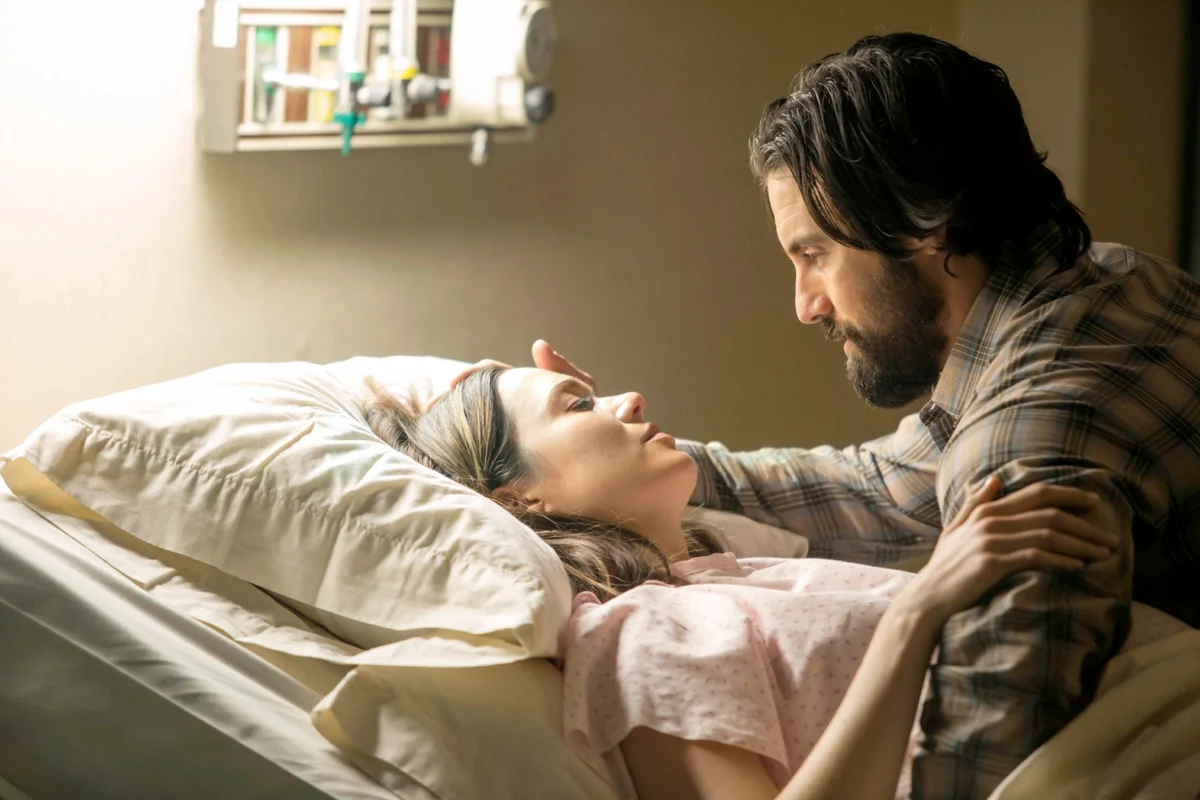
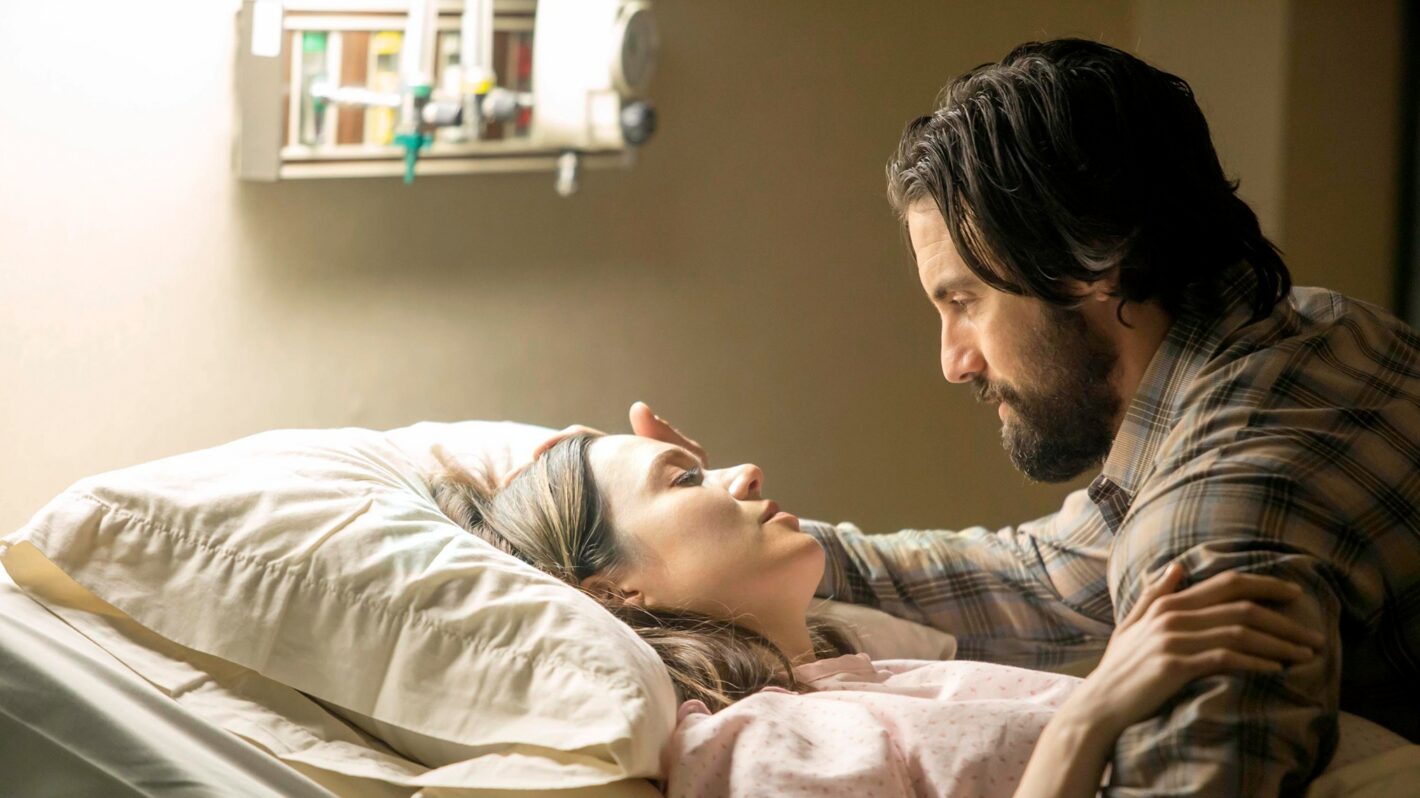
The narrative momentum builds as these lives intersect. The pivotal "domino effect" begins when Rebecca goes into labor with triplets. The sequence at the hospital, guided by the character of Doctor K (Gerald McRaney), serves as the emotional anchor of the episode. It is here that the audience learns of the loss of one of the triplets, followed by the adoption of an abandoned infant—a child who would eventually be revealed as the adult Randall.
The Structural Innovation: The Twist
The defining moment of the pilot—the reveal that the segments featuring Jack and Rebecca were set in the 1970s—is widely considered one of the most effective plot pivots in modern television. By showing Jack and Rebecca in a hospital nursery alongside a fireman who has just brought in an abandoned baby, Fogelman bridged the temporal gap.
This revelation fundamentally changed how viewers consumed the show. It transformed the series from a character study into a historical puzzle. By the time the music swell of Labi Siffre’s "Watch Me" hit the airwaves, the audience understood that they were not watching four separate stories, but rather a singular, multi-generational saga.
Data and Audience Metrics
The success of the series was not merely anecdotal. According to Nielsen ratings from the 2016 season, This Is Us was the highest-rated scripted series among the coveted 18–49 demographic. Its "Live+7" ratings—which measure viewership within seven days of the initial broadcast—were consistently among the strongest in the industry, proving that audiences were willing to engage with complex, appointment-based viewing if the narrative payoff was substantial.
Industry analysts noted that the show’s ability to drive social media engagement was unprecedented for a network drama. During its first season, the show averaged over 2 million social interactions per episode, a testament to the "water cooler" effect that many executives believed had died out in the digital age.
Perspectives from the Production Team
Reflecting on the legacy of the show, series creator Dan Fogelman has noted in various retrospective interviews that the pilot was intended to be a "Trojan Horse." By framing the story around a birthday and the concept of connection, the writers were able to slide heavy, universal themes—grief, adoption, body image, and existential dread—into the living rooms of millions.
Cast members, including Mandy Moore and Sterling K. Brown, have frequently cited the "lemonade" speech delivered by Doctor K as the soul of the series. The advice to "take the sourest lemon that life has to offer and turn it into something resembling lemonade" became a mantra not just for the characters, but for the fans of the show, often cited in discussions regarding the series’ lasting cultural impact.
Broader Implications for the Television Industry
The success of This Is Us had a profound effect on the television industry. It proved that there was still a massive, underserved appetite for "heart-centered" storytelling on broadcast networks. Following its debut, several other networks attempted to replicate the model of multi-generational, time-jumping family sagas, though few achieved the same level of critical or commercial success.
Furthermore, the show’s success paved the way for more diverse casting in network dramas. The portrayal of the Pearson family—a transracial family unit navigating the nuances of race and belonging—provided a blueprint for future shows seeking to balance high-concept drama with grounded, inclusive representation.
Legacy and Continued Relevance
Ten years later, the impact of the This Is Us pilot continues to resonate. The recent launch of the That Was Us podcast, featuring core cast members, demonstrates that the show’s fanbase remains active and engaged. By revisiting the episodes with the context of the full six-season run, the creators and actors have invited a new generation of viewers to analyze the deliberate foreshadowing embedded in the premiere.
The pilot remains a mandatory case study in television writing classes. It successfully balances the demands of a high-concept "hook" with the necessity of character-driven empathy. As the industry continues to grapple with the fragmentation caused by streaming, the 2016 premiere of This Is Us stands as a reminder of the power of a well-told, human-centric story to unify a disparate audience.
For those revisiting the episode today, the technical craftsmanship is just as apparent as it was a decade ago. The seamless transitions, the thematic consistency, and the emotional resonance all confirm that while the television landscape has shifted, the fundamental human desire for connection remains unchanged. The Big 3, as the Pearson siblings are known, may have concluded their televised journey, but their influence on the medium is firmly cemented in the history of the industry.