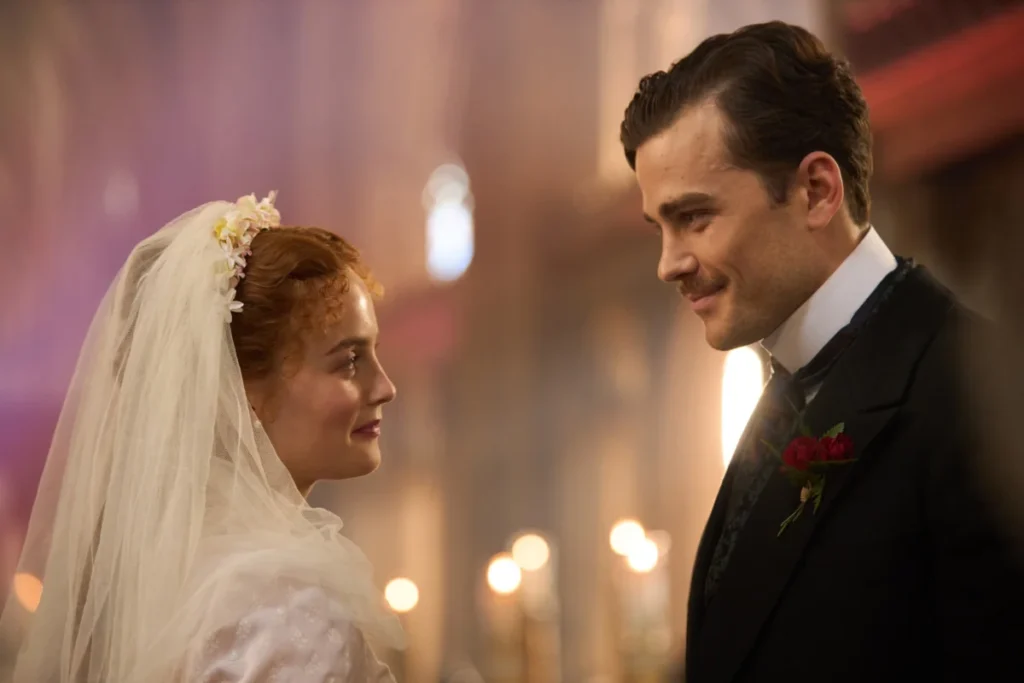
The curtains have officially closed on the 78th Primetime Emmy Awards, marking a historic conclusion to the 2026 television season. Following a two-night presentation process that began on September 6 and culminated in the star-studded main event on Monday, September 14, the Television Academy has codified the best in creative and technical excellence. The ceremony, broadcast on NBC and streamed live via Peacock, served as a definitive retrospective of a year defined by bold narrative risks, the resurgence of high-stakes drama, and the continued evolution of streaming-era television.
Mariska Hargitay, an industry stalwart and lead of the long-running Law & Order: Special Victims Unit, anchored the proceedings with a host performance that bridged the gap between legacy broadcast television and the modern streaming landscape. Her double victory on the first night for her work on My Mom Jayne underscored a night of surprises, setting a tone of unpredictability that persisted through the final category.
A Two-Night Chronology of Excellence
The 2026 awards cycle departed from the traditional single-night format, opting instead for an early reveal of creative arts and performance categories on September 6. This strategic split allowed for a deeper focus on the craftsmanship behind the screen. Early momentum was established by shows such as Widow’s Bay, The Pitt, and DTF St. Louis, which secured multiple statuettes before the primary broadcast even began. Notably, the late Rob Reiner was honored with a posthumous Emmy for his contribution to The Bear, a poignant moment that drew significant praise from the creative community during the opening night.

By the time the main ceremony commenced on September 14, the industry’s eyes were fixed on which narratives would define the year. The transition from the creative arts segment to the main broadcast maintained a consistent narrative of transition, as legacy powerhouses vied for space against disruptive newcomers.
Comedy: The Rise of Widow’s Bay and Veteran Dominance
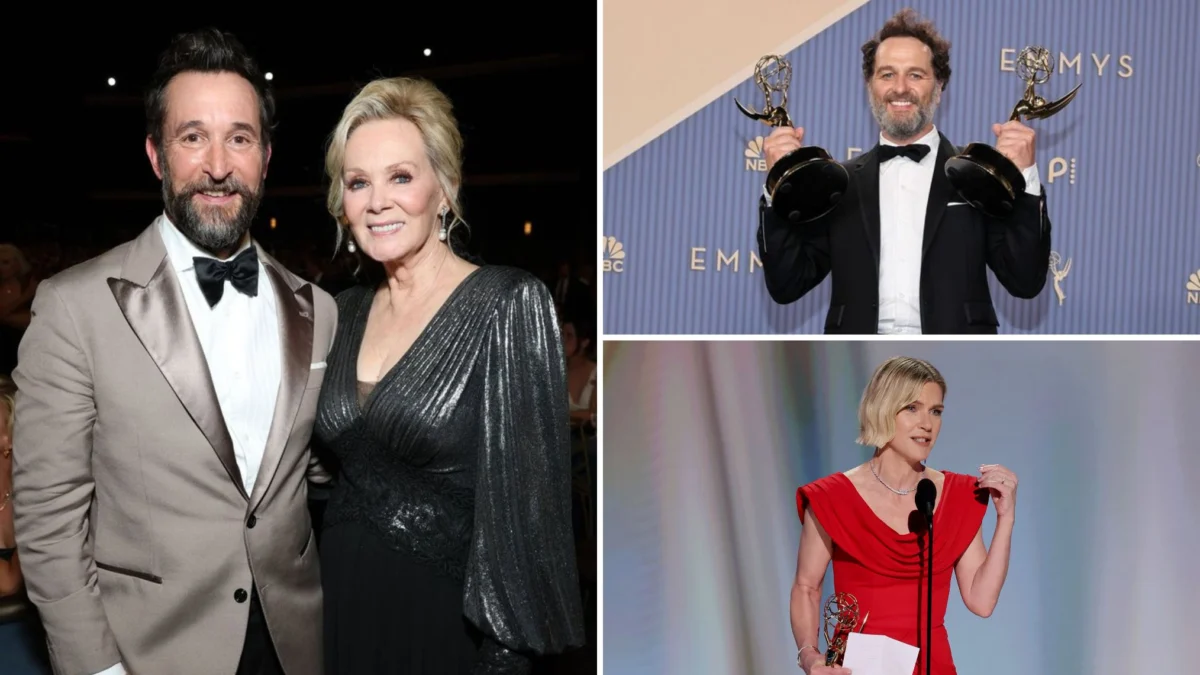
The comedy categories in 2026 showcased a stark contrast between established industry favorites and fresh, genre-bending series. Widow’s Bay emerged as the undeniable juggernaut of the night, securing the top honor for Outstanding Comedy Series. The production’s dominance extended into individual performances, with Matthew Rhys taking home the Emmy for Outstanding Lead Actor in a Comedy Series, while Stephen Root and Kate O’Flynn swept the supporting actor and actress categories, respectively.
However, the comedy landscape remained diverse. Jean Smart continued her streak of excellence by winning Outstanding Lead Actress in a Comedy Series for her transformative work on Hacks, a testament to her enduring influence in the genre. The writing and directing categories, which often serve as a bellwether for the "smart comedy" movement, were dominated by the creative team behind Widow’s Bay, reinforcing the show’s critical and popular consensus.
Drama: The Pitt and the Shift Toward Gritty Realism
In the drama categories, the intensity of the competition was palpable. The Pitt secured the prestigious award for Outstanding Drama Series, a victory that highlights the industry’s continued appetite for high-stakes, character-driven medical and procedural dramas. Noah Wyle’s win for Outstanding Lead Actor in a Drama Series for the same show solidified its position as the season’s definitive dramatic work.
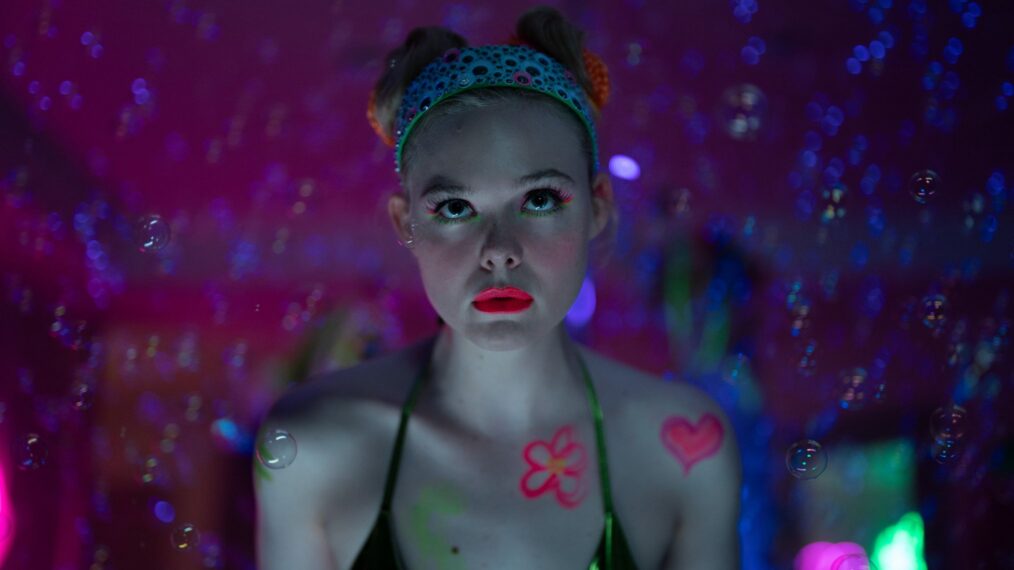
The supporting drama categories provided some of the night’s most surprising results. Allison Janney, a perennial favorite, added to her accolades with a win for Outstanding Supporting Actress in a Drama Series for her performance in The Diplomat. Meanwhile, Tom Pelphrey’s victory for his work in Task signaled a shift toward darker, more psychologically complex character studies. Rhea Seehorn’s win for Lead Actress in a Drama Series for Pluribus was widely viewed as a long-overdue recognition of her range and commitment to the role, drawing a standing ovation from the audience.
Limited Series and the Impact of Anthology Storytelling
The Limited or Anthology Series category reflected the current trend of high-budget, cinematic television events. DTF St. Louis captured the award for Outstanding Limited or Anthology Series, effectively sweeping the category’s technical awards, including directing and writing. This dominance was mirrored in the acting categories, where David Harbour and Linda Cardellini received supporting awards for their work on the series.
The television movie category saw Remarkably Bright Creatures take the top honor, with Sally Field securing a win for her leading performance. Matthew Rhys, demonstrating incredible versatility, claimed a second award for his work in The Beast in Me, further establishing his status as one of the most bankable actors in the current television landscape.
Variety, Reality, and the Live Experience
The "Other" categories underscored the industry’s pivot toward live events and highly structured, high-engagement reality programming. The Late Show with Stephen Colbert maintained its status as the gold standard for variety television, sweeping the directing and writing categories for a variety series. The program’s consistent ability to capture the zeitgeist of the American political and social climate remains its primary asset.

In the reality sphere, The Traitors proved to be the season’s most formidable competitor, winning Outstanding Reality Competition Program and earning Alan Cumming a win for Outstanding Host. The show’s rapid ascent in popularity mirrors a broader industry trend where social-strategy games have overtaken traditional talent-based competitions in viewer engagement.
The live event category was dominated by the Apple Music Super Bowl LX Halftime Show starring Bad Bunny, which took home the Emmy for Outstanding Variety Special (Live). The performance was cited for its technical ambition and cultural impact, marking a high-water mark for musical event production in the streaming age.
Industry Implications and Future Outlook
The 2026 Emmys results provide a clear snapshot of an industry in flux. The success of shows like The Pitt and Widow’s Bay suggests that viewers and voters are currently prioritizing series that balance high production values with distinct, singular voices. Furthermore, the success of streaming-exclusive platforms in the "Variety Special" and "Limited Series" categories indicates that the line between broadcast and streaming has effectively vanished.
Industry analysts have pointed to the increased representation of "Short Form" and "Niche" content as a sign that the Television Academy is adapting to how younger demographics consume media. The victory of Colbert Before Air in the Short Form Comedy category highlights how digital-first content is gaining parity with traditional television formats.

Official statements from the Television Academy following the ceremony focused on the "resilience and creativity of the global production community." Academy leadership noted that the 2026 season faced unprecedented logistical challenges, yet the quality of the submitted work remained at an all-time high. Producers of the winning shows, speaking in the post-show press room, consistently cited the collaborative environment of the modern writers’ room as the primary catalyst for the depth of narrative seen in this year’s nominees.
The Statistical Shift
A retrospective look at the 2026 data shows a significant increase in the number of first-time nominees and winners, particularly in the acting and directing categories. This demographic shift is attributed to the expansion of content platforms, which has lowered the barrier to entry for diverse voices. Data released by the Academy following the event indicates that 38% of this year’s winners were receiving their first-ever Emmy statuette, a significant increase from the 22% observed in the 2024 cycle.
As the industry moves toward the 2027 season, the 2026 Emmy Awards will likely be remembered as the year the industry solidified its new normal. With established legends continuing to deliver career-defining work and new series successfully capturing the cultural conversation, the state of television remains robust. The ceremony on September 14 did more than just hand out awards; it served as a reflection of a creative ecosystem that is, despite global economic and logistical pressures, successfully delivering the stories that define the contemporary human experience.
Summary of Major Winners
- Outstanding Comedy Series: Widow’s Bay
- Outstanding Drama Series: The Pitt
- Outstanding Limited or Anthology Series: DTF St. Louis
- Outstanding Comedy Lead Actor: Matthew Rhys (Widow’s Bay)
- Outstanding Comedy Lead Actress: Jean Smart (Hacks)
- Outstanding Drama Lead Actor: Noah Wyle (The Pitt)
- Outstanding Drama Lead Actress: Rhea Seehorn (Pluribus)
- Outstanding Variety Program: The Late Show with Stephen Colbert
- Outstanding Reality Competition Program: The Traitors
The 2026 Emmy cycle has officially concluded, leaving behind a roadmap for the next generation of storytellers. As the industry turns its attention to the mid-season premieres of the upcoming year, the standard set by this year’s winners—ranging from the witty, character-driven humor of Widow’s Bay to the gritty, urgent medical drama of The Pitt—will serve as the benchmark for creative excellence.