The landscape of the modern music industry is often defined by the struggle between commercial viability and artistic authenticity, a conflict that Juliet Simms has navigated with high-profile intensity for over a decade. Since her national debut on the second season of NBC’s hit vocal competition The Voice, Simms has undergone a profound transformation, shedding her reality-television persona to emerge as Lilith Czar, a figure defined by creative autonomy and a commitment to personal sobriety. This evolution marks a significant departure from the traditional trajectory of reality show contestants, highlighting the complexities of navigating fame, industry control, and personal health in the public eye.
The Voice and the Constraints of Early Success
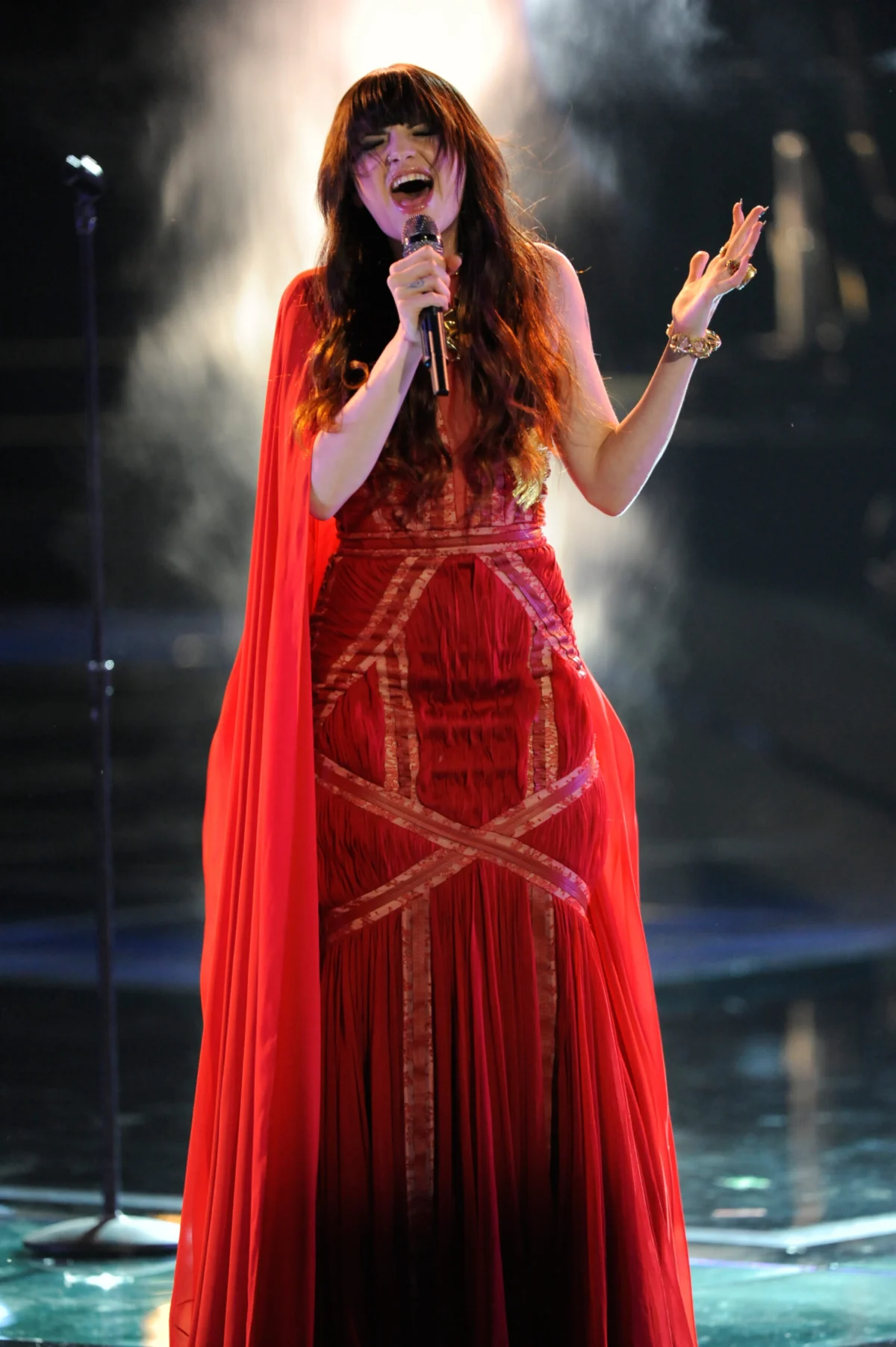
Juliet Simms first captured the attention of the American public in 2012 when she auditioned for Season 2 of The Voice. Already a veteran of the Warped Tour circuit with her band Automatic Loveletter, Simms brought a gritty, rock-infused vocal style to a stage often dominated by pop and country sensibilities. Her rendition of The Beatles’ "Oh! Darling" earned her a spot on coach CeeLo Green’s team, setting the stage for a competitive run that saw her outperform dozens of other vocalists.
Throughout the season, Simms was a consistent frontrunner, praised for her raspy tone and emotive stage presence. She successfully navigated the battle and knockout rounds, eventually securing a place in the Finals. In a closely contested finale, Simms finished in second place, narrowly losing the title to Jermaine Paul, a member of Team Blake Shelton. Despite the runner-up finish, the exposure provided by The Voice seemed to offer a direct path to superstardom. Following the season finale, Simms was briefly signed to CeeLo Green’s label, a move that many expected would lead to a major-label debut album.
However, the reality of the post-show music industry proved more restrictive than the competition itself. By 2013, Simms made the strategic decision to leave Green’s label before any full-length project was released. This departure marked the beginning of a long period of independent artistry, during which Simms released various singles and EPs, including All or Nothing (2015) and From the Grave (2016). While these projects allowed her to maintain a connection with her fanbase, she later revealed that much of her output during this era still felt compromised by external pressures and industry expectations.
The Disappearance and the Birth of Lilith Czar
In 2020, following a signing with Sumerian Records in 2019, Juliet Simms abruptly vanished from social media. This hiatus, which lasted several months, led to widespread speculation among her followers regarding her health and the status of her career. The silence was broken in February 2021, when she re-emerged not as Juliet Simms, but as Lilith Czar. This was not merely a change in name, but a comprehensive rebrand designed to reclaim her narrative.
Simms has been candid about the motivations behind this radical shift. She expressed a deep-seated frustration with the "fingerprints" of others on her work, noting that for much of her career, she felt directed on how to dress, what to sound like, and what topics were deemed appropriate for her lyrics. The transition to Lilith Czar was a conscious effort to dismantle these external controls.
The choice of the name Lilith is rooted in ancient mythology, specifically the figure of Lilith, who is often depicted as the first wife of Adam. In Simms’ interpretation, Lilith represents the ultimate symbol of female strength and refusal to submit to patriarchal standards. By pairing "Lilith" with "Czar"—a title traditionally associated with male monarchs—Simms aimed to create a persona that balanced femininity and masculinity, embodying a sense of sovereign equality. This ideological foundation paved the way for her 2021 album, Created from Filth and Dust, which featured a heavier, more cinematic rock sound that leaned into themes of resurrection and empowerment. Her artistic activity has continued steadily under this moniker, including the release of a new single in October 2025, which further solidified her place in the alternative rock genre.
A Timeline of Personal and Professional Milestones
The trajectory of Juliet Simms’ life and career is punctuated by several key dates that define her journey from a burgeoning rock singer to an established solo force:
- 2007–2011: Fronts the band Automatic Loveletter, gaining a cult following in the emo and alternative scenes.
- 2011: Meets future husband Andy Biersack while on the Vans Warped Tour; the two begin a high-profile relationship within the rock community.
- 2012: Competes on The Voice Season 2, finishing as the runner-up.
- 2012 (Secret Elopement): Secretly elopes with Biersack prior to the Live Shows of The Voice, though the marriage lacks legal witnesses at the time.
- 2013: Parts ways with CeeLo Green’s label to pursue independent music.
- April 2016: Officially and legally marries Andy Biersack in a formal ceremony.
- October 2016: Involved in a highly publicized incident on an airplane, leading to an arrest and a subsequent commitment to sobriety.
- 2019: Signs with Sumerian Records.
- 2020: Enters a period of social media silence and creative transition.
- February 2021: Re-introduces herself as Lilith Czar and releases the album Created from Filth and Dust.
- October 2025: Releases her latest single, continuing her evolution under the Czar persona.
The Partnership with Andy Biersack and the Plane Incident
Juliet Simms’ personal life has frequently been intertwined with her professional narrative, particularly her marriage to Andy Biersack, the frontman of Black Veil Brides. Their relationship began in 2011, though they had met years earlier through mutual acquaintances. The couple became a staple of the alternative music scene, often collaborating on projects and supporting each other’s tours.

However, their marriage faced a significant public challenge in late 2016. During a cross-country flight, Simms was involved in an altercation that resulted in her being detained by authorities upon landing. Reports at the time indicated a physical dispute had occurred between the couple. In the aftermath, Biersack provided context for the incident, revealing that Simms had suffered a miscarriage shortly before the flight. He explained that she had consumed alcohol on the flight, which, combined with the emotional trauma and high altitude, led to a state of disorientation and uncharacteristic behavior.
Biersack’s defense of his wife was steadfast, emphasizing that the incident was not reflective of her character or the state of their marriage. He categorized their relationship as "happy and harmonious," attributing the outburst entirely to a tragic confluence of physical and emotional distress. This event became a turning point for Simms, serving as the catalyst for a total lifestyle overhaul.
Sobriety and the Path to Wellness
In the wake of the 2016 incident, Simms made the definitive choice to pursue a life of sobriety. She has been open about the dangers of alcohol, particularly within the music industry where substance use is often normalized or even encouraged. Speaking to media outlets like HollywoodLife, she detailed the drastic changes she and Biersack implemented, which included quitting smoking, adopting a rigorous exercise regimen, and replacing alcohol with a focus on nutrition and hydration.
Simms’ public statements regarding her sobriety have carried a message of caution and empowerment for her younger fans. She has highlighted the physiological risks of drinking, especially for individuals of smaller stature and at high altitudes, and admitted that alcohol transformed her into someone she did not recognize. Her apology to her husband and those affected by the 2016 event was coupled with a commitment to maintaining her health. Since that time, she has remained sober, citing the incident as the moment she decided to "change everything" to preserve her life and her career.
Industry Implications and the Power of the Rebrand
The transition from Juliet Simms to Lilith Czar serves as a case study in the power of rebranding within the music industry. Many artists who find fame on reality television struggle to break free from the "contestant" label, often finding themselves trapped in recording contracts that prioritize commercial trends over artistic vision. By choosing to "disappear" and return with a fully realized mythological persona, Simms effectively bypassed the expectations associated with her Voice era.
Industry analysts suggest that such rebrands are increasingly necessary for artists seeking longevity in the digital age. The shift allowed Simms to tap into a specific subculture of rock and alternative music that values authenticity and "darker" aesthetic themes—elements that were often polished away during her time on network television. The success of Lilith Czar demonstrates that there is a significant market for artists who take control of their image, even if it means alienating a portion of their original mainstream audience.
Furthermore, Simms’ journey reflects a broader movement toward mental health awareness and sobriety in the rock community. By being transparent about her struggles and the specific incident that led to her sobriety, she has contributed to a culture that prioritizes the well-being of performers over the "rock star" tropes of excess.
Future Outlook for Lilith Czar
As of late 2025, Lilith Czar remains a prominent figure in the alternative music scene. Her continued release of music and her commitment to her new identity suggest that the rebrand was not a temporary marketing tactic, but a permanent shift in her creative philosophy. Her story remains one of resilience—moving from the structured environment of reality TV through the depths of personal tragedy and industry frustration, to a place of self-defined success.
For fans and observers, the evolution of Juliet Simms into Lilith Czar is a reminder that the path to artistic fulfillment is rarely linear. It requires the courage to walk away from established platforms and the discipline to rebuild oneself from the ground up. As she continues to perform and record, her journey stands as a testament to the idea that an artist’s truest voice is often found only after they have silenced the voices of everyone else.