The landscape of American television has long been defined by its cyclical self-reflection, yet few series have captured the specific structural anxieties of the medium quite like HBO’s The Comeback and Max’s Hacks. As both programs navigate final seasons that squarely confront the twin specters of corporate consolidation and generative artificial intelligence, they underscore a broader cultural reckoning within the entertainment industry. The convergence of these narratives in the contemporary television ecosystem highlights a critical juncture for veteran creators, aging performers, and the traditional writers’ room, transforming routine showbusiness satire into an urgent exploration of artistic preservation.
A History of Existential Satire in Primetime
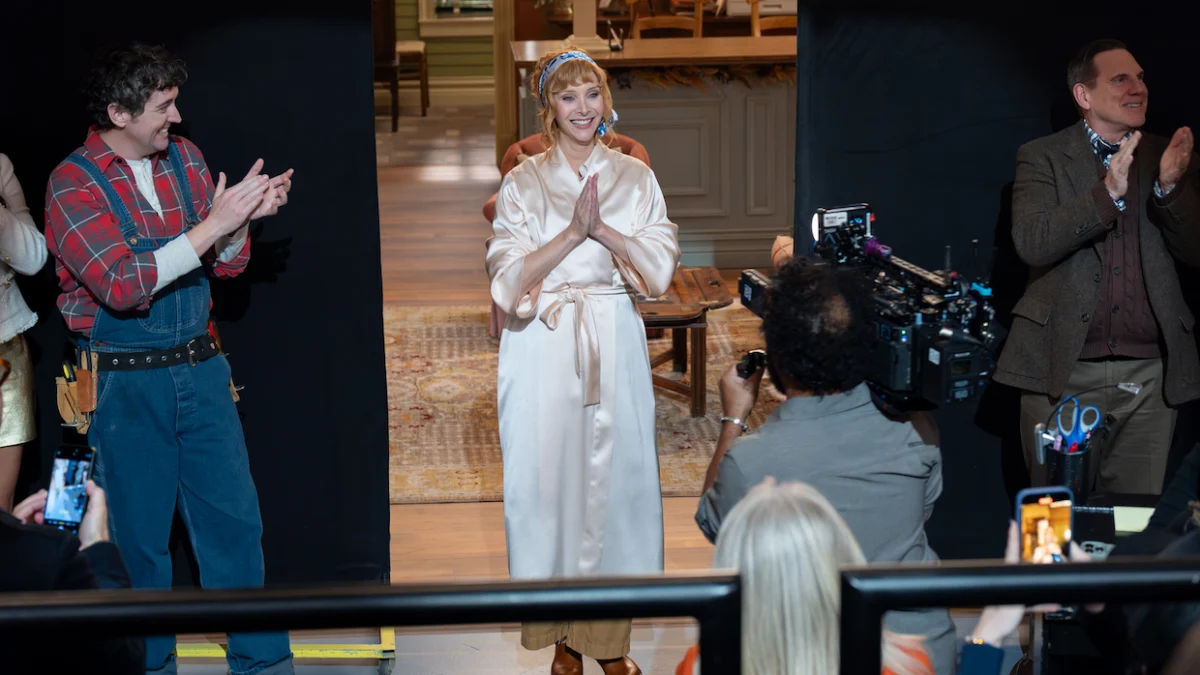
The thematic DNA of The Comeback can be traced back to its initial 2005 premiere on HBO. Created by Michael Patrick King and Lisa Kudrow, the single-camera comedy debuted during a period when unscripted reality television threatened to upend traditional scripted production through low overhead costs and sensationalized tabloid narratives. Kudrow portrayed Valerie Cherish, a former sitcom star desperate to reclaim cultural relevance by allowing a documentary crew to film her turbulent return to television in a new comedy titled Room and Bored.
Though ahead of its time, the series initially secured only a cult following before being canceled after a single 13-episode season. Nine years later, in 2014, HBO revived the property for a second season. By then, the television landscape had undergone a seismic shift: reality television had achieved industry legitimacy, but the medium itself was standing on the precipice of the streaming wars. The subsequent explosion of "prestige" television flooded the market with content, inadvertently diluting the cultural impact of the term.
Twelve additional years elapsed before HBO greenlit the third and final season of The Comeback. Encompassing a global pandemic, dual labor strikes by the Writers Guild of America (WGA) and SAG-AFTRA, and aggressive corporate contraction across major media conglomerates, this latest installment finds Valerie Cherish confronting a television industry utterly transformed by algorithmic oversight and automation.
The Rise of the Algorithmic Writers’ Room
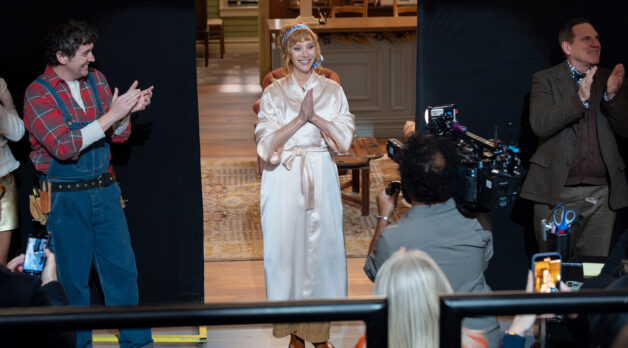
In the final season of The Comeback, Valerie books the lead role in How’s That?!, a multi-camera sitcom financed by the Big Tech-backed network NuNet and written entirely by a proprietary artificial intelligence system known as Allassist. The premise introduces a stark ethical and creative dilemma: while production opportunities in Hollywood have plummeted, leaving cast and crew members desperate for consistent employment, the automated writing tool churns out derivative material recycled from decades of established television history.
This narrative reflects real-world anxieties that dominated the 2023 WGA and SAG-AFTRA strikes. Industry guilds fiercely negotiated guardrails against the unregulated implementation of generative AI, arguing that large language models trained on copyrighted scripts threaten the foundational livelihoods of working writers. Within the narrative of The Comeback, this tension is crystallized when veteran television director James Burrows—appearing as himself—directs the pilot and evaluates the machine-generated material. Observing that true comedic surprise requires the collective, friction-laden labor of human writers huddled in a room, the storyline asserts the irreplaceable value of lived human experience in creative collaboration.
Parallel Narratives: The Convergence of Hacks and Industry Realities
This thematic preoccupation with the devaluation of veteran talent and creative labor is mirrored in Max’s critically acclaimed comedy Hacks, created by Lucia Aniello, Paul W. Downs, and Jen Statsky. The series chronicles the complex professional and personal relationship between Deborah Vance, an aging legendary stand-up comedian played by Jean Smart, and Ava Daniels, her razor-sharp Gen-Z head writer played by Hannah Einbinder.
Across its multi-season run, Hacks has systematically examined the systemic barriers facing women in comedy. In its penultimate season, Deborah achieves a historic milestone by securing a late-night network hosting gig, only to resign rather than comply with executive demands to terminate Ava. The subsequent season finds Deborah ensnared in a restrictive non-compete clause that silences her for a full year, mirroring real-world battles over intellectual property rights, executive censorship, and corporate risk aversion. Furthermore, Hacks directly engages with the threat of automation when Deborah is approached by a venture capitalist attempting to license her likeness and material for a large language model called QuikScribbl. The ensuing critique highlights the inherent friction between corporate entities seeking scalable, risk-free content and artists whose authority is rooted in personal authenticity.
Critical Reception and Awards Season Implications
The thematic alignment of these two series has inevitably positioned them as chief competitors in the upper echelons of the contemporary awards circuit. Hacks has historically dominated the Emmy Awards, accumulating 12 victories—including three consecutive wins for Outstanding Comedy Series and four for Jean Smart in the Lead Actress category.
Conversely, while The Comeback has long maintained a passionate critical consensus, its historical recognition by the Television Academy was comparatively modest during its first two runs, limited primarily to acting nominations for Kudrow and technical nods. However, as the industry continues to reward self-referential narratives about the machinery of Hollywood—following high-profile successes like The Studio—observers note that the Academy’s appetite for showbiz satire remains robust.
Broader Implications for the Future of Television
The intersection of narrative fiction and industry reality in both The Comeback and Hacks points to an evolving defensive posture within television comedy. By placing aging female protagonists at the center of stories concerning technological displacement and corporate obsolescence, both series offer a subtle form of resistance.
As media conglomerates continue to restructure, consolidate, and experiment with automated content generation, the existential dilemmas faced by Valerie Cherish and Deborah Vance resonate far beyond the soundstages of Hollywood. They serve as enduring testaments to the resilience of human storytelling, suggesting that while delivery systems and production technologies will inevitably change, the friction of human collaboration remains an indispensable engine of cultural expression.