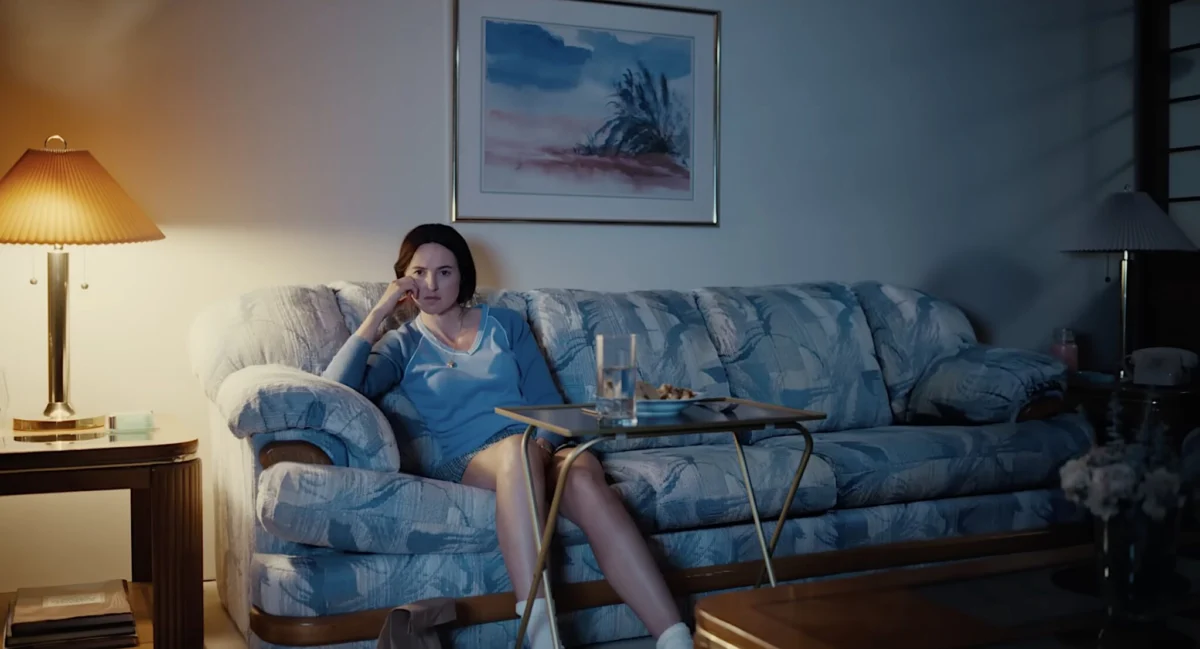
The highly anticipated film adaptation of the "Backrooms" creepypasta phenomenon has finally materialized, presenting itself as an unsettlingly familiar yet profoundly alien landscape. Appearing as if it had always been present, a flickering, sickly fluorescent light casting an eerie glow behind a previously locked door, the movie delivers a potent dose of existential dread and psychological horror. This analysis aims to encapsulate the film’s essence in non-spoiler paragraphs, followed by a discussion of its thematic underpinnings, with clear warnings for any more significant plot revelations.
"Backrooms" masterfully balances the deeply unsettling with a grounding in perceived reality, at least in its initial stages. This carefully constructed foundation allows the film’s inherent creepiness and strangeness to organically escalate. The core premise mirrors the widely popular creepypasta: an individual discovers a seemingly infinite, secret realm of empty rooms that defy conventional architectural logic. These spaces range from starkly barren to cluttered with forgotten furniture, featuring nonsensical staircases leading nowhere and doors that refuse to open. Once stumbled upon, this liminal space exerts an almost magnetic, inexplicable pull, compelling the protagonist to explore despite the escalating awareness of its inherent danger.
The film excels by making the liminal space itself the primary source of horror. The dread and terror are not born from external monsters or jump scares alone, but from the very architecture of emptiness and wrongness. This sense of unease permeates the viewer long before any tangible threat emerges, such as a shadow that seems too dark or the distant echo of footsteps. For fans of the original creepypasta, the film is expected to resonate deeply. However, it also stands as a compelling work of modern horror in its own right, accessible to audiences unfamiliar with the lore.
A Masterclass in Atmosphere and Cinematography
Writer Will Soodik and director Kane Parsons have guided this premise through a series of visually arresting and psychologically impactful directions. The film maintains a genuine tension, a pervasive sense of scariness and the uncanny, consistently uncovering new layers of unease. Cinematographer Jeremy Cox’s work is exceptional, eschewing overt Dutch angles for subtle tilts that create a perpetual feeling of instability. Much of the footage possesses a grainy, almost nauseating quality, even in moments where nothing overtly "wrong" is depicted. The dense carpeting in the rooms muffles sound, yet the pervasive emptiness amplifies every subtle noise into an echoing testament to isolation. This is the kind of film that lingers, capable of infiltrating dreams even if it doesn’t induce outright terror during its runtime. However, the likelihood of experiencing significant fear during the viewing is exceptionally high. The instantaneous sense of dread is meticulously built through camerawork that avoids cheap jump scares, though they do exist and are effectively deployed. The film also incorporates humor and meta-references that enhance its impact.

Furthermore, in line with contemporary horror trends, "Backrooms" offers profound thematic depth. It tackles the complex subject of trauma, not in a simplistic or didactic manner, but as an ingrained aspect of the human condition. More significantly, the film delves into the profound nature of loneliness, posing a poignant question: "Are there people out there who deserve to be alone?"
The Ensemble Cast and the 1990s Setting
The cast is deliberately small, a strategic choice that amplifies the sense of isolation within the stark, yellow-lit rooms populated by incongruous furniture. Chiwetel Ejiofor portrays Clark, a depressed furniture store owner who becomes inexplicably drawn into a liminal space that begins to consume his consciousness. Renate Reinsve stars as Dr. Mary Kline, a therapist who has recently achieved success with a self-help book. Lukita Maxwell plays Kat, Clark’s employee, and Finn Bennett is Bobby, her boyfriend, who happens to own a video camera. Mark Duplass makes a brief but pivotal appearance as Phil.
The Significance of the 1990s Setting
A crucial and brilliant decision by Parsons and Soodik is the film’s setting in 1990. This choice, which takes a few minutes to become apparent, profoundly impacts the narrative. The era’s aesthetic, from the furniture and cars to the clothing and hairstyles, is meticulously recreated and contributes significantly to the film’s overall effect. The absence of modern technology, particularly cellphones and the internet, is a narrative game-changer. Without social media platforms like Facebook, Twitter, TikTok, or YouTube, the traditional avenues for documenting and sharing unusual phenomena are non-existent. Any attempt to describe the Backrooms to others would likely be met with disbelief and accusations of mental instability. The need to record these experiences necessitates the use of a video camera, a clunkier, less sophisticated device compared to modern smartphones, further isolating the characters and amplifying their predicament. This decision directly links the film to the aesthetics of Vaporwave, a movement that romanticized and mashed up elements of the early 1980s and 1990s, often drawing from a nostalgic, imagined past.
The film frequently evokes imagery reminiscent of abandoned, flooded malls or eerily deserted gym pools and beach cabanas, reflecting a subconscious yearning for a bygone era. The movie operates increasingly on dream logic, where events make sense within the narrative’s immediate context but become unsettlingly abstract upon reflection. This dreamlike quality is so potent that it can induce a feeling of nausea, a testament to its effectiveness. The reviewer expresses eagerness to rewatch the film at home, allowing for paused scrutiny of its intricate details. However, the initial viewing experience felt profoundly true, akin to a childhood dream that has never quite faded. Even moments that initially seemed to deviate from the film’s course were skillfully steered into unexpected yet satisfying directions, reinforcing trust in the narrative.
Understanding Liminality: From Anthropology to the Internet
In anthropology and religious studies, liminality refers to a transitional phase within a rite of passage. It is the in-between state, such as the period of preparation for adulthood ceremonies like a Bar/Bat Mitzvah or Confirmation. A couple on their wedding day also experiences a liminal period until the ceremony concludes. Certain holidays, like Samhain or Eid al-Fitr, can be considered liminal periods, guiding participants from one phase of the year to another.

On the internet, a liminal space is a physical location—an empty room, hallway, or storage facility—that evokes a sense of the uncanny due to its unusual characteristics. This could stem from a lack of windows, excessive symmetry, illogical architectural features, or small, seemingly insignificant doors. These spaces can range from a single room to elaborate, M.C. Escher-esque environments.
By situating "Backrooms" in 1990, the film bypasses the need to engage with the extensive creepypasta lore that has accumulated online. This allows for a fresh, unburdened exploration of the concept. Director Kane Parsons and writer Will Soodik avoid any overt references to existing horror tropes, such as those found in Stephen King’s works or Stanley Kubrick’s films. Instead, the characters are forced to confront their predicament without any pre-existing framework or knowledge base. They cannot consult online forums or watch YouTube tutorials to understand their situation. The individuals in the film have never heard the term "the backrooms," nor have they engaged in Discord chats discussing its intricacies. They operate under the assumption of understanding reality, only to have that understanding irrevocably shattered. This pure, unadulterated horror is a hallmark of effective storytelling.
Furthermore, a key element of the film’s success, according to the review, is the deliberate lack of explanation. The reasons behind the Backrooms’ existence, their origins, their number, and how many people are aware of them remain deliberately ambiguous. The Backrooms are presented as a nightmare with its own inscrutable rules, where survival is the only outcome that matters. The hope is that future installments in this potential franchise will refrain from demystifying this terrifying magic.
The Lingering Impact: A Personal Connection to Liminality
Following the screening, two profound experiences underscored the film’s impact. The first occurred during a visit to a diner, where descending into the basement bathroom evoked a visceral sense of the uncanny. The second came from a friend’s observation after hearing about the reviewer’s childhood: "you were raised by liminal spaces." This statement, though initially strange, resonated deeply.
The reviewer’s early years were spent in a secluded area near Pittsburgh, in a place more defined by a blinking gas station light than a traditional town. This environment was a confluence of Appalachian and Rust Belt influences, with a family adhering to Pre-Vatican II Catholicism and neighbors practicing tongues-speaking Pentecostalism. A year spent living in a hotel after school meant unsupervised exploration of empty rooms, storage areas, an unused ballroom, a shuttered restaurant, and a bar under construction. As parents struggled to salvage their business, the reviewer found solace in elaborate games amidst piles of discarded furniture and broken televisions.

Later, when the reviewer’s father returned to managing malls, the echoes of those empty spaces became a recurring theme. Free time was spent navigating the cavernous back hallways and darkened main thoroughfares of malls after closing hours. These were quiet, almost tangible spaces, filled with shadowy corners and flickering fluorescent lights, littered with the detritus of unsold goods.
This personal history, the reviewer explains, is why "Backrooms" evoked a profound sense of homesickness. The film’s ability to create a feeling of queasiness, its unconventional choices, and its unsettling environments are celebrated. The reviewer eagerly anticipates returning to the film, ready to "stumble back through that totally normal-looking wall."
The film’s successful execution of its premise, combined with its evocative cinematography and thematic resonance, positions "Backrooms" as a significant entry in the contemporary horror landscape. Its exploration of isolation, trauma, and the unsettling nature of liminal spaces leaves a lasting impression, prompting reflection on the hidden, uncanny corners of our own perceived reality.