The British Broadcasting Corporation (BBC) has officially greenlit a new adaptation of Agatha Christie’s beloved Hercule Poirot stories, marking a significant return for the mustachioed Belgian detective to the small screen. The news, first reported by Deadline, signals a major investment by the BBC in one of literature’s most enduring crime-solving characters. This ambitious undertaking is poised to captivate audiences with fresh interpretations of Christie’s intricate mysteries.
A Competitive Acquisition and Ambitious Production Plan
The BBC secured the rights to adapt the Poirot canon through a highly competitive bidding process, underscoring the immense value and enduring appeal of Agatha Christie’s literary estate. Industry insiders suggest that the acquisition involved considerable strategic maneuvering, as multiple broadcasters vied for the opportunity to reimagine the iconic detective. The BBC’s commitment is substantial, with plans to produce at least three seasons of the new series. The first season is slated for release in the latter half of 2027, providing a clear roadmap for the revival. This long-term vision indicates a desire to establish a definitive, multi-season Poirot narrative for a contemporary audience.
Crafting the Mysteries: A New Scribe Takes the Helm
The scripting duties for the upcoming Poirot series have been entrusted to Benji Walters, a writer with a proven track record in crafting compelling British television dramas. Walters’ previous credits include episodes for acclaimed series such as Obsession, Noughts + Crosses, The Leopard, and Code of Silence. While the specifics of the mysteries to be adapted remain under wraps, the sheer volume of Christie’s work featuring Poirot—encompassing 33 novels and 51 short stories—offers a rich tapestry from which Walters can draw. The selection of which particular cases will form the basis of the first season is eagerly anticipated by fans, who will be keen to see how these classic whodunits are translated to the screen. The breadth of Christie’s output ensures that there are numerous beloved and lesser-known cases that could be revitalized.
The Elusive Casting of Poirot: A Legacy of Iconic Portrayals
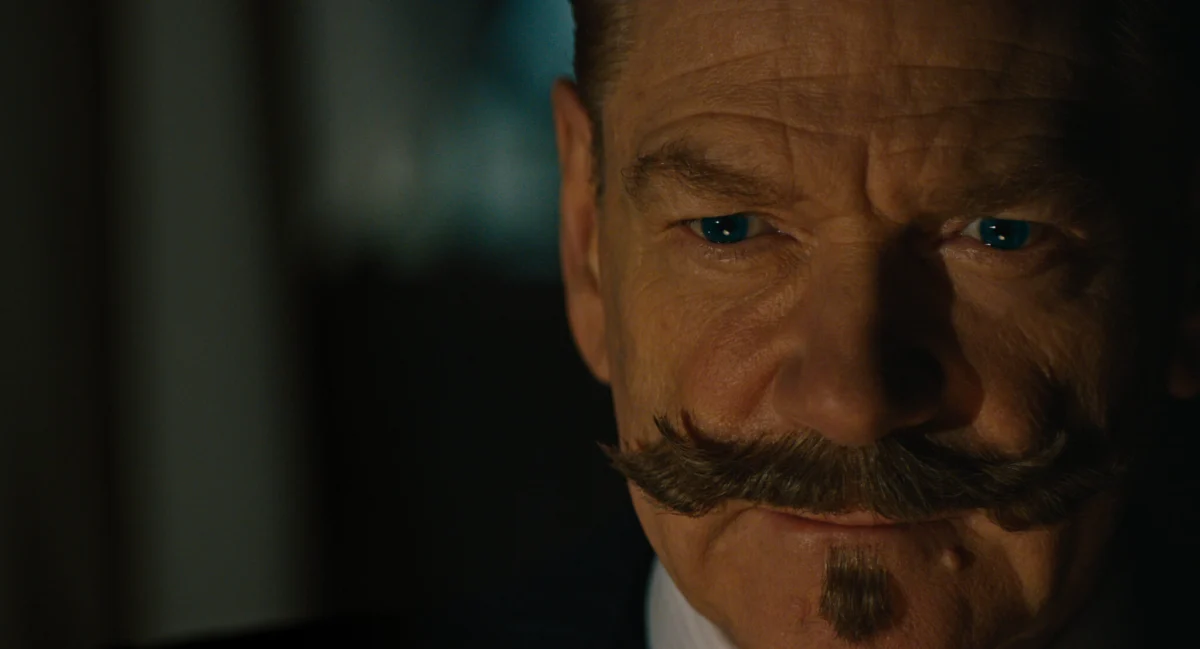
One of the most significant questions surrounding the new BBC adaptation is the casting of Hercule Poirot himself. The character has been brought to life by a distinguished roster of actors over the decades, each leaving their indelible mark. Most recently, Kenneth Branagh has embodied Poirot in a trilogy of successful film adaptations, including Murder on the Orient Express (2017), Death on the Nile (2022), and A Haunting in Venice (2023). Before Branagh, John Malkovich delivered a distinct interpretation in The ABC Murders (2018). However, for many, the definitive portrayal remains that of David Suchet, whose 25-year tenure as Poirot in the ITV series (1989-2013) is widely regarded as the gold standard, capturing the character’s fastidiousness, intellect, and unique charm with unparalleled accuracy.
The BBC faces the considerable challenge of finding an actor who can not only embody Poirot’s distinct characteristics but also step out of the long shadow cast by Suchet’s performance. Speculation within fan communities and among industry observers is already rife. Some have suggested actors like Toby Jones, known for his versatile performances and ability to convey nuanced characters. The official announcement of the lead actor is expected in the coming months.
Production Underway: A Glimpse into the Filming Locations
The production is set to commence this summer, with filming scheduled to take place in Liverpool and other locations across the northwest of England. This region, with its diverse architecture and historical significance, has frequently served as a backdrop for period dramas, offering a compelling visual landscape for Poirot’s investigations. The choice of filming locations will undoubtedly contribute to the atmosphere and authenticity of the series, potentially evoking the grandeur and intrigue of the eras in which Christie’s stories are set. The decision to film in the UK also aligns with the BBC’s commitment to supporting domestic production and talent.
The Enduring Legacy of Agatha Christie and Hercule Poirot
Agatha Christie, often hailed as the "Queen of Crime," remains one of the best-selling fiction writers of all time, with her works translated into over 100 languages. Hercule Poirot, her most famous creation, first appeared in print in 1920 with The Mysterious Affair at Styles. Over his literary career, Poirot became synonymous with meticulous deduction, psychological insight, and a profound understanding of human nature. His famous pronouncements, such as "The impossible could not have happened, therefore the impossible must be possible in spite of appearances," have become ingrained in popular culture.
The enduring popularity of Poirot is a testament to the timeless nature of his mysteries. Christie’s ability to construct intricate plots, populate them with memorable characters, and deliver satisfying, often surprising, resolutions has captivated generations of readers and viewers. The recent success of Branagh’s film adaptations further demonstrates the character’s continued relevance and appeal to modern audiences, even as the world of crime-solving has evolved. The BBC’s investment signifies a belief that there is still a significant appetite for well-crafted, character-driven detective stories, and that Poirot, in particular, holds a unique place in the hearts of many.
Historical Context of Poirot Adaptations
The BBC has a rich history of adapting Christie’s works. While David Suchet’s ITV series is perhaps the most iconic television portrayal, the BBC itself has produced notable adaptations in the past. These include The Body in the Library (1984) and Miss Marple (a series running from 2004 to 2013, which also featured some Poirot stories). The move to bring Poirot back under the BBC banner marks a new chapter in this long-standing relationship with the author’s oeuvre. This new series will need to navigate the expectations set by decades of previous interpretations while forging its own identity.
Anticipating the Unseen: What Might the New Series Offer?
The BBC’s decision to embark on a multi-season Poirot adaptation suggests a desire to explore a broader range of Christie’s stories than might be possible in a single film or a short miniseries. This could allow for deeper character development and a more nuanced exploration of the social contexts in which Poirot operates. Modern audiences often expect a more complex and potentially darker portrayal of crime and its motivations. It will be fascinating to see how the new series balances fidelity to Christie’s original texts with contemporary sensibilities.
The inclusion of Benji Walters as the lead writer is a positive indicator. His experience with character-driven dramas suggests a focus on the psychological underpinnings of the mysteries, which is crucial for a Poirot adaptation. The "little grey cells" are Poirot’s primary tools, and a successful series will need to showcase his deductive process in a compelling and intellectually engaging manner.
The choice of filming locations in Liverpool and the northwest of England could also influence the aesthetic of the series. These areas offer a variety of architectural styles, from Victorian to modern, and a rich industrial heritage. This could provide opportunities for Poirot to investigate cases in settings beyond the typical country estates and London apartments, adding a fresh visual dimension to his adventures.
Broader Implications for the Television Landscape
The BBC’s significant investment in a new Hercule Poirot series has several broader implications for the television industry. Firstly, it highlights the enduring commercial power of established literary properties. In an increasingly crowded streaming landscape, well-known characters and stories offer a degree of built-in audience recognition and appeal. Secondly, it signals a continued demand for high-quality, prestige crime drama. Audiences consistently flock to well-crafted mysteries that offer intellectual engagement and compelling storytelling.
Furthermore, this move by the BBC could spur further investment in adaptations of classic literature. As the appetite for original content continues to grow, broadcasters and streaming platforms are increasingly looking to proven narratives for inspiration. The success of this new Poirot series could pave the way for other beloved literary characters to receive similar revivals. It also underscores the BBC’s role as a major player in global television production, capable of undertaking ambitious, high-profile projects.
The return of Hercule Poirot to the BBC is more than just a revival of a beloved character; it is a statement about the enduring power of classic storytelling and the BBC’s commitment to delivering high-quality drama to audiences worldwide. As production gears up, anticipation will undoubtedly build for the unveiling of the new Poirot and the intricate mysteries he is set to unravel.