The psychological horror film The Block has officially concluded production, marking a significant milestone for a project that explores the intersection of artistic desperation and psychological deterioration. Directed by Craig Singer, known for his work on the 2021 thriller 6:45, the film features an ensemble cast led by Jack Falahee and Saphira Moran, with a pivotal performance by veteran actor Jackie Earle Haley. As the project transitions into post-production, it emerges as a timely commentary on the state of creative labor in an increasingly automated world.
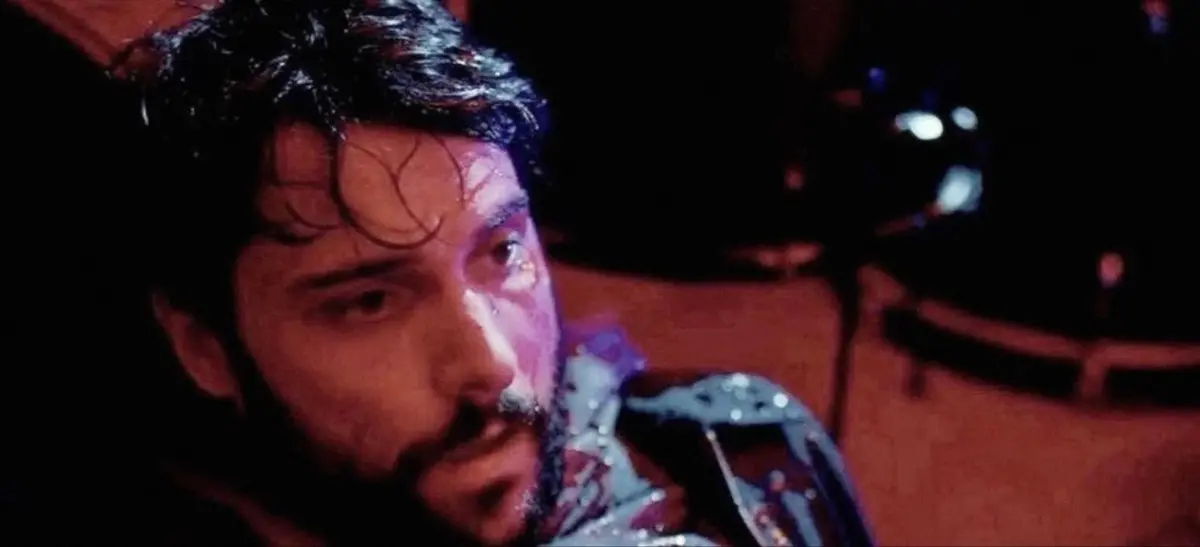
The narrative centers on Mitch James, portrayed by Jack Falahee, a successful figure in the horror genre who finds his professional trajectory halted by a severe case of writer’s block. The protagonist’s struggle for creative renewal takes a dark turn when he encounters a fan-turned-girlfriend, played by Saphira Moran, whose obsession with him precipitates a series of violent, reality-blurring events. The film, scripted by Robert Dean Klein, is framed as a "mind-bending exploration" of the creative process, positioning the protagonist in a cyclical narrative of destruction that threatens his sanity and legacy.
An Ensemble of Genre Veterans
While the narrative focuses on the relationship between James and his enigmatic partner, the film is notable for its expansive supporting cast, which draws heavily from the pool of established genre performers. Jackie Earle Haley, whose career spans over five decades, anchors the cast. Haley is widely recognized for his intense, method-driven performances, most notably his portrayal of Freddy Krueger in the 2010 A Nightmare on Elm Street remake, as well as his Academy Award-nominated performance in Little Children. His inclusion in The Block is viewed by industry analysts as a significant indicator of the film’s tonal ambition.
Joining Haley is an eclectic group of actors with deep roots in horror and suspense media. Thomas G. Waites, who gained cult status for his role in John Carpenter’s The Thing, brings a sense of genre legitimacy to the project. Catherine Corcoran, recognized for her work in the indie sensation Terrifier, is also featured, alongside Chris Noth, Carrie Jo Crosby, Armen Garo—known for his recent work in Dexter: New Blood—and Michael Rodrick, a veteran of Castle Rock. Elias Koteas, whose extensive filmography includes David Cronenberg’s Crash and the supernatural thriller The Prophecy, rounds out a roster that suggests a production prioritizing character-driven tension over conventional shock tactics.
Chronology and Development
The trajectory of The Block has been a long-gestating process for director Craig Singer. The project, a collaborative effort between Singer’s production company, Cascrator Films, and Three777 Films, has been in development for several years. The script, penned by Robert Dean Klein, was designed to address the specific anxieties faced by modern storytellers.

The development timeline accelerated significantly throughout 2026, culminating in a swift production phase that concluded in October. According to industry reports, the film was shot under strict confidentiality, with the first official images released alongside the announcement of the production wrap. The shift into post-production follows a rigorous filming schedule that sought to capture the claustrophobic nature of the protagonist’s psychological entrapment.
Theoretical Context and Thematic Relevance
The sub-genre of "horror films about writers" has a long and storied history in cinema, most notably epitomized by Stanley Kubrick’s 1980 adaptation of The Shining. In that classic, the isolation and professional failure of Jack Torrance served as a conduit for supernatural malice. The Block appears to be positioning itself within this tradition while updating the thematic stakes for the contemporary era.
In a statement regarding the film’s thematic underpinnings, director Craig Singer emphasized the urgency of the subject matter. "I’ve been developing The Block for many years," Singer noted. "The original idea—what an artist is compelled to go through to secure their art and legacy—has always intrigued me and feels even more urgent in 2026."
Singer further highlighted the external pressures impacting modern creators, specifically the rise of generative artificial intelligence and the rapid shift in digital content consumption. "Today’s rapidly evolving, AI-driven creative landscape forces creators at every level to make artistic choices and face challenges on a scale we’ve never seen," Singer said. By framing The Block as a "philosophical fable," the production team aims to distance the work from the typical tropes of slasher cinema, opting instead for a narrative that interrogates the mental toll of the modern creative economy.
Industry Implications and Market Analysis
The production of The Block arrives at a time when psychological horror is experiencing a period of significant market interest. Data from the last three fiscal quarters indicate that mid-budget, character-driven horror films—often referred to as "elevated horror"—consistently outperform high-budget action features in terms of return on investment (ROI).
The inclusion of a cast with high name recognition, such as Jackie Earle Haley and Chris Noth, provides the film with a built-in demographic appeal that bridges the gap between traditional prestige drama and genre-focused horror. Furthermore, the film’s focus on the "doom-cycle of creation and destruction" resonates with broader cultural conversations regarding the precarious nature of careers in the creative arts.

From an analytical standpoint, The Block serves as a case study for how independent films are currently leveraging existential professional anxiety to drive their narratives. By utilizing the "writer’s block" trope as a reflection of 2026’s technological anxieties, the film effectively positions itself as a social commentary disguised as a psychological thriller.
Future Outlook
With production now concluded, the focus shifts to the post-production process, which will be instrumental in defining the film’s visual language. Given the emphasis on "mind-bending" exploration, the editing and sound design phases will be critical in distinguishing the film’s psychological depth.
As of late October 2026, no official release date has been set. Distribution strategies for independent projects of this scale often involve a premiere at a major film festival—such as South by Southwest or the Sitges International Fantastic Film Festival—before moving to a theatrical or streaming release. Given the pedigree of the cast and the director’s previous work, industry observers expect The Block to attract interest from major boutique distribution labels.
The success of the project will likely hinge on its ability to balance the inherent melodrama of its premise with the intellectual ambition articulated by its director. If the film succeeds in its stated goal of acting as a "philosophical fable," it may serve as a definitive genre entry for the mid-2020s, capturing the specific anxieties of a generation of artists grappling with the implications of an AI-integrated world. For now, the project remains one of the most anticipated additions to the upcoming slate of independent horror cinema, promising a return to the character-focused dread that defined the most successful entries of the genre’s history.