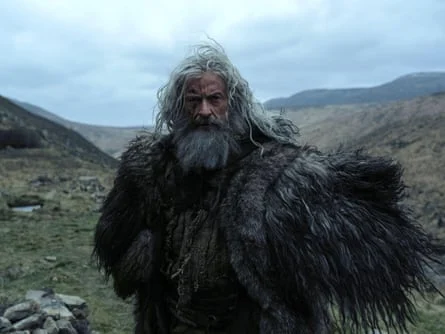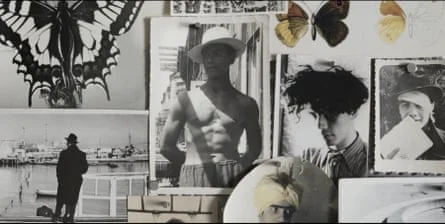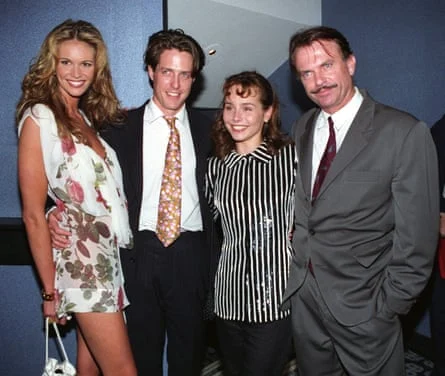
The passing of Sam Neill, a revered figure in the acting world, has prompted a wave of heartfelt tributes, illuminating not only his extensive professional achievements but also the profound personal impact he had on those fortunate enough to know him. Beyond his celebrated roles, such as Reilly in the espionage drama Ace of Spies and Norman Lindsay in the critically acclaimed film Sirens, Neill was consistently described as a force of nature – a man whose presence transcended mere performance, leaving an indelible mark on colleagues and audiences alike. This article aims to explore the multifaceted legacy of Sam Neill, drawing upon personal recollections, professional milestones, and the broader cultural resonance of his work.
A Mythic Presence from Household Fame to On-Set Camaraderie
For many, Sam Neill’s presence in their lives began long before direct interaction. His role as Reilly in Ace of Spies, a popular television series that captivated audiences in the late 1980s, established him as a household name. The narrative of the author, who first encountered Neill as a child through this role, highlights a common experience: Neill’s characters often possessed a magnetic quality that extended into the public consciousness. The author recounts how Neill was "already assumed a kind of mythic status in our household," a testament to the powerful connection he forged with viewers. This personal anecdote, shared with a touch of wry reflection on working with him eleven years later, encapsulates the enduring allure of Neill’s persona.
The transition from admiring an actor from afar to collaborating with them offers a unique perspective on their true nature. The author’s experience of working with Neill on a later project, playing Norman Lindsay, provided an intimate glimpse into the man behind the myth. This professional encounter revealed Neill not just as an actor, but as a vibrant individual who seemed to exist fully in the moment. Described as "electric-minded," with "fantastic mischief lurking just around the grin" and an "astronomical scintillation" in his eye, Neill’s approach to his craft was evidently rooted in an innate dynamism. The observation that he had "no time for acting, too busy being" speaks volumes about his authenticity. He was, in essence, profoundly present, a quality that he extended generously to his fellow actors.
The Art of Being: Presence and Generosity on Set
Neill’s ability to be "present" was a cornerstone of his professional ethos. This meant not just delivering lines or hitting marks, but truly engaging with the scene, the environment, and the people around him. For a young actor, witnessing this was an invaluable lesson, offering a tangible understanding of what it means to inhabit a role with genuine conviction. The author noted, "Made it seem so simple. Really asked the question." This suggests that Neill possessed a rare talent for distilling complex emotional performances into seemingly effortless displays of character. His presence on set was not merely a physical one; it was an active, engaging force that elevated the work of everyone involved.
His "puckish" nature, a term evoking a playful and mischievous spirit, further characterized his interactions. This quality allowed him to "conjure anything," suggesting an improvisational brilliance and a willingness to explore unexpected creative avenues. This inherent spontaneity, combined with his deep understanding of character, made him an inspiring collaborator. The author’s sentiment, "So blessed to have had that time. The proximity. With the hope that something might rub off," underscores the profound influence Neill had on those around him. This desire for proximity and the hope of absorbing some of his remarkable qualities speaks to the aspirational nature of working with such a seasoned and charismatic individual.
A Taste of Generosity: Wine, Stories, and an Open Embrace
Beyond the professional realm, Sam Neill was also remembered for his remarkable personal generosity. The author recounts a specific evening where Neill shared his "Two Paddocks" Pinot Noir, a personal vineyard venture. This intimate experience, described as "another case of his generosity," involved the "satisfying ritual of the swirling, the sniffing, the sipping." This detailed recollection paints a vivid picture of Neill’s appreciation for life’s simple pleasures and his willingness to share them. The act of raising a glass, "raised to the life fully lived," encapsulates a philosophy of embracing every moment with gratitude and enthusiasm.

The evenings spent in Neill’s company were often filled with the "fine unbuttoning of stories and some past glories." Crucially, these recollections were never boastful or cruel. Instead, they were characterized by "a delight at the sharing," a testament to his humility and his genuine pleasure in connecting with others. The combination of "wit and the wine" created an atmosphere of convivial warmth, where Neill would "wrap us all in his open embrace." This embrace extended to a diverse group of individuals, including fellow actors from projects like Sirens (referred to as "a shimmer of sirens"), The Piano ("a bouquet of sheep shearers"), and even the globally recognized Hugh Grant ("an exaltation of Hugh Grants"). The observation that "the badinage that flowed on set was an art form in itself" further highlights Neill’s mastery of engaging and witty conversation, a skill that enriched his professional and personal relationships.
Visualizing the Creative Spark: A Childlike Wonder
The author’s recollection of Neill on set, "shooting his closeup for a scene in the garden," provides a poignant visual of his creative spirit. The scene, where children watch a fairy show staged by the artist’s models, seems to have deeply resonated with Neill. His face, described as "flooded with imagination, with his own wonder, his own childlike joy," reveals the enduring innocence and profound sense of awe that he brought to his work. This image of Neill, deeply immersed in a moment of creative magic, encapsulates his ability to connect with the fantastical and to infuse his performances with a genuine sense of wonder. This childlike joy, coupled with his vast experience, made him a truly unique artist.
The concluding lines, "Beautiful. Complete. So he walks ahead. Through the weeping grass, towards the house with the light on. We follow in his wake," serve as a powerful metaphor for Neill’s enduring legacy. He leads the way, a beacon of talent and character, and those who knew him and admired his work follow, inspired by his example. The reference to Puck from Shakespeare’s A Midsummer Night’s Dream, with his shape-shifting abilities and mischievous energy, is a fitting coda. It underscores Neill’s versatility and his ability to inhabit a wide range of characters with transformative power. His journey, like Puck’s, was one of constant reinvention and captivating performance, leaving an unforgettable imprint on the landscape of cinema and television.
Sam Neill’s Career Trajectory: A Chronicle of Diverse Roles and Critical Acclaim
Sam Neill’s career, spanning over five decades, is a testament to his remarkable versatility and enduring appeal. Born in Northern Ireland and raised in New Zealand, Neill’s early theatrical training laid the groundwork for a career that would see him traverse genres and continents.
Early Career and Breakthroughs:
Neill’s formative years in acting were spent in New Zealand and Australia. He gained significant recognition for his role in the 1979 film My Brilliant Career, which earned him critical acclaim and international attention. This was followed by a string of notable performances in films such as The Final Conflict (1981) and Possession (1981).
The 1980s: Espionage and International Stardom:
The 1980s marked a period of significant international recognition for Neill. His portrayal of Detective Inspector Michael Reilly in the BBC’s Ace of Spies (1983) cemented his status as a leading man, earning him a BAFTA Television Award nomination. This role, which captivated audiences worldwide, introduced him to a broader international audience and solidified his reputation for nuanced, compelling performances. He further showcased his talent in films like Fortress (1985) and A Cry in the Dark (1988), the latter earning him an Australian Film Institute Award for Best Actor.
The 1990s: Blockbusters and Critically Acclaimed Dramas:
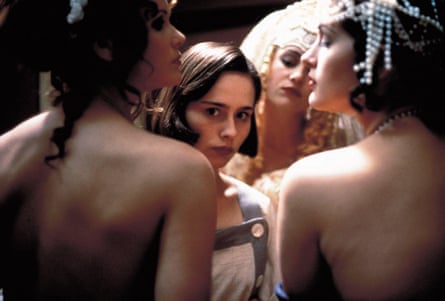
The 1990s saw Neill navigate the blockbuster landscape with iconic roles in Steven Spielberg’s Jurassic Park (1993), where he played paleontologist Dr. Alan Grant, and its sequel, Jurassic Park III (2001). He also delivered a memorable performance in John Duigan’s Sirens (1994), a film that explored themes of art, bohemianism, and societal constraints. His role as Norman Lindsay in Sirens garnered significant praise, demonstrating his ability to inhabit complex and charismatic characters. Other notable films from this decade include The Hunt for Red October (1990) and Event Horizon (1997).
2000s and Beyond: Continued Versatility and Acclaimed Television:
In the new millennium, Neill continued to impress with a diverse range of roles. He starred in the critically acclaimed television series The Tudors (2007-2010), portraying Cardinal Thomas Wolsey, a performance that earned him an Emmy nomination. He also lent his voice to animated features and appeared in a variety of independent and mainstream films. More recently, Neill has been lauded for his role as Lord Eamonn De Valera in the television drama Peaky Blinders (2017) and for his continued involvement in the Jurassic World franchise. His prolific output and consistent quality of performance underscore his status as one of the most respected actors of his generation.
The Enduring Impact of Sam Neill’s Performances
Sam Neill’s legacy extends far beyond his extensive filmography. His ability to imbue each character with a profound sense of humanity, whether as a dinosaur-fearing paleontologist, a shrewd political figure, or a bohemian artist, has left an indelible mark on cinema and television. His performances were characterized by a subtle intensity, a deep emotional intelligence, and a natural charisma that drew audiences in.
His work in films like The Piano (1993) and The Horse Whisperer (1998) showcased his capacity for conveying complex emotional landscapes with understated power. In The Piano, his portrayal of Alisdair Stewart was marked by a quiet intensity and a deep undercurrent of moral ambiguity. In The Horse Whisperer, he brought a grounded warmth and wisdom to his role as Robert Maclean.
Neill’s foray into television also yielded significant successes. Beyond Ace of Spies and The Tudors, his performances in miniseries like Reilly: Ace of Spies and The Andromeda Strain demonstrated his command of longer narrative arcs and his ability to sustain character development over multiple episodes. His recent return to the Jurassic Park universe in Jurassic World Dominion (2022) was met with considerable fan enthusiasm, highlighting the enduring affection audiences hold for his iconic character, Dr. Alan Grant.
The critical reception of his work has been consistently positive. Reviewers have often highlighted his nuanced performances, his ability to convey depth and complexity, and his natural screen presence. Awards and nominations, including Golden Globe and Emmy nods, further attest to the widespread recognition of his talent.
Sam Neill’s career is a masterclass in sustained excellence and artistic integrity. He was an actor who consistently chose roles that challenged him, pushing the boundaries of his craft and leaving audiences with performances that resonate long after the credits roll. His passing marks the end of an era, but his contributions to the world of acting will undoubtedly continue to inspire and entertain for generations to come.