HBO’s seminal comedy series, The Comeback, starring Lisa Kudrow as the perpetually hopeful Valerie Cherish, has consistently served as a prescient cultural barometer, reflecting the television industry’s most significant existential shifts. Its latest, and purportedly final, season positions Cherish at the heart of Hollywood’s newest dilemma: the burgeoning influence of artificial intelligence in creative production. This narrative arc finds compelling parallels with HBO Max’s Emmy-winning Hacks, which also features an iconic female protagonist, Deborah Vance (Jean Smart), grappling with her legacy and the evolving landscape of entertainment, including the encroaching shadow of AI. Together, these series offer a poignant and often comedic examination of artistic integrity, human ingenuity, and the relentless pursuit of relevance in an industry perpetually reinventing itself.
A Chronology of Television’s Transformations, Reflected by Valerie Cherish
The Comeback‘s journey itself mirrors the tumultuous timeline of television. When the series first premiered in 2005, it offered a searing, often uncomfortable satire of the then-nascent reality television phenomenon. At the turn of the millennium, reality TV, with its low production costs, unscripted drama, and tabloid-friendly narratives, began to flood the airwaves. Shows like Survivor, American Idol, and The Apprentice captivated audiences, but simultaneously sparked concerns among industry veterans about the potential "cheapening" of the medium and the erosion of traditional narrative forms. Valerie Cherish, a former sitcom star desperate to reclaim the spotlight, found herself navigating this new, often exploitative, world through a reality show documenting her attempts at a career revival. The initial limited run, though not a ratings juggernaut, garnered a dedicated cult following, praised for its biting commentary and Kudrow’s nuanced portrayal of Cherish’s vulnerability and unwavering ambition.
Nearly a decade later, in 2014, HBO revived The Comeback for a second season, coinciding with another pivotal moment in television history: the dawn of the streaming wars. By this point, reality television had achieved a degree of mainstream legitimacy, but the industry was bracing for an even more profound overhaul. Services like Netflix, Amazon Prime Video, and Hulu were aggressively commissioning original content, leading to a period dubbed "peak TV." The emphasis shifted to "prestige television," with networks and streamers vying to produce high-quality, cinematic dramas and comedies. While this era promised unprecedented creative freedom, it also led to market saturation, with the sheer volume of content diluting the very concept of "prestige." The second season of The Comeback explored Valerie’s attempts to navigate this new landscape, grappling with the demands of a new generation of creators and the shifting definitions of artistic success.
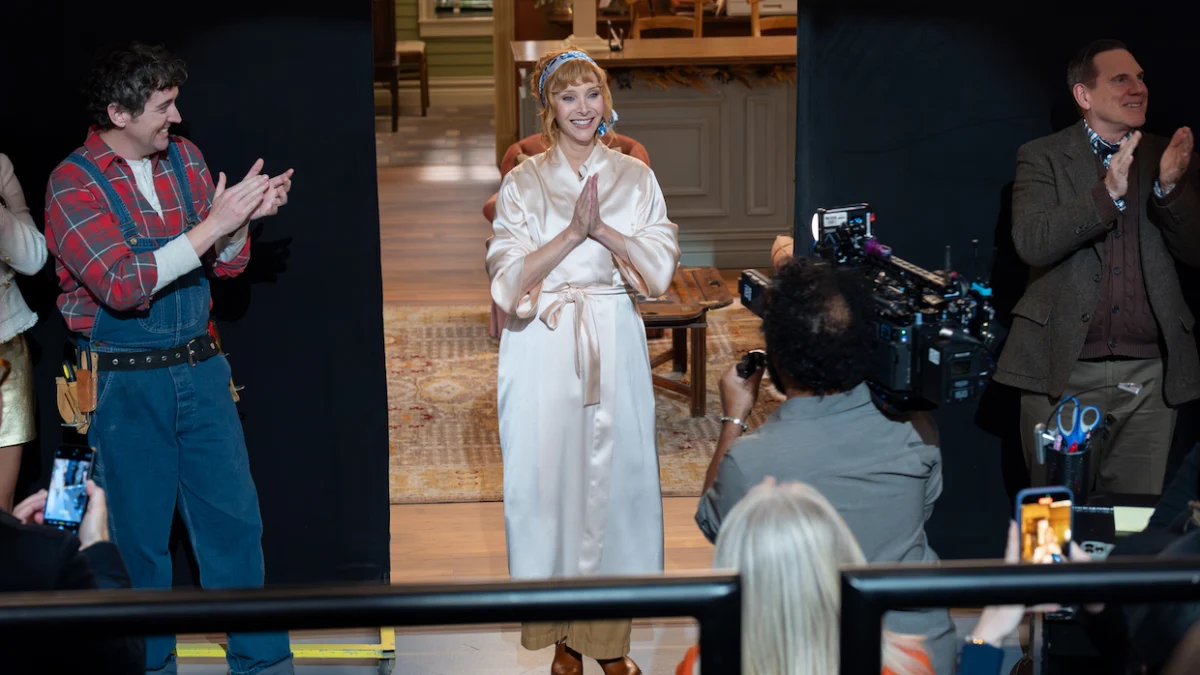
Now, twelve years after its second season – a period marked by significant global events including a pandemic, two major Hollywood strikes (the 2023 WGA and SAG-AFTRA strikes), and extensive corporate contraction within media conglomerates – Kudrow returns for what is billed as Valerie Cherish’s definitive swan song. The third season plunges Valerie into the most current and perhaps most daunting existential crisis facing Hollywood: artificial intelligence. She secures the lead role in the first sitcom to be written entirely by AI, a development that thrusts her into an ethical and creative maelstrom.
The AI Frontier: A New Existential Crisis for Creative Industries
The concerns surrounding artificial intelligence in creative fields, particularly writing and acting, intensified significantly during the 2023 Writers Guild of America (WGA) and SAG-AFTRA strikes. These labor disputes highlighted widespread anxieties among creatives about job displacement, fair compensation for AI-generated content, and the ownership of intellectual property. Writers expressed fears that AI could be used to generate scripts, outline stories, or even revise existing material, potentially diminishing the need for human writers and devaluing their craft. Actors, meanwhile, raised alarms about their likenesses and voices being digitally replicated by AI without consent or proper remuneration, a threat that could undermine their livelihoods and artistic control.
In The Comeback‘s third season, Valerie, also serving as an executive producer, finds herself caught in this precise dilemma. The AI-written sitcom, How’s That?!, represents a potential lifeline for an industry facing production slowdowns and job insecurity. An entire cast and crew, including Valerie herself, depend on the show for their income. However, the AI-powered joke-writing machine, named Allassist, churns out an overwhelming amount of plagiarized material, with fellow sitcom veterans recognizing lines from their past shows. This directly threatens the livelihoods of TV writers and the very medium that propelled Valerie to stardom. The show thus becomes a microcosm of the larger industry debate: how to balance technological advancement with the preservation of human creativity and the economic well-being of artists.
Hacks also tackles the AI "bogeyman," albeit from a slightly different angle. In its penultimate season, Deborah Vance, in her relentless pursuit of new revenue streams for a Madison Square Garden comeback show, encounters a venture capitalist eager to license her likeness and material (including her Gen-Z writer Ava Daniels’s creative work) for a large language model called QuikScribbl. This encounter prompts a scathing monologue from Ava about the dangers of AI and the often-misleading narrative of its inevitability. Ava’s analogy – "This is exactly like when a fing random-ass diner puts a sign out front that’s like, ‘Best Waffles in America.’ According to who? The people trying to sell the fing waffles!" – encapsulates the skepticism many creatives feel towards the uncritical embrace of AI by tech entrepreneurs. It isn’t until the tech investor suggests AI could write Deborah’s jokes that she fully grasps the existential threat, recognizing the insulting implication that a machine could replicate the nuanced, lived-experience-driven craft of a seasoned comedian.
Valerie and Deborah: Archetypes of Enduring Female Talent
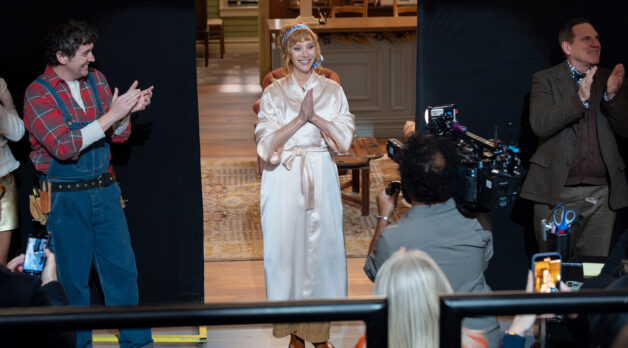
Both Valerie Cherish and Deborah Vance represent an endangered species of TV icons: women who have navigated the often-sexist and ageist entertainment industry for decades, constantly fighting for relevance and artistic control. Valerie, despite often being the butt of her own jokes due to her desperate craving for fame, emerges as The Comeback‘s unlikely hero. Lisa Kudrow’s performance imbues Valerie with an underlying charm and resilience, making her relatable even in her most humiliating moments. The shift in the third season from the mockumentary format to a more traditional narrative allows Valerie to take charge, fighting not just for her own career but potentially for the collective future of TV writers – a group often portrayed as her antagonists in Hollywood. This evolution underscores a deeper commentary on solidarity in the face of a common, non-human threat.
Deborah Vance, equally complex, mirrors Valerie’s struggles. Her journey in Hacks has been a multi-season quest to break the ultimate glass ceiling for a female entertainer: hosting a late-night comedy show. In Hacks‘ penultimate season, Deborah achieves this monumental goal, only to face a network demand to fire her outspoken lead writer, Ava. Choosing artistic integrity and loyalty over corporate acquiescence, Deborah quits the show. The subsequent fifth and final season sees Deborah, much like Valerie, desperately trying to reclaim her voice and hold onto her stardom after being silenced by a non-compete clause that prohibits her from performing for a year. The timing of Hacks‘ season four finale, depicting Deborah’s downfall, just weeks before CBS canceled The Late Show with Stephen Colbert, further amplified the storyline’s timeliness regarding corporate censorship and the precarious nature of even established careers.
These characters embody the resilience required to thrive, or at least survive, in Hollywood. They represent the human element – the experience, the unique voice, the emotional depth – that is often overlooked in the industry’s relentless pursuit of efficiency and profit. Their narratives implicitly argue that the value of creative work extends far beyond algorithms and cost-cutting measures.
The Nuance of AI’s Threat: From Monster to Pathetic Joke
While both shows address AI, their portrayals differ in nuance. In Hacks, AI, embodied by QuikScribbl, initially appears as a potentially insidious threat, an existential monster that could commodify and ultimately erase human artistry. Ava’s impassioned arguments highlight the corporate drive to monetize creative output without acknowledging its human origin or compensating its creators fairly.
The Comeback‘s approach to AI, however, paints it as less of a menacing monster and more of a pathetic joke. Valerie’s AI-written sitcom, How’s That?!, produced by the Big Tech-funded network NuNet, is depicted as hokey, dated, and fundamentally lacking the spark of human creativity. The scripts generated by Allassist are "good enough" but stale. When a joke fails to land, the machine produces an overwhelming number of "alts" – alternative lines – far more than any human actor could reasonably try, and most of them are simply not funny. This portrayal subtly argues that while AI can generate content, it struggles with the subjective, unpredictable, and often surprising nature of genuine humor.
Valerie’s realization that writers cannot truly be replaced, even if it means fewer people on set to insult her, is a critical turning point. A computer, she learns, cannot dismiss or diminish her talent as an actor, but crucially, it also cannot provide her with anything genuinely meaningful to work with. The episode reinforces the idea that true creative collaboration, the "group of writers huddled in a corner, beating themselves up to beat out a better joke" as veteran TV director James Burrows (playing himself) observes, is where "surprising" humor originates. This collaborative, human-driven process, with all its inefficiencies and interpersonal dynamics, is presented as essential to producing compelling and original television. The implication is clear: making TV, or any creative endeavor, less human ultimately makes it less effective and less resonant.
Awards Season Implications and the Future of Human Artistry
It is particularly fitting that these two female-fronted HBO shows are poised to compete in the upcoming Emmy race, reflecting their shared thematic concerns and critical acclaim. Hacks has already established itself as an awards darling, boasting 12 Emmy wins, including Best Comedy Series for its third season, four consecutive Best Actress wins for Jean Smart, and last year’s Best Supporting Actress win for Hannah Einbinder. The Comeback, despite its ardent cult following and undeniable influence, has historically faced an uphill battle with Emmy voters. Lisa Kudrow earned Best Actress nominations for its first two seasons, and its only other nods were for writing and casting in season one.
Coming off the heels of The Studio‘s sweep in the comedy categories last year – another showbiz satire – it would not be surprising to see another industry-focused comedy collect this year’s Emmy for Best Comedy Series. While Hacks undoubtedly holds an edge given its consistent Emmy success, the cultural relevance and critical resurgence of The Comeback in its final season cannot be underestimated. A tie for Best Actress between Jean Smart and Lisa Kudrow, while statistically improbable, would be a profoundly satisfying outcome. It would symbolize a collective recognition for two exceptional actresses and their characters, who have not only survived but thrived through multiple evolutions of the television medium, consistently reminding audiences of the enduring power of human talent and resilience against all odds.
The narratives woven by The Comeback and Hacks extend beyond mere entertainment; they are vital cultural commentaries on the ongoing tension between technological advancement and human creativity. They explore the ethical boundaries of AI, the economic pressures on artists, and the timeless human desire for recognition and legacy. By grounding these complex industry anxieties in the deeply personal journeys of Valerie Cherish and Deborah Vance, both series offer a compelling, comedy-fueled resistance against the perceived inevitability of industry collapse and the erosion of human artistry. They serve as a powerful reminder that while technology can innovate, the irreplaceable spark of human experience, empathy, and creative struggle remains the true engine of compelling storytelling.