The recent release of the official trailer for Mike Flanagan’s upcoming horror feature, The Exorcist: Martyrs, has ignited a firestorm of analysis among horror enthusiasts and franchise historians. While the initial promotional material highlights the film’s shift toward a procedural, investigation-heavy narrative, eagle-eyed viewers have identified potential narrative threads that suggest a direct, legacy-driven connection to William Peter Blatty’s 1990 cult classic, The Exorcist III. The evidence, centered on the character played by Scarlett Johansson, suggests that the new film may serve as a thematic and narrative continuation of the Kinderman family arc, a development that would fundamentally alter the current landscape of the Exorcist franchise.

The Evidence in the Frame
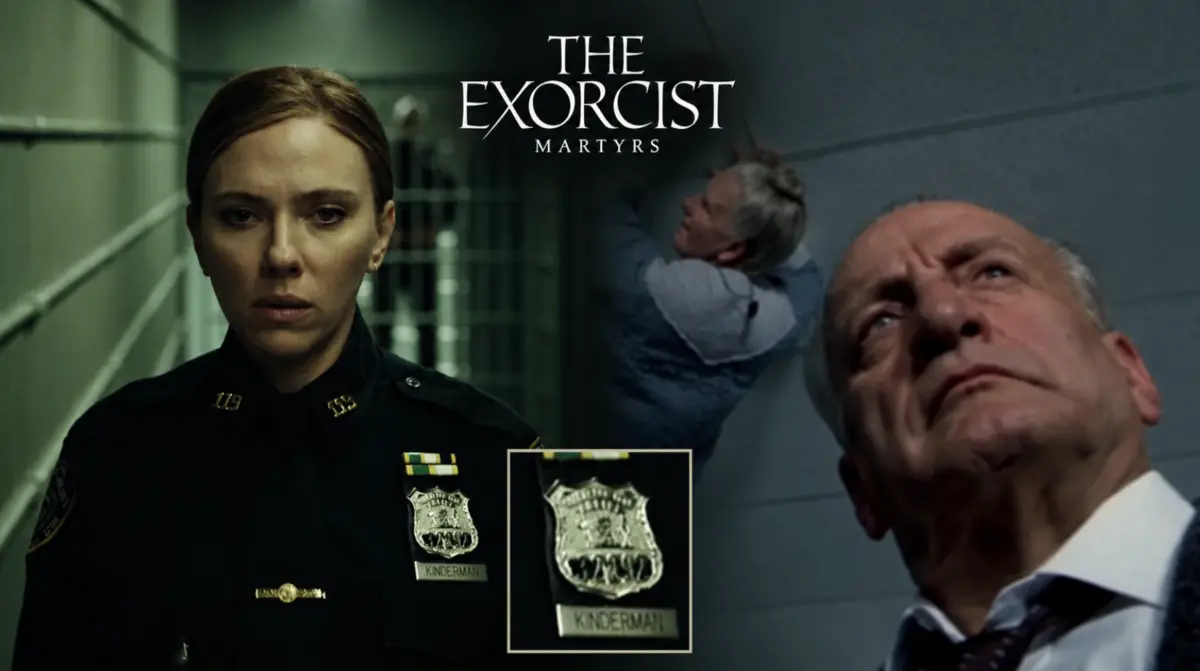
The primary catalyst for this theory stems from specific visual cues identified within the trailer’s footage. Scarlett Johansson, who leads the cast as a detective tasked with tracking a serial killer, is seen wearing a police uniform adorned with a nameplate reading "KINDERMAN." This surname is synonymous with the franchise, famously held by Lieutenant William Kinderman—the inquisitive, melancholic detective portrayed by Lee J. Cobb in the 1973 original and immortalized by George C. Scott in the third installment.
Further fueling speculation is a prominent background prop: a framed photograph displayed on a shelf within the film’s set, which appears to feature the likeness of George C. Scott’s version of the detective. When cross-referenced with the character’s stated name in the film’s press materials—Julie Miller—the connection becomes increasingly plausible. In The Exorcist III, the character of Julie, played by Sherrie Wills, is established as the daughter of Lieutenant Kinderman. If Johansson is indeed portraying an adult version of this character, the film bridges the gap between the 1990 narrative and the present day, providing a familial anchor for the new story. While the discrepancy in surnames—Miller versus Kinderman—remains a point of contention, it is common in cinematic storytelling for legacy characters to adopt different names through marriage or personal choice, a detail that likely serves as a plot point rather than a continuity error.

A Legacy of Procedural Horror
To understand the weight of this connection, one must look at the structural history of the Exorcist franchise. William Peter Blatty, who wrote the original novel and directed the third film, envisioned his sequel as a direct rebuttal to the supernatural excess of the second film, focusing instead on the intellectual and moral struggle of a man of the law. The Exorcist III is widely regarded as a pinnacle of atmospheric, procedural horror, blending the clinical nature of a homicide investigation with the encroaching dread of demonic influence.
By aligning The Exorcist: Martyrs with this specific tone, director Mike Flanagan appears to be moving away from the "possession-as-spectacle" model seen in recent franchise entries. Instead, the film seems to be leaning into the psychological toll that witnessing supernatural evil takes on those tasked with maintaining order. If the protagonist is indeed Julie Kinderman, the film gains a ready-made backstory: a character who, as a child, survived a harrowing brush with the Gemini Killer and the demonic forces that plagued her father. This elevates her from a generic law enforcement protagonist to a survivor with a generational vendetta against the darkness that has defined her life.

Mike Flanagan and the Franchise Revival
The involvement of Mike Flanagan, known for his methodical approach to character-driven horror, provides further context for these choices. At the recent New York Comic-Con, Flanagan addressed his relationship with the source material, explicitly citing The Exorcist III as an "underrated, underappreciated" masterpiece. This public acknowledgment serves as a validation of the theory that the new film is not merely a soft reboot, but a conscious effort to reclaim the prestige and narrative weight of the 1990 entry.
In a broader industry context, legacy sequels—films that function as both continuations and new entry points—have become the standard for major intellectual properties. However, Flanagan’s approach appears to favor deep-lore integration over mere fan service. By embedding subtle clues like the Kinderman photograph, the production creates a reward system for long-term fans, ensuring that the film feels grounded in the established canon while still functioning as a standalone procedural thriller.

Chronological Context and Production Timeline
The development of The Exorcist: Martyrs has been marked by a rigorous attention to detail, aimed at revitalizing the franchise after previous attempts struggled to find a consistent tone. Universal Pictures, which has slated the film for a wide release on March 12, 2027, has maintained a high level of secrecy regarding the plot. The trailer, while brief, suggests a timeline that places the events of this film decades after the original occurrences.
If we examine the chronology of the Exorcist universe:

- 1973: The original Exorcist film establishes the investigation into the Regan MacNeil possession.
- 1990: The Exorcist III takes place, introducing the Gemini Killer arc and the character of Julie Kinderman.
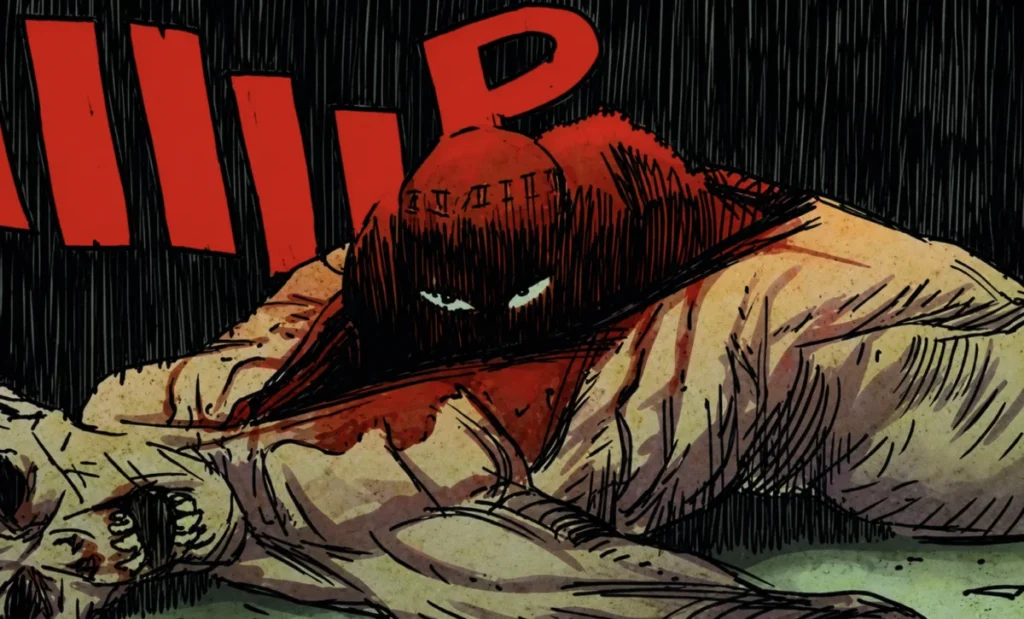
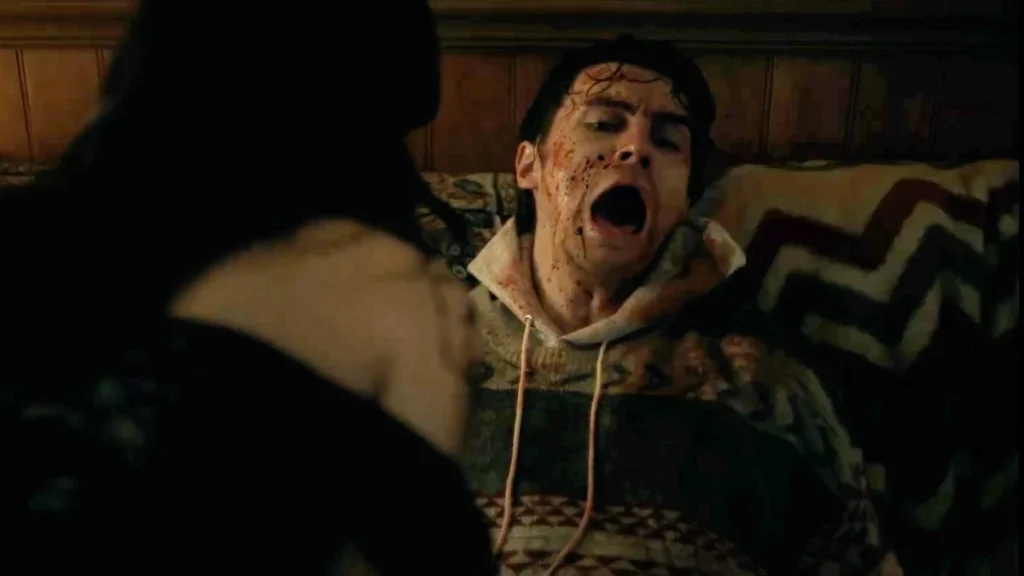
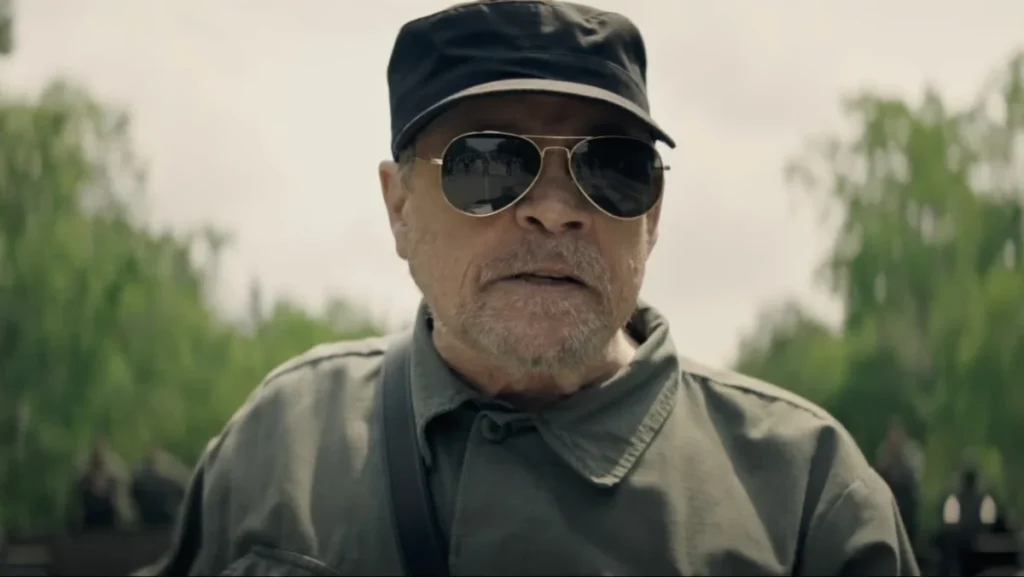
- 2027: The Exorcist: Martyrs introduces a new investigation involving a killer, Father Sunday (played by John Leguizamo), who appears to operate in the same vein of ritualistic violence that defined the Gemini Killer’s reign.
This timeline creates a 37-year gap between the last known appearances of the Kinderman family and the present setting, providing ample time for the younger Julie to have risen through the ranks of law enforcement to become the lead detective in a new, high-stakes investigation.
Broader Implications for the Franchise
The potential inclusion of the Kinderman legacy has significant implications for how the audience perceives the film. By grounding the narrative in the history of a beloved legacy character, the filmmakers are effectively asking the audience to engage with the franchise on an intellectual level. The shift to a procedural format suggests that the horror will not be limited to "jump scares" or visual effects, but will instead rely on the slow-burn tension of an investigation where the antagonist may be both human and supernatural.

Furthermore, the casting of John Leguizamo as the antagonist, Father Sunday, suggests a performance-heavy film that prioritizes character chemistry. If the film successfully balances the procedural elements of police work with the deep, haunting lore of the Exorcist, it could potentially redefine the expectations for the entire series. Critics and industry analysts suggest that this strategy is a calculated move to capture both the older demographic of horror fans who hold the 1990 sequel in high regard and a new generation of viewers drawn to prestige, character-led horror.
Conclusion
While official confirmation from Universal Pictures remains absent, the visual evidence provided by the trailer is difficult to ignore. The presence of the "Kinderman" nameplate and the deliberate placement of the photograph are hallmarks of a production that is acutely aware of its lineage. Whether these clues are a definitive promise of a narrative connection or a sophisticated "red herring" designed to generate discourse, they have succeeded in centering The Exorcist: Martyrs within the legacy of the original franchise. As the release date of March 12, 2027, approaches, the industry will be watching closely to see if this marriage of procedural grit and supernatural legacy can breathe new life into one of the most storied brands in cinema history. The integration of the Kinderman story represents more than just a nod to the past; it is a structural commitment to the idea that the horror of the Exorcist is not a one-time event, but a persistent, generational stain that continues to haunt those who dare to investigate it.