
Victor Hugo’s timeless 1831 masterpiece The Hunchback of Notre-Dame is once again making its way to the screen, though audiences should prepare for a version far removed from animated musical adaptations or traditional costume dramas. Netflix has officially confirmed a global premiere date of November 27, 2026, for its heavily anticipated French historical thriller, now titled The Hunchback, Soul of Paris. Formerly developed under the working titles Quasimodo and Quasimodo, the Soul of Paris, this high-budget cinematic endeavor promises to deliver a gritty, action-oriented, and politically charged reinterpretation of one of literature’s most enduring tragedies.
Following a series of exclusive first-look images and deep-dive production details published by Vanity Fair France, anticipation for the project has surged. Positioned as one of the most significant upcoming French-language original titles on the streaming platform—second only to the continued success and high-profile returns of the hit series Lupin—the film represents a major financial and creative investment for Netflix’s international content division. With an estimated budget hovering around €30 million, the production aims to blend historical authenticity with modern narrative pacing, offering a fresh lens through which to view a classic cultural touchstone.
A Gritty Historical Narrative Rooted in 1830s Paris
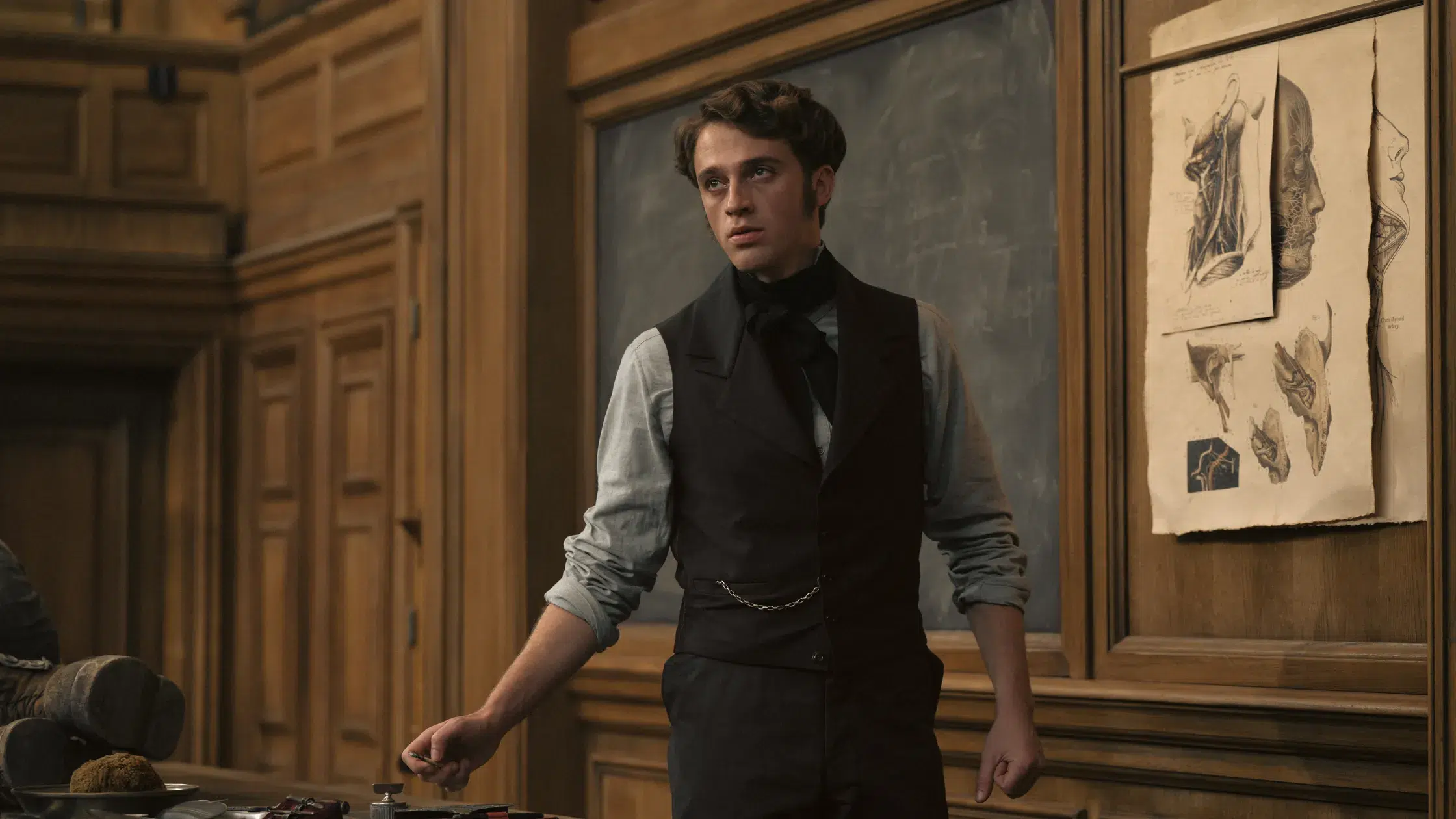
Rather than adhering strictly to the fifteenth-century setting of Hugo’s original novel, this feature-length adaptation shifts the timeline forward to the turbulent year of 1830. Set against the atmospheric backdrop of Paris on the eve of the historic July Revolution, the narrative unfolds during a time of profound societal fracture. The official logline sets a high-stakes, suspenseful tone: Paris, 1830. As cholera threatens to ravage the city, a hunchback hunted for medical experiments is caught between political turmoil and impossible love.
With a tight, fast-paced runtime of one hour and forty-three minutes, the film functions largely as a high-stakes chase thriller. Quasimodo is relentlessly pursued through a plague-ridden capital by the Director of Security alongside a calculating physician determined to utilize the outcast for clinical trials in the desperate quest for a cholera vaccine.
Director Jean-François Richet revealed in his interview with Vanity Fair that the conceptual foundation of the script draws inspiration from the archival theories of British researcher Adrian Glew. Glew famously posited that Hugo’s fictional bell-ringer may have been inspired by a real-life, humpbacked stone carver employed during the restoration of Notre-Dame in the 1820s. By anchoring the narrative in historical plausibility rather than pure myth, the filmmakers have constructed a canvas that explores uncomfortable truths about medical history, societal stratification, and the ethics of scientific advancement. Richet noted that the film examines class struggle, the friction between the populace and the ruling elite, and the historical reality that early medical breakthroughs often came at a severe human cost.
Behind the Lens: Production Team and Creative Vision

The creative force steering The Hunchback, Soul of Paris brings considerable pedigree in both domestic French cinema and international action filmmaking. Director Jean-François Richet has built a robust reputation through high-octane Hollywood thrillers such as Plane and Blood Father, as well as critically acclaimed French crime epics including the landmark two-part Mesrine saga and The Emperor of Paris. Richet’s ability to balance visceral action sequences with complex socio-political subtexts makes him a fitting choice for this ambitious reimagining.
The screenplay was co-written by acclaimed scenarist Éric Besnard, known for Jean Valjean, and writer Edgar Marie. Production duties are handled by Clément Miserez and Matthieu Warter under the banner of Radar Films. The substantial €30 million financial commitment reflects Netflix’s ongoing strategy to fund high-value European productions capable of drawing substantial global viewership while maintaining distinct local cultural identities.
Star-Studded Cast and Dramatic Transformations
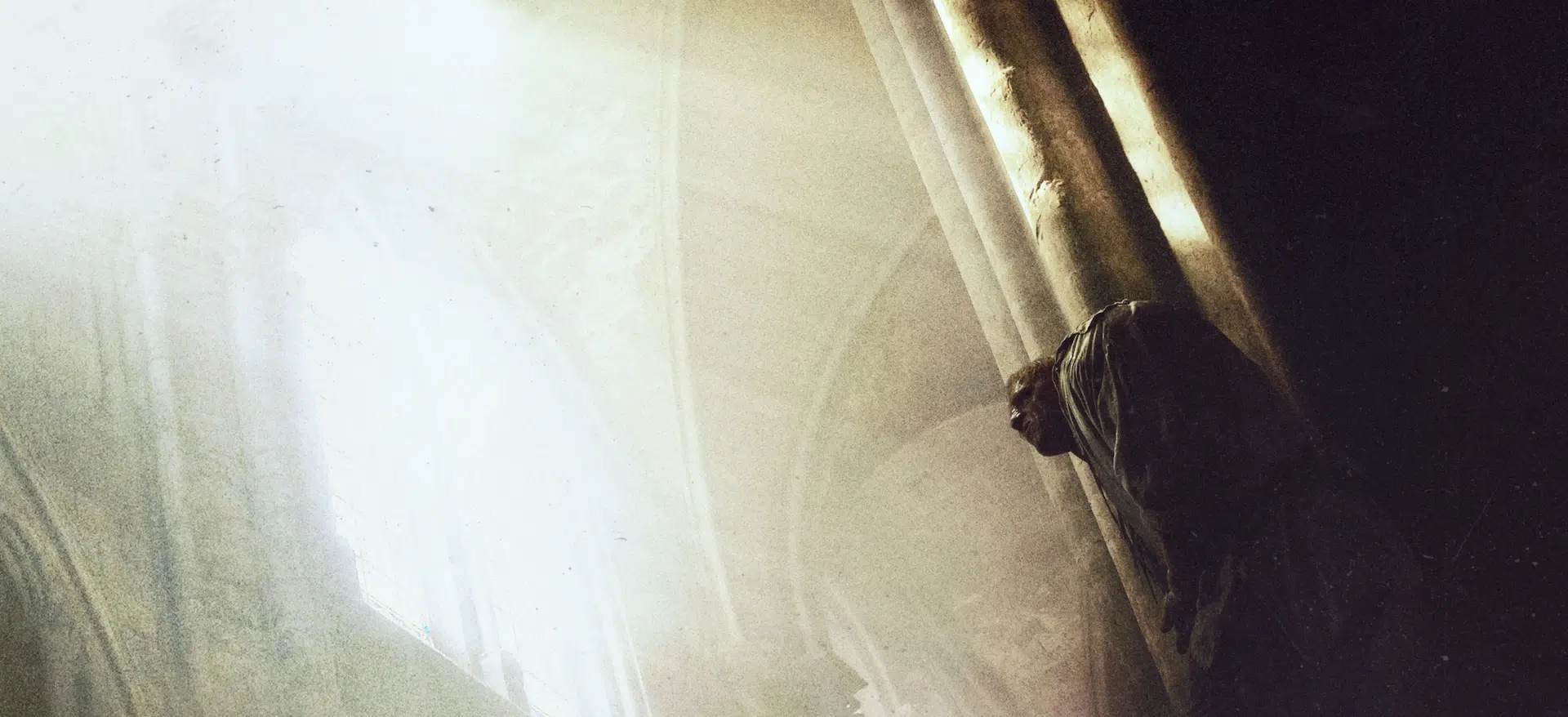
The central casting choice has generated substantial industry buzz, anchored by the inclusion of cinematic icon Vincent Cassel. Widely recognized for his memorable performances in international and French hits such as Black Swan, Ocean’s Twelve, and La Haine, Cassel undergoes a dramatic physical transformation to portray the titular bell-ringer. Early promotional imagery highlights the meticulous makeup and costume design required to bring a grounded, physically harrowing interpretation of Quasimodo to life.
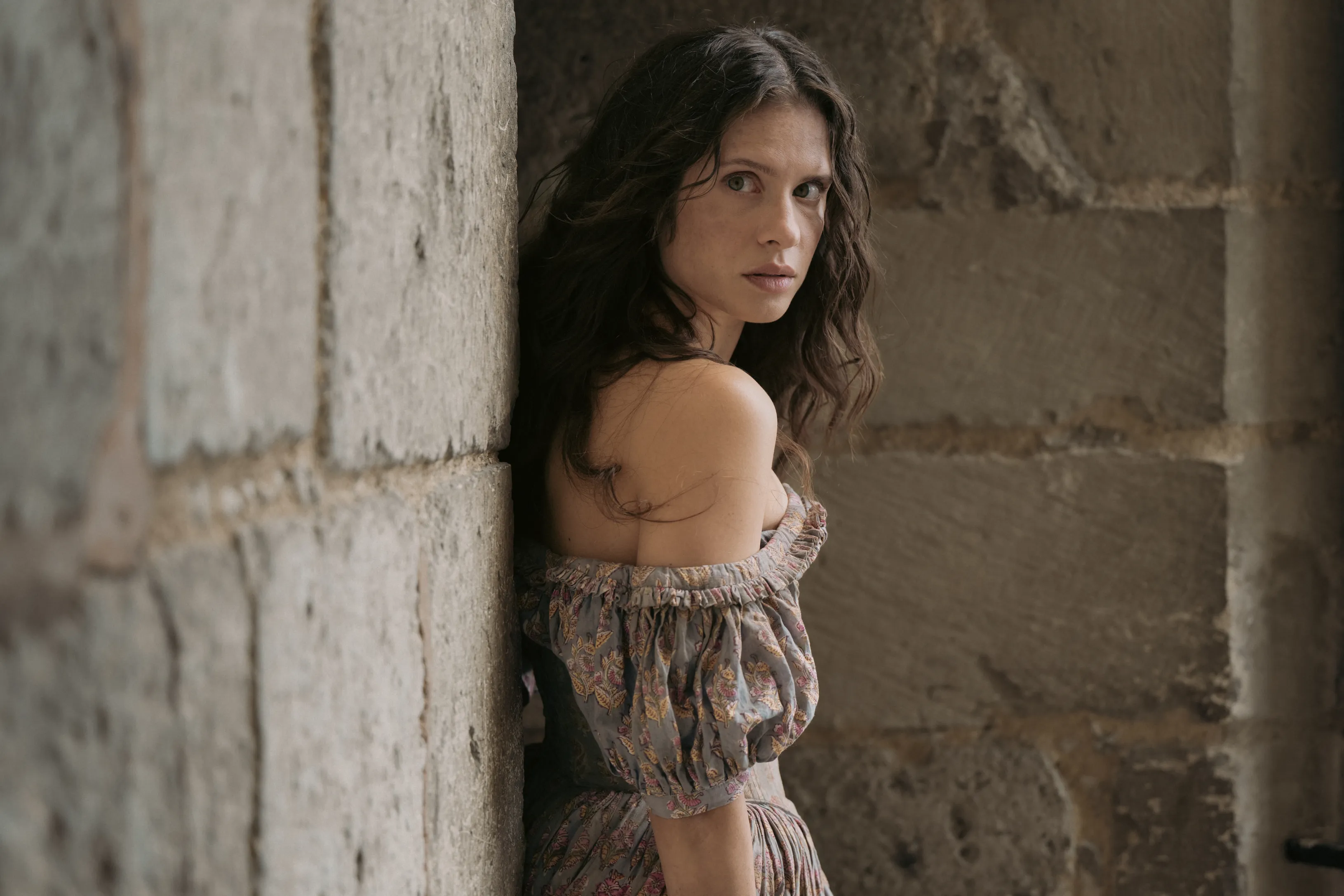
While complete character breakdowns beyond Cassel’s lead role have been selectively revealed, the production has assembled a stellar ensemble of French acting talent designed to lend gravity and dramatic depth to the supporting roles. The interplay between the hunted outcast, the ruthless representatives of state security, and the medical establishment forms the emotional and philosophical core of the narrative.
Chronology of Development and Distribution Strategy
The trajectory of The Hunchback, Soul of Paris highlights Netflix’s methodical approach to rolling out major international intellectual properties. Industry tracking of the project began in earnest in June 2025, when news broke that Vincent Cassel was attached to headline a gritty French adaptation of the Quasimodo mythos. Subsequent updates tracked the evolution of the project’s English-language marketing titles, shifting from its initial working title to the more descriptive moniker unveiled alongside the Vanity Fair France exclusive coverage.
The confirmation of the November 27, 2026, global release date solidifies Netflix’s strategy of positioning high-prestige international films during the competitive late-autumn awards and holiday viewing window. By launching simultaneously across all territories, the platform ensures that the film can capitalize on unified global conversation, bypassing traditional staggered theatrical release models common in European cinema markets.
Broader Industry Implications and Cultural Impact
The release of The Hunchback, Soul of Paris arrives at a time of heightened interest in revisionist adaptations of classic literary works. By stripping away the romanticized and sanitized elements often associated with popular iterations of Victor Hugo’s story, the filmmakers are leaning into a darker, more historically grounded aesthetic that resonates with contemporary audience preferences for gritty realism.
Furthermore, the film underscores the growing economic viability of premium, high-budget non-English language features on global streaming platforms. With European regional hubs producing content that matches the technical polish and scale of traditional Hollywood studio pictures, projects like Richet’s adaptation continue to blur the lines between local cinema and global entertainment. As the November premiere approaches, industry analysts will be closely watching how this dark historical thriller performs within Netflix’s fiercely competitive algorithmic ecosystem, potentially setting a new benchmark for how classic European literature is translated for modern, multi-national audiences.