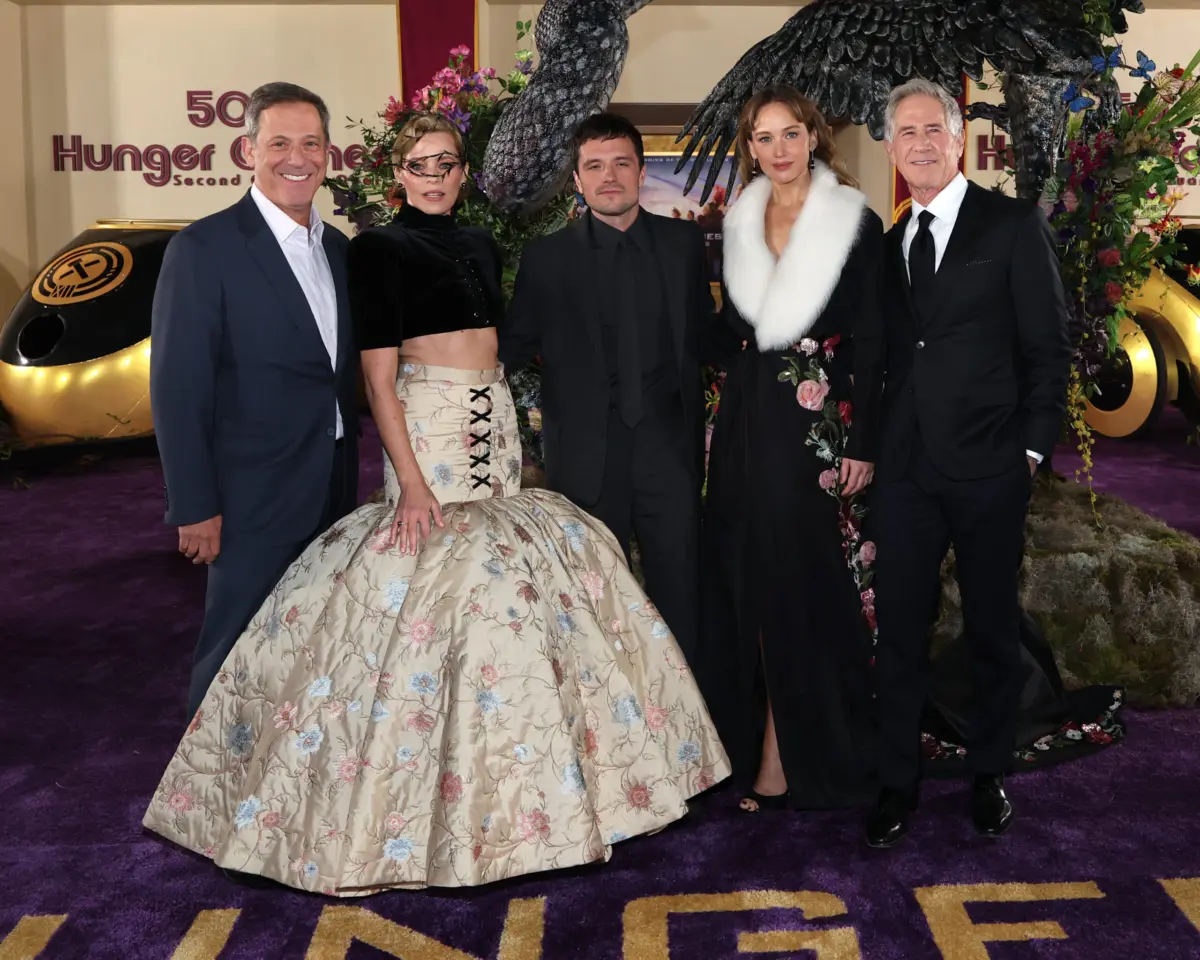
The cinematic landscape for the dystopian sci-fi genre has shifted significantly this past weekend as Lionsgate’s latest installment, The Hunger Games: Sunrise on the Reaping, stormed theaters with a commanding $119.3 million debut across 4,018 North American locations. This robust performance serves as a powerful testament to the enduring vitality of Suzanne Collins’ Panem universe, effectively revitalizing the franchise and signaling a return to the commercial dominance it enjoyed during the early 2010s. The film, which functions as an adaptation of Collins’ 2025 prequel novel, outperformed its predecessor, 2023’s The Ballad of Songbirds and Snakes, by a wide margin, proving that audiences remain deeply invested in the lore surrounding the brutal gladiatorial contests that define the series.
A Chronicle of the Franchise
Since the inception of the film series in 2012, The Hunger Games has acted as a pillar of young adult adaptation success. The original trilogy, anchored by Jennifer Lawrence’s iconic portrayal of Katniss Everdeen, transformed the genre, grossing billions globally and establishing a high benchmark for subsequent blockbusters. Following the conclusion of Mockingjay — Part 2 in 2015, the franchise entered a period of dormancy until 2023.
The release of The Ballad of Songbirds and Snakes marked a pivotal transition. By pivoting to a prequel format, Lionsgate sought to explore the origins of the villainous President Coriolanus Snow. While the 2023 film reached a respectable global total of $361.8 million, its domestic opening of $44 million was modest compared to the peaks of the original series. The success of Sunrise on the Reaping, however, indicates that the strategic decision to shift focus toward a character with a more direct emotional connection to the core fans—Haymitch Abernathy—has paid significant dividends.
The Narrative Pivot
Sunrise on the Reaping, directed by franchise veteran Francis Lawrence, transports viewers 24 years prior to the events of the 2008 novel that started it all. The film centers on the Second Quarter Quell, a particularly brutal iteration of the Hunger Games that saw Haymitch Abernathy, played in this installment by Joseph Zada, emerge as the sole survivor.
The narrative choice to focus on a character as beloved as Haymitch—originally portrayed by Woody Harrelson—appears to have been the decisive factor in the film’s massive opening weekend. Unlike the previous prequel, which explored the psyche of a future tyrant, this film taps into the "games" aspect of the franchise that originally captivated audiences. With a $150 million production budget, the film balances the high-stakes spectacle expected by the audience with the darker, more introspective character study that defines Collins’ writing.

Comparative Box Office Performance
The financial data underscores a significant resurgence for Lionsgate. To put the $119.3 million opening in perspective, the film has effectively eclipsed the trajectory of the 2023 prequel by a factor of nearly three in its opening frame. Industry analysts suggest that the "event" nature of the film—bolstered by a high-profile cast that includes heavyweights such as Glenn Close, Kieran Culkin, Elle Fanning, and Jesse Plemons—helped create a sense of urgency that casual viewers and die-hard fans alike responded to.
Furthermore, the literary success of the source material provided a strong tailwind. The novel Sunrise on the Reaping, which sold 1.5 million copies in its inaugural week, functioned as a highly effective marketing engine. This synergy between print and screen suggests that the "Collins-Lionsgate" partnership remains one of the most reliable pipelines in Hollywood.
Official Perspectives and Studio Strategy
Lionsgate Motion Picture Group chair Adam Fogelson has been vocal regarding the studio’s enthusiasm for the project’s success and the potential for future development. In a recent interview, Fogelson underscored the studio’s deference to Suzanne Collins, characterizing her as the primary architect of the franchise.
"We have complete respect for Suzanne as the architect," Fogelson stated. "I have told her that, if and when she is ready for me to read something else, I will drop everything and go anywhere in the world to get to read it. And I will sit patiently and wait for that phone call."
This rhetoric highlights a studio strategy that relies heavily on the author’s creative autonomy. Unlike other major franchises that utilize writer’s rooms to churn out content, the Panem universe is tethered to Collins’ specific vision. Fogelson acknowledged that the 2023 film, which centered on a villain’s origin, presented a "challenging ask" due to the absence of the traditional spectacle that defines the games. In contrast, the current success demonstrates that when the narrative aligns with the audience’s desire for familiar, high-stakes conflict, the financial rewards are substantial.
Broader Implications for the Dystopian Genre
The performance of Sunrise on the Reaping has wider implications for the current state of major studio intellectual property (IP). As audiences grow increasingly selective, the success of this film suggests that "prequel fatigue" is not an absolute rule, provided the narrative is grounded in characters the audience already holds in high regard.

Moreover, the casting choices indicate a trend of integrating prestige talent into genre filmmaking. By surrounding rising stars like Joseph Zada with industry veterans such as Glenn Close and Kieran Culkin, Lionsgate has elevated the project’s profile, broadening its appeal across multiple demographics. The New York premiere, characterized by intense fan engagement, served as a microcosm of this cross-generational appeal.
Future Prospects and Franchise Sustainability
As Lionsgate looks toward the future, the primary question remains whether there are additional stories within Panem that warrant cinematic adaptation. Fogelson noted that the studio is in constant dialogue with the fanbase, which has been vocal about potential spin-offs or sequels. However, the studio is cautious about over-extending the brand.
"The fan base has definitely let us all know that there are other stories they would be thrilled to both read and watch," Fogelson said. "We’ll see if any of them spark Suzanne to go ahead and write them."
This measured approach suggests that the studio is prioritizing quality and franchise integrity over short-term volume. By maintaining this discipline, Lionsgate ensures that every addition to the Hunger Games saga remains a significant cultural event rather than a routine commodity.
Final Analysis
The success of The Hunger Games: Sunrise on the Reaping is not merely a box office win; it is a case study in effective franchise management. By aligning a compelling, character-driven story with a massive production scale and a high-caliber cast, Lionsgate has successfully re-engaged a global audience that had seemingly moved on from the franchise.
As the industry continues to grapple with the decline of certain legacy IPs, the Panem universe stands out as a resilient, evolving entity. With the backing of a committed fanbase, a clear creative vision from its author, and a studio that knows when to invest heavily, The Hunger Games continues to prove that it remains one of the most potent brands in contemporary cinema. Whether this leads to a permanent expansion of the cinematic universe or remains a carefully curated series of stories, the outcome of this weekend has firmly cemented the franchise’s place in the modern blockbuster hierarchy for the foreseeable future. The next chapter, should it come, will be met with a level of anticipation that few other properties can currently claim.