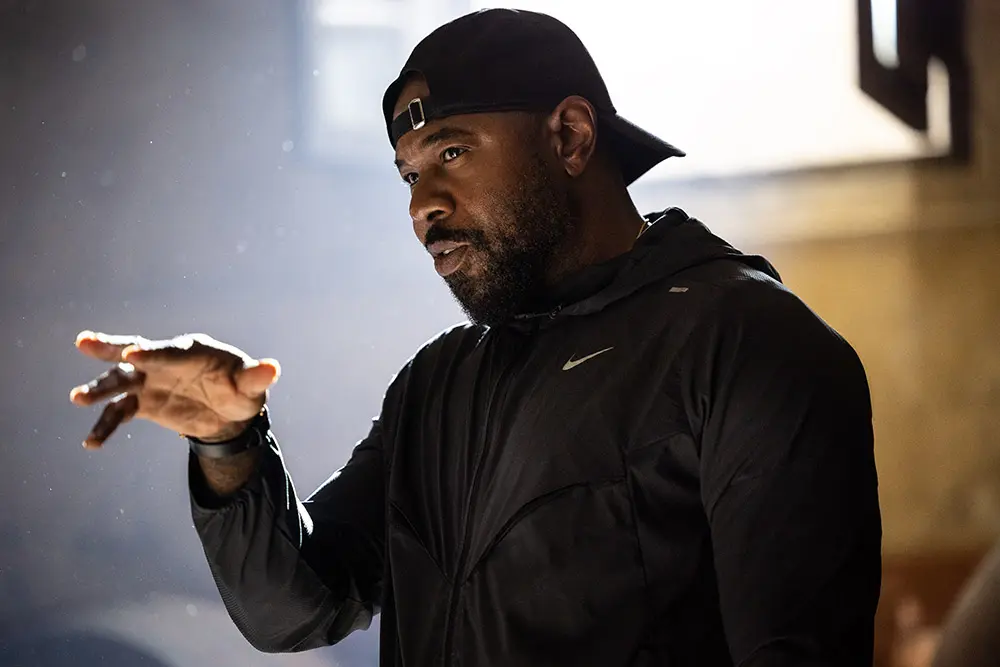
Renowned filmmaker Antoine Fuqua, best known for directing high-octane action films such as Training Day and The Equalizer series, is currently facing a serious civil lawsuit in California state court. The legal action, brought by William Rosenthal, a bar manager at the popular Los Angeles nightlife venue Good Times at Davey Wayne’s, alleges that the director engaged in a violent physical altercation involving the use of a handgun and the utterance of discriminatory, antisemitic slurs. The suit, filed this past Friday, marks a significant reputational challenge for the filmmaker, as it paints a harrowing picture of a February evening that spiraled from a standard policy enforcement matter into an alleged criminal confrontation.
Chronology of the Alleged Altercation
According to the legal complaint filed by Rosenthal, the sequence of events began on February 14, 2024. The venue, a well-known retro-themed bar in Hollywood, enforces strict occupancy and sobriety policies consistent with local business regulations. Rosenthal contends that Fuqua arrived at the establishment accompanied by four other individuals, including his son and daughter. Upon arrival, the group was denied entry by security and management staff, including Rosenthal, who cited the group’s level of intoxication as the primary reason for the refusal of service.
The complaint alleges that the initial rejection sparked immediate hostility. Rosenthal claims that during this first encounter, a member of the director’s party spat on him, while Fuqua’s daughter allegedly issued verbal threats against him. Following this brief interaction, the group departed the premises.
However, the lawsuit asserts that the situation reached a violent climax approximately one hour later. Rosenthal alleges that Fuqua returned to the venue alone, specifically to confront him regarding an accusation that Rosenthal had utilized pepper spray against the director’s daughter during their earlier departure. Rosenthal denies ever deploying pepper spray. According to the filing, the confrontation escalated rapidly when Fuqua allegedly struck Rosenthal in the face with a handgun. The plaintiff further claims that during this assault, Fuqua used antisemitic slurs and issued direct threats to take his life. The complaint continues by alleging that Fuqua’s son then arrived at the scene, produced a handgun of his own, and proceeded to strike Rosenthal as well.
Physical and Psychological Damages
The injuries described in the lawsuit are significant and, according to the plaintiff’s legal counsel, may result in long-term consequences. Rosenthal reports that the physical assault resulted in a fractured nose, multiple facial lacerations, and a severe head injury. Beyond the immediate physical trauma, the complaint details that Rosenthal is currently suffering from post-traumatic stress disorder (PTSD) and acute emotional distress directly linked to the incident.
The legal team representing Rosenthal has emphasized that the nature of these injuries is such that they may lead to “some permanent disability,” a claim that significantly raises the stakes of the civil litigation. By seeking a minimum of $50,000 in damages, the plaintiff is signaling that the litigation is intended not only to compensate for medical expenses but also to address the long-term impact on his quality of life and professional capacity. The legal claims include assault, battery, and intentional infliction of emotional distress, all of which are serious torts under California law.
Official Responses and Defense
In the immediate aftermath of the lawsuit’s filing, representatives for Antoine Fuqua moved to address the allegations directly. In a brief but definitive statement provided to the media, a spokesperson for the director categorically denied the claims brought forth by Rosenthal. “It’s not true,” the representative stated, declining to offer further elaboration at this stage of the proceedings.
The discrepancy between the detailed account provided in the lawsuit and the blanket denial from the director’s camp sets the stage for a contentious legal battle. In civil litigation of this nature, the burden of proof rests on the plaintiff to demonstrate that the events occurred as described, likely through a combination of witness testimony, potential video surveillance footage from the establishment, and medical records documenting the severity of the injuries.
Contextualizing Hollywood and Nightlife Security
The incident involving Fuqua highlights a broader, ongoing tension between high-profile individuals and the staff of service-industry establishments. In Los Angeles, the intersection of celebrity culture and nightlife security is a frequently litigated area. Venues like Good Times at Davey Wayne’s are subject to strict liquor liability laws and local ordinances that require management to refuse service to intoxicated patrons. When these policies are enforced against prominent figures, the risk of escalation is a known operational hazard for bar managers.
Statistically, incidents involving physical confrontations at nightlife venues are common, but the involvement of firearms—whether real or perceived—drastically elevates the legal implications. Under California’s penal code, brandishing a firearm or using one as a blunt object during an assault carries heavy criminal implications, far exceeding the scope of the current civil suit. Should evidence emerge that supports the claim that handguns were brandished or used, law enforcement agencies could potentially open a criminal investigation, regardless of the status of the civil litigation.
Broader Implications for the Director
Antoine Fuqua is a major player in the entertainment industry, with a career spanning over three decades. His filmography, which includes critically acclaimed works like Training Day and high-budget features like The Equalizer and Emancipation, has established him as a director known for exploring themes of justice, morality, and violence. The irony of the current allegations—that he is accused of engaging in the very type of extrajudicial violence often depicted in his films—has not been lost on industry observers.
The implications for his professional career are complex. While Hollywood has historically seen many directors and actors weather legal storms, the specific nature of these allegations—involving hate speech and the use of a firearm—touches on sensitive societal nerves. Antisemitic rhetoric, in particular, has become a flashpoint in the entertainment industry in recent years, leading to swift professional consequences for those found to have engaged in such behavior. If the allegations of hate speech are substantiated, Fuqua could face significant pressure from studio partners and stakeholders who maintain zero-tolerance policies regarding discriminatory conduct.
The Path Forward
The lawsuit is currently in its nascent stages. Following the filing in the California state court, the next steps will involve the discovery phase, during which both parties will exchange evidence. This will likely include the disclosure of security footage from the venue, internal records regarding the night of February 14, and potentially the deposition of staff members, the group accompanying Fuqua, and the director himself.
From a legal standpoint, the plaintiff must prove that Fuqua intended to cause harm and that the physical contact occurred as described. Conversely, the defense will likely seek to undermine the credibility of the plaintiff’s account, potentially challenging the timeline, the identification of the alleged weapons, or the nature of the verbal exchanges.
As the case progresses, the public and the film industry will be watching closely to see if evidence supports the harrowing narrative of violence and discrimination presented by Rosenthal. For now, the case remains a stark reminder of the volatility inherent in public encounters and the high cost of legal disputes in the high-stakes environment of Los Angeles nightlife. The outcome will depend on the strength of the corroborating evidence and the ability of either side to withstand the intense scrutiny that accompanies a high-profile legal battle. As of the latest updates, no criminal charges have been filed against the director, and the case remains strictly within the jurisdiction of the civil courts. The industry awaits further developments as the legal process moves toward an eventual resolution.