The release of the final promotional trailer for Marvel Studios’ highly anticipated blockbuster Avengers: Doomsday has provided audiences with an unprecedented look into the narrative scope of the upcoming crossover event. While the extensive preview heavily centers on the reintegration of Steve Rogers and the mechanics of his unexpected return, it also highlights a meticulously curated roster of returning and debuting characters. Yet, within the cinematic industry and among the global fanbase, the conversation has quickly shifted from who was showcased in the footage to a more compelling question: which established Marvel Cinematic Universe figures are conspicuously absent from all marketing materials released to date?
As Marvel Studios ramps up its promotional campaign for the Multiverse Saga’s penultimate chapter, the omission of several foundational heroes has sparked widespread industry analysis. Given the unprecedented scale required to bridge the gap between legacy franchises and contemporary MCU continuity, studio executives and creative leads—namely directors Anthony and Joe Russo—face immense logistical challenges in balancing an ensemble cast. To understand the gravity of these omissions, it is necessary to examine the confirmed roster, the timeline of the film’s production cycle, the strategic implications of character withholding, and the broader narrative trajectory leading into Avengers: Secret Wars.

Chronology of the Multiverse Saga and Promotional Strategy
The developmental timeline of Phase 5 and Phase 6 of the MCU has been marked by strategic shifts in storytelling, largely driven by the reintegration of classic Marvel properties following corporate acquisitions and the necessity to course-correct following box office fatigue. Avengers: Doomsday, originally titled Avengers: The Kang Dynasty, underwent significant restructuring behind the scenes. Following adjustments to the overarching narrative arc, Marvel Studios pivoted toward Doctor Doom as the central antagonist, embedding the character into the crumbling architecture of a collapsing multiverse.
Historically, Marvel’s marketing campaigns for ensemble event films—such as Captain America: Civil War, Avengers: Infinity War, and Avengers: Endgame—rely heavily on character reveals to drive theatrical attendance and social media engagement. However, the promotional strategy for Doomsday exhibits a calculated restraint. By omitting key legacy and modern characters from trailers, Marvel Studios preserves narrative surprises while managing the expectations of an audience accustomed to massive crossover events. Industry analysts note that withholding major players serves a dual purpose: it prevents the dilution of the core narrative focus centered on Rogers and Doom, while stoking organic speculation across digital platforms.
Noteworthy Absences: Analyzing the Missing Roster
Despite the inclusion of numerous legacy X-Men characters and core Avengers, several prominent figures remain entirely absent from official trailers and promotional imagery.

Wolverine
The integration of 2024’s Deadpool & Wolverine into official MCU canon established that Fox-era legacy characters can seamlessly cross narrative boundaries. Consequently, the complete absence of Hugh Jackman’s Wolverine from the Doomsday marketing campaign remains a point of intense speculation. While Jackman has publicly downplayed his involvement in Doomsday—while leaving the door open for an appearance in the subsequent Secret Wars—production leaks and set reports suggest a more complex reality. Industry insiders indicate that while Wolverine may feature in the film, his screen time is likely restricted to avoid overshadowing the primary narrative drivers.
Spider-Man
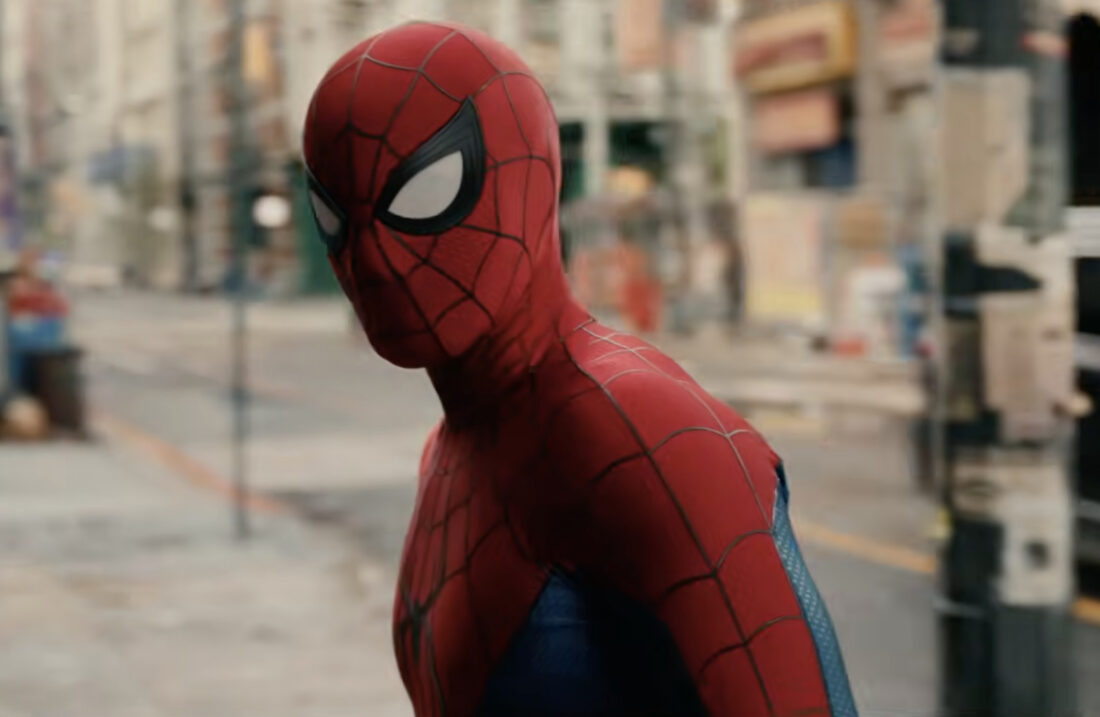
Following the historic global box office performance of Spider-Man: Brand New Day, the absence of Peter Parker from the Doomsday promotional material is arguably the most glaring omission. Given the character’s pivotal role in Marvel Comics’ overarching crossover events, fans anticipated a prominent position for the wall-crawler. Current industry tracking suggests that Marvel Studios and Sony Pictures may be intentionally sidelining Spider-Man’s involvement in Doomsday to preserve his storyline for Secret Wars, potentially limiting his appearance in the first film to a brief cameo or a mid-to-post-credits sequence.
Deadpool
Much like his frequent cinematic collaborator, Wade Wilson has been entirely unmentioned in official studio communications regarding Doomsday. Nevertheless, recent industry disclosures revealed that Ryan Reynolds and Hugh Jackman were quietly included among the expansive list of credited writers associated with the project’s early development phases. This administrative detail strongly implies active participation from the Merc with a Mouth, even if studio marketing executives have chosen to keep his specific contributions under wraps.
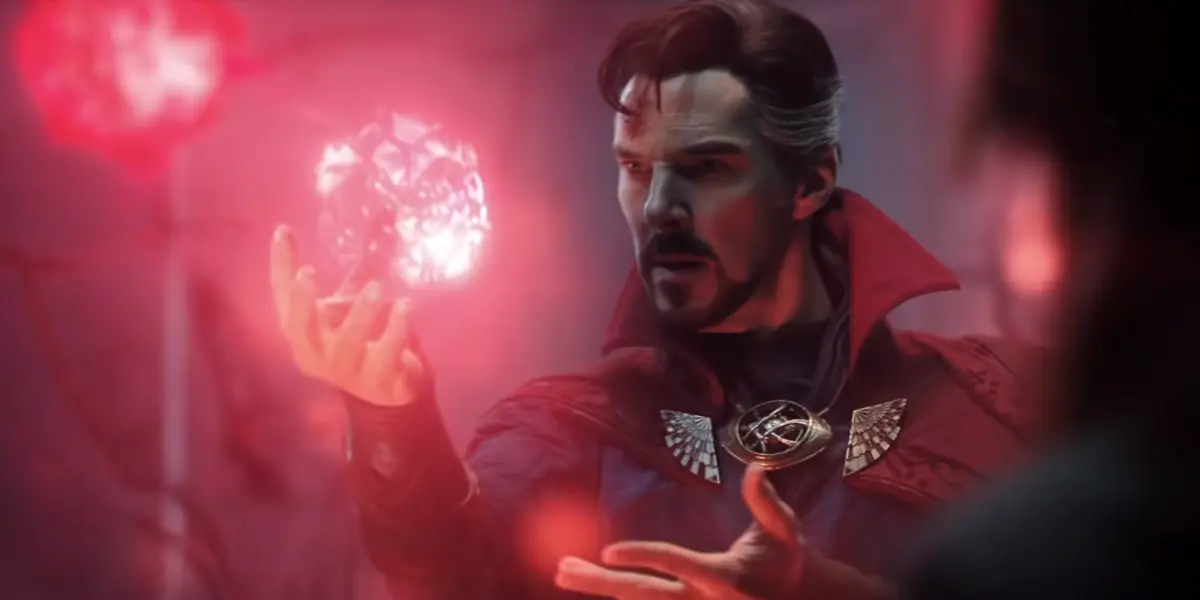
Doctor Strange
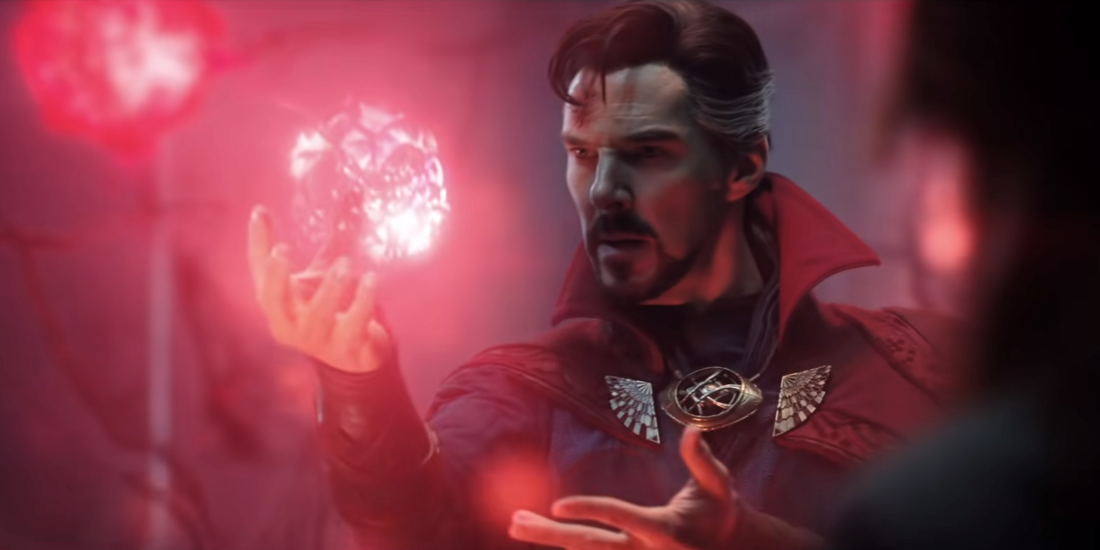
As the preeminent magic-wielding authority on dimensional mechanics within the MCU, Doctor Strange’s absence from a narrative specifically addressing the collapse of the multiverse defies conventional logic. Benedict Cumberbatch’s character served as a narrative anchor for Phase 4, making his exclusion from promotional trailers unexpected. Analysts suggest that Strange’s absence is a deliberate misdirection by Marvel Studios, designed to conceal a major plot development involving his confrontation with Doctor Doom.
The Incredible Hulk
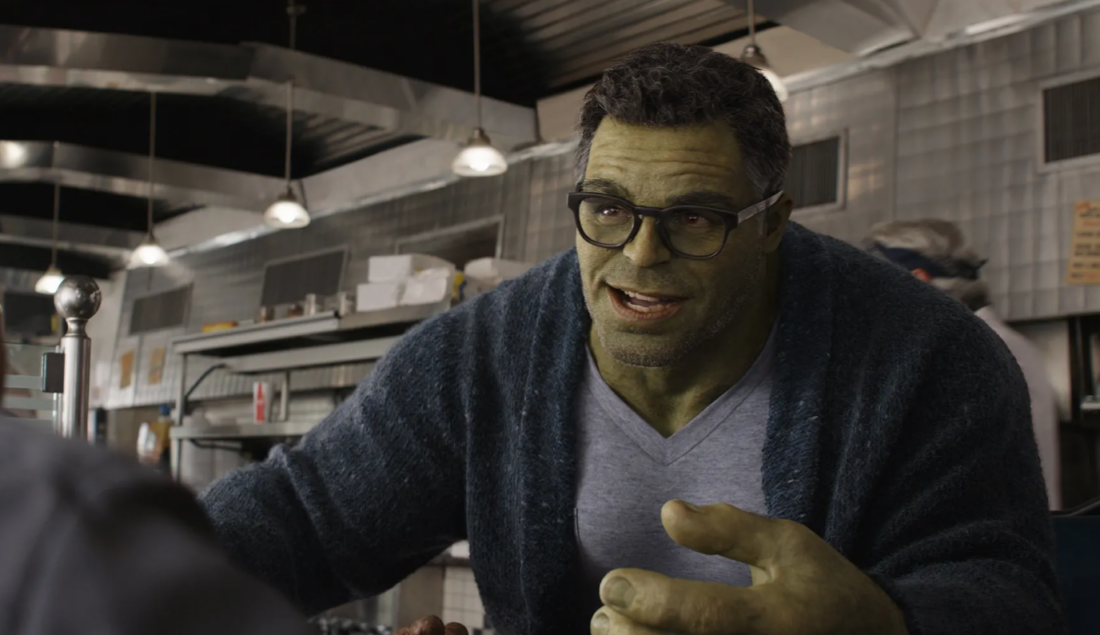
Mark Ruffalo’s Bruce Banner/Hulk has occupied a nuanced space in recent MCU entries, balancing appearances across television and cinematic projects. While Ruffalo previously indicated that the character would not feature prominently in Doomsday, recent revisions to adjacent MCU media—such as extended cuts featuring post-credits scenes involving Doctor Doom capturing the Hulk—complicate this narrative. It is increasingly likely that while the Hulk’s primary arc is reserved for Secret Wars, foundational setup occurs within the runtime of Doomsday.
Scarlet Witch
Wanda Maximoff’s status following the events of Doctor Strange in the Multiverse of Madness left her ultimate fate ambiguous. However, subsequent developments in television tie-ins, including post-credits sequences in streaming projects like VisionQuest, heavily imply a resurrection orchestrated by Doctor Doom. Promotional imagery featuring hooded figures—widely speculated to be Doom’s Latverian Witches, with one wearing a distinct red cloak—points toward a subtle reintegration of the character, likely culminating in a more substantial role in Secret Wars.

Supporting Data and Production Metrics
To contextualize the vastness of the enterprise, Avengers: Doomsday operates on a scale that surpasses standard Hollywood blockbusters. With a reported principal photography budget exceeding three hundred million dollars, the production utilizes multiple international soundstages and incorporates a staggering number of principal cast members.
According to preliminary talent agreements filed with industry guilds, the film features upwards of forty distinct character arcs, necessitating precise scheduling by the Russo brothers. This sheer density of talent explains why certain characters are systematically excluded from marketing materials; allocating trailer runtime to every contracted actor would result in promotional previews of impractical length. Furthermore, data compiled by box office tracking firms indicates that mystery-driven marketing campaigns—those that withhold key character appearances—generate higher sustained theatrical retention during opening weekends compared to fully transparent promotional cycles.
Official Responses and Creative Direction
While Marvel Studios executives, including President Kevin Feige, maintain a policy of strict non-disclosure regarding specific plot leaks, public statements from the creative team offer insight into the film’s structural philosophy. Directors Anthony and Joe Russo have emphasized that the Multiverse Saga requires a different narrative grammar than the Infinity Saga. Rather than building toward a single localized conflict, Doomsday functions as a systemic collision of entire cinematic realities.
In interviews addressing the casting process, the production team has noted that every creative choice is subordinated to the central conflict between the established heroes and Victor von Doom. Consequently, characters whose narrative arcs do not directly intersect with the immediate threat of dimensional collapse are judiciously paced across the two-part event structure spanning Doomsday and Secret Wars.
Broader Impact and Industry Implications
The strategic rollout of Avengers: Doomsday highlights a shifting paradigm in modern franchise filmmaking. As cinematic universes expand to encompass decades of separate intellectual properties, studios face the delicate task of managing audience fatigue while delivering spectacle. By controlling the release of character confirmations, Marvel Studios maintains narrative authority in an era dominated by relentless online speculation and unverified leaks.
The implications for the broader entertainment sector are significant. The commercial success of Doomsday will heavily influence how major studios approach multi-studio crossovers and legacy character revivals for the remainder of the decade. If the calculated absence of key figures like Spider-Man and Wolverine successfully drives theatrical anticipation without causing consumer backlash, studios across the industry are likely to adopt similarly opaque marketing methodologies for future event cinema.
Ultimately, while the final trailer for Avengers: Doomsday answers several lingering questions regarding Steve Rogers and the immediate setup of the plot, it intentionally leaves a vast narrative expanse unexplored. As the theatrical release date approaches, fans and industry analysts alike must reconcile the official promotional messaging with the undeniable reality of the MCU’s sprawling, interconnected ecosystem.