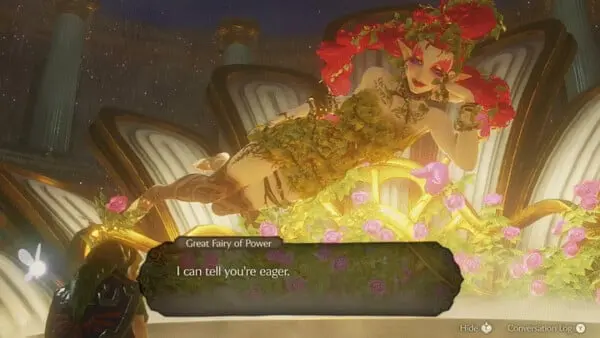
The release of The Legend of Zelda: Ocarina of Time for the Nintendo Switch 2 marks the third major iteration of the 1998 classic, following the original Nintendo 64 launch and the 2011 Nintendo 3DS remaster. Developed by Nintendo in collaboration with Monolith Software, this project serves as a comprehensive modernization of the title that defined the action-adventure genre for a generation. By utilizing the proprietary engine previously employed for The Legend of Zelda: Breath of the Wild and Tears of the Kingdom, the remake transitions the title from its original fixed-camera, pre-rendered environment into a fully realized, free-roaming 3D space.
A Chronology of a Hylian Icon
The legacy of Ocarina of Time began on November 21, 1998, in Japan, followed by a North American release on November 23. At the time, it was the most ambitious project Nintendo had ever undertaken, boasting the largest development budget in the company’s history. It introduced the "Z-Targeting" system, a mechanic that fundamentally changed how 3D combat was structured in console gaming.

The 2011 Nintendo 3DS port, handled by Grezzo, provided a visual upgrade and added the Master Quest mode, yet remained tethered to the constraints of the original’s design philosophy. The 2026 Switch 2 remake, however, discards these technical limitations. By migrating the title to a contemporary engine, developers have enabled a seamless world-state, removing the load-screen transitions that previously separated Hyrule’s provinces.
Technical Overhaul and Visual Fidelity
The visual presentation of the remake has been completely rebuilt. The art direction, described by lead designer Takaya Imamura as an homage to the "puppet theater" aesthetic, utilizes high-fidelity shaders to create a diorama-like quality for the environment. The frame rate, which historically hovered around 20 FPS on the N64, now operates at a locked 60 FPS, providing a level of fluidity that changes the nature of combat and traversal.
The integration of new, fully voiced cinematic cutscenes marks a significant departure from the original’s text-only narrative delivery. While the protagonist, Link, remains a silent figure, the supporting cast—including Princess Zelda, Impa, and Ganondorf—benefit from professional voice acting that adds depth to the game’s core political and mythical conflicts. This shift aligns the game with the cinematic standards established by modern triple-A titles.

Audio Engineering and Orchestral Scoring
The soundtrack has undergone a complete orchestral overhaul. Koji Kondo’s original compositions, which were designed for the N64’s limited MIDI sound chip, have been expanded into full symphonic arrangements. This includes the use of acoustic instrumentation that shifts in complexity based on the player’s environment. For instance, themes like "Lon Lon Ranch" have been stripped down to intimate, acoustic arrangements to emphasize the game’s quieter, more somber moments, while battle themes utilize heavier brass and percussion to heighten tension.
A notable technical innovation in this release is the acoustic fingerprinting system for the Ocarina. Players can use the Switch 2’s internal microphone to hum or vocalize melodies; the system recognizes the pitch and rhythm, inputting the corresponding notes into the game in real-time. This represents a significant advancement in interactive hardware utilization, moving beyond the simple button-input sequences of previous iterations.
Gameplay Mechanics and Quality-of-Life Adjustments
Several critical adjustments have been made to address the pacing issues prevalent in the 1998 original. The introduction of a dedicated "sprint" mechanic, triggered by holding the A button following a roll, significantly reduces travel time across Hyrule Field. Furthermore, the game’s inventory management has been overhauled; players now navigate a dynamic, circular item wheel mapped to the L and R triggers, allowing for instantaneous switching during combat.

The game also features an updated quest tracking system, titled "Threads of Time." This pseudo-journal provides context for both main objectives and side quests. While it maintains the series’ traditional cryptic writing style, it provides a functional roadmap for the player, ensuring that the critical path remains accessible without the need for external guides. However, it is notable that the game lacks a granular checklist for collectibles, of which there are significantly more than in the original release.
Analysis of Design Shifts
The transition to a free-roaming camera and a fully 3D-rendered environment has led to a re-evaluation of classic level design. Some sections, such as the infiltration of Hyrule Castle, have been altered to accommodate the player’s increased freedom of movement. While this enhances the sense of immersion and exploration, it arguably lowers the difficulty of stealth-oriented sections compared to the original, where fixed camera angles were used to intentionally restrict player visibility and heighten suspense.
The decision to retain Link as a silent, non-customizable protagonist—despite the shift toward a more cinematic narrative structure—remains a point of critical discussion. As Nintendo moves toward an official live-action cinematic adaptation of the franchise, the discrepancy between the game’s increasingly detailed characterization and its silent lead is more pronounced than ever.

Broader Impact and Industry Implications
The success of this remake serves as a validation of Nintendo’s current strategy: leveraging its back catalog through high-end technical overhauls. By treating Ocarina of Time not as a simple port, but as a modern re-imagining, Nintendo has effectively mitigated the "nostalgia trap," where older titles become inaccessible due to dated mechanics.
Industry analysts observe that this approach sets a new benchmark for remakes, placing it in the same category as the Resident Evil 2 (2019) and Final Fantasy VII Remake projects. By demonstrating that 30-year-old game design can thrive when supported by modern engine capabilities and high-fidelity assets, Nintendo has secured the relevance of its most storied property for a new generation of hardware and players.
Official Reception and Future Outlook
While Nintendo has not released official sales figures in the immediate aftermath of the launch, early retail data indicates high demand, with the title consistently ranking as a top seller in the digital eShop. The company has stated that the development of this remake was intended to "bridge the gap" between the classic era of Zelda and the expansive open-world design of the modern titles.

The implications for the Zelda franchise are clear: Nintendo is comfortable re-visiting its core titles to ensure they meet contemporary standards of performance and accessibility. With the release of this remake, the debate regarding the "sacred" status of the 1998 original has effectively shifted. The conversation has moved from a reverence for the past to an appreciation of how the series’ foundations can be built upon, refined, and ultimately modernized without losing the essential qualities that established its legacy. As the industry looks toward the next cycle of hardware, the Ocarina of Time remake stands as a technical showpiece for the Switch 2, proving that legacy content remains the cornerstone of the company’s market strategy.