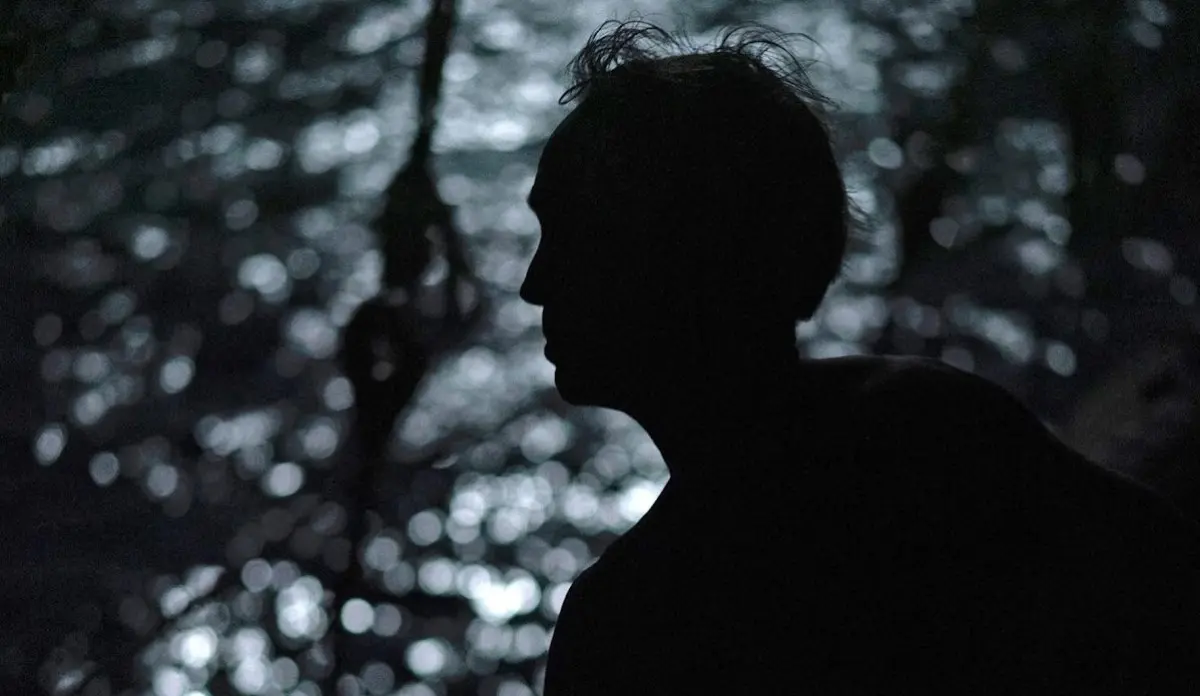
Nearly half a century after he shattered a six-century-old historical silence by navigating a traditional double-hulled voyaging canoe across the vast expanse of the Pacific Ocean to Tahiti, master navigator Nainoa Thompson has once again taken to the open sea. This demanding deep-sea crossing, undertaken one final time, serves as the emotional and physical anchor of The Navigators, a feature directorial debut by filmmaker Jordan Manley. Clocking in at 95 minutes, the documentary offers a sweeping yet intimate exploration of celestial navigation, indigenous Polynesian culture, and the fragile relationship between humanity and the natural world.
Main Facts and Cinematic Scope
At its core, The Navigators documents Thompson’s leadership of a new generation of student navigators as they prepare to embark on a grueling 2,400-mile voyage from Hawaiʻi to Tahiti. Utilizing the ancient sea roads traversed by their ancestors, the crew sails without modern instruments, relying exclusively on the sun, stars, moon, wave patterns, and wildlife for guidance.
Director Jordan Manley frames this modern expedition within a broader historical and ecological framework. The film opens with a meditation on the innate migratory and navigational instincts of animals, establishing a thematic parallel between avian species and human wayfinders. Through dynamic cinematography that places the viewer directly onto the rolling deck of the voyaging canoe, Manley captures the breathtaking grandeur of the Pacific—from bioluminescent nights and star-studded skies to the vivid spectrum of oceanic sunrises.
Despite its occasional pacing lapses and a heavy reliance on lyrical nature cutaways, the documentary stands as a profound cinematic tribute to indigenous knowledge systems that were suppressed or nearly eradicated by centuries of colonization.
Historical Context and Chronology
To fully grasp the significance of Thompson’s final voyage, one must examine the revival of Polynesian voyaging that began in the latter half of the 20th century. For hundreds of years, the art of non-instrumental navigation—once the cornerstone of Pacific migration—teetered on the brink of extinction. Western colonization, modernization, and the introduction of GPS and mechanical steering had largely rendered traditional wayfinding obsolete.
The turning point arrived in the 1970s with the founding of the Polynesian Voyaging Society (PVS) and the construction of the historic voyaging canoe, the Hōkūleʻa. Crucial to this renaissance was the late Mau Piailug, a legendary master navigator from the small Micronesian island of Satawal. Mau, who began his rigorous training in star navigation at the age of four, possessed an encyclopedic, generational understanding of the ocean. Recognizing that his sacred knowledge was at risk of disappearing permanently, Mau made the monumental decision to break cultural taboos and teach outsiders.
Among his most dedicated pupils was a young Nainoa Thompson. In 1980, Thompson achieved a historic milestone by navigating the Hōkūleʻa from Hawaiʻi to Tahiti without a single navigational instrument, marking the first time in 600 years that a Native Hawaiian had successfully completed the deep-sea journey using ancestral methods. Over the next four decades, Thompson dedicated his life to passing this wisdom down to younger generations, cementing a living bridge between Hawaiʻi’s past and its cultural future.
Supporting Data and Methodology of Wayfinding
The Navigators excels in demystifying the precise, highly analytical science behind non-instrumental sailing. Far from relying on mystical intuition alone, traditional wayfinding is rooted in acute, lifelong observation of environmental indicators.
As illustrated through archival footage and contemporary reflections in the film, master navigators read the ocean like an open book:
- Stellar Compass: Navigators memorize the rising and setting points of hundreds of stars, using them to maintain a steady heading throughout the night.
- Swell Patterns: By feeling the rhythm and direction of deep-ocean swells—often generated by distant weather systems—sailors can maintain their course even when cloud cover obscures the sun and stars.
- Fauna and Flora: Seabirds serve as reliable indicators of proximity to land. In one of the documentary’s standout archival sequences, Mau Piailug determines an island’s exact distance by observing a bird returning to its nest with a small fish in its beak, deducing that the bird had flown out at dawn and could not travel beyond a specific radius from shore.
- Cloud Formations and Bioluminescence: Stationary cloud formations often signal the presence of high islands beneath them, while unique wave refraction patterns and water coloration indicate shallow reefs or deep-sea currents.
Cultural Implications and Educational Impact
The release of The Navigators arrives at a critical juncture for indigenous language revitalization and cultural preservation in the Pacific. For young Native Hawaiians, the resurgence of voyaging culture offers a tangible connection to an identity systematically suppressed by historical assimilation policies.
While the documentary has drawn minor critiques from film critics for not spending sufficient time profiling the individual student navigators on board, the inclusion of their voices underscores the ongoing vitality of Pacific voyaging. Watching elders like Thompson and archival footage of Mau Piailug provides students with a living link to indigenous science, demonstrating that traditional ecological knowledge is not merely a relic of the past, but a sophisticated, adaptive framework for the future.
Furthermore, the relationship between Mau and Thompson serves as a poignant reminder of the burdens carried by cultural standard-bearers. Thompson has frequently spoken of the immense psychological and emotional weight of fulfilling his vow to Mau: to ensure that the flame of Hawaiian voyaging never goes out again.
Broader Implications for Global Environmentalism
Beyond its cultural and historical dimensions, The Navigators carries a pressing contemporary message regarding global climate change and ecological stewardship. Both Mau Piailug and Nainoa Thompson have long maintained that true navigation requires total humility before the natural world—a principle they argue modern industrial society has tragically abandoned.
In the film’s concluding sequence, the narrative comes full circle with the appearance of a seabird, echoing the imagery from the opening minutes. This cinematic bookend reinforces Mau’s deathbed prophecy to Thompson: that his spirit would continue to guide future generations of sailors through the natural world—whether manifested in the flight of a bird, the breach of a whale, a flash of lightning, or the roll of an ocean wave.
As human-induced climate change accelerates threats to marine ecosystems and island nations across the globe, the release of The Navigators offers a timely reminder. It challenges contemporary audiences to re-evaluate their relationship with the earth, listen intently to the language of the natural world, and recognize that humanity’s survival depends on the same deep observation and respect that guided ancient Polonians across the largest ocean on Earth.