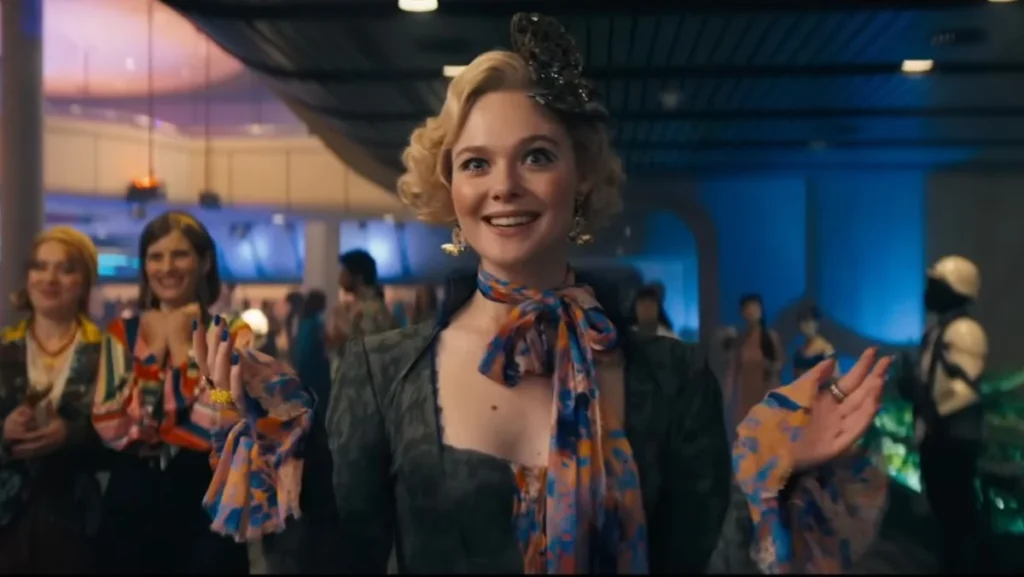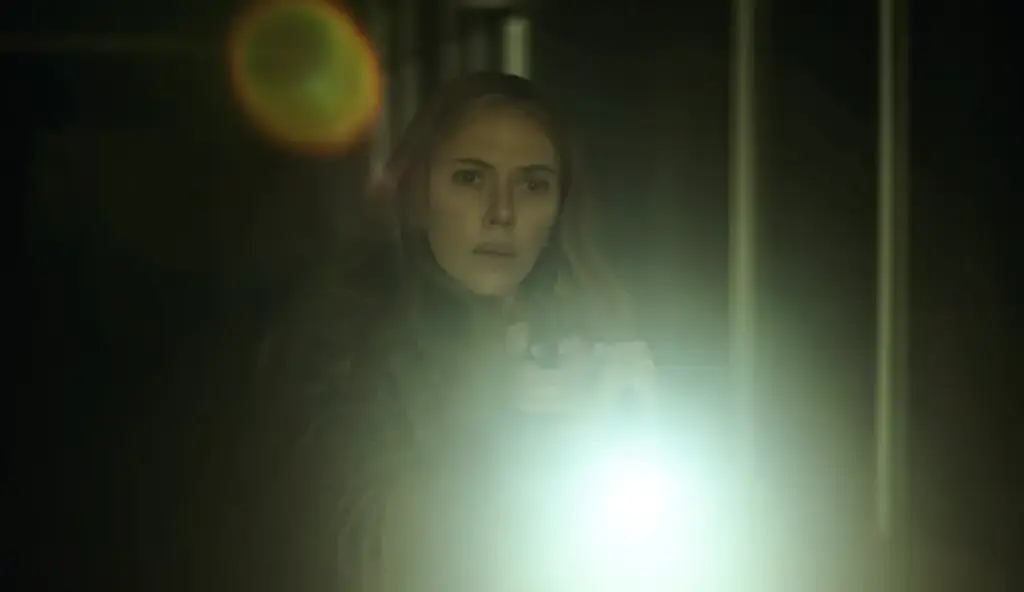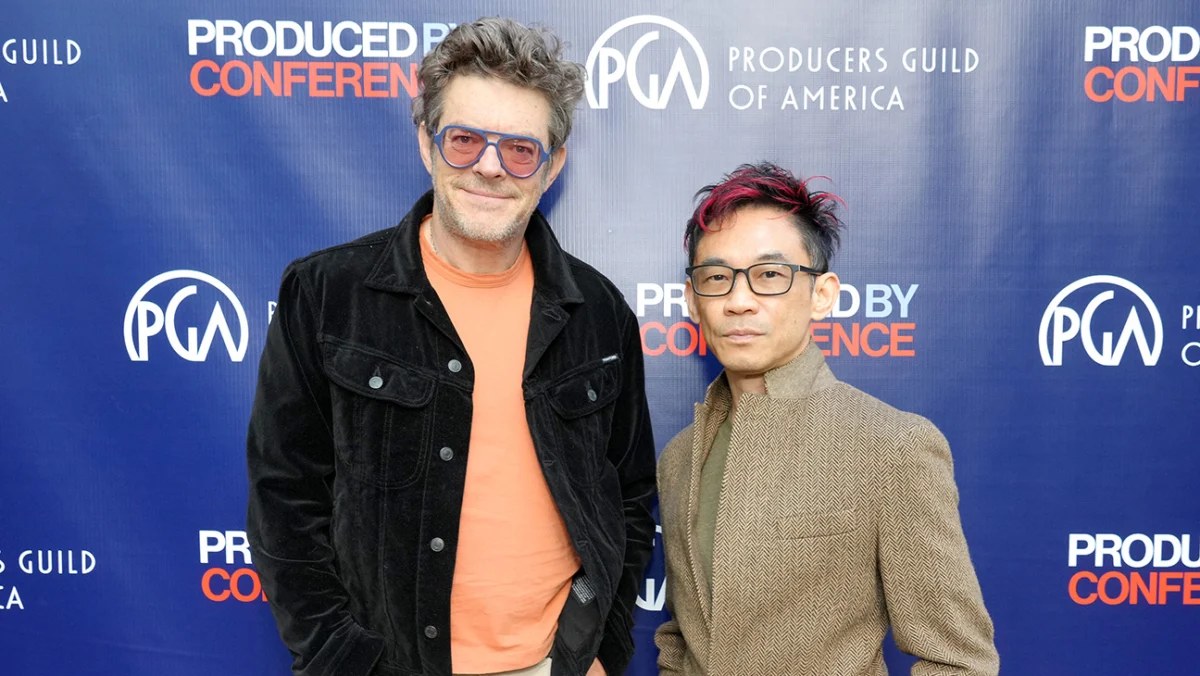
The landscape of cinematic horror is undergoing a significant transformation, with recent releases Obsession and Backrooms not only shattering box office records but also heralding a new generation of filmmakers. Industry titans Jason Blum of Blumhouse and James Wan of Atomic Monster have drawn parallels between this contemporary phenomenon and the groundbreaking era of young horror directors in the 1970s, signaling a robust recovery for theatrical exhibition, particularly within the genre. This pivotal discussion unfolded during the opening session of the Produced By Conference at the Universal Studios lot on Saturday, where Blum and Wan engaged in a wide-ranging conversation with PGA President Stephanie Allain, addressing the current state of cinema, the post-COVID resurgence of movie theaters, and the ambitious future goals for their newly merged entity, Blumhouse-Atomic Monster.
A New Breed of Filmmakers Ignites Theaters
The core of Blum and Wan’s insights revolved around the emergence of directors who have honed their craft in non-traditional spaces, primarily online. Jason Blum articulated this shift, stating, "Since COVID, there’s been this lethargic feeling around theatrical, and is it relevant anymore and is it going to survive? And what I think is so incredible about Obsession and Backrooms is that they’re a new kind of movie. They’re made by non-traditional directors, directors who really honed their skills as creators online." This sentiment underscores a broader industry pivot towards recognizing and leveraging digital talent, which is now translating into mainstream cinematic success.
The performance of these films provides compelling evidence for this argument. Obsession, released on May 15, stands as a testament to the power of grassroots filmmaking. Penned and directed by 26-year-old YouTuber Curry Barker, the film was brought to life with a remarkably lean budget of just $750,000. Its theatrical run has been nothing short of historic. In an unprecedented feat for a non-Christmas release since 1982, Obsession, distributed by Focus Features and Blumhouse, has seen its box office revenue increase in both its second and third weekends. Blum highlighted this exceptional trend, noting, "Obsession this weekend went up 20 percent from last weekend. Last weekend it went up 30 percent from the opening weekend. No movie has done that, gone up two weekends in a row, since E.T. It is unbelievable." This organic growth, driven primarily by word-of-mouth and strong audience reception, suggests a profound connection with its target demographic, particularly younger viewers who are increasingly influenced by online content and creators.
Following closely in its wake, Backrooms made its highly anticipated debut this past weekend. This film marks the cinematic directorial debut of Kane Parsons, a mere 20-year-old YouTuber whose viral short-film series captivated millions online. Co-financed by Chernin Entertainment and produced on a budget of $10 million, the adaptation of Parsons’ internet phenomenon is poised to achieve the largest opening in A24 history, with projections soaring as high as $90 million. The success of Backrooms further solidifies the notion that online platforms are serving as fertile training grounds for a new generation of filmmakers, enabling them to build a dedicated fanbase and develop unique visual storytelling techniques outside the conventional studio system.
Echoes of the 1970s: A Creative Renaissance
Blum’s comparison of this current wave to the 1970s horror boom is particularly insightful. That decade witnessed a paradigm shift in filmmaking, with independent and often counter-cultural voices breaking through traditional Hollywood barriers. Directors like George A. Romero (Night of the Living Dead, though late 60s, its influence defined the 70s), Tobe Hooper (The Texas Chain Saw Massacre), and John Carpenter (Halloween) redefined horror with their raw, visceral, and often socio-politically charged narratives, crafted on shoestring budgets. These filmmakers, much like Barker and Parsons today, operated outside the established norms, leveraging ingenuity and a fresh perspective to create impactful cinema that resonated deeply with audiences.
The accessibility of digital tools and online distribution platforms in the 21st century mirrors the spirit of independence that characterized the 1970s. YouTube, TikTok, and other social media platforms have democratized filmmaking, allowing aspiring creators to experiment, develop unique visual languages, and cultivate an audience without needing substantial financial backing or industry connections. This shift has lowered the barrier to entry, fostering a diverse array of voices and creative approaches that are now injecting fresh energy into the mainstream film industry.
Blum further elaborated on the appeal of these new films, stating, "Backrooms and Obsession are edgy and weird and fucking nuts. And to me, there’s almost this feeling of the ’70s, of a new generation of young people making edgy movies that are connecting in theaters in a crazy way. So many young people grew up in a time when they couldn’t go to the movies, and they haven’t had something made for them that gets them off their iPad and into theaters. Suddenly they have two movies." This highlights a crucial demographic insight: these films are specifically catering to a generation that has grown up immersed in digital content, offering them a compelling reason to seek out the communal experience of the cinema.
Horror’s Enduring Role in Theatrical Recovery
James Wan, a celebrated master of the horror genre with iconic directing credits including Saw, The Conjuring, and Insidious, underscored the genre’s consistent economic and cultural significance. "I’ve been a horror fan since I was a kid, and so naturally I grew up on a steady diet of horror movies through the ’80s and ’90s, inspired by great filmmakers like John Carpenter and Wes Craven," Wan recounted. "I look at them and think, ‘You know what? I kind of want to do what they did.’ Today we kind of mimic that model. And here we are. I say this to anyone who will listen: The horror genre keeps saving our industry."
Wan’s assertion resonates with a long-standing truth in Hollywood: horror films, particularly those with modest budgets, frequently deliver exceptional returns on investment. This financial reliability makes them attractive ventures for studios, especially in uncertain economic climates or during periods of theatrical recovery. The communal experience of fear, shared gasps, and jump scares in a dark theater remains a powerful draw that streaming services, despite their convenience, struggle to replicate.
The post-COVID era has seen a gradual but determined return of audiences to cinemas, yet certain genres have performed more consistently than others. Horror has consistently been a strong performer, with films like M3GAN, Smile, and Five Nights at Freddy’s (a Blumhouse production that capitalized on another online phenomenon) demonstrating strong theatrical legs and profitability. These successes provide vital revenue streams for studios and exhibitors, contributing significantly to the overall health and perceived relevance of the theatrical model. The genre’s ability to engage audiences and generate significant buzz, often through viral marketing and online communities, positions it as a vanguard in the ongoing effort to bring moviegoers back to the big screen.
Blumhouse-Atomic Monster: Forging the "Disney of Horror"
The conversation also delved into the strategic vision for the newly merged Blumhouse-Atomic Monster, a deal that officially closed in 2024. This merger brought together two of the most influential names in contemporary horror production, creating a formidable powerhouse with diversified interests across film, television, gaming, and live events. The producers emphasized their commitment to continuous evolution, stating their refusal to "get comfortable" and their dedication to "adapt with the audience."
This adaptive strategy is already evident in their approach to new projects. Beyond Obsession and Backrooms, Blum and Wan revealed another forthcoming project that embodies their commitment to online-bred talent: a reboot of The Blair Witch Project. This iconic found-footage horror film, which itself revolutionized the genre with its innovative marketing and low-budget, high-impact approach, will be helmed by Dylan Clark, another creator who began his journey online. This move is particularly significant, as it demonstrates Blumhouse-Atomic Monster’s intention to apply their proven model of nurturing online talent to established intellectual properties, potentially revitalizing classic franchises with fresh perspectives.
Looking ahead, Jason Blum articulated an ambitious long-term goal for the combined entity. When asked about their aspiration, Blum confidently declared, "’The Disney of horror’ is the aspiration in five years." This bold vision implies not just market dominance in film and television production but also a broader cultural footprint, akin to how Disney has permeated various aspects of entertainment and merchandising for families. For Blumhouse-Atomic Monster, this could mean creating a vast, interconnected universe of horror content, characters, and experiences that appeal to a global audience across multiple platforms, from feature films and streaming series to video games, theme park attractions, and consumer products. This aspiration signifies a move beyond mere production towards becoming a comprehensive entertainment empire focused exclusively on the horror genre.
Implications for the Industry and Future Trends
The success of Obsession and Backrooms, coupled with the strategic direction of Blumhouse-Atomic Monster, carries several profound implications for the wider entertainment industry.
Firstly, it validates the power of online platforms as legitimate incubators for directorial talent. Traditional film schools and industry internships, while still valuable, are no longer the sole gatekeepers to a career in filmmaking. The ability to create, distribute, and gain feedback on content online has democratized the initial stages of filmmaking, potentially leading to a more diverse and innovative pool of talent reaching the mainstream. Studios and production companies will likely intensify their scouting efforts on platforms like YouTube, TikTok, and Vimeo, seeking out creators with proven engagement and unique voices.
Secondly, it reinforces the economic viability of low-to-mid budget horror films. In an era where blockbuster tentpoles often require astronomical investments, the high return on investment offered by horror provides a crucial counter-narrative. A $750,000 film like Obsession generating significant box office revenue, or a $10 million film like Backrooms potentially grossing $90 million, demonstrates a sustainable and profitable model that can mitigate risks for studios and ensure a steady flow of content. This success encourages continued investment in the genre and in the innovative, cost-effective methods employed by these new filmmakers.
Thirdly, the focus on younger, digitally native audiences is a critical lesson for the entire industry. As Blum noted, many young people have grown up with limited theatrical options tailored specifically for them. By producing "edgy and weird" content that speaks to their experiences and sensibilities, and by leveraging creators they already follow online, the industry can effectively entice this demographic away from their personal devices and back into the shared theatrical space. This strategy is essential for cultivating future generations of moviegoers and ensuring the long-term health of cinema as a cultural institution.
Finally, the merger of Blumhouse and Atomic Monster underpins a larger trend of consolidation and specialization within Hollywood. By combining their expertise and resources, Blum and Wan are creating a formidable entity dedicated to mastering the horror genre across all media. Their "Disney of horror" ambition suggests a future where genre-specific powerhouses may emerge, commanding significant market share and cultural influence by deeply understanding and catering to niche, yet globally resonant, audiences. This specialized approach, leveraging both established talent and new online voices, positions them at the forefront of an evolving entertainment landscape.
In conclusion, the record-breaking performances of Obsession and Backrooms are more than just box office successes; they are a clear signal of a dynamic shift in Hollywood. Driven by the visionary leadership of Jason Blum and James Wan, and powered by a new generation of online-honed filmmakers, the horror genre is not only proving its enduring theatrical appeal but also charting a course for the broader industry’s future, one that embraces digital innovation, diverse talent, and a keen understanding of evolving audience preferences. The "new kind of movie" is here, and it’s breathing vibrant new life into the silver screen.